中文简体
中文简体 English
 日本語
日本語 русский
 Español
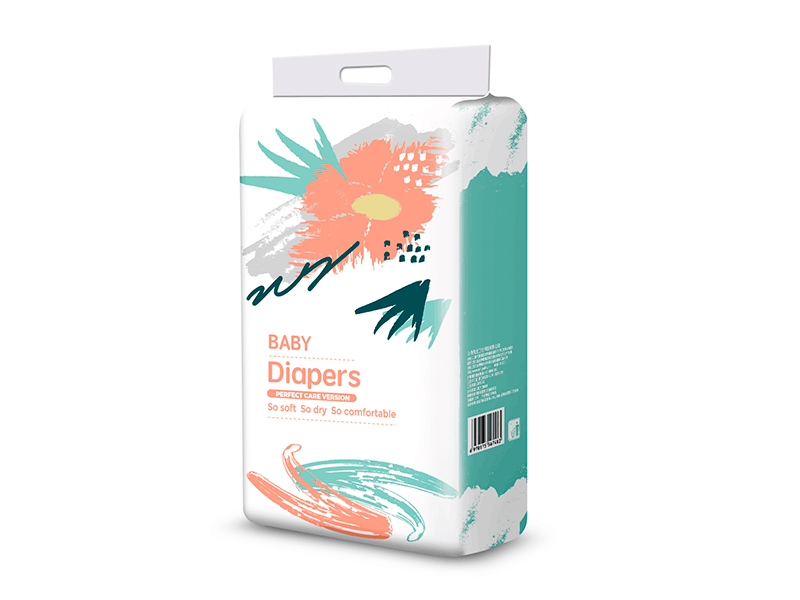
Premium diapers have become one of the most important daily care products for modern families, because they directly affect infant comfort, skin health, sleep quality, and caregiver confidence. A truly premium diaper is not simply a thicker absorbent pad with a cute design; it is a carefully engineered hygiene product that combines advanced materials, precise structure, skin-friendly performance, and stable manufacturing quality. The best products in this category solve two practical concerns at the same time: they must be thin enough for freedom of movement and strong enough to absorb quickly, lock liquid away, and keep the surface dry and soft.
In today’s global market, diaper competition has moved beyond basic absorbency. Parents and brand owners now compare softness, breathability, leak protection, fit, sustainability, material safety, production consistency, and customization options. Premium diapers are expected to perform during daytime play, nighttime sleep, travel, and sensitive-skin use. For manufacturers and private label partners, the challenge is to produce diapers that feel gentle, remain reliable in different climates, and maintain stable quality across large-scale orders. This is where advanced core technology, nonwoven material expertise, and strict manufacturing systems become decisive advantages.
The Meaning of a Premium Diaper
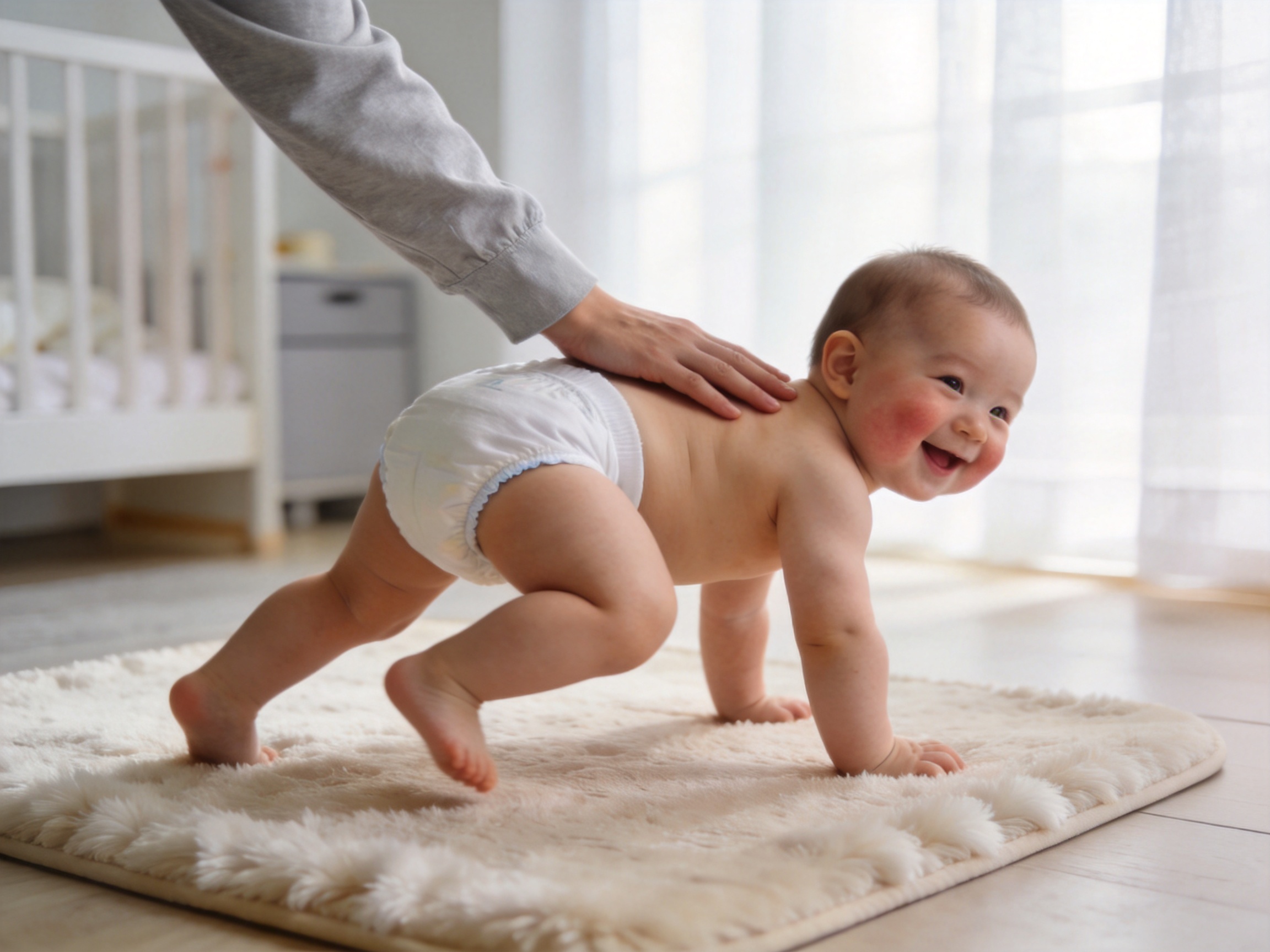
A premium diaper is defined by the balance of comfort and function. Traditional diapers often relied on bulk to provide absorbency, but bulk can restrict movement, increase heat and humidity, and create a heavy feeling after wetting. Modern premium diapers use improved absorbent cores, high-performance nonwoven layers, efficient acquisition and distribution structures, elastic waist systems, and breathable back sheets to deliver protection with less thickness. The result is a diaper that is lighter, more flexible, and more comfortable while still providing strong absorption and dryness.
The most valued premium diaper qualities are thinness, fast liquid intake, dry surface performance, softness against the skin, leakage prevention, and stable fit. These qualities must work together. If a diaper absorbs quickly but does not distribute liquid well, it may become lumpy or leak under pressure. If it is very soft but lacks structure, it may sag. If it is thin but uses a weak core, it may fail overnight. Premium design therefore requires an integrated approach in which every layer has a function and every material is selected for performance, safety, and compatibility.
Core Advantages Over Ordinary Diapers
The first major advantage of premium diapers is their ability to combine thinness with strong absorbency. Many ordinary diapers create an impression of protection through thickness, yet thickness alone does not guarantee performance. A premium diaper depends on a refined absorbent structure that can take in liquid rapidly, distribute it evenly, and hold it under pressure. This reduces the wet, bulky feeling that babies may experience after urination and supports greater freedom of movement during crawling, sitting, standing, and walking.
The second advantage is dry and soft surface performance. Babies’ skin is delicate, and prolonged exposure to moisture may contribute to discomfort, redness, and irritation. Premium diapers use soft topsheets and fast liquid transfer layers to move urine away from the skin quickly. The surface is designed to remain pleasantly dry after absorption, while the skin-contact layer provides a gentle touch. This is especially important for newborns, babies with sensitive skin, and overnight use, when longer wearing time places greater demand on dryness and comfort.
The third advantage is fit and leakage protection. A diaper must adapt to a baby’s body shape and movement. Premium products often include elastic waistbands, soft leg cuffs, three-dimensional leak guards, and flexible side panels. These details help reduce side leakage, back leakage, and gaps around the thighs. Compared with lower-grade products, premium diapers are better able to maintain their shape after wetting, reducing sagging and improving stability during active movement.
The fourth advantage is consistent quality. Parents may accept trying a new product once, but they will only continue using it if every piece in the pack performs reliably. Premium manufacturing focuses on stable material supply, precise machine control, uniform core placement, secure sealing, clean production environments, and systematic inspection. Consistency is one of the most important differences between advanced diaper production and ordinary assembly.
Why Thinness Matters
Thinness is not merely a visual feature. A thinner diaper can help improve comfort because it reduces bulk between the legs and allows babies to move more naturally. During early development, babies roll, crawl, squat, stand, and walk. A bulky diaper can interfere with these movements and may create friction around the thighs. A thin premium diaper gives babies a lighter wearing experience while still providing the absorbent capacity needed for daily and nighttime use.
Thinness also improves packaging efficiency and user convenience. A thinner product can be easier to carry in diaper bags, store at home, and use during travel. For brand owners and distributors, thinner diapers may also improve logistics efficiency because more pieces can be packed into a given volume. However, thinness must be achieved through technology rather than simple material reduction. Reducing materials without improving absorbent efficiency can cause leaks, poor dryness, and weak structure. Premium thin diapers depend on advanced core design and high-quality materials.
Absorbent Core Technology as the Heart of Performance
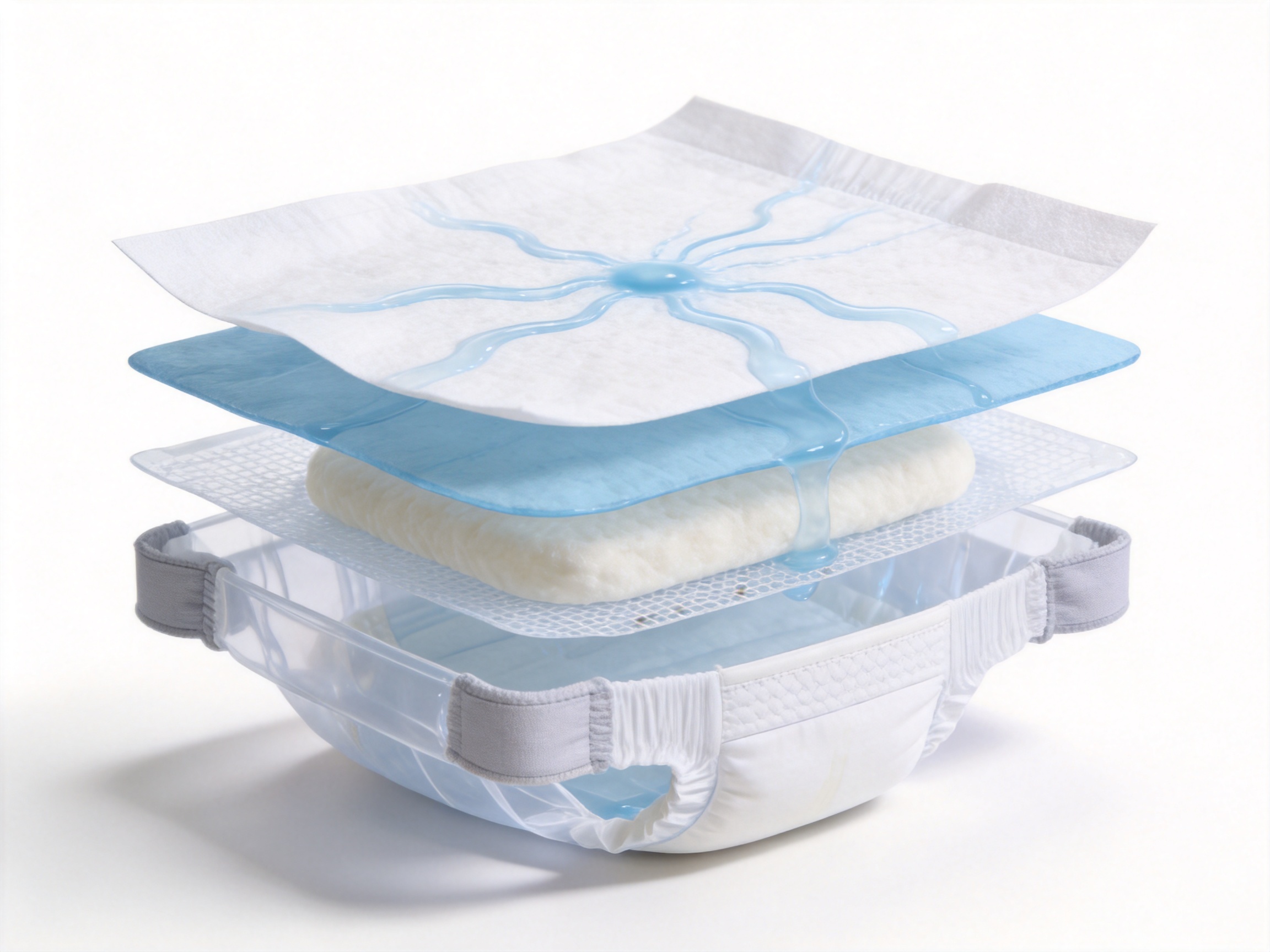
The absorbent core is the functional center of a diaper. It usually combines super absorbent polymer, absorbent fibers, distribution layers, and structural components that control fluid movement. In premium diapers, the core must absorb fast, spread liquid efficiently, prevent reverse wetness, and maintain integrity after repeated wetting. A high-quality core helps prevent clumping, hardening, and uneven swelling. This creates a smoother wearing experience and reduces the possibility of pressure points against the baby’s skin.
The industry has evolved from traditional fluff pulp-heavy cores to composite and innovative core structures. Traditional cores can absorb well, but they are often thicker and may become bulky after wetting. Composite cores are designed to be thinner and more stable, using optimized combinations of materials to improve absorption speed and distribution. In advanced premium diapers, core reform and innovation are key competitive factors. The competition is no longer only between domestic and imported products; it is also a competition of research capability, material science, and manufacturing precision.
China’s diaper core technology has advanced rapidly after years of development. Many domestic manufacturers now offer products comparable to established imported brands, and in some aspects they exceed foreign competitors through flexible innovation, efficient production integration, and fast response to market needs. The ability to develop thinner cores with high absorption, reliable dryness, and comfortable softness has become a major strength of leading Chinese hygiene product manufacturers.
Softness and Skin-Friendly Design
Softness is one of the first things caregivers notice when touching a diaper, and it remains one of the most important factors in repeat purchase decisions. The surface that contacts the baby’s skin should feel smooth, gentle, and non-abrasive. Premium diapers use selected nonwoven materials with a soft hand feel, appropriate thickness, and stable formation. Good softness is not only about the surface texture; it also depends on how the topsheet, acquisition layer, leg cuffs, waistband, and side panels interact with the body during movement.
Skin-friendly design includes breathability, reduced friction, dryness, and material safety. A breathable back sheet allows moisture vapor to escape while preventing liquid leakage. This helps reduce heat and humidity inside the diaper, creating a more comfortable microclimate. Soft elastic components reduce pressure marks. Safe adhesives, inks, and raw materials support product confidence. For sensitive skin, the combination of dryness, breathability, and softness is especially valuable.
Dryness: The Key to Comfort
Dryness is a major measure of diaper quality because it directly affects the baby’s feeling after urination. A premium diaper should rapidly draw liquid through the topsheet into the absorbent core. Once liquid has entered the core, the structure should lock it away and reduce rewet, meaning liquid should not easily return to the surface under pressure. Low rewet performance is important when babies sit, lie down, or move after wetting. A diaper may absorb a large amount of liquid, but if the surface feels wet, the user experience is poor.
Dryness also contributes to better nighttime performance. During sleep, babies may wear a diaper for longer periods, and caregivers expect fewer changes and less disturbance. A premium diaper designed for nighttime should maintain a dry surface, resist leakage, and stay comfortable even after multiple wettings. This requires strong absorption capacity, excellent distribution, secure leg cuffs, and stable core integrity.
Leakage Protection in Real-Life Conditions
Leakage can happen for many reasons: poor fit, slow absorption, weak cuffs, uneven core swelling, or incorrect size selection. Premium diapers reduce leakage risk through multi-dimensional protection. Fast acquisition channels help liquid move away from the point of contact. Distribution layers spread liquid across the core instead of concentrating it in one area. High-performance absorbent polymer locks liquid inside. Leg cuffs create barriers around the thighs, and elastic waist structures reduce gaps at the back and abdomen.
Real-life testing is essential because babies do not remain still. They roll during sleep, crawl across floors, sit in strollers, and move constantly during play. Premium diapers must perform under compression, twisting, and repeated motion. Advanced manufacturers evaluate diapers through laboratory absorption tests, rewet tests, pressure tests, fit checks, and user experience feedback. The goal is not only to pass technical indicators but also to create dependable protection in daily use.
Advanced Manufacturing Strength Behind Premium Quality
Premium diaper performance depends heavily on manufacturing capability. Zhejiang Uniquality Nursing Products Technology Co., Ltd., supported by the long-term industrial foundation of Kingsafe & Uniquality, benefits from decades of experience in nonwoven materials, hygiene products, and advanced production systems. Founded in 1987, the enterprise has grown into a national high-tech manufacturer specializing in research, development, production, and sales of medical and hygienic nonwoven materials, nursing products, and high-end clothing interlining. This background provides a strong material science foundation for premium diaper development.
The company is headquartered in Changxing, Huzhou, in the Yangtze River Delta region, an area known for convenient land, sea, and air transportation. This location supports efficient supply chain coordination, domestic distribution, and international trade. Over more than thirty years of development, the company has established multiple production bases in China, including locations in Guangdong, Jiangsu, and Hubei. This multi-base structure strengthens production capacity, supply reliability, and market responsiveness.
The company has been recognized as a leading enterprise in China’s industrial textile industry and has ranked among the top enterprises in China’s nonwovens industry for many consecutive years. It has also been listed among major global nonwoven manufacturers over multiple years. These achievements matter for premium diaper production because nonwoven materials are fundamental to softness, breathability, strength, and liquid management. A manufacturer with deep nonwoven expertise can control product quality from material development to finished diaper performance.
International Equipment and Process Control
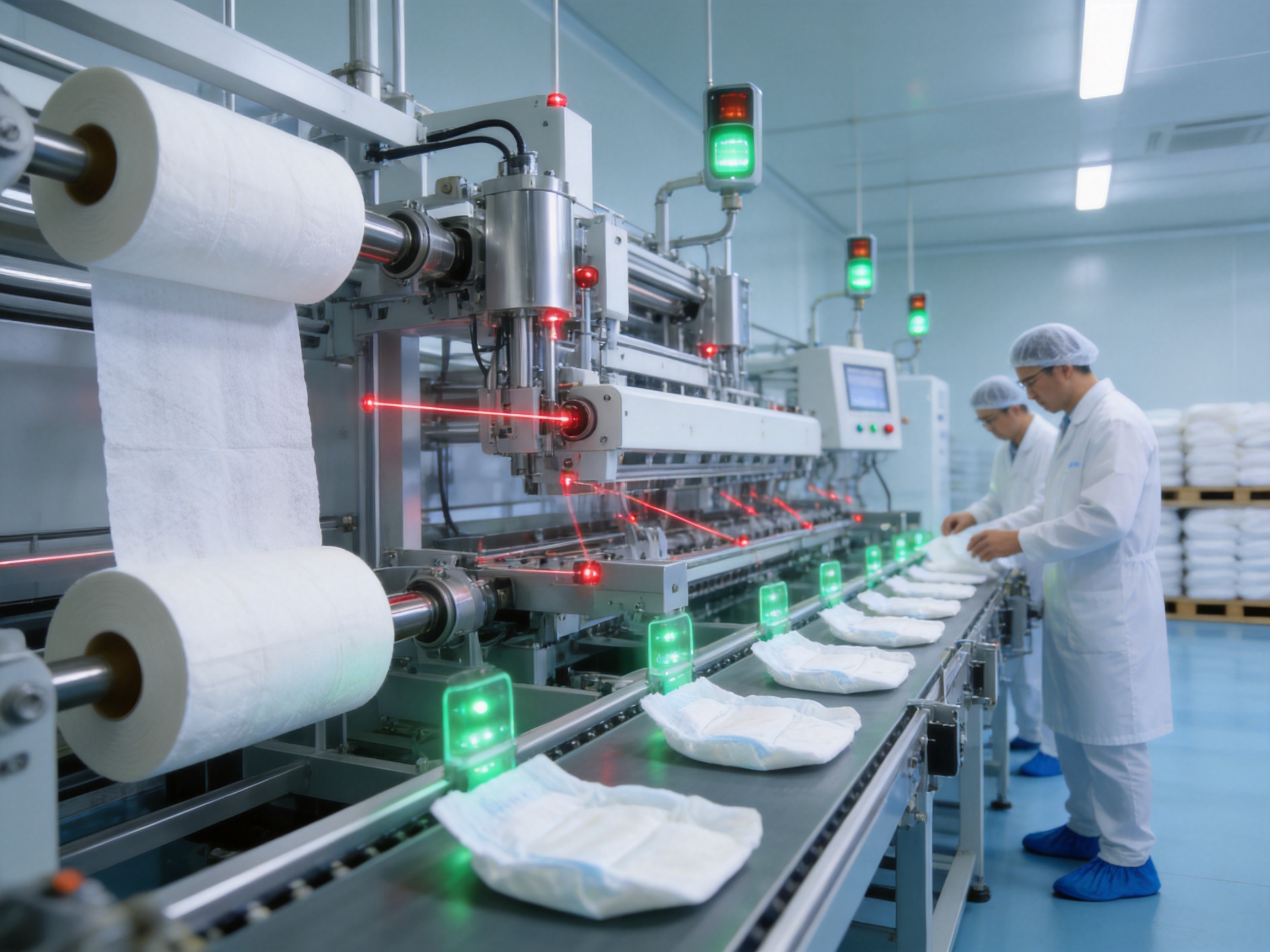
Advanced manufacturing is supported by modern equipment and process discipline. Kingsafe & Uniquality has introduced advanced production equipment and technology from countries such as Germany, France, and Italy. Internationally advanced machinery can improve production speed, dimensional accuracy, material bonding, cutting precision, and product consistency. However, equipment alone is not enough. Premium results require skilled engineers, strict operating procedures, quality monitoring, and continuous process optimization.
In diaper manufacturing, each layer must be positioned accurately. The topsheet, acquisition layer, core, backsheet, elastic components, cuffs, side tapes, and waistband must come together at high speed without misalignment. Adhesive application must be controlled to ensure bonding strength without stiffness or discomfort. Cutting and sealing must be clean. Elastic tension must be balanced to create fit without excessive pressure. Even small deviations can affect comfort, leakage, appearance, and user trust.
High-quality factories use integrated inspection systems to monitor product dimensions, weight, defects, and assembly accuracy. Quality control may include incoming raw material inspection, online monitoring, sampling tests, physical performance tests, and final packaging checks. For premium diapers, quality systems are especially important because customers expect stable performance from the first piece to the last piece in every pack.
Nonwoven Expertise as a Competitive Advantage
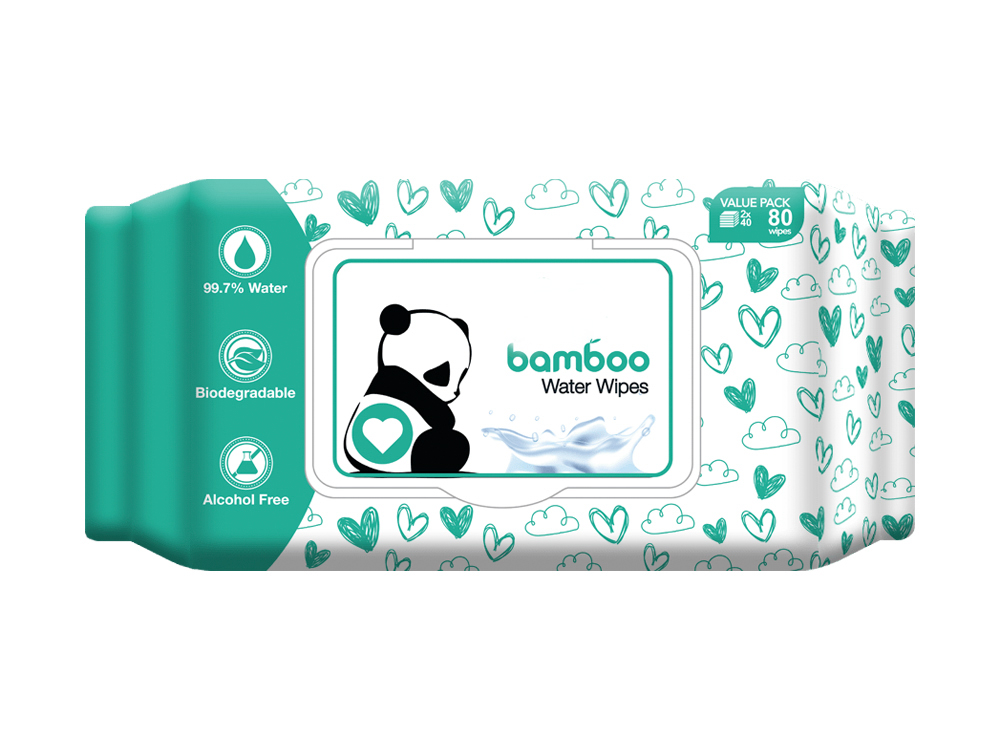
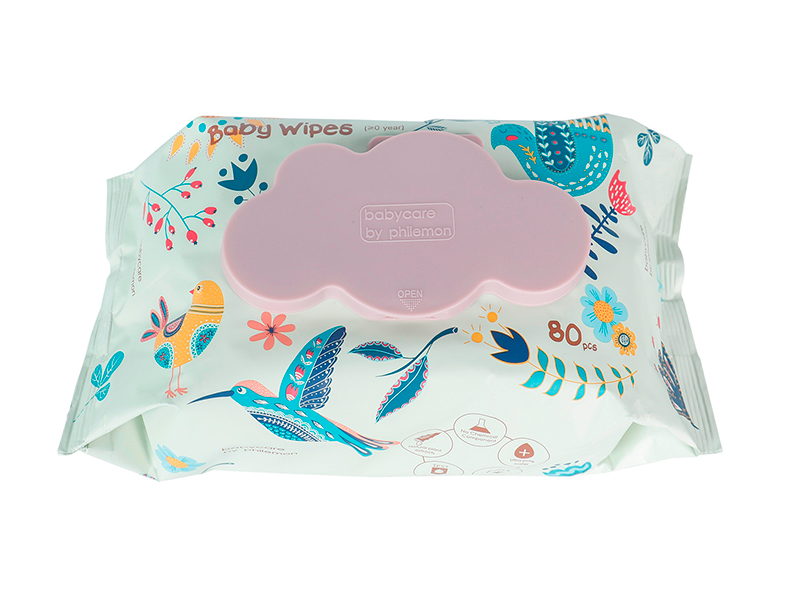
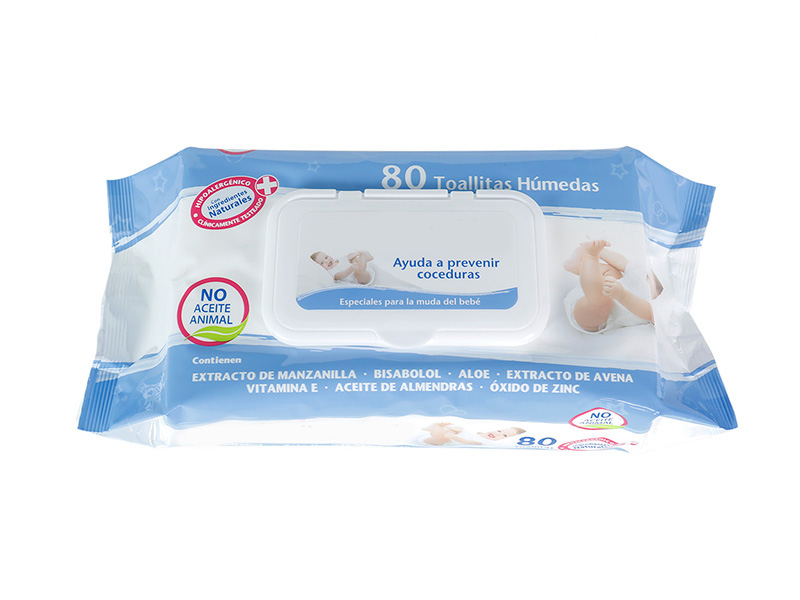
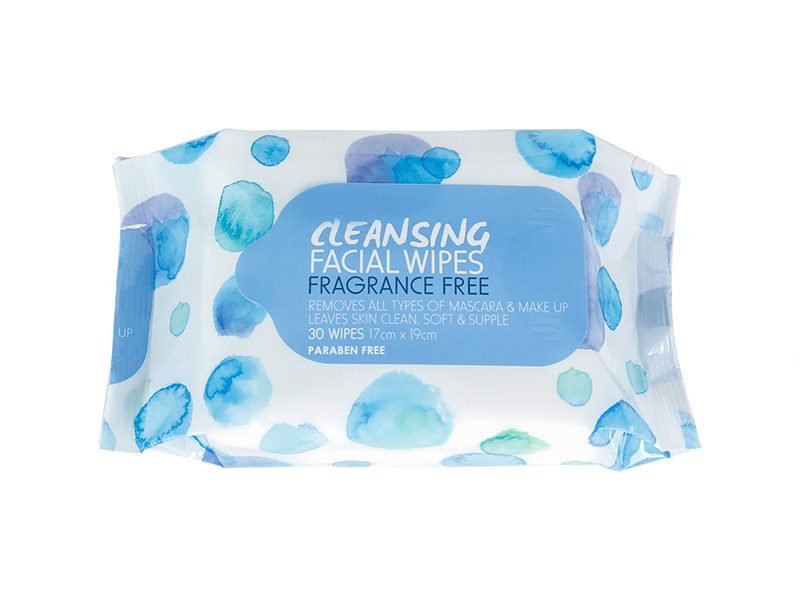
The company’s product scope includes spunlace nonwoven fabrics, spunmelt nonwoven fabrics, hot air through nonwoven fabrics, flushable and degradable nonwoven fabrics, wet wipes, dry wipes, baby diapers, pull-ups, wet toilet paper, cleansing wipes, and related products. This wide material and product portfolio creates cross-category knowledge. For diapers, nonwoven expertise supports the development of softer topsheets, breathable backsheets, strong leak guards, comfortable waistbands, and stable construction layers.
Spunlace nonwovens are valued for softness and cloth-like texture. Spunmelt nonwovens can provide strength, barrier properties, and lightweight performance. Hot air through nonwovens can offer loft, softness, and liquid permeability. By understanding different nonwoven technologies, the manufacturer can select and combine materials according to product positioning. A diaper for ultra-soft newborn care may emphasize gentle surface materials, while a nighttime diaper may focus more heavily on absorption, leakage protection, and structural stability. Premium private label solutions require this kind of material flexibility.
OEM and Private Label Capability
For global buyers, retailers, distributors, and brand owners, OEM and private label capability is a major reason to cooperate with an advanced manufacturer. Zhejiang Uniquality Nursing Products Technology Co., Ltd. offers OEM and ODM solutions for wet and dry wipes, diapers, growing training pants, and related nursing products. This means customers can develop products with customized specifications, packaging, size ranges, absorbency levels, softness grades, designs, and market positioning.
Private label diaper projects require more than production capacity. They require product development support, material selection advice, sample testing, packaging planning, compliance awareness, and stable lead times. A strong manufacturing partner can help customers translate market ideas into practical products. For example, a retailer may request a premium thin diaper for urban families, a high-absorbency nighttime diaper, a soft newborn diaper, or a value-premium line that balances cost and performance. The manufacturer’s ability to customize structures and materials helps customers compete in different market segments.
OEM and ODM cooperation also benefits from a manufacturer’s experience with wipes and other hygiene products. Many buyers prefer integrated supply solutions because baby care shelves often include diapers, pull-ups, wet wipes, dry wipes, and cleansing products. A company capable of producing multiple hygiene categories can provide better consistency in material standards, packaging design, supply coordination, and brand expansion.
Comparison Between Premium Diapers and Standard Market Options
| Feature | Premium Diapers | Standard Diapers | User Benefit |
|---|---|---|---|
| Thickness | Engineered thin core with high absorbent efficiency | Often thicker to increase capacity | More comfortable movement and easier carrying |
| Absorption Speed | Fast liquid acquisition and distribution | May absorb more slowly under repeated wetting | Reduced wet feeling and improved dryness |
| Surface Dryness | Designed for low rewet and dry touch | Surface may feel damp after pressure | Better skin comfort during wear |
| Softness | Selected soft nonwoven layers and gentle elastic areas | May use basic materials with less refined touch | Reduced friction and improved wearing experience |
| Leakage Protection | Elastic fit, cuffs, distribution layers, and stable core | Basic protection may be less adaptive | Greater confidence for day and night use |
| Manufacturing Consistency | Advanced equipment, process control, and inspection systems | Quality may vary by supplier and batch | Reliable performance across packs and orders |
| Customization | Suitable for OEM and private label development | Often limited to standard specifications | Better brand differentiation and market targeting |
Meeting the Needs of Modern Families
Modern families expect diapers to support active lifestyles. Parents want products that are easy to use, comfortable for babies, reliable during sleep, and suitable for travel. They also pay increasing attention to material safety and product reputation. Premium diapers respond to these needs by offering a balanced combination of softness, dryness, thinness, and protection. They help reduce the need for frequent checking and changing caused by discomfort or leakage, allowing caregivers to focus more on interaction and rest.
Families also value products that feel trustworthy. Trust comes from visible quality, consistent performance, and responsible manufacturing. When a diaper feels soft, fits well, absorbs quickly, and does not leak easily, caregivers gain confidence. When the same performance is repeated pack after pack, brand loyalty grows. For private label owners, this repeat trust is essential for long-term success.
Advantages for Distributors and Retail Brands
Premium diapers can help distributors and retailers differentiate themselves in competitive markets. Low-price products may attract initial attention, but premium products create stronger value through satisfaction and repeat purchase. A well-designed diaper line can target different segments, such as newborn care, daytime comfort, nighttime protection, sensitive skin, ultra-thin convenience, or training pants for growing babies. With OEM and ODM support, brand owners can create a product portfolio that matches regional consumer preferences.
Manufacturing strength also reduces business risk. A supplier with advanced equipment, multiple production bases, nonwoven material expertise, and long industry experience is better positioned to support stable orders and product development. For international customers, reliable supply, quality consistency, and customization capability are often as important as price. Premium diaper sourcing should therefore consider the manufacturer’s technical foundation, quality system, capacity, and product innovation record.
Safety, Hygiene, and Quality Assurance
Baby diapers are intimate hygiene products, so safety and cleanliness must be central to production. Raw materials should be selected with attention to skin contact, purity, odor control, and performance stability. Production environments should follow hygiene management procedures to reduce contamination risk. Finished products should be protected through suitable packaging that maintains cleanliness during transportation and storage.
Quality assurance includes both functional and sensory evaluation. Functional tests may examine absorption capacity, absorption speed, rewet, leakage resistance, tensile strength, elastic performance, adhesive security, and dimensions. Sensory evaluation may include softness, surface feel, odor, appearance, and fit. Premium diapers must satisfy measurable technical standards while also delivering a pleasant user experience. A diaper can pass a laboratory test yet still fail in the market if it feels rough, bulky, stiff, or poorly fitted.
Consistent quality is built through systems, not through final inspection alone. Incoming materials must meet specifications. Machines must be calibrated and maintained. Operators must follow procedures. Engineers must analyze data and improve processes. Packaging must protect the product. Customer feedback must be collected and used for improvement. These steps create a quality loop that supports reliable premium diaper manufacturing.
Innovation in Domestic Diaper Manufacturing
Domestic diaper manufacturing has developed from imitation to innovation. In earlier stages, many consumers viewed imported diapers as higher quality, but this perception has changed as domestic manufacturers improved materials, equipment, core structures, and quality systems. Today, leading Chinese manufacturers can produce diapers with strong absorbency, thin profiles, low rewet, excellent softness, and competitive customization. The market has increasingly recognized that product performance depends on technology and manufacturing discipline rather than country of origin alone.
Core reform is one of the strongest examples of this progress. By improving composite core structures and optimizing absorbent material distribution, manufacturers can reduce thickness while maintaining capacity. By refining nonwoven layers, they can improve softness and dryness. By enhancing elastic fit and leakage barriers, they can improve real-life protection. This combination allows premium domestic diapers to compete confidently with imported alternatives while also providing flexible OEM and private label solutions.
Customization Possibilities for Premium Diaper Lines
Premium diaper customization may include size range, absorbency level, core structure, topsheet material, waistband design, side tape style, leg cuff height, backsheet breathability, printed design, packaging format, and brand positioning. A newborn diaper may require extra softness and a gentle fit. A crawler-size diaper may require stronger movement adaptability. A nighttime diaper may require higher absorbency and stronger leakage protection. A warm-climate market may emphasize breathability and thinness. A premium retail line may require elegant packaging and a high-end tactile experience.
ODM cooperation can also include product concept development. The manufacturer can recommend material combinations, performance targets, and cost-performance options. This is valuable for customers entering the baby care market or upgrading from a basic product line to a premium line. By working closely with a technically capable supplier, customers can shorten development cycles, reduce trial-and-error costs, and launch products with clearer competitive advantages.
Sustainability and Responsible Material Development
Sustainability is becoming increasingly important in hygiene products. Diapers are disposable products, so manufacturers are exploring ways to reduce material waste, improve production efficiency, develop thinner structures, and use responsibly selected materials. Thin diapers can contribute to reduced material use and improved transportation efficiency when designed properly. Nonwoven innovation may also support improved environmental performance through material optimization and degradable or flushable technologies in related product categories.
Responsible manufacturing is not limited to materials. It also includes efficient energy use, waste management, process optimization, and long product life in the market through reliable quality. A diaper that performs well reduces the need for extra changes caused by leakage or discomfort. For brand owners, sustainability communication should be accurate, evidence-based, and aligned with actual product design. Premium consumers increasingly value honesty and transparency.
Applications Across Baby Care Stages
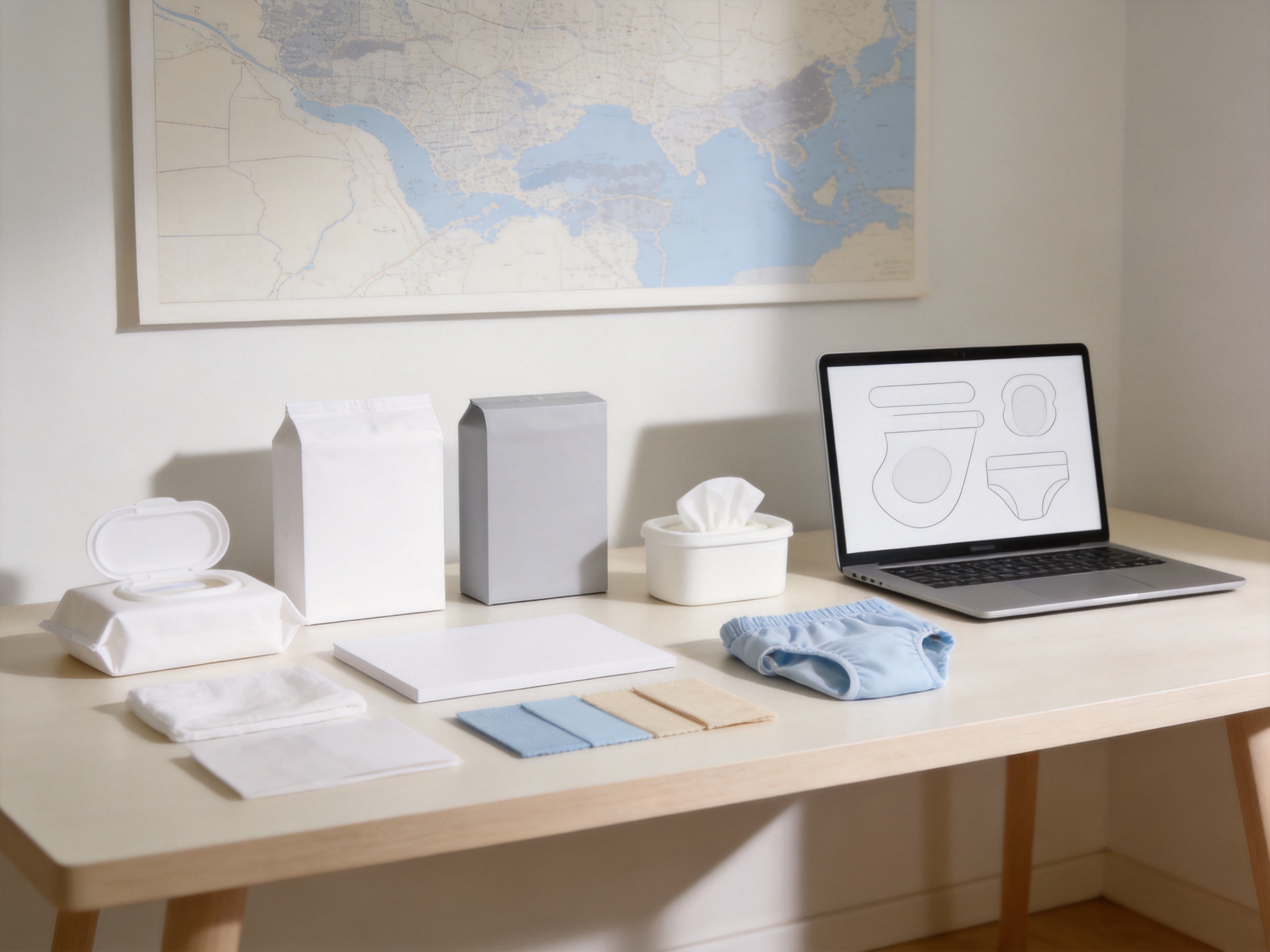
Premium diapers can be developed for different stages of infant and toddler growth. Newborns need soft, gentle, and skin-friendly diapers that protect delicate skin. Infants need reliable absorption and dryness because they urinate frequently. Crawling babies need flexible diapers that do not restrict movement. Toddlers need stronger fit, leakage protection, and sometimes pull-up style training pants that support independence. A complete premium baby care line should consider these changing needs.
Growing training pants are especially important for older babies and toddlers. They must be easy to pull up and down, comfortable around the waist, and absorbent enough for transitional toilet training. A manufacturer that produces both diapers and training pants can help brand owners create a consistent product family. This supports brand loyalty as babies grow and parents move from one product stage to another.
How Premium Diapers Support Better Sleep
Nighttime comfort is one of the most important selling points for premium diapers. Sleep interruptions caused by wetness or leakage can affect both babies and caregivers. A high-quality nighttime diaper should absorb multiple wettings, keep the surface dry, fit securely in different sleeping positions, and resist back and side leakage. Thinness remains important because an overly bulky nighttime diaper can feel uncomfortable, but absorption capacity must not be sacrificed.
Premium core design helps solve this challenge. Fast intake reduces pooling on the surface. Distribution technology spreads liquid away from the initial wetting zone. Strong absorbent polymer locks liquid inside. A stable core reduces bunching and sagging. Soft waist and leg structures maintain comfort during long wear. These features combine to create a more peaceful overnight experience and improve caregiver satisfaction.
The Role of Packaging and Presentation
Packaging is part of the premium experience. It protects product cleanliness, communicates brand positioning, and helps consumers understand key benefits. For private label diapers, packaging may emphasize ultra-thin design, dry surface technology, softness, breathability, nighttime protection, or sensitive-skin comfort. Clear size information and usage guidance help reduce incorrect sizing, which is one of the common causes of leakage.
Manufacturers with OEM and ODM capability can support customized packaging formats for supermarkets, e-commerce, mother-and-baby stores, pharmacies, and wholesale channels. E-commerce packaging may need stronger outer protection for delivery. Retail packaging may need shelf impact and clear product differentiation. Export packaging may need multilingual labeling and compliance with destination market expectations. Premium diaper success depends on both product performance and professional presentation.
Why Manufacturing Experience Matters
More than thirty years of industrial experience gives a manufacturer valuable knowledge that cannot be created overnight. Experience helps teams understand raw material behavior, machine performance, customer requirements, market trends, and quality risks. It also supports faster problem-solving. When developing premium diapers, engineers may need to adjust core ratios, layer structures, elastic tension, adhesive patterns, or packaging methods. A mature manufacturer can make these adjustments with greater confidence.
Kingsafe & Uniquality’s long-term development in nonwovens and hygiene products provides a strong foundation for diaper manufacturing. The company’s enterprise spirit emphasizes dedication, innovation, inclusiveness, delicacy, and cooperation. These values align with premium diaper development, where attention to detail and partnership with customers are both essential. Premium products are not created by one material or one machine; they are created by coordinated research, production, quality control, and customer service.
Market Outlook for Premium Diapers
The premium diaper market is expected to continue growing as consumers seek products that improve comfort, health protection, and convenience. Urban families, online shoppers, and younger parents often compare product details carefully. They may read reviews, test multiple brands, and pay attention to softness, fit, and leakage performance. This creates opportunities for manufacturers and brand owners that can provide credible technical advantages and consistent quality.
At the same time, competition will remain intense. Brands must avoid relying only on advertising claims. Successful premium diapers need real performance advantages that consumers can feel. Thinness must be matched with absorption. Softness must be matched with dryness. Premium packaging must be matched with stable product quality. Manufacturers with advanced production capability, nonwoven expertise, and strong OEM support are better positioned to help brands succeed in this environment.
Q&A Section
What makes a diaper premium?
A premium diaper combines thinness, absorbency, dryness, softness, fit, leakage protection, and consistent manufacturing quality. It is designed as a complete system, not just an absorbent pad. The core, topsheet, distribution layer, backsheet, cuffs, and elastic areas all work together to improve comfort and protection.
Why are thin diapers popular?
Thin diapers are popular because they feel lighter, reduce bulk between the legs, and allow babies to move more naturally. They are also convenient for storage and travel. In a premium product, thinness is achieved through advanced core design rather than by simply reducing materials.
Can a thin diaper absorb enough liquid?
Yes, if it uses a well-designed absorbent core. Premium thin diapers rely on high-efficiency absorbent materials, fast acquisition layers, and improved liquid distribution. This allows the diaper to remain slim while still offering strong absorption and leakage protection.
How does a premium diaper keep the surface dry?
A premium diaper uses a skin-contact topsheet that allows liquid to pass through quickly, an acquisition layer that pulls liquid inward, and a core that locks liquid away. Low rewet performance helps prevent moisture from returning to the surface when the baby sits or moves.
Why is nonwoven material expertise important?
Nonwoven materials influence softness, breathability, strength, liquid transfer, and comfort. A manufacturer with deep nonwoven experience can select and develop materials that improve the overall diaper experience, especially for premium and private label products.
What advantages does an experienced OEM manufacturer provide?
An experienced OEM manufacturer can support product design, material selection, sample development, quality testing, packaging customization, and stable mass production. This helps private label customers create differentiated products and reduce development risk.
Are domestic premium diapers competitive with imported brands?
Yes. After years of development and innovation, leading domestic manufacturers have achieved strong quality, safety, comfort, and core technology. Many domestic premium diapers are comparable to imported products and may offer advantages in customization, cost performance, and rapid product development.
What should brand owners consider when sourcing premium diapers?
Brand owners should evaluate absorbency, dryness, softness, fit, leakage protection, material safety, production capacity, quality systems, customization capability, and the manufacturer’s technical background. A reliable supplier should provide both product performance and stable long-term cooperation.
Conclusion
Premium diapers represent the advanced direction of baby hygiene products. They solve the important consumer demand for products that are thin yet absorbent, dry yet soft, comfortable yet protective. Their performance depends on integrated design: advanced absorbent cores, soft nonwoven surfaces, breathable structures, secure elastic fit, leakage barriers, and strict quality control. Compared with ordinary diapers, premium diapers deliver a better wearing experience and stronger confidence for both babies and caregivers.
The manufacturing foundation behind these products is equally important. Zhejiang Uniquality Nursing Products Technology Co., Ltd., supported by the industrial strength of Kingsafe & Uniquality, brings decades of nonwoven expertise, advanced international equipment, multiple production bases, OEM and ODM capability, and a strong commitment to innovation. These strengths allow the company to develop premium diapers and related baby care products that meet the needs of modern families, retailers, distributors, and private label brands. In a market where consumers expect comfort, safety, and reliable performance, advanced manufacturing and material science are the true basis of long-term competitiveness.
References
1. International Organization for Standardization. ISO 9001 Quality Management Systems: Requirements.
2. EDANA. Guidelines for Absorbent Hygiene Products and Nonwoven Material Performance Evaluation.
3. INDA, Association of the Nonwoven Fabrics Industry. Nonwovens Handbook and Hygiene Product Material Guidance.
4. ASTM International. Standard Test Methods Related to Absorbent Materials, Nonwoven Fabrics, and Hygiene Products.
5. World Health Organization. Guidance on Infant Hygiene, Skin Health, and Safe Care Practices.
6. China Nonwovens and Industrial Textiles Association. Industry Reports on Nonwoven Materials and Hygiene Product Development.