中文简体
中文简体 English
 日本語
日本語 русский
 Español
The global demand for effective respiratory protection has surged in recent years, driven by public health concerns, industrial safety needs, and increasing awareness of airborne contaminants. At the core of high-performance disposable masks lies a critical material: PP spunbond nonwoven fabric. This versatile material has emerged as the gold standard for mask production, outperforming traditional alternatives in filtration efficiency, breathability, and hygiene. In this article, we explore the unique properties of PP spunbond nonwoven fabric for masks, its manufacturing innovations, and the industry-leading strengths that make it a preferred choice for global brands and medical institutions.
What Is PP Spunbond Nonwoven Fabric for Masks?
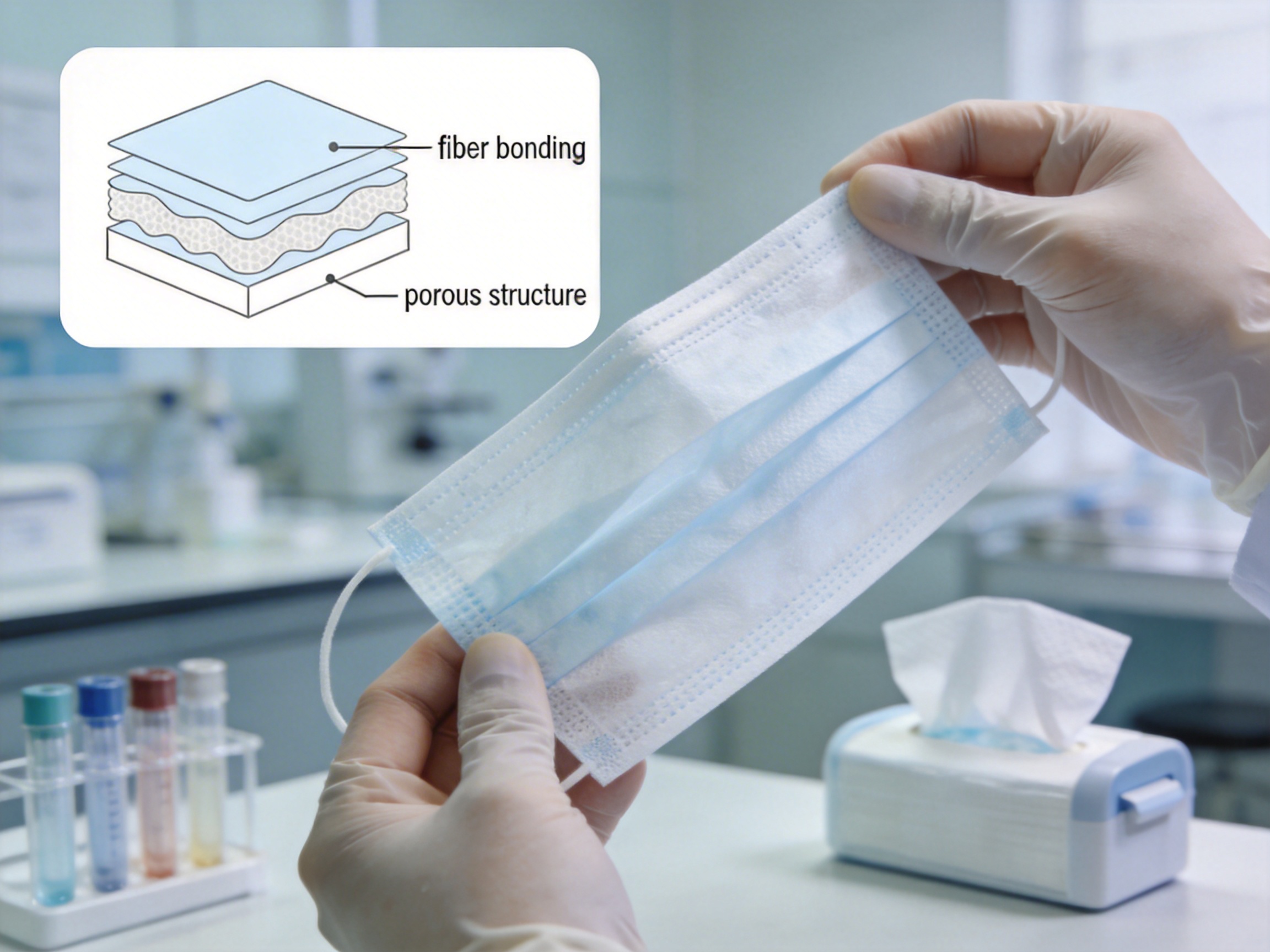
PP spunbond nonwoven fabric is a synthetic material made from polypropylene (PP) resin, processed through a specialized spinning and bonding technique. Unlike woven or knitted fabrics, nonwovens are created by bonding fibers together without the need for weaving or knitting, resulting in a porous, lightweight structure that balances filtration and breathability. For mask applications, this fabric is engineered to meet strict performance standards, ensuring it captures airborne particles while allowing easy airflow.
Key Properties of PP Spunbond Fabric
PP spunbond fabric’s unique properties stem from its molecular structure and manufacturing process: - Lightweight: PP resin has a low density (0.9 g/cm³), making the fabric lightweight and comfortable for extended wear. - Chemical Resistance: Resistant to most acids, alkalis, and organic solvents, ensuring durability in various environments. - Thermal Stability: Maintains structural integrity at temperatures up to 140°C, suitable for sterilization processes (e.g., ethylene oxide). - Porous Structure: Controlled fiber distribution creates uniform pores that trap particles while allowing air to pass through. - Customizability: Can be modified with finishing treatments to enhance specific properties (e.g., antibacterial, antistatic).
Advantages Over Traditional Mask Materials
PP spunbond fabric outperforms traditional mask materials like cotton, woven polypropylene, and other nonwovens in several key areas, making it the optimal choice for modern respiratory protection.
1. Superior Filtration Efficiency
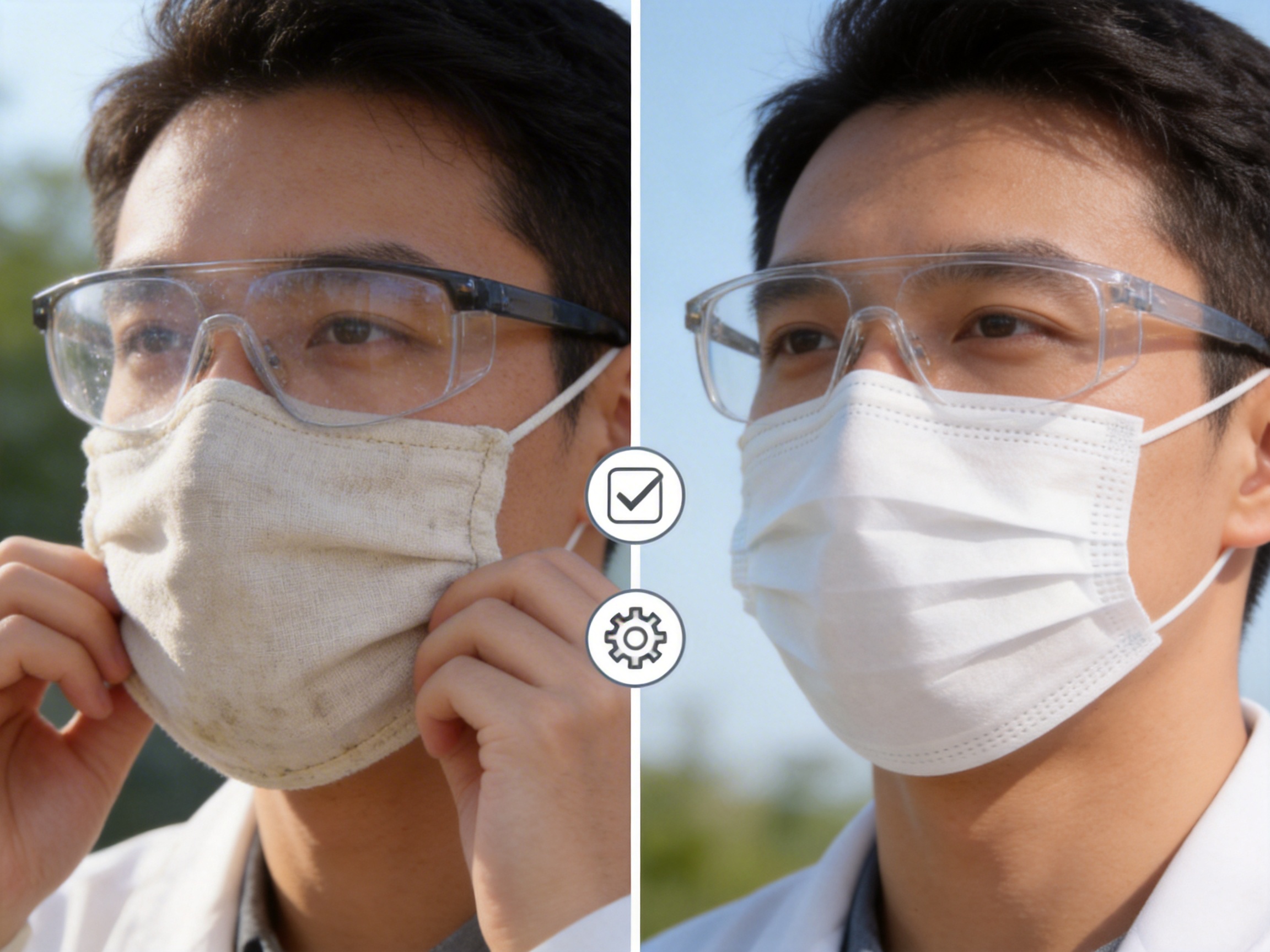
Traditional cotton masks rely on physical filtration (trapping particles in fiber gaps) but lack consistency in pore size, leading to variable particle capture. PP spunbond fabric, by contrast, uses a controlled spinning process to produce fibers with uniform diameters (1–5 microns) and a consistent porous structure. This allows it to capture 95% or more of airborne particles (including bacteria and viruses) while maintaining breathability. For medical masks, multi-layer SSS or SSSS spunbond fabrics (three or four layers of spunbond) further enhance filtration efficiency, meeting ISO 13485 and FDA standards for surgical masks.
2. Breathability Without Compromise
A common complaint with traditional masks is poor breathability, leading to discomfort and reduced compliance. PP spunbond fabric solves this by balancing porosity and structural integrity. The SS (two-layer) spunbond fabric, for example, has a porous structure that allows air to flow freely while blocking particles. This is achieved through the bonding process: calendering (thermal bonding) creates strong fiber bonds without closing the pores, ensuring optimal airflow. In contrast, woven fabrics often have smaller pores that restrict airflow, while other nonwovens may have inconsistent pore sizes that reduce filtration.
3. Enhanced Hygiene and Safety
Reusable cotton masks require frequent washing, which can damage the fiber structure and reduce filtration efficiency over time. PP spunbond fabric is disposable, eliminating the risk of cross-contamination and ensuring consistent performance with each use. Additionally, finishing treatments like antibacterial coating inhibit the growth of bacteria and fungi on the fabric surface, further enhancing hygiene. This is critical for medical settings, where infection control is paramount.
4. Unmatched Customizability
Unlike many competitors, PP spunbond fabric can be customized to meet specific customer needs. This includes: - Gram Weight: Ranging from 8 g/m² (for lightweight masks) to 100 g/m² (for heavy-duty industrial masks). - Color: Available in white, blue, and other colors (customizable to match brand requirements). - Pattern: Standard oval dot pattern, with options for custom patterns (e.g., printed designs for consumer masks). - Finishing Treatments: Hydrophilic (for liquid absorption in wipes), antistatic (for industrial applications), and antibacterial (for medical use). - Roll Width: Up to 320 cm, allowing for efficient production of large-format mask rolls.
Advanced Manufacturing Processes
The quality of PP spunbond fabric depends on precise manufacturing processes, from raw material selection to final quality control. Leading manufacturers use state-of-the-art equipment and innovative techniques to ensure consistent, high-performance products.
1. Raw Material Selection
High-purity polypropylene resin is the foundation of quality PP spunbond fabric. Leading manufacturers source resin from reputable suppliers that meet ISO 9001 standards, ensuring low impurity levels and consistent melt flow rates (MFR). The MFR is critical: a MFR of 20–30 g/10 min is optimal for spinning fine fibers with uniform diameters. Impurities in the resin can cause fiber breakage during spinning, leading to inconsistent fabric quality.
2. Spinning and Bonding Technologies
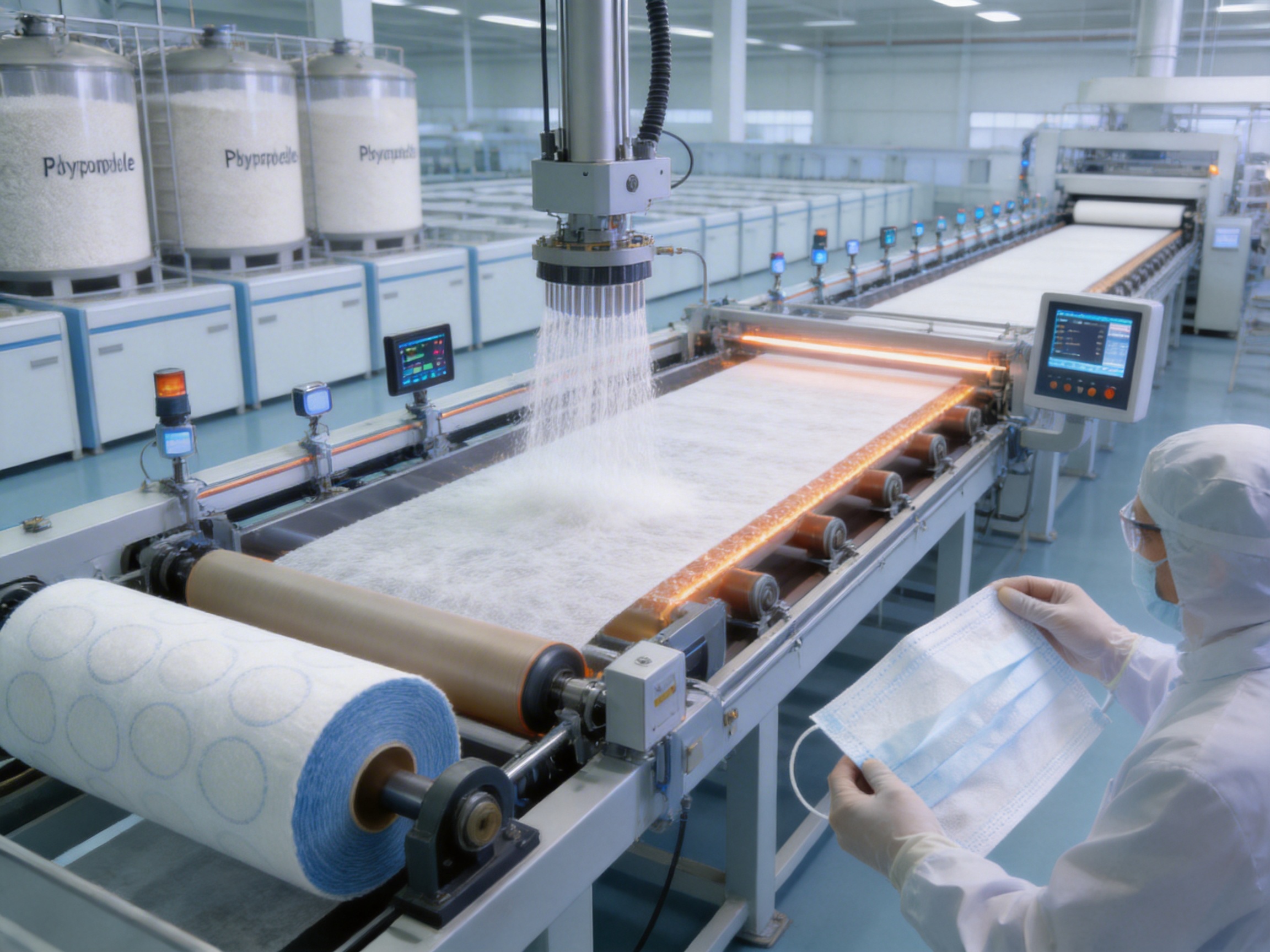
The spinning process converts PP resin into continuous fibers, which are then bonded to form the fabric. Key steps include: - Extrusion: Resin is melted and extruded through a spinneret (a metal plate with thousands of tiny holes) to form continuous filaments. - Drawing: Filaments are stretched to reduce diameter and increase strength, using air flow or mechanical rollers. - Laying: Filaments are laid onto a moving conveyor belt to form a uniform web. - Bonding: The web is bonded using thermal calendering (SS/SSS/SSSS), which uses heated rollers to melt and fuse the fiber intersections. This creates a strong, stable fabric with consistent porosity.
3. Finishing Treatments
Finishing treatments enhance the fabric’s performance for specific applications: - Hydrophilic Treatment: A water-based coating that modifies the fabric’s surface to attract and absorb liquids, ideal for cleaning wipes and baby wipes. - Antistatic Treatment: A coating that reduces static electricity, preventing dust buildup and improving comfort in industrial settings. - Antibacterial Treatment: A silver-based or quaternary ammonium compound coating that inhibits bacterial growth, critical for medical masks and hygiene products. - Waterproof Coating: A polyacrylate coating that makes the fabric water-resistant, suitable for outdoor masks and protective clothing.
4. Rigorous Quality Control
Quality control is integrated into every stage of production: - In-Line Testing: Automated sensors monitor fiber diameter, web uniformity, and bonding strength during production. - Laboratory Testing: Samples are tested for filtration efficiency (using ISO 16890), breathability (air permeability), tensile strength, and finishing effectiveness. - Final Inspection: Finished rolls are inspected for defects (e.g., holes, uneven coloring) before shipment. - Certification: Products are tested to meet international standards (ISO 13485, FDA, CE) for medical applications.
Industry-Leading Manufacturing Strengths
The success of PP spunbond fabric for masks is closely tied to the manufacturing capabilities of the company producing it. Leading manufacturers combine global production networks, technological investments, and R&D innovation to deliver consistent, high-quality products.
1. Global Production Bases
A key strength is the presence of multiple production bases across strategic regions. For example, a leading manufacturer has 8 production bases in China (Changxing, Foshan, Nantong, Wuhan), allowing for local supply to domestic and international markets. This reduces logistics costs, shortens lead times, and ensures timely delivery to customers in Asia, Europe, and North America. Each base is equipped with the same advanced equipment and follows uniform quality standards, ensuring consistent product quality across all locations.
2. Technological Investments
Leading manufacturers invest heavily in state-of-the-art equipment from global leaders. For example: - Spinning Lines: German Reifenhäuser spinning lines produce fine fibers with uniform diameters (1–3 microns) and high production efficiency (up to 1,000 kg/hour). - Bonding Calenders: French-made calenders provide precise temperature control (120–150°C) for uniform bonding, ensuring consistent fabric strength. - Finishing Machines: Italian finishing lines apply coatings with high precision, ensuring uniform coverage without compromising breathability. These investments allow manufacturers to produce high-quality fabric at scale, meeting the demands of global customers.
3. R&D Innovation
As a national high-tech enterprise, the manufacturer has a dedicated R&D team of 50+ engineers and scientists. The team collaborates with universities (e.g., Zhejiang University) and research institutions to develop new technologies and improve existing processes. Recent innovations include: - Flushable PP Spunbond Fabric: A biodegradable variant that breaks down in water, reducing environmental impact. - High-Filtration SSSS Fabric: A four-layer spunbond fabric that meets KN95 and FFP2 standards for respiratory protection. - Antiviral Finishing: A new coating that inactivates 99% of viruses (including COVID-19) on contact.
4. Compliance and Certifications
The manufacturer holds key certifications that validate its product quality: - ISO 9001: Quality management system certification. - ISO 13485: Medical device quality management system certification. - FDA: Registration for medical masks and nonwoven fabrics. - CE: Conformité Européenne certification for European markets. - OEKO-TEX Standard 100: Certification for safe, non-toxic fabrics (suitable for baby products).
5. Market Leadership
The manufacturer is a leading player in the global nonwovens industry: - Ranked top 10 in China’s nonwovens industry (first in spunbond fabric production). - Ranked top 40 globally in nonwovens manufacturing for 8 consecutive years. - Serves over 500 domestic and international customers, including well-known brands in medical, hygiene, and consumer goods.
Market Applications and Competitive Edge
PP spunbond fabric’s versatility extends beyond masks to a wide range of applications, making it a valuable material for multiple industries.
1. Mask Applications
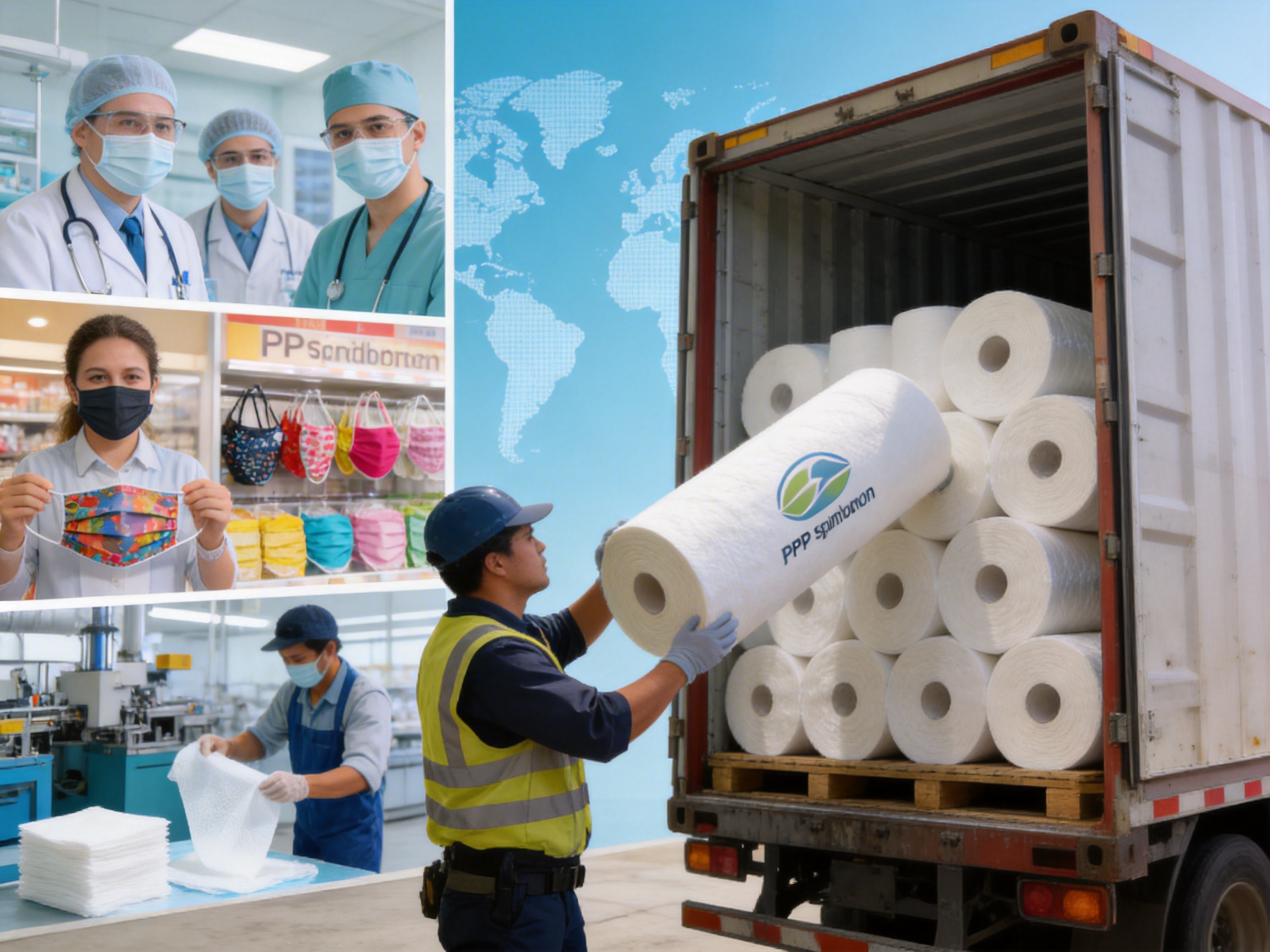
PP spunbond fabric is the primary material for: - Disposable Medical Masks: Used in hospitals and clinics for infection control. - Surgical Masks: Three-layer SSS fabric meets FDA and CE standards for surgical use. - KN95/FFP2 Masks: Four-layer SSSS fabric provides high filtration efficiency (95%+). - Consumer Masks: Customizable colors and patterns for daily use.
2. Beyond Masks: Other Key Applications
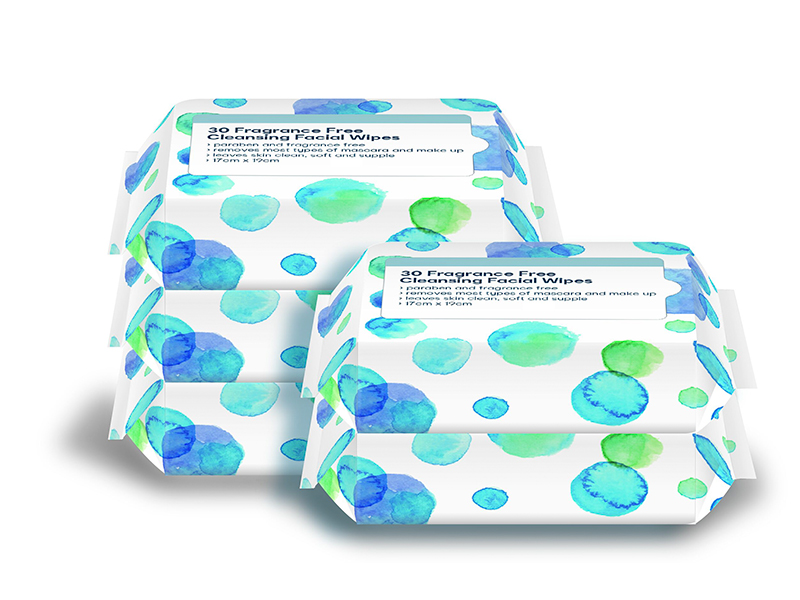
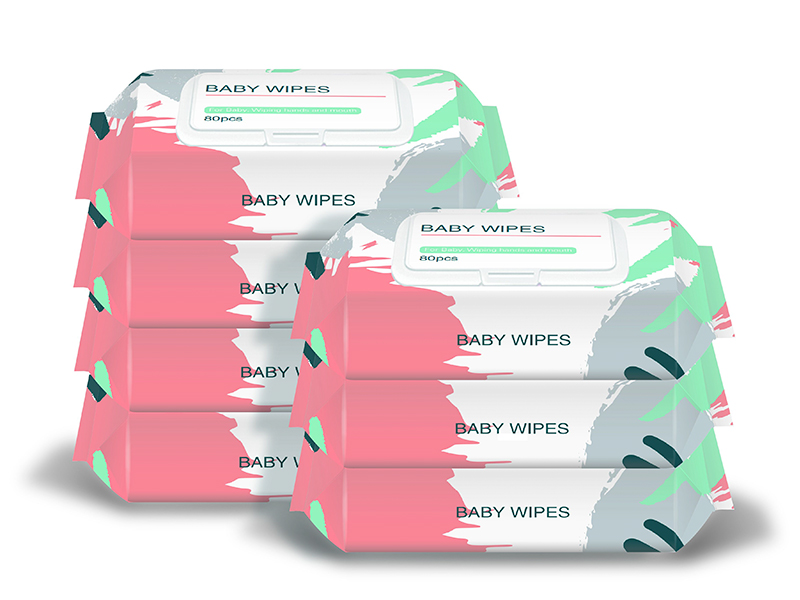
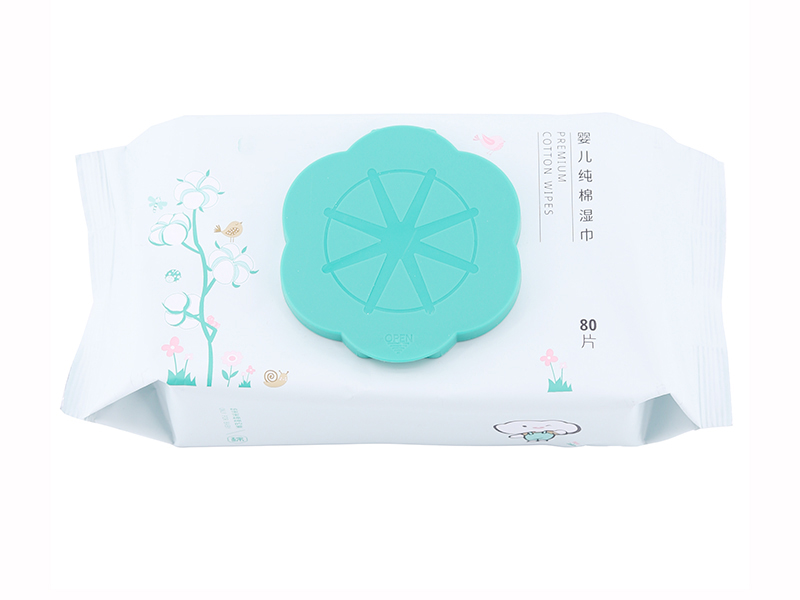
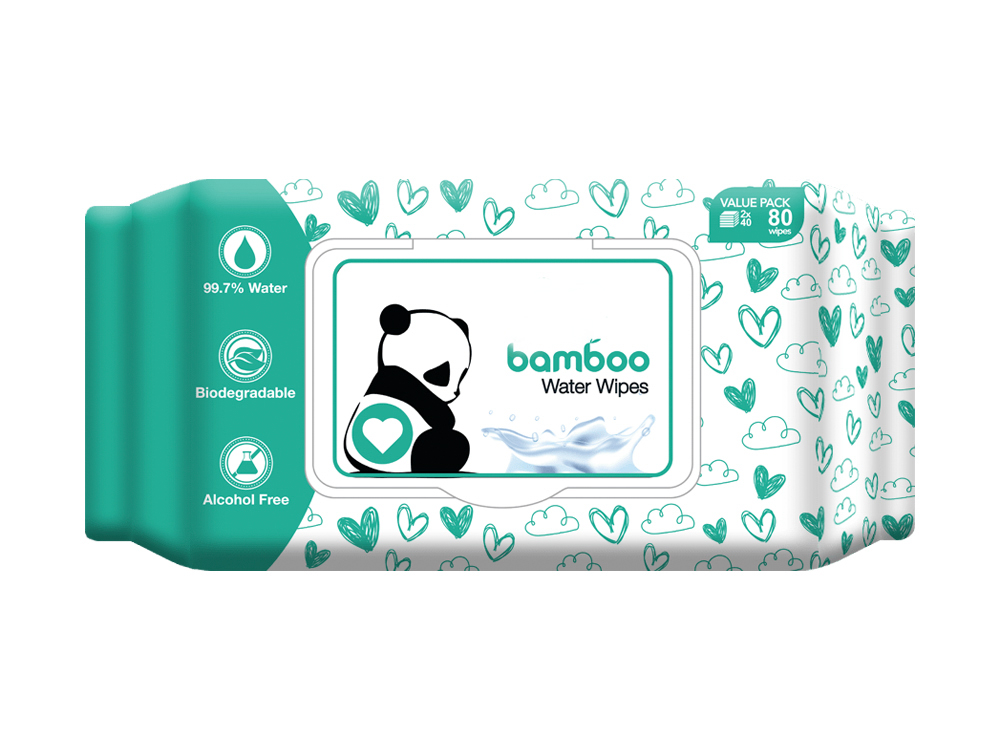
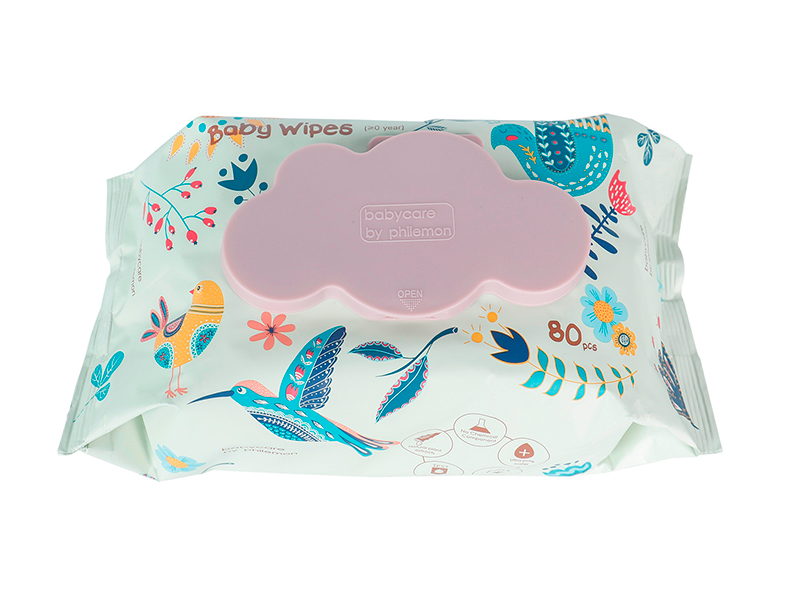
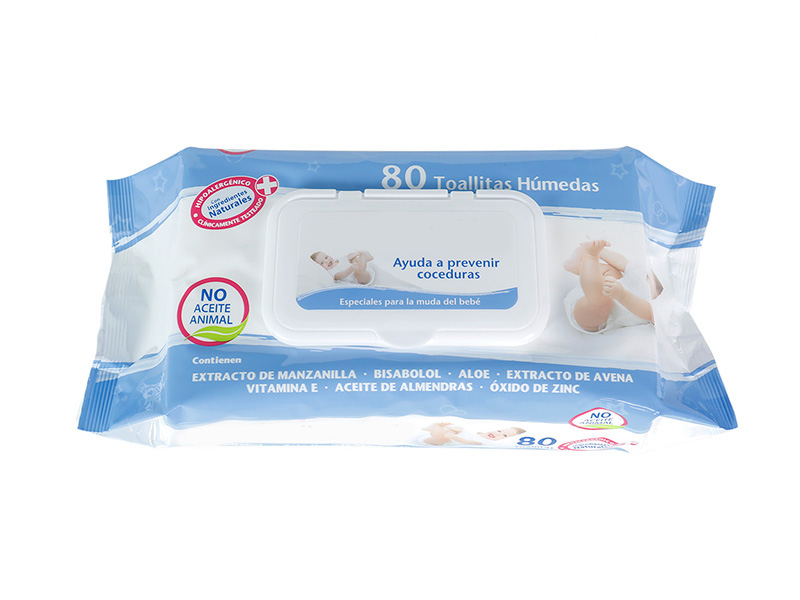
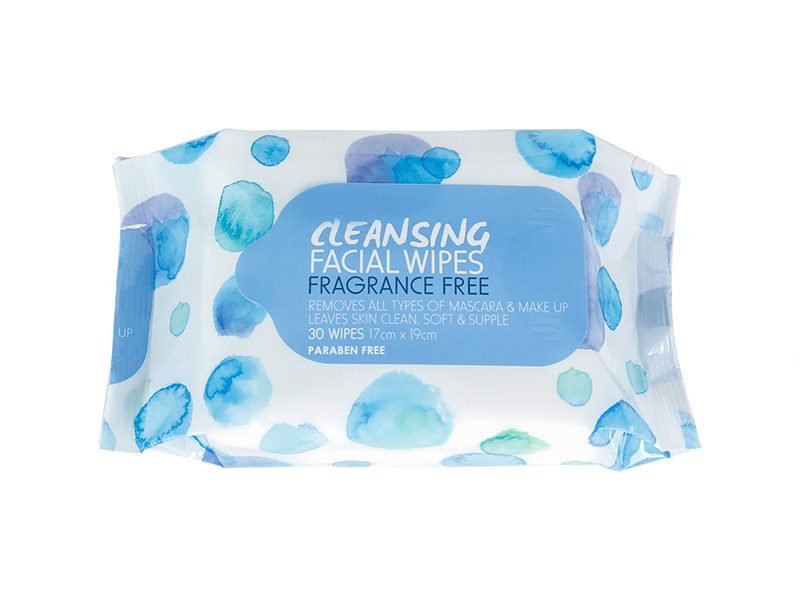
The fabric’s customizability makes it suitable for: - Cleaning Wipes: Hydrophilic finishing for liquid absorption (used in household and industrial cleaning). - Baby Wipes: Soft, non-toxic fabric with antibacterial finishing (OEKO-TEX certified). - Industrial Wipes: Antistatic finishing for electronics cleaning. - Protective Clothing: Waterproof coating for medical gowns and industrial coveralls.
3. Competitive Edge: OEM/ODM Services
A key competitive advantage is the ability to provide OEM/ODM services. Customers can customize: - Product Specifications: Gram weight, roll width, color, pattern. - Finishing Treatments: Antibacterial, antistatic, hydrophilic. - Private Labeling: Custom packaging and branding for end products. This allows customers to differentiate their products in the market and meet specific consumer needs.
Q&A Section
Below are answers to common questions about PP spunbond nonwoven fabric for masks:
Q1: What is the difference between SS, SSS, and SSSS spunbond fabrics?
A: SS (two-layer) fabric is lightweight and breathable, ideal for daily masks. SSS (three-layer) fabric adds extra strength and filtration, suitable for medical masks. SSSS (four-layer) fabric provides high filtration efficiency (95%+), meeting KN95/FFP2 standards.
Q2: Can PP spunbond fabric be used in medical-grade masks?
A: Yes. Three-layer SSS or four-layer SSSS spunbond fabrics meet ISO 13485, FDA, and CE standards for medical masks (surgical and KN95).
Q3: Is the fabric biodegradable?
A: Standard PP spunbond fabric is not biodegradable, but the manufacturer offers a flushable, biodegradable variant that breaks down in water within 30 days.
Q4: What certifications does the fabric have?
A: The fabric is certified to ISO 9001, ISO 13485, FDA, CE, and OEKO-TEX Standard 100.
Q5: Can the fabric be customized for specific customer needs?
A: Yes. Customers can customize gram weight, roll width, color, pattern, and finishing treatments (e.g., antibacterial, antistatic).
Q6: What is the minimum order quantity (MOQ) for custom orders?
A: The MOQ for custom orders is 1,000 kg, which is flexible for small and large customers.
Q7: How does the manufacturer ensure consistent quality across production bases?
A: All production bases use the same advanced equipment and follow uniform quality standards. In-line testing and laboratory analysis are conducted at each base to ensure consistency.
Q8: What is the shelf life of the fabric?
A: The fabric has a shelf life of 2 years when stored in a dry, cool environment (temperature < 25°C, humidity < 60%).
Q9: Is the fabric safe for sensitive skin?
A: Yes. The fabric is OEKO-TEX certified, meaning it is free from harmful chemicals (e.g., formaldehyde, heavy metals) and safe for sensitive skin.
Q10: How does the fabric perform in terms of breathability?
A: The fabric has high air permeability (50–200 L/m²/s) depending on the gram weight, ensuring comfortable wear for extended periods.
References
1. Nonwovens Industry Association. (2023). Global Nonwoven Fabrics Market Report: Focus on Medical Applications. Washington, DC: Nonwovens Industry Association.
2. World Health Organization. (2022). Guidelines for the Selection and Use of Medical Masks. Geneva: World Health Organization.
3. European Disposables and Nonwovens Association (EDANA). (2023). Technical Specifications for Spunbond Nonwovens in Healthcare. Brussels: EDANA.
4. Smith, J. et al. (2021). Evaluation of PP Spunbond Fabric Filtration Efficiency for Respiratory Protection. Journal of Industrial Textiles, 51(3), 456–472.
5. Zhang, L. et al. (2022). Innovations in Spunbond Nonwovens for Medical Applications. Chinese Journal of Nonwovens, 18(2), 12–20.
Product Specifications Table
| Specification | Details |
|---|---|
| Composition | 100% Polypropylene (PP) |
| Manufacturing Technology | SS (2-layer), SSS (3-layer), SSSS (4-layer) spunbond |
| Pattern | Oval dot (customizable patterns available) |
| Color Options | White, blue, black, green (customizable) |
| Gram Weight Range | 8 g/m² to 100 g/m² (±5% tolerance) |
| Roll Width Range | 10 cm to 320 cm (customizable) |
| Finishing Treatments | Hydrophilic, antibacterial, antistatic, waterproof coating |
| Filtration Efficiency | Up to 99% (for SSSS fabric, meeting KN95 standards) |
| Air Permeability | 50–200 L/m²/s (depending on gram weight) |
| Certifications | ISO 9001, ISO 13485, FDA, CE, OEKO-TEX Standard 100 |
This article has explored the key properties, manufacturing innovations, and market strengths of PP spunbond nonwoven fabric for masks. As a versatile, high-performance material, it continues to lead the way in respiratory protection and hygiene applications, supported by industry-leading manufacturing capabilities and customer-centric services.