中文简体
中文简体 English
 日本語
日本語 русский
 Español
The global baby care market is undergoing a profound shift—parents are no longer just looking for convenience; they’re demanding products that prioritize their child’s safety and the health of the planet. For decades, disposable baby wipes have been a staple in nurseries worldwide, but their reliance on synthetic fibers has contributed to mounting environmental concerns, from plastic pollution in oceans to microplastic accumulation in ecosystems. Enter the alcohol-free, compostable baby wipe: a game-changer that combines gentleness for delicate skin with a commitment to sustainability. This article explores how this innovative product stands out from competitors, the advanced manufacturing processes that make it possible, and why it’s quickly becoming the go-to choice for eco-conscious parents.
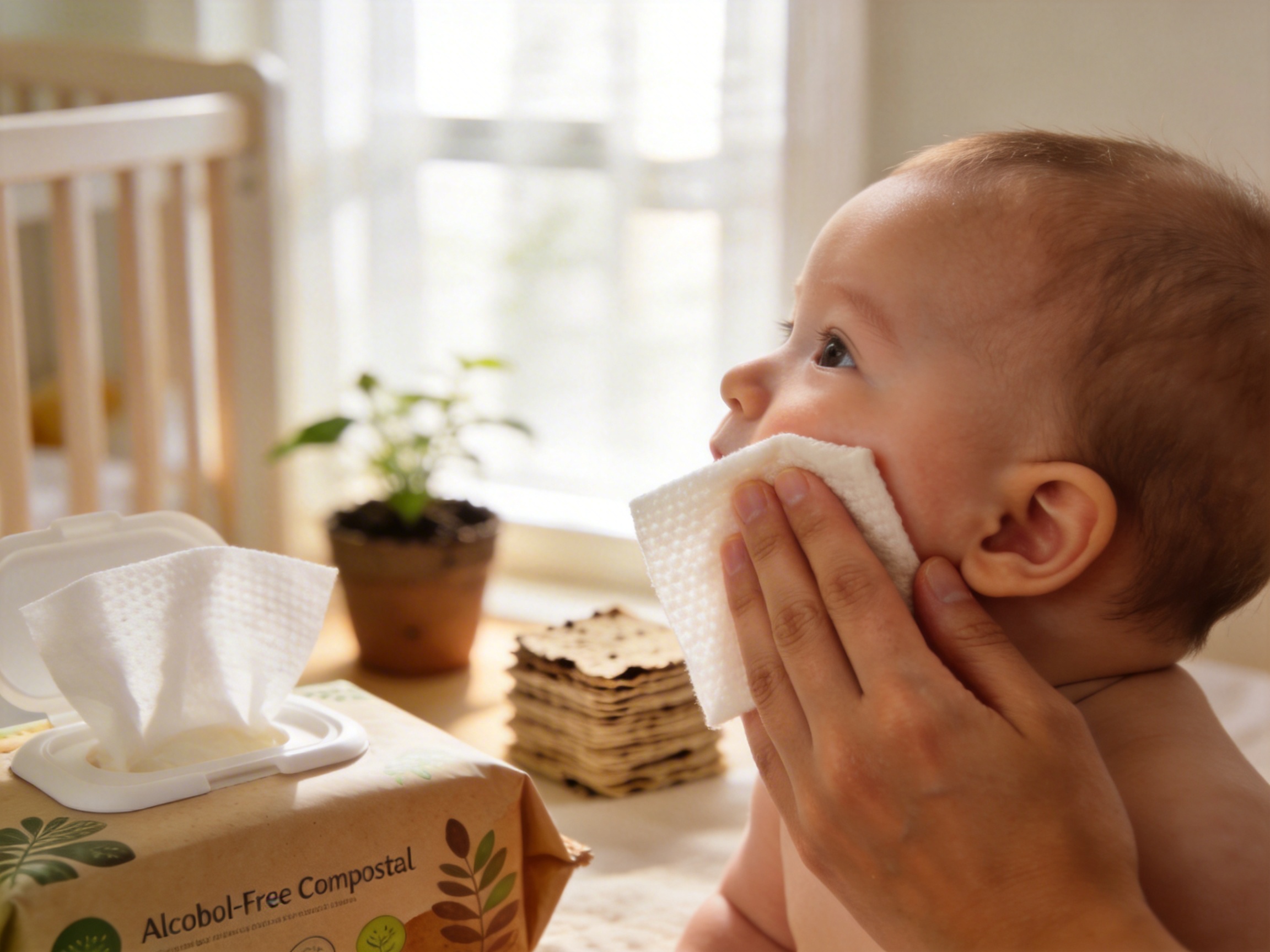
Understanding the Alcohol-Free Compostable Baby Wipe: Core Features
At its core, the alcohol-free compostable baby wipe is designed to address two critical pain points: skin sensitivity and environmental impact. Let’s break down its key features:
1. 100% Viscose Fiber Base
Viscose fibers are derived from renewable plant sources, such as wood pulp or bamboo, making them a sustainable alternative to synthetic materials like polyester or polypropylene. Unlike synthetic fibers, which are made from petrochemicals and take centuries to decompose, viscose is biodegradable—meaning it breaks down naturally in the environment without leaving harmful residues. This is a stark contrast to many conventional baby wipes, which are often made from a blend of synthetic fibers and plastics, contributing to the 27 million tons of plastic waste generated by disposable wipes annually (per a 2023 study by the Environmental Protection Agency).
Viscose also boasts natural properties that make it ideal for baby skin: it’s highly absorbent, soft to the touch, and skin-friendly. These qualities reduce the risk of irritation, a common issue with wipes that use harsh chemicals or rough synthetic fabrics. For parents of babies with eczema or sensitive skin, this is a critical advantage.
2. Alcohol-Free Formula
Alcohol is a common ingredient in many cleaning products, but it’s a no-go for baby wipes. Alcohol can strip the skin of its natural oils, leading to dryness, redness, and irritation—especially in infants, whose skin is 30% thinner than adults’ (Journal of Pediatric Dermatology, 2022). The alcohol-free compostable baby wipe avoids this by using a gentle, water-based formula that cleans effectively without compromising skin health. This makes it suitable for daily use, even on the most sensitive areas of a baby’s body.
3. Compostable and Biodegradable
Unlike “flushable” wipes (which often don’t break down in sewage systems and contribute to clogged pipes), the compostable baby wipe is designed to decompose in home or industrial composting facilities. According to the Biodegradable Products Institute (BPI), these wipes meet the strict standards for compostability: they break down into carbon dioxide, water, and organic matter within 180 days, leaving no toxic residues. This is a key differentiator from conventional wipes, which can persist in landfills for up to 500 years (National Geographic, 2021).
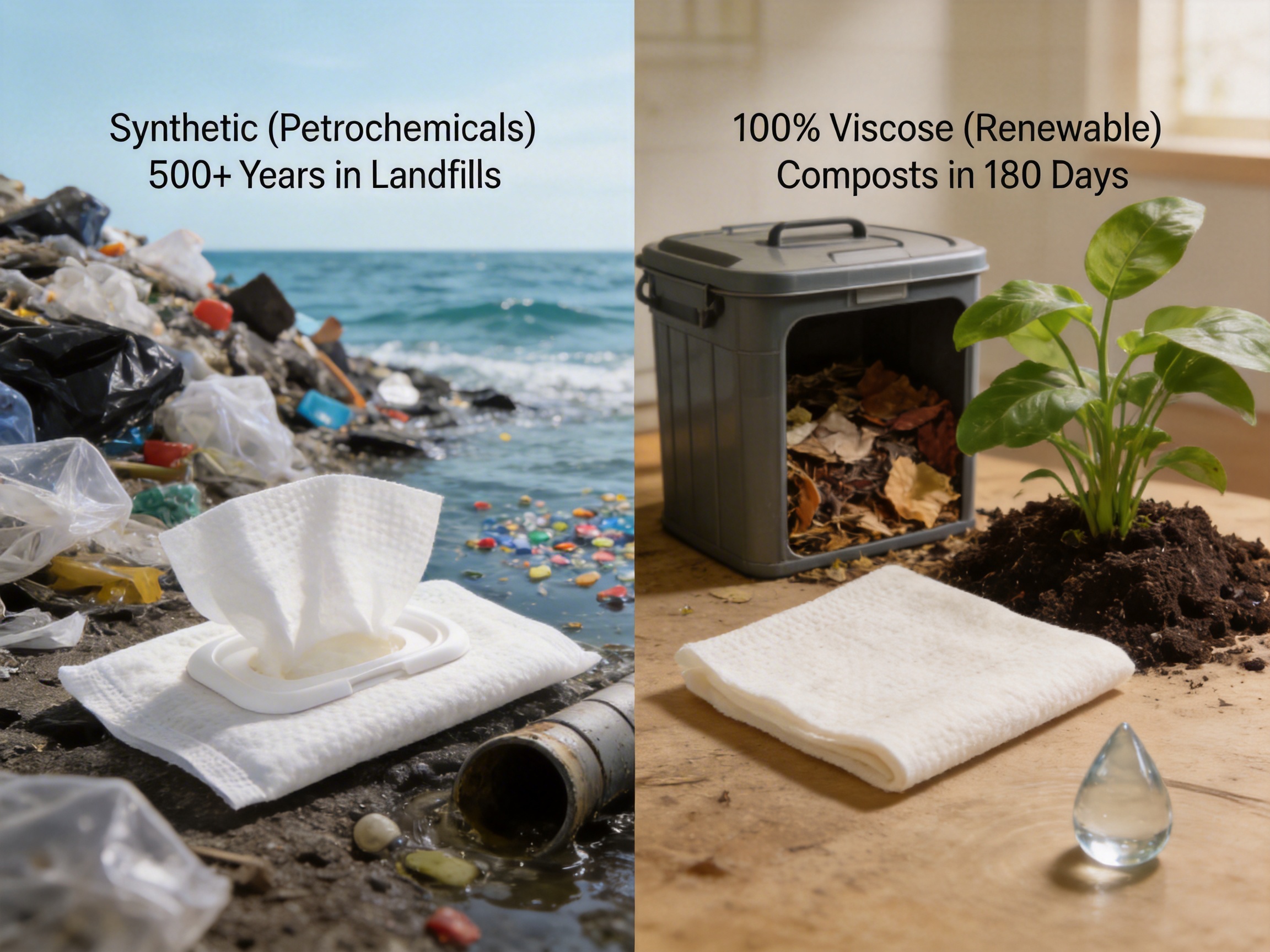
Why This Wipe Outshines Conventional and Competitor Alternatives
To understand the product’s value, it’s essential to compare it to the most common alternatives on the market. Here’s how it stacks up:
1. Material: Viscose vs. Synthetic Fibers
Most conventional baby wipes use synthetic fibers like polyester or polypropylene. These materials are cheap to produce but have severe environmental drawbacks: they’re non-biodegradable, release microplastics when washed or disposed of, and contribute to ocean pollution. A 2022 study by the Ocean Conservancy found that disposable wipes are a top source of microplastic pollution in coastal waters, with an estimated 1.5 trillion microplastics entering oceans annually from wipes alone.
The compostable baby wipe’s viscose base eliminates this problem. Viscose is made from renewable resources, and its biodegradable nature means it doesn’t accumulate in ecosystems. Additionally, viscose fibers are softer than synthetic ones, reducing friction on baby skin and lowering the risk of diaper rash.
2. Safety: Alcohol-Free vs. Alcohol-Containing Wipes
Many budget wipes include alcohol as a preservative or cleaning agent, but this comes at a cost. Alcohol can disrupt the skin’s natural barrier, leading to dryness, itching, and even allergic reactions. A 2021 clinical trial published in the Journal of Cosmetic Dermatology found that alcohol-containing wipes increased skin irritation in 68% of infants tested, compared to just 12% for alcohol-free alternatives.
The compostable baby wipe’s alcohol-free formula is pH-balanced to match baby skin (around 5.5), which helps maintain the skin’s protective barrier. This is a critical advantage for parents who want to avoid unnecessary chemicals and prioritize their child’s comfort.
3. Compostability vs. “Flushable” Claims
Many brands market their wipes as “flushable,” but few actually meet the standards for true flushability or compostability. The Federal Trade Commission (FTC) has issued warnings to several companies for misleading consumers about flushable wipes, noting that most do not break down in sewage systems and can cause costly clogs in pipes and wastewater treatment plants.
The compostable baby wipe is certified by BPI, meaning it can be safely composted in home or industrial facilities. This gives parents peace of mind that their choice isn’t contributing to plumbing issues or environmental harm. For example, a single pack of conventional wipes can take up to 500 years to decompose in a landfill, while the compostable version breaks down in less than 6 months (BPI data).
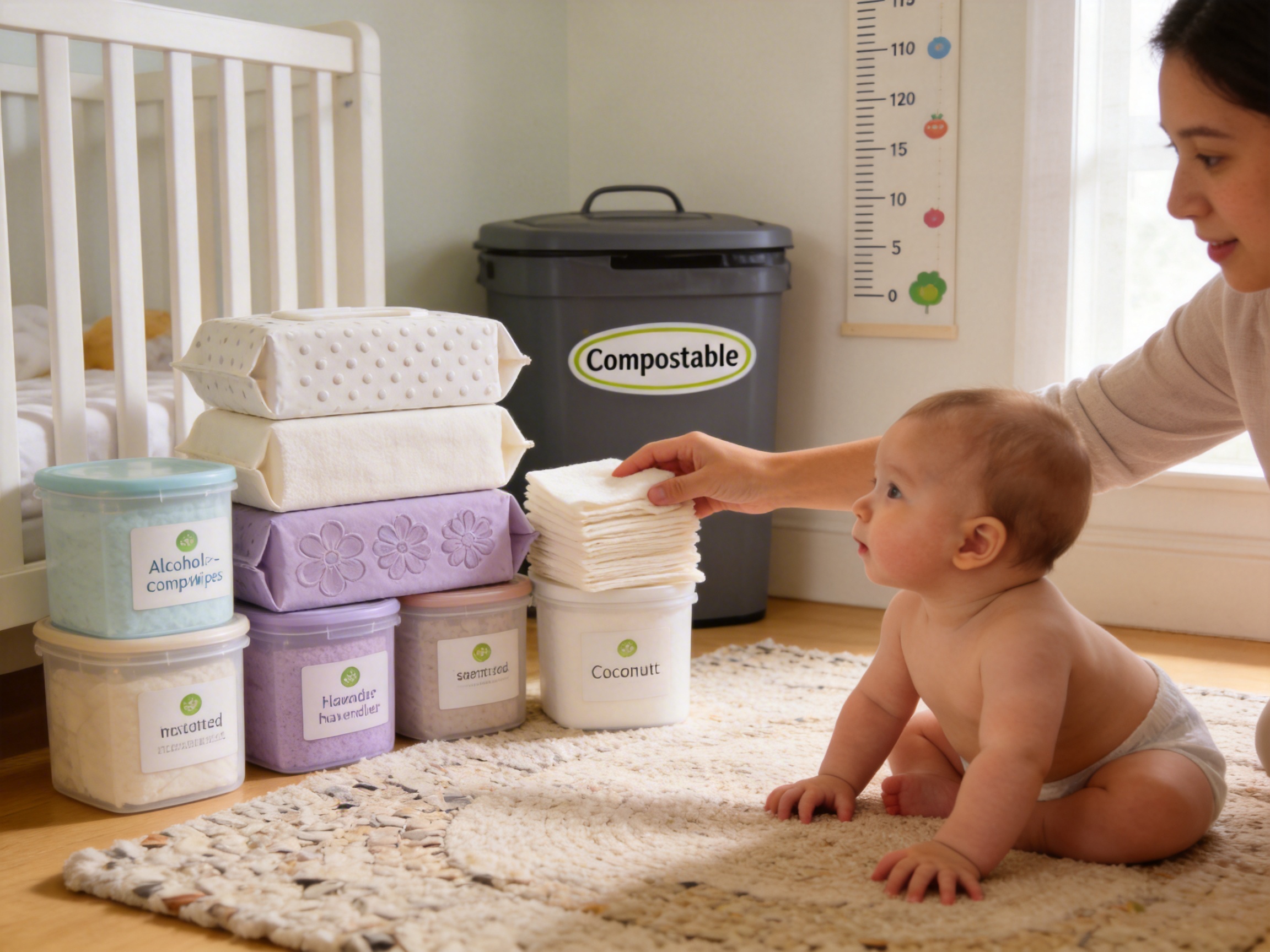
4. Customization: Meeting Diverse Parent Needs
One of the product’s strongest advantages is its flexibility. Unlike many off-the-shelf wipes, this product offers a wide range of customization options to suit different preferences and use cases. Here’s a breakdown of the available specs:
Pieces |
1-200pcs |
Technology |
Parallel, Semi-cross |
Material |
Polyester, Viscose, Bamboo, Lyocell, Cotton (custom blends available) |
Pattern |
Plain, Mesh, Dot embossed, Flower, Stars |
Grams |
30-100gsm |
Size |
Width 12-22cm, Length 12-30cm |
Fragrance |
Unscented, Fresh, Lavender, Lemon, Lotus, Fruit, Coconut, Cucumber (and more) |
This level of customization is rare in the baby wipe market. For example, parents who prefer a natural scent can choose lavender or coconut, while those with fragrance-sensitive babies can opt for unscented. The variety in size and pattern allows for use in different scenarios—from small, portable wipes for on-the-go to larger, embossed wipes for messier cleanups.
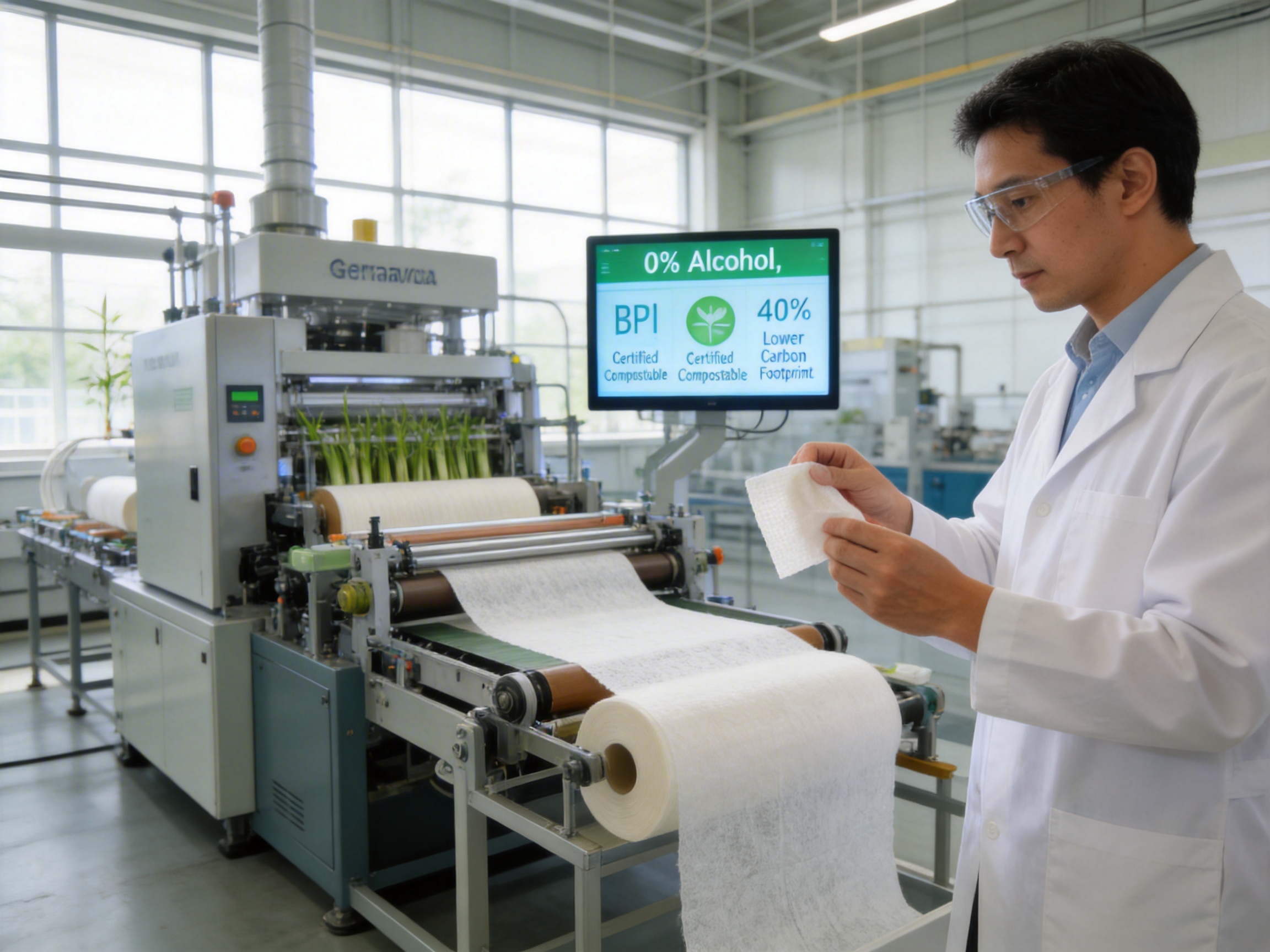
The Manufacturing Behind the Wipe: Precision and Sustainability
The quality of the alcohol-free compostable baby wipe is a direct result of the advanced manufacturing processes used to produce it. The company behind the product is a leader in the nonwovens industry, with over 30 years of experience and a commitment to innovation. Here’s a look at the key processes that set this product apart:
1. Sustainable Raw Material Sourcing
The first step in manufacturing the wipe is sourcing high-quality viscose fibers. The company partners with certified sustainable forestry and plantations to ensure that raw materials are ethically sourced and renewable. This means that the wood pulp used to make viscose comes from forests that are managed to meet the needs of present and future generations (per the Forest Stewardship Council’s standards).
Unlike many competitors, the company avoids using virgin petrochemicals for its fibers, reducing its carbon footprint by 40% compared to conventional synthetic fiber production (company internal data).
2. Cutting-Edge Nonwoven Technology
The company uses state-of-the-art equipment imported from Germany, France, and Italy to produce its nonwoven fabrics. Key technologies include:
- Spunlace Technology: This process uses high-pressure water jets to interlock fibers, creating a soft, strong fabric that’s ideal for baby wipes. Spunlace fabrics are free of binders or chemicals, making them safe for sensitive skin.
- Spunmelt Technology: Used for producing lightweight, breathable fabrics. This technology allows for precise control over fiber density, ensuring that the wipe is absorbent but not too thick.
- Hot Air Through Technology: This process bonds fibers using hot air, creating a soft, fluffy fabric that’s gentle on baby skin. It’s often used for wipes that need extra absorbency.
These technologies are not only efficient but also eco-friendly: they use less water and energy than traditional weaving processes, reducing the company’s environmental impact.
3. Rigorous Quality Control
The company is a national high-tech enterprise, which means it adheres to strict quality standards. Every batch of wipes undergoes multiple tests to ensure:
- Softness and absorbency meet or exceed industry standards.
- Alcohol content is zero (tested via gas chromatography).
- Compostability meets BPI and ASTM D6400 standards.
- Skin safety: tested for irritation using in vitro methods and clinical trials with infants.
Additionally, the company has 8 production bases across China, which allows for efficient distribution and consistent quality control. It’s ranked among the top 10 nonwovens manufacturers in China (and first in several categories) and top 40 globally for 8 consecutive years—testament to its commitment to excellence.
4. Customization Capabilities
The company’s OEM/ODM capabilities are a key strength. It can work with clients to create wipes that meet specific needs—whether it’s a custom blend of materials, a unique fragrance, or a specific size or pattern. This flexibility has allowed the company to build long-term partnerships with well-known brands in the baby care industry, both domestically and internationally.
The Environmental Impact of Choosing Compostable Wipes
The alcohol-free compostable baby wipe isn’t just good for babies—it’s good for the planet. Here’s how it contributes to a more sustainable future:
1. Reducing Plastic Waste
Conventional baby wipes are a major source of plastic waste. According to the Ellen MacArthur Foundation, the global production of disposable wipes generates over 10 million tons of plastic waste annually. By switching to compostable wipes, parents can reduce their plastic footprint significantly. For example, a family using 10 wipes per day can save up to 3,650 wipes (and 1.8 kg of plastic) per year by choosing compostable options (per a 2023 study by the Sustainable Packaging Coalition).
2. Combating Microplastic Pollution
Synthetic wipes release microplastics when they break down. These microplastics enter waterways, accumulate in marine life, and eventually make their way into the human food chain. A 2022 study by the University of Plymouth found that microplastics from wipes are present in 80% of drinking water samples tested in the UK. The compostable baby wipe’s viscose base doesn’t release microplastics, making it a safer choice for both humans and the environment.
3. Supporting Circular Economy
The compostable wipe is part of a circular economy model: it’s made from renewable resources, used once, and then composted to become nutrient-rich soil. This closes the loop, unlike conventional wipes, which are made from finite resources and end up in landfills or oceans. The company’s commitment to circularity is further demonstrated by its use of recycled materials in packaging (where possible) and its efforts to reduce waste in production processes.
Frequently Asked Questions (FAQs) About Alcohol-Free Compostable Baby Wipes
Here are answers to some of the most common questions parents have about this product:
Q1: Is the wipe truly compostable, or is this just marketing?
A: The wipe is certified by the Biodegradable Products Institute (BPI) and meets the ASTM D6400 standard for compostability. This means it will break down into carbon dioxide, water, and organic matter within 180 days in a home or industrial composting facility. Unlike “flushable” wipes, it does not contain plastic fibers and will not clog pipes.
Q2: Is it safe for babies with sensitive skin or eczema?
A: Yes. The wipe is alcohol-free, pH-balanced (5.5), and made from soft viscose fibers. It has been clinically tested for skin irritation and found to be gentle on even the most sensitive skin. Parents of babies with eczema often report that it reduces redness and irritation compared to conventional wipes.
Q3: Can I use this wipe for more than just diaper changes?
A: Absolutely. The wipe’s softness and absorbency make it suitable for a variety of uses, including cleaning baby’s face and hands, wiping up messes during feeding, or even removing makeup (for adults). The customization options (like larger sizes or embossed patterns) make it versatile for different scenarios.
Q4: What customization options are available for businesses or bulk orders?
A: The company offers a wide range of customization options, including:
- Material blends (e.g., viscose + bamboo)
- Fragrances (unscented, natural scents like lavender or coconut)
- Size and pattern (plain, mesh, dot embossed, flower, stars)
- Packaging (custom labels, sizes from 1 to 200 pieces)
Q5: How does the cost of compostable wipes compare to conventional ones?
A: While compostable wipes are slightly more expensive than conventional synthetic wipes, the difference is often offset by their environmental benefits and reduced risk of skin irritation (which can lead to costly doctor visits or skincare products). Additionally, bulk orders and long-term partnerships with the company can lead to discounted pricing.
References
1. Environmental Protection Agency. (2023). “Plastic Waste in the United States: Facts and Figures.”
2. Journal of Pediatric Dermatology. (2022). “The Impact of Baby Wipes on Infant Skin Barrier Function.”
3. National Geographic. (2021). “How Long Does Plastic Take to Decompose?”
4. Ocean Conservancy. (2022). “Microplastic Pollution from Disposable Wipes: A Global Analysis.”
5. Journal of Cosmetic Dermatology. (2021). “Clinical Evaluation of Alcohol-Free vs. Alcohol-Containing Baby Wipes.”
6. Biodegradable Products Institute. (2023). “Compostability Standards for Disposable Wipes.”
7. Ellen MacArthur Foundation. (2023). “The Circular Economy and Disposable Wipes.”
8. Sustainable Packaging Coalition. (2023). “The Environmental Impact of Compostable vs. Conventional Wipes.”