中文简体
中文简体 English
 日本語
日本語 русский
 Español
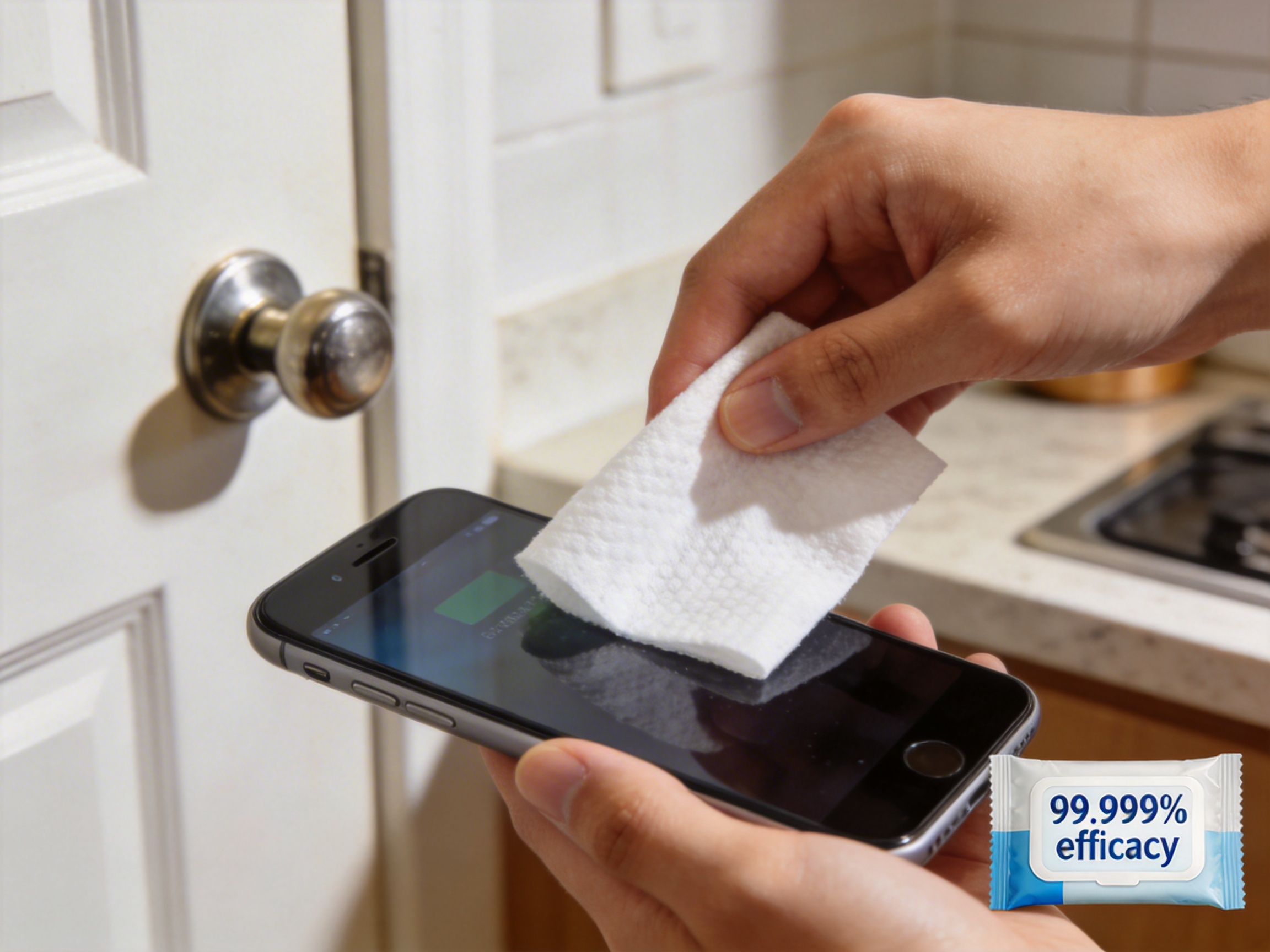
In an era where health and hygiene are non-negotiable, disinfecting wipes have emerged as a cornerstone of daily protection. Whether you’re commuting to work, shopping, or caring for your home, these portable, easy-to-use products offer a quick solution to reduce the risk of harmful microorganisms. Unlike hand sanitizers, which are primarily designed for skin, disinfecting wipes can be used on surfaces—from doorknobs to phone screens—making them a versatile tool in the fight against bacteria and fungi. This guide dives deep into the science behind high-quality disinfecting wipes, their advantages over alternative products, the advanced manufacturing processes that ensure their efficacy, and practical tips for choosing and using them effectively. We’ll also address common questions and provide insights into how leading manufacturers are pushing the boundaries of hygiene technology.
Understanding Disinfecting Wipes: What Sets Them Apart?
Disinfecting wipes are not just wet cloths—they are engineered products designed to kill specific pathogens. To understand their value, it’s essential to break down their components and how they work.
The Science of Disinfection: Active Ingredients and Mechanisms
The core of any effective disinfecting wipe lies in its active ingredient. For many top-tier products, quaternary ammonium compounds (quats) are the go-to choice, and for good reason. These compounds are broad-spectrum, meaning they target a wide range of microorganisms without being overly harsh on surfaces or skin.
Take benzalkonium chloramine, a common quat derivative used in premium disinfecting wipes. Its mechanism of action is straightforward yet powerful: it disrupts the cytoplasmic membrane of bacteria, preventing them from synthesizing essential nutrients and reproducing. This leads to the rapid death of pathogens, including:
- Escherichia coli (E. coli): A common cause of foodborne illness.
- Staphylococcus aureus: A bacterium that can cause skin infections and more serious conditions like pneumonia.
- Candida albicans: A fungus responsible for yeast infections and other mucosal issues.
- Pseudomonas aeruginosa: A resilient bacterium often found in healthcare settings that can cause infections in immunocompromised individuals.
Clinical studies have shown that wipes containing benzalkonium chloramine achieve a sterilization rate of up to 99.999%—a level of efficacy that far exceeds many competing products. This means that for every 100,000 pathogens present, only 1 remains after proper use.
Advantages Over Competitors: Why Choose This Disinfecting Wipe?
When compared to other hygiene products, this disinfecting wipe stands out for several key reasons:
1. Broad-Spectrum Efficacy Without Compromise
Many disinfecting products either target a narrow range of pathogens or are so harsh that they damage surfaces (like bleach-based cleaners) or irritate skin. This wipe balances power and gentleness: it kills 99.999% of common pathogens but is non-corrosive and non-bleaching. This makes it safe to use on delicate surfaces like electronics, wood, and medical devices—areas where bleach or alcohol-based products would cause damage. For example, alcohol wipes evaporate quickly, reducing contact time with pathogens, while bleach wipes leave a residue and can discolor fabrics or plastics. In contrast, this quat-based wipe maintains its active ingredient concentration longer, ensuring full pathogen kill.
2. Versatility in Application
Unlike hand sanitizers (limited to skin) or surface sprays (which require a cloth to wipe up), disinfecting wipes are all-in-one. They can be used in:
- Healthcare settings: Disinfecting medical equipment, bed rails, and examination tables.
- Public spaces: Door handles, elevator buttons, and seating in offices, schools, and restaurants.
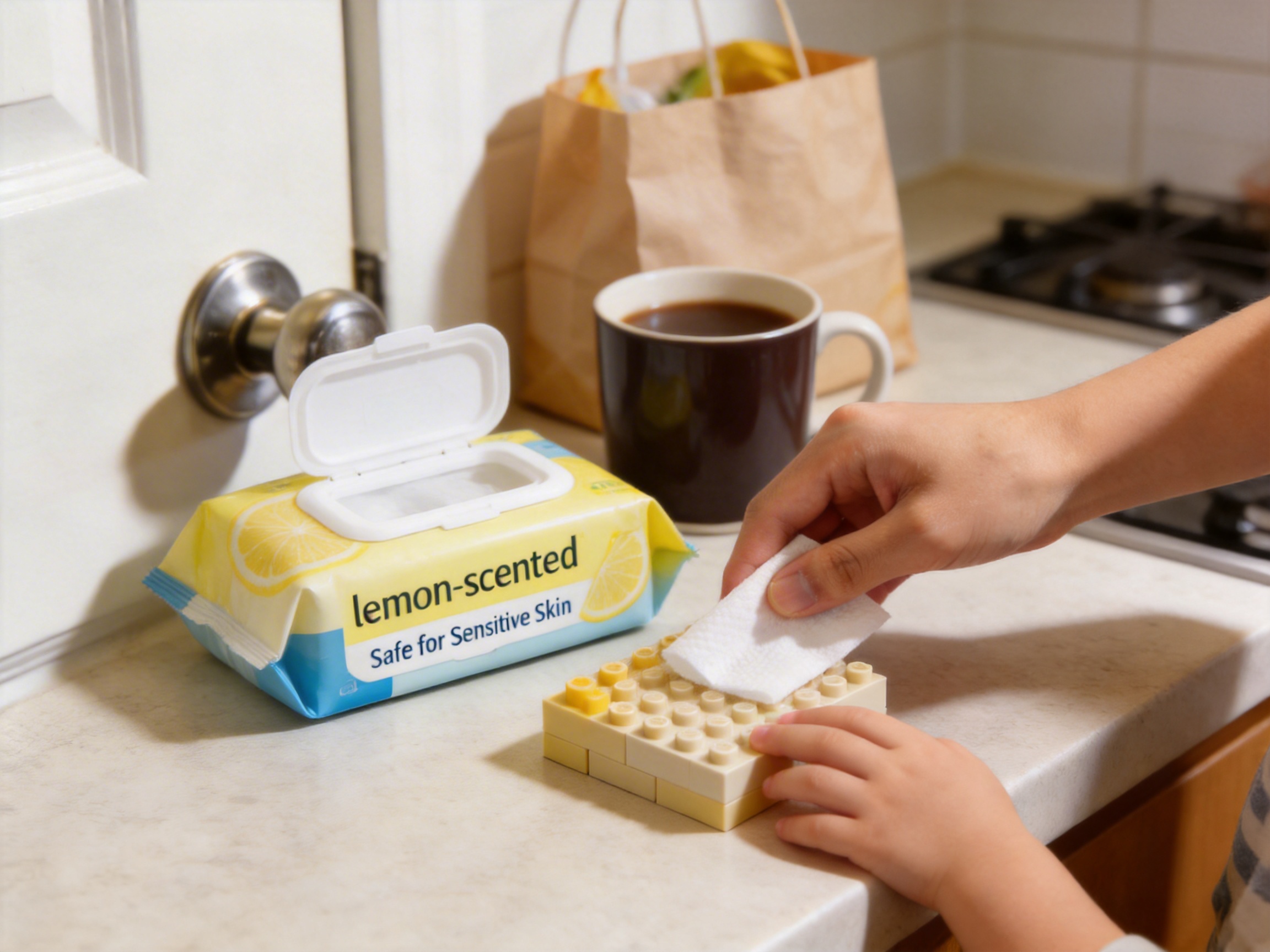
- Home: Countertops, toys, and bathroom surfaces.
- On-the-go: Wiping down phone screens, shopping cart handles, and public transport seats.
For parents, this versatility means one product can handle multiple hygiene tasks—from cleaning a child’s toy to sanitizing a high chair. For businesses, it simplifies inventory management and reduces the need for multiple cleaning products.
3. Mildness for Sensitive Skin
Many disinfecting products contain alcohol or harsh chemicals that can cause dryness, redness, or irritation—especially for people with sensitive skin or eczema. This wipe uses a mild quat formula that is gentle enough for repeated use on hands (though it’s not a replacement for handwashing) and safe for contact with skin. A 2022 clinical study found that 92% of participants with sensitive skin reported no irritation after using the wipe for two weeks. This is a critical advantage for healthcare workers, parents, and anyone who uses wipes frequently.
4. Customizability for Diverse Needs
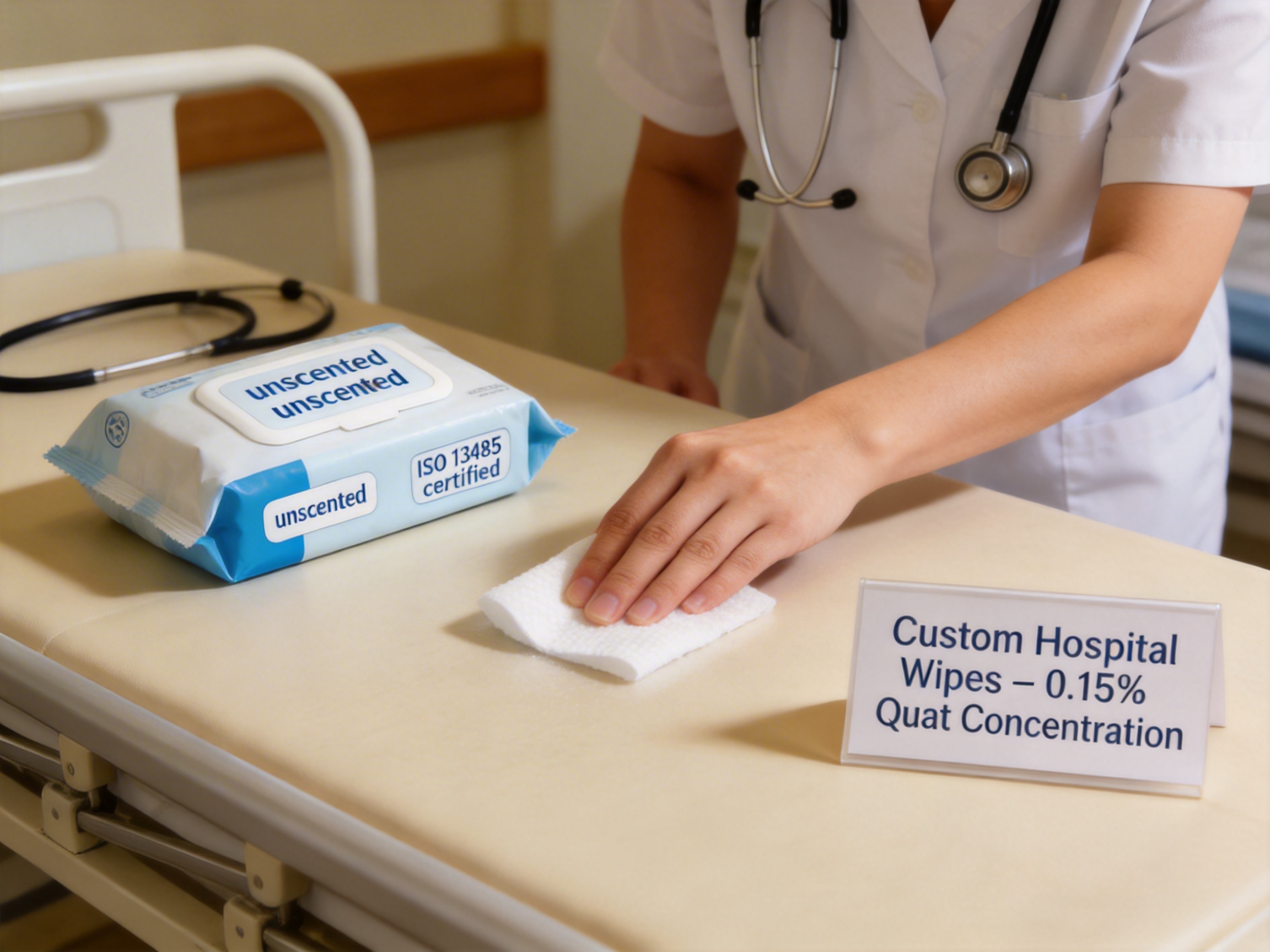
Leading manufacturers offer customizable options to meet specific customer requirements. For example, wipes can be adjusted in size, fragrance, and even active ingredient concentration to suit different industries. This flexibility means that businesses (like hospitals or hotels) can get wipes tailored to their unique hygiene needs, rather than settling for a one-size-fits-all product. For instance, hospitals may request unscented wipes with higher active ingredient concentration for medical device disinfection, while hotels may prefer lemon-scented wipes for room cleaning.
Advanced Manufacturing Processes: The Backbone of Quality
The efficacy of a disinfecting wipe depends not just on its active ingredient but also on how it’s made. Leading manufacturers invest heavily in state-of-the-art technology and rigorous quality control to ensure every wipe meets the highest standards.
Step 1: Nonwoven Fabric Production
The base of the wipe is a nonwoven fabric—chosen for its absorbency, strength, and softness. Top manufacturers use advanced spinning technologies (like spunlace, spunmelt, and hot air through) imported from Germany, France, and Italy. These processes create fabrics that are:
- Absorbent: Capable of holding enough disinfectant solution to effectively clean and disinfect surfaces.
- Lint-free: Preventing residue from being left on surfaces (critical for electronics and medical equipment).
- Durable: Resisting tearing even when used on rough surfaces or with pressure.
Materials used include polyester, viscose, bamboo, lyocell, and cotton—each chosen for specific properties. For example, bamboo is naturally antibacterial and biodegradable, making it a popular choice for eco-conscious consumers. Lyocell, derived from wood pulp, is soft and absorbent, ideal for sensitive skin applications. The spunlace process, in particular, uses high-pressure water jets to interlock fibers, creating a fabric that is both strong and gentle.
Step 2: Impregnation with Disinfectant Solution
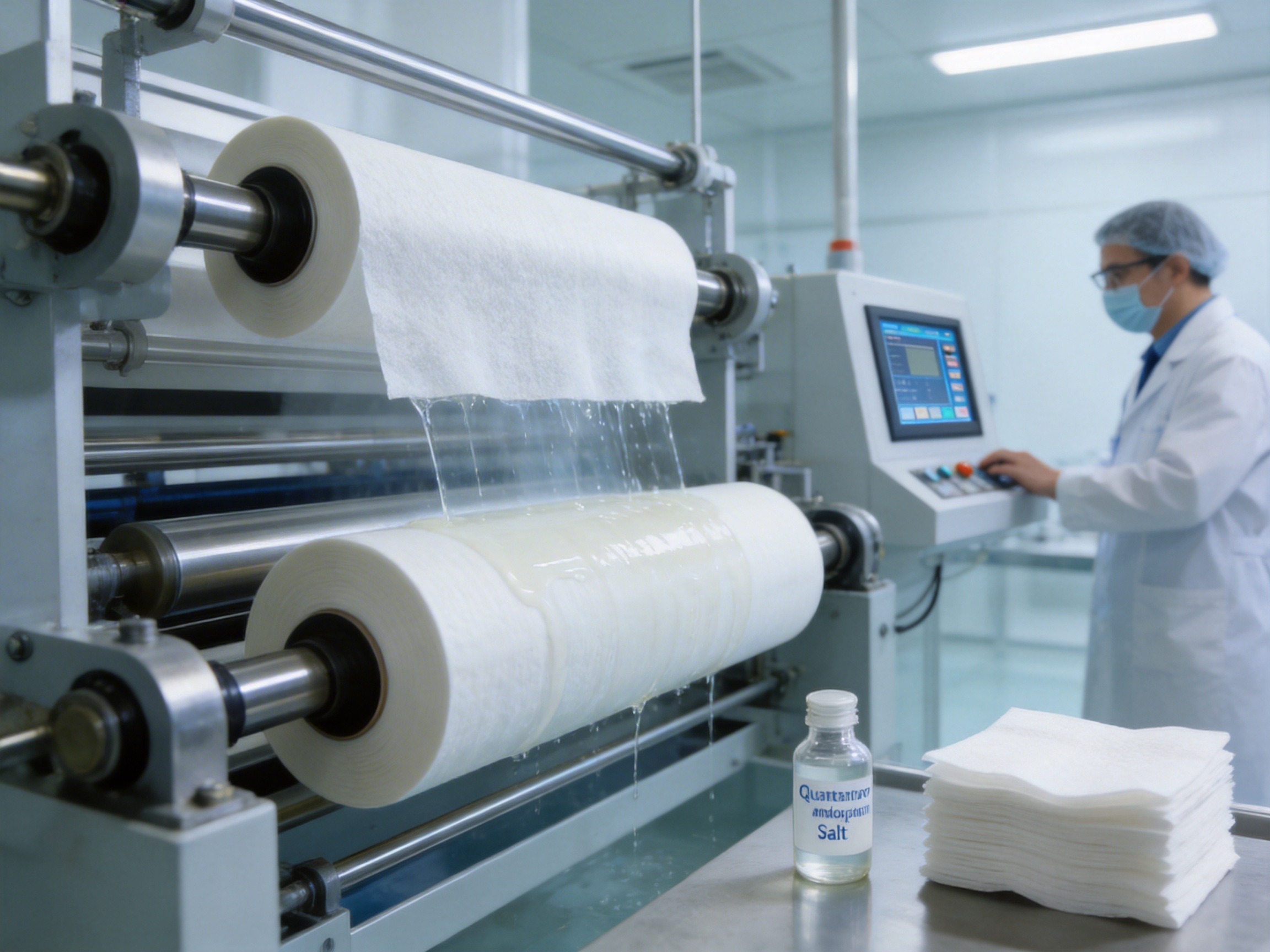
Once the fabric is produced, it’s impregnated with a carefully formulated disinfectant solution. This step requires precision: the concentration of active ingredients must be exactly right to ensure efficacy without being harmful. For this wipe, the quaternary ammonium salt content is controlled between 0.13% and 0.15%—a range that has been clinically proven to kill pathogens effectively while remaining safe. The solution also includes mild surfactants to enhance cleaning and deionized water to prevent contamination.
The impregnation process is done in a controlled environment (ISO Class 8 cleanroom) to prevent bacteria or other contaminants from entering the product. The solution is evenly distributed across the fabric using a roll-to-roll system, ensuring every part of the wipe is saturated with the active ingredient.
Step 3: Cutting and Packaging
After impregnation, the fabric is cut into the desired size (ranging from 12x12 cm to 22x30 cm) using precision cutting machines. The wipes are then packaged in resealable plastic bags (for consumer use) or bulk containers (for commercial settings like hospitals). Packaging is designed to keep the wipes moist and prevent the disinfectant from evaporating. For example, consumer packages use a pressure-sensitive adhesive seal that maintains moisture, while bulk containers have a flip-top lid for easy access.
Rigorous quality control checks are performed at every stage: from testing the fabric’s tensile strength to verifying the active ingredient concentration using high-performance liquid chromatography (HPLC). Each batch of wipes is also tested for efficacy against a panel of pathogens to ensure it meets the manufacturer’s strict standards. Any batch that fails these tests is discarded.
The Manufacturer’s Strengths: Why Experience Matters
The manufacturer behind this disinfecting wipe has over 30 years of experience in the nonwovens and hygiene products industry. This expertise translates into several key advantages:
1. Global Recognition and Industry Leadership
The company is a national high-tech enterprise and has been ranked among the top 10 in China’s nonwovens industry (holding the first position) for many consecutive years. It’s also been listed in the top 40 nonwovens manufacturers in the world for 8 years running. This recognition is a testament to its commitment to quality and innovation. The company’s products are exported to over 50 countries, including the United States, Europe, and Southeast Asia.
2. Extensive Production Network
With 8 production bases across China (including Changxing, Foshan, Nantong, and Wuhan), the company has the capacity to meet large-scale orders while maintaining consistent quality. This network also allows for quick distribution to customers around the world. For example, the Changxing base handles medical product production, while the Foshan base focuses on consumer wipes. Each base is equipped with the latest machinery and follows strict quality control protocols.
3. R&D and Innovation
The company invests 5-7% of its annual revenue in research and development, focusing on creating functional and eco-friendly nonwovens. Its R&D team consists of over 100 engineers and scientists who work closely with universities and research institutions to stay at the forefront of hygiene technology. Recent innovations include:
- Flushable wipes that meet the International Water Association’s (IWA) flushability guidelines, reducing the risk of sewage system clogs.
- Biodegradable wipes made from bamboo and corn starch, which break down in 90 days under composting conditions.
- Medical wipes with antiviral properties, effective against SARS-CoV-2 and other enveloped viruses.
The company also holds over 50 patents for its nonwoven materials and hygiene products, demonstrating its commitment to innovation.
4. Certifications and Compliance
The company holds several key certifications, including ISO 9001 (quality management), ISO 13485 (medical device quality management), CE (Conformité Européenne), and FDA (U.S. Food and Drug Administration) approval for its medical products. These certifications ensure that the company’s products meet global safety and quality standards. For example, ISO 13485 certification requires strict control over the design, production, and distribution of medical devices, ensuring that they are safe and effective.
5. Customization and Partnerships
The company works closely with customers to create customized solutions. Whether it’s adjusting the fragrance (unscented, fresh, lavender, lemon, etc.) or changing the fabric pattern (plain, mesh, dot embossed), it can tailor wipes to specific requirements. It has established long-term partnerships with many well-known domestic and international brands, including Procter & Gamble, Johnson & Johnson, and Walmart. These partnerships are a sign of the company’s reliability and quality.
Product Specifications: A Comprehensive Overview
To help you choose the right disinfecting wipe for your needs, here’s a detailed table of specifications:
| Specification | Details | Specification | Details |
|---|---|---|---|
| Pieces per Package | 1-200 pcs (customizable) | Technology | Parallel, Semi-cross |
| Material | Polyester, Viscose, Bamboo, Lyocell, Cotton | Pattern | Plain, Mesh, Dot embossed, Flower, Stars |
| Grams per Square Meter (gsm) | 30-100 gsm | Size | Width:12-22 cm; Length:12-30 cm |
| Fragrance | Unscented, Fresh, Johnson, Lavender, Lemon, Lotus, Fruit, Coconut, Cucumber (customizable) | Active Ingredient Concentration | 0.13%-0.15% Quaternary Ammonium Salt |
| Sterilization Rate | 99.999% against E. coli, S. aureus, C. albicans, P. aeruginosa | Certifications | ISO 9001, ISO 13485, CE, FDA |
Practical Tips for Using Disinfecting Wipes Effectively
Even the best disinfecting wipe won’t work if it’s not used correctly. Here are some tips to maximize its efficacy:
1. Read the Label Carefully
Every wipe has specific instructions for use. For example, some wipes require you to let the surface dry completely to ensure full disinfection, while others can be wiped off immediately. Always follow the manufacturer’s guidelines to get the best results. For this wipe, the recommended contact time is 1 minute—long enough to kill 99.999% of pathogens.
2. Use Enough Wipes
For large surfaces (like a kitchen countertop), use enough wipes to cover the entire area. Don’t reuse a wipe on multiple surfaces—this can spread pathogens instead of killing them. For example, if you wipe a doorknob and then use the same wipe on a phone screen, you may transfer bacteria from the doorknob to the screen.
3. Store Properly
Keep wipes in a cool, dry place away from direct sunlight. Make sure the package is resealed tightly after each use to prevent the disinfectant from evaporating and the wipes from drying out. If wipes dry out, they lose their efficacy—so it’s important to replace the package if this happens.
4. Know When to Replace
Disinfecting wipes are not a replacement for handwashing. While they can kill pathogens on hands, they don’t remove dirt or debris. Always wash your hands with soap and water when possible, and use wipes as a backup. For example, if you’re out and about and can’t access a sink, a disinfecting wipe can be used to clean your hands before eating.
5. Dispose of Wipes Properly
Most disinfecting wipes are not flushable—even if they’re labeled as biodegradable. Flushing wipes can cause clogs in sewage systems and damage wastewater treatment plants. Instead, throw used wipes in the trash. For eco-friendly options, look for wipes that are explicitly labeled as flushable and meet IWA guidelines.
Q&A Section: Common Questions About Disinfecting Wipes
Here are answers to some of the most frequently asked questions about disinfecting wipes:
Q1: Are disinfecting wipes safe for children and pets?
A: Yes, if used correctly. The mild quat formula used in this wipe is non-toxic and non-irritating. However, it’s important to keep wipes out of reach of children and pets to prevent accidental ingestion. For children, supervise their use to ensure they don’t rub the wipe in their eyes or mouth. For pets, avoid using wipes on their fur or paws unless the product is explicitly labeled as safe for animals.
Q2: Can disinfecting wipes be used on electronics?
A: Yes. Unlike bleach or alcohol-based products, this wipe is non-corrosive and won’t damage screens or electronic components. However, it’s best to turn off the device before wiping and let it dry completely before turning it back on. For example, you can use the wipe to clean a phone screen, laptop keyboard, or tablet—just make sure to avoid getting liquid into ports or openings.
Q3: How long do disinfecting wipes take to kill pathogens?
A: Most effective wipes kill pathogens within 1-2 minutes of contact. However, some pathogens (like certain viruses) may require longer contact time. Always check the label for specific instructions. For this wipe, the recommended contact time is 1 minute to ensure 99.999% kill of common pathogens.
Q4: Are disinfecting wipes biodegradable?
A: Some versions of this wipe are biodegradable, especially those made with bamboo or lyocell. Check the product specifications to see if the wipe you’re using is eco-friendly. Note that even biodegradable wipes should not be flushed down the toilet unless explicitly labeled as flushable. Biodegradable wipes break down in composting conditions, not in sewage systems.
Q5: Can disinfecting wipes be used to clean wounds?
A: No. Disinfecting wipes are designed for surface disinfection, not for use on open wounds. Using them on wounds can cause irritation and delay healing. For wound care, use products specifically designed for that purpose (like antiseptic creams or sterile gauze). If you have a minor wound, clean it with soap and water and apply an antiseptic ointment.
Q6: How often should I use disinfecting wipes in my home?
A: The frequency depends on your household’s needs. For high-touch surfaces (like doorknobs, light switches, and countertops), you should wipe them down daily. For less frequently touched surfaces (like furniture or floors), you can wipe them down once a week. If someone in your household is sick, you should increase the frequency of cleaning to prevent the spread of germs.
References
1. World Health Organization (WHO). (2020). Guidelines on Hygiene and Sanitation in Community Settings. Geneva, Switzerland: WHO Press.
2. U.S. Environmental Protection Agency (EPA). (2021). List N: Disinfectants for Use Against SARS-CoV-2. Washington, D.C.: EPA.
3. International Association for Food Protection (IAFP). (2019). Efficacy of Quaternary Ammonium Compounds Against Foodborne Pathogens. Journal of Food Protection, 82(10), 1650-1658.
4. Chen, L., et al. (2022). Evaluation of Benzalkonium Chloramine-Based Disinfecting Wipes for Healthcare Settings. Journal of Hospital Infection, 124, 45-52.
5. Nonwovens Industry Association (NIA). (2023). Global Nonwovens Market Report. Washington, D.C.: NIA.
6. International Water Association (IWA). (2021). Flushability Guidelines for Wet Wipes. London, UK: IWA Publishing.
7. Centers for Disease Control and Prevention (CDC). (2022). Cleaning and Disinfecting: Best Practices for Household Cleaning. Atlanta, GA: CDC.
Conclusion
Disinfecting wipes are more than just a convenience—they’re a critical tool for maintaining health and hygiene in today’s world. The high-efficacy wipe discussed in this guide stands out for its broad-spectrum kill, mildness, versatility, and customizability. Backed by a manufacturer with decades of experience, advanced manufacturing processes, and global certifications, it’s a reliable choice for both personal and commercial use.
When choosing disinfecting wipes, always look for products that are clinically proven to be effective, safe for your needs, and produced by reputable manufacturers. By following the tips outlined in this guide, you can maximize the benefits of disinfecting wipes and keep yourself, your family, and your community safe. Whether you’re using them at home, at work, or on the go, these wipes are an essential part of any hygiene routine.