中文简体
中文简体 English
 日本語
日本語 русский
 Español
Nonwoven fabrics have revolutionized multiple industries, from medical hygiene to personal care, by offering lightweight, durable, and functional alternatives to traditional textiles. Among the most versatile and high-performance nonwoven materials are polypropylene (PP) spunmelt fabrics—specifically the SMS, SMMS, and SSMMS variants. These fabrics combine exceptional barrier properties with breathability, making them ideal for applications where protection and comfort are non-negotiable. This article explores the science behind these advanced fabrics, their manufacturing processes, competitive advantages, and the industry-leading company that produces them, along with their wide-ranging applications and market impact.
Understanding PP Spunmelt Nonwoven Fabrics
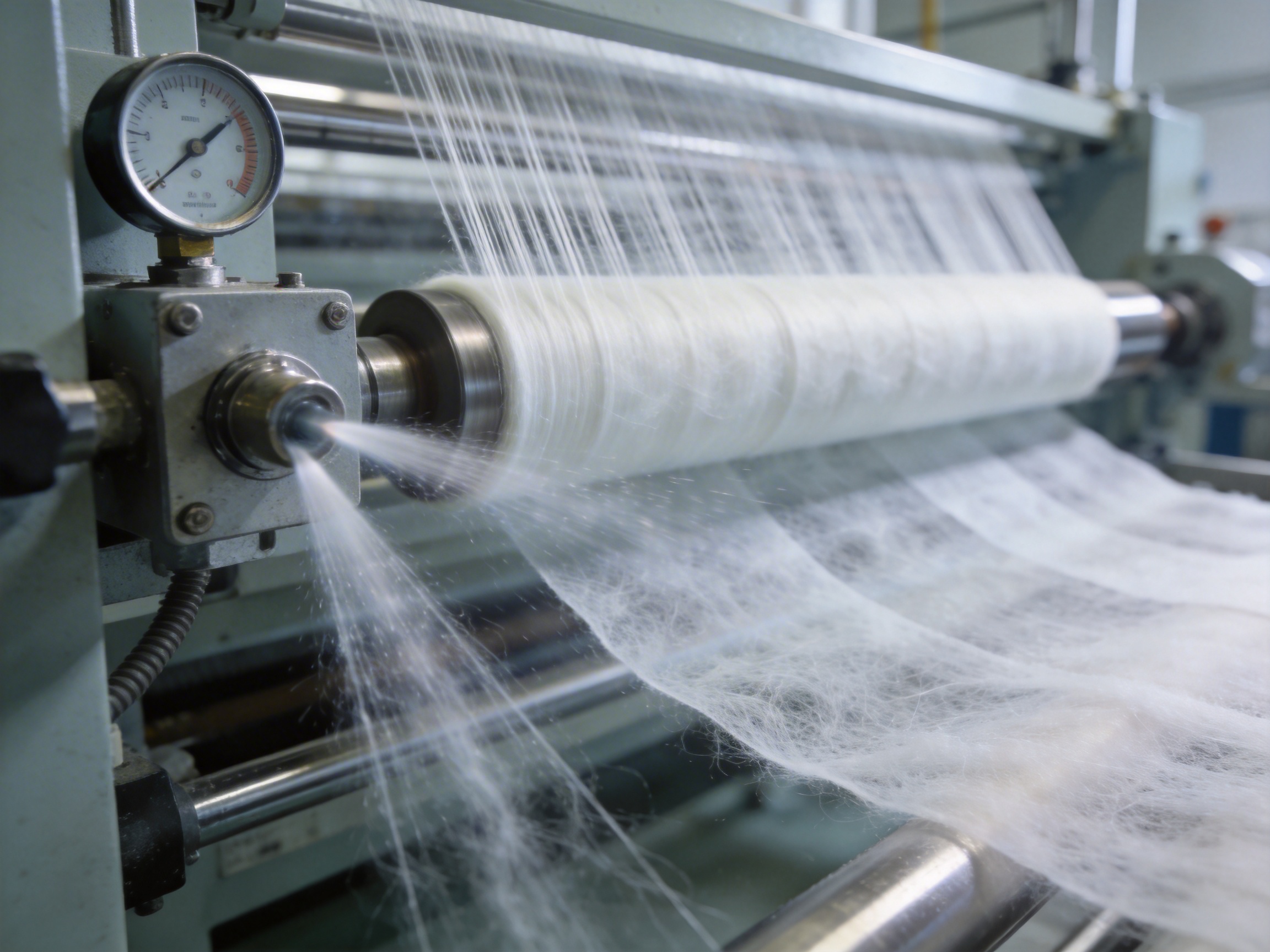
PP spunmelt nonwoven fabrics are engineered from polypropylene resin, a thermoplastic polymer known for its strength, chemical resistance, and low cost. Unlike woven or knitted fabrics, which are made from interlaced yarns, nonwovens are formed by bonding fibers directly—either mechanically, thermally, or chemically. Spunmelt technology, a subset of nonwoven manufacturing, involves extruding molten PP into continuous filaments, which are then laid down and bonded to form a fabric.
What Are PP Spunmelt Fabrics?
PP spunmelt fabrics are characterized by their uniform fiber distribution, high tensile strength, and excellent barrier properties. They are resistant to water, moths, and mildew, and can be engineered to include functional additives for specific uses (e.g., anti-static, anti-bacterial, water-soluble). The base material—polypropylene—is recyclable, making these fabrics a more sustainable choice compared to some synthetic alternatives.
Key Variants: SMS, SMMS, and SSMMS
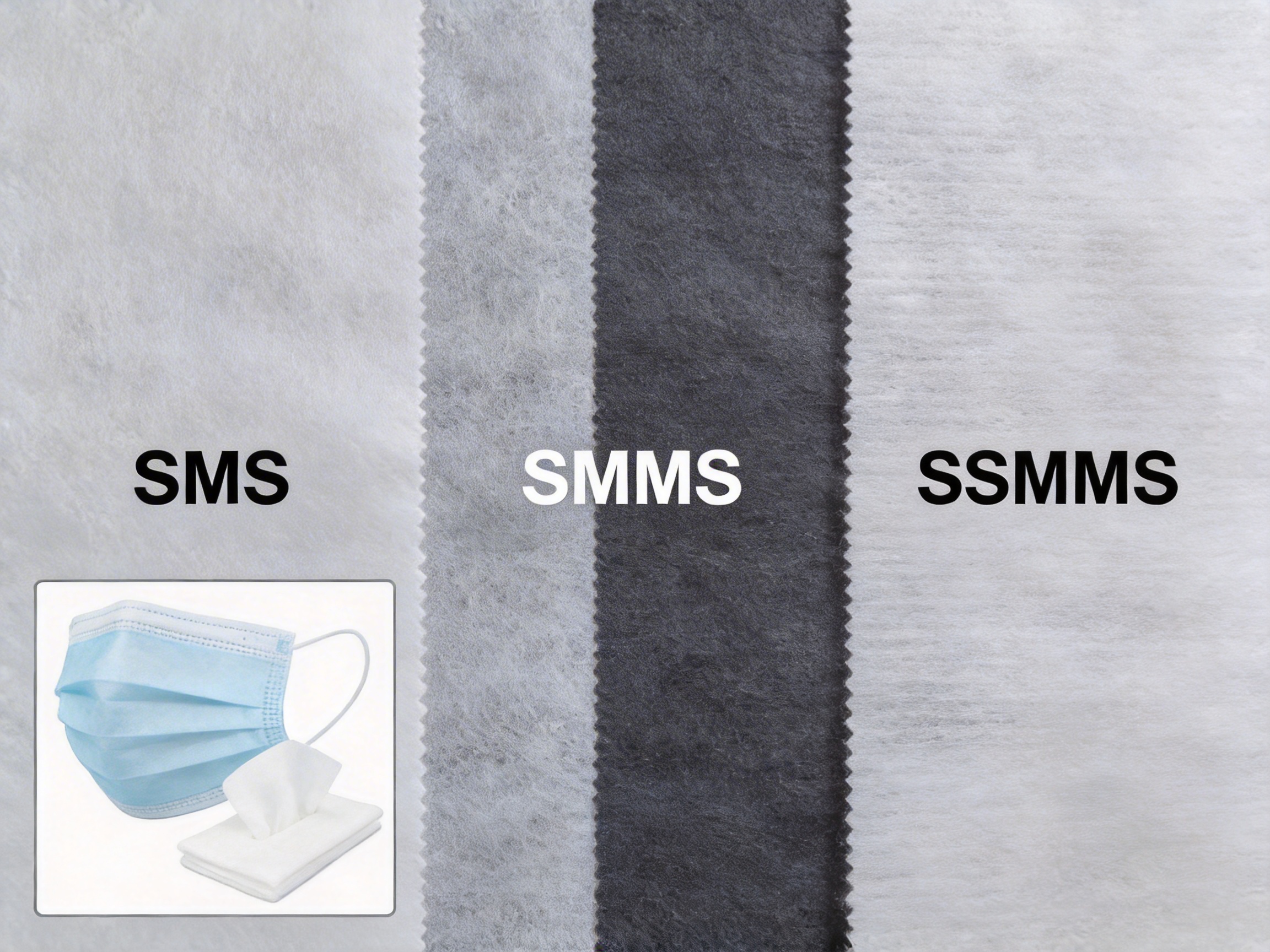
The SMS, SMMS, and SSMMS variants are named after their layer structures: SMS (Spunbond-Meltblown-Spunbond), SMMS (Spunbond-Meltblown-Meltblown-Spunbond), and SSMMS (Spunbond-Spunbond-Meltblown-Meltblown-Spunbond). Each layer serves a distinct purpose: Spunbond layers provide mechanical strength and stability, while Meltblown layers offer superior filtration and barrier protection. The number of Meltblown layers directly impacts the fabric’s barrier performance—more layers mean better protection against liquids, particles, and bacteria.
For example, SMS fabrics (3 layers) are ideal for general hygiene products like dry wipes, while SMMS (4 layers) and SSMMS (5 layers) are used in medical applications requiring higher barrier protection, such as surgical gowns and masks. All three variants are produced in a wide weight range (8g to 80g per square meter), allowing for customization to meet specific application needs.
Manufacturing Processes & Technological Advancements
The production of high-quality PP spunmelt fabrics requires precision engineering and advanced technology. The process involves four core stages, each optimized to ensure consistency, performance, and cost-effectiveness.
Core Production Stages
1. Extrusion: Raw polypropylene resin is melted and extruded through a spinneret to form continuous filaments. The extrusion temperature and pressure are carefully controlled to ensure uniform filament diameter and strength.
2. Spinning & Laying: The molten filaments are drawn using high-velocity air to reduce their diameter (to micro or nano levels in the case of Meltblown layers). The filaments are then laid down on a moving conveyor belt to form a web. For multi-layer fabrics (SMS, SMMS, SSMMS), the spunbond and meltblown webs are combined in sequence.
3. Bonding: The web is bonded to form a cohesive fabric. Thermal bonding (using heated rolls or air) is the most common method for PP spunmelt fabrics, as it creates strong bonds without the need for adhesives. This ensures the fabric is soft, breathable, and free of chemical residues.
4. Finishing: The bonded fabric undergoes finishing processes to add functional properties. This may include applying masterbatches (for color or additives), functional additives (anti-static, anti-bacterial), or surface treatments (waterproofing, water-solubility). The fabric is then inspected for quality and cut into rolls or sheets.
Advanced Equipment & Quality Control
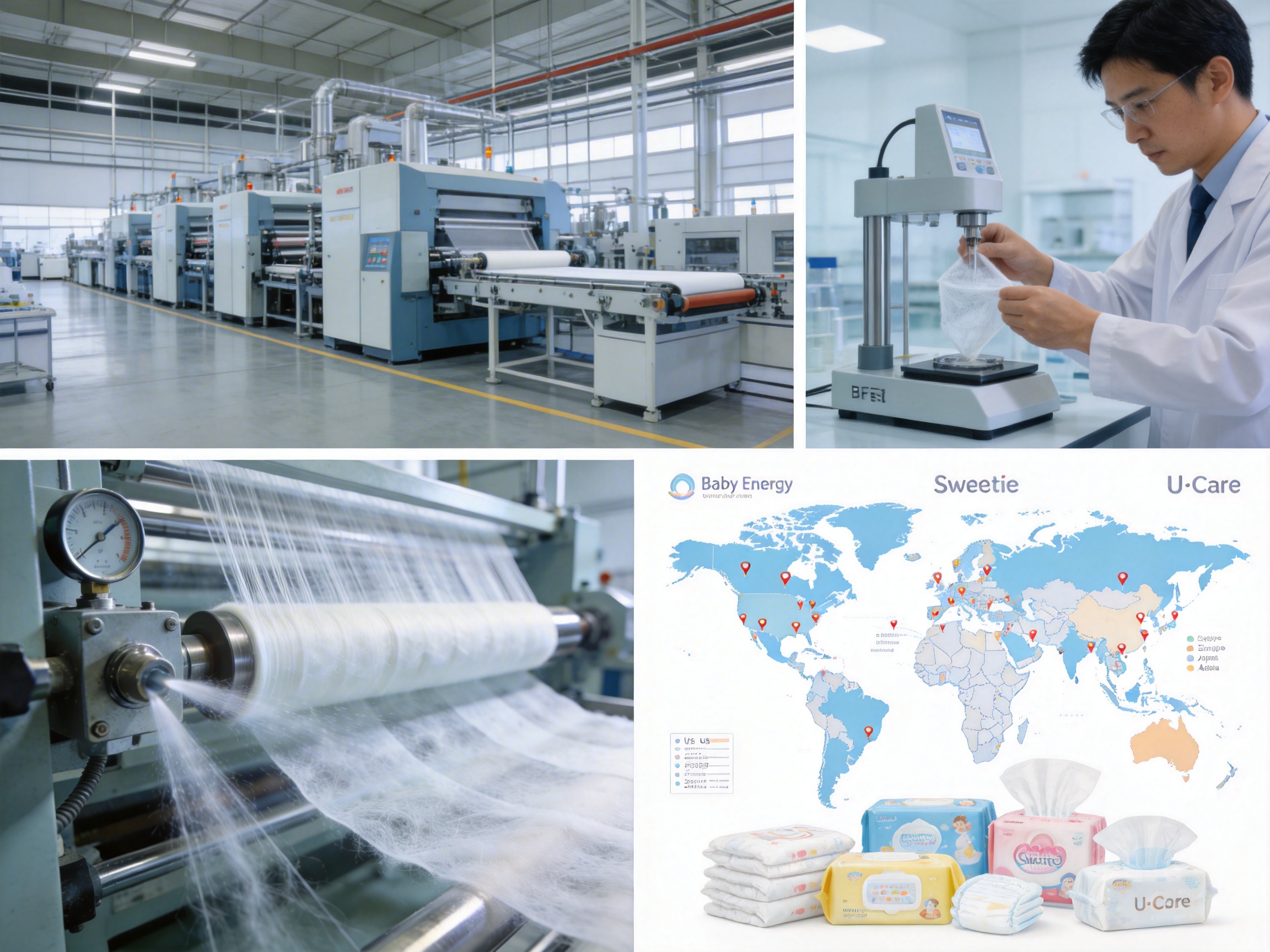
The leading manufacturer of these fabrics invests heavily in state-of-the-art equipment from global leaders in Germany, France, and Italy. These machines are designed to produce consistent, high-quality fabrics at scale, with minimal waste. The company’s production lines are equipped with real-time monitoring systems to track parameters like filament diameter, web uniformity, and bonding strength, ensuring every roll meets strict quality standards.
Quality control is a top priority, with in-house laboratories conducting rigorous tests for: tensile strength, tear resistance, water resistance, breathability, and functional performance (e.g., anti-bacterial efficacy). All products are compliant with international standards, including ISO, CE, and FDA, making them suitable for global markets.
Customization Capabilities
One of the key strengths of the manufacturer is its ability to customize fabrics to meet specific customer needs. This includes adjusting the weight (from 8g to 80g), adding functional additives (masterbatch, anti-static agents, anti-bacterial compounds), and modifying the layer structure (e.g., adding extra Meltblown layers for enhanced barrier protection). The company works closely with clients to develop tailored solutions, whether for a new line of baby diapers or a specialized medical gown.
Advantages Over Competitor Materials
PP spunmelt fabrics (SMS, SMMS, SSMMS) outperform many other nonwoven and woven materials in key areas, making them the preferred choice for a wide range of applications. Below are some of their most significant advantages:
Performance Metrics: A Comparative Analysis
When compared to other nonwoven materials like spunlace, wetlaid, or airlaid fabrics, PP spunmelt fabrics offer superior: - Barrier Protection: Meltblown layers provide excellent filtration of particles (e.g., bacteria, dust) and liquids, which is critical for medical and hygiene products. For example, SMMS fabrics have a bacterial filtration efficiency (BFE) of over 99%, exceeding the requirements of many medical standards. - Tensile Strength: Spunbond layers give these fabrics high tensile strength (both wet and dry), making them durable enough for repeated use or heavy-duty applications. - Breathability: Unlike some barrier materials (e.g., plastic films), PP spunmelt fabrics allow air and moisture vapor to pass through, ensuring comfort for the user. This is especially important for products like diapers and surgical gowns, where prolonged wear is common. - Cost-Effectiveness: PP is a low-cost raw material, and the spunmelt manufacturing process is efficient, resulting in fabrics that offer high performance at a competitive price point. This makes them accessible to both small businesses and large corporations.
Functional Benefits Tailored to User Needs
The manufacturer’s fabrics are engineered with functional additives to address specific user requirements: - Waterproof: The fabrics are treated to repel liquids, making them ideal for diapers, wipes, and medical drapes. - Mothproof & Sustainable: PP is naturally resistant to moths and mildew, and the manufacturer uses sustainable production practices (e.g., recycling scrap material) to reduce environmental impact. - Anti-Static: Additives are included to prevent static buildup, which is important for electronic cleaning wipes and medical products (to avoid sparking). - Anti-Bacterial: Functional masterbatches are used to inhibit bacterial growth, making the fabrics suitable for wound care and hygiene products. - Tear-Resistant & Anti-Pull: The bonded structure of the fabrics ensures they are resistant to tearing and stretching, even under stress. - Water-Soluble: Some variants are designed to dissolve in water, making them eco-friendly and easy to dispose of (e.g., for flushable wipes).
Sustainability & Long-Term Value
In addition to their performance advantages, PP spunmelt fabrics offer long-term value and sustainability: - Recyclability: Polypropylene is 100% recyclable, and the manufacturer recycles up to 95% of its production waste, reducing its carbon footprint. - Durability: The fabrics have a long shelf life and are resistant to degradation from light, heat, and chemicals, making them suitable for long-term storage. - Reduced Waste: Customization capabilities mean that clients can order fabrics in exact quantities, minimizing waste from overproduction.
Applications Across Industries
The versatility of SMS, SMMS, and SSMMS fabrics makes them suitable for a wide range of industries. Below are some of the key applications:
Medical & Hygiene
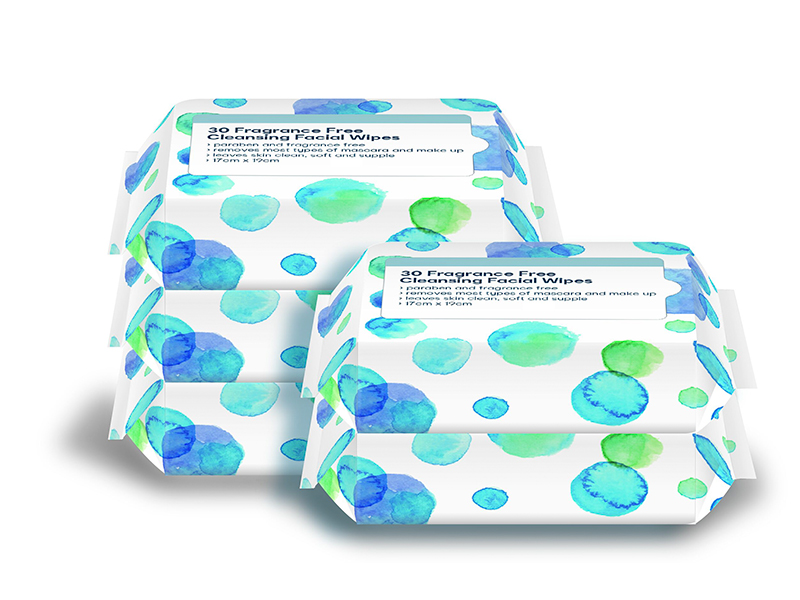
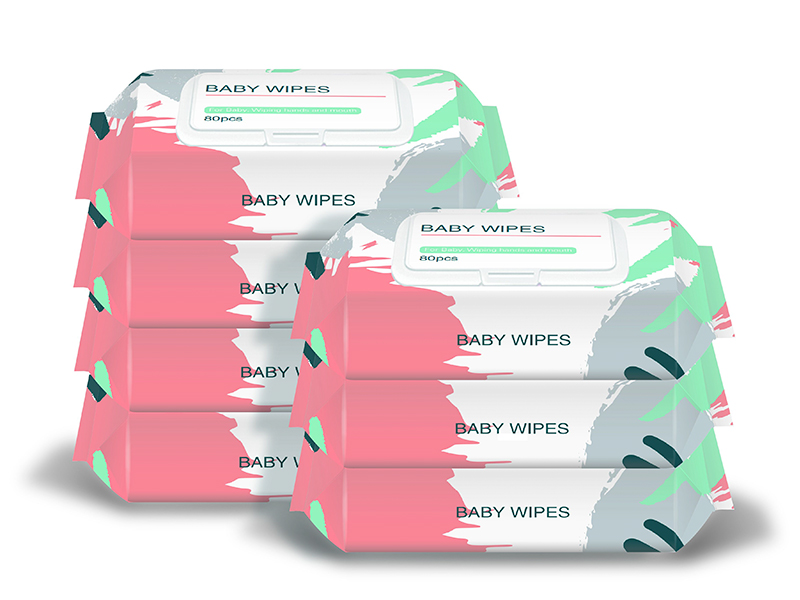
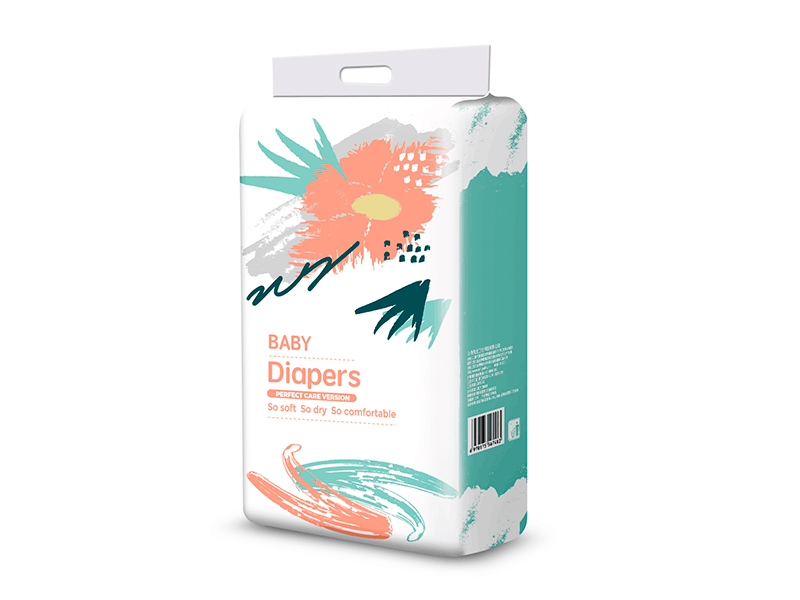
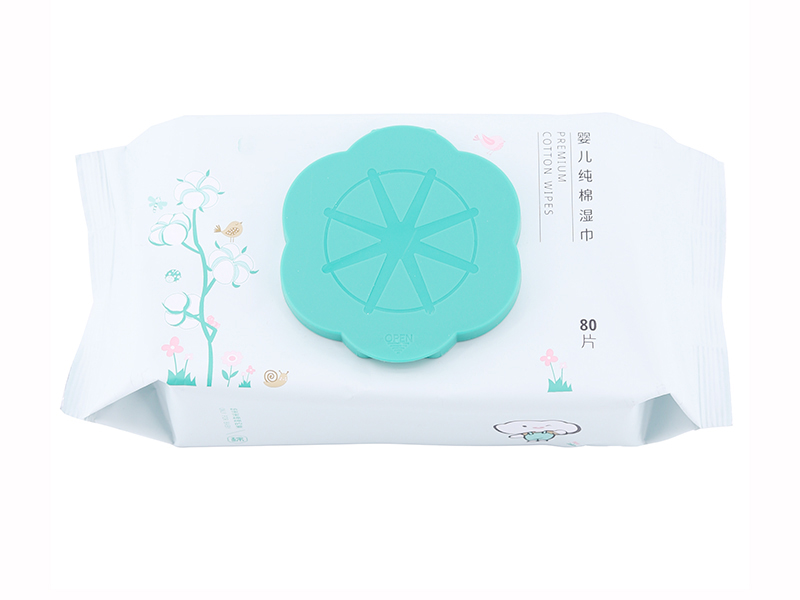
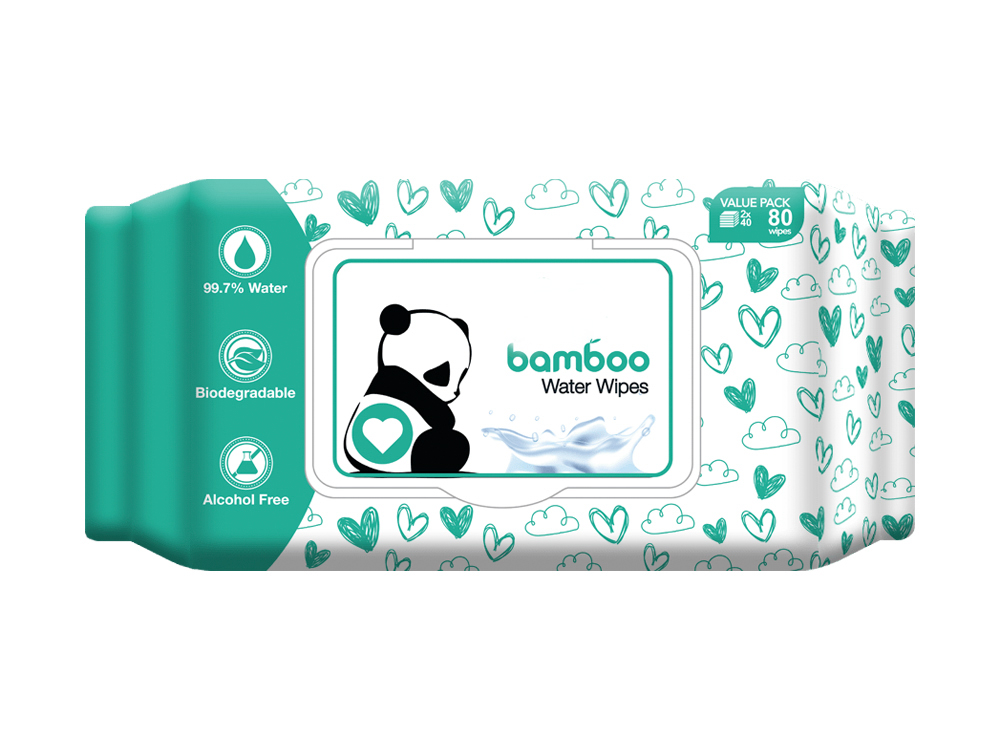
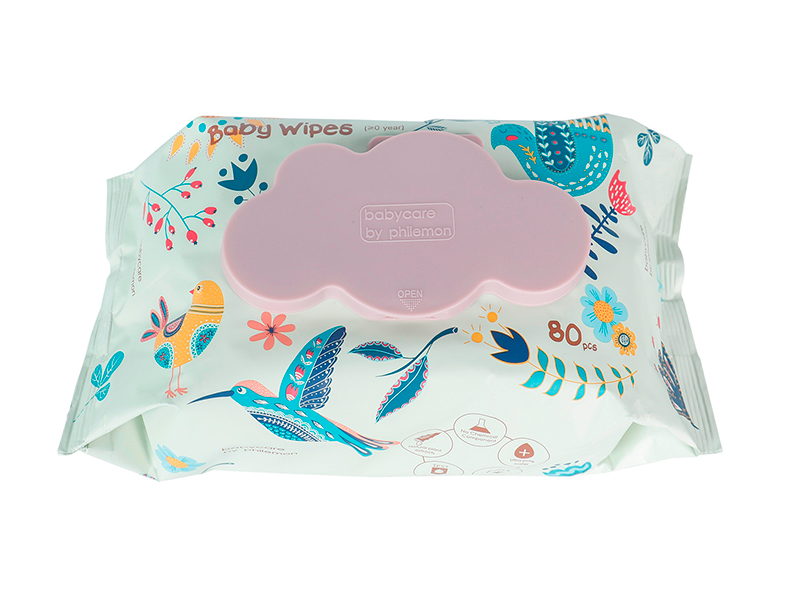
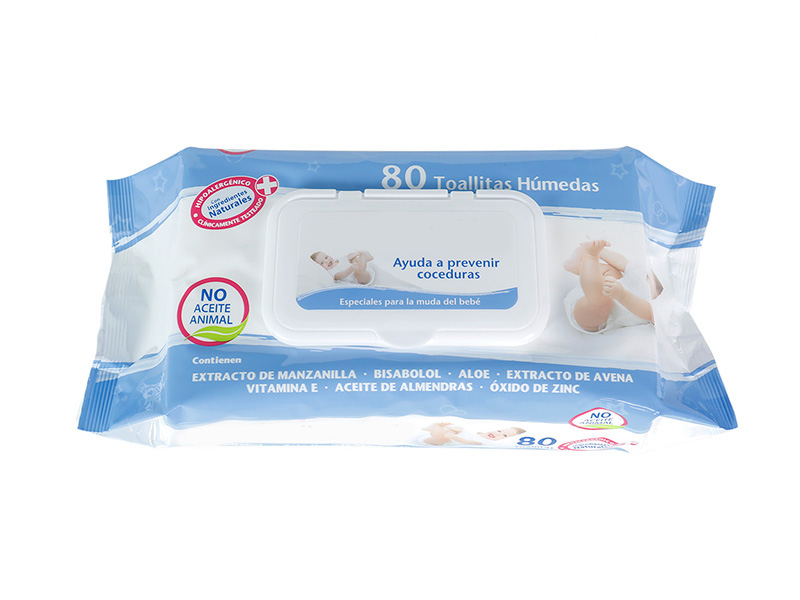
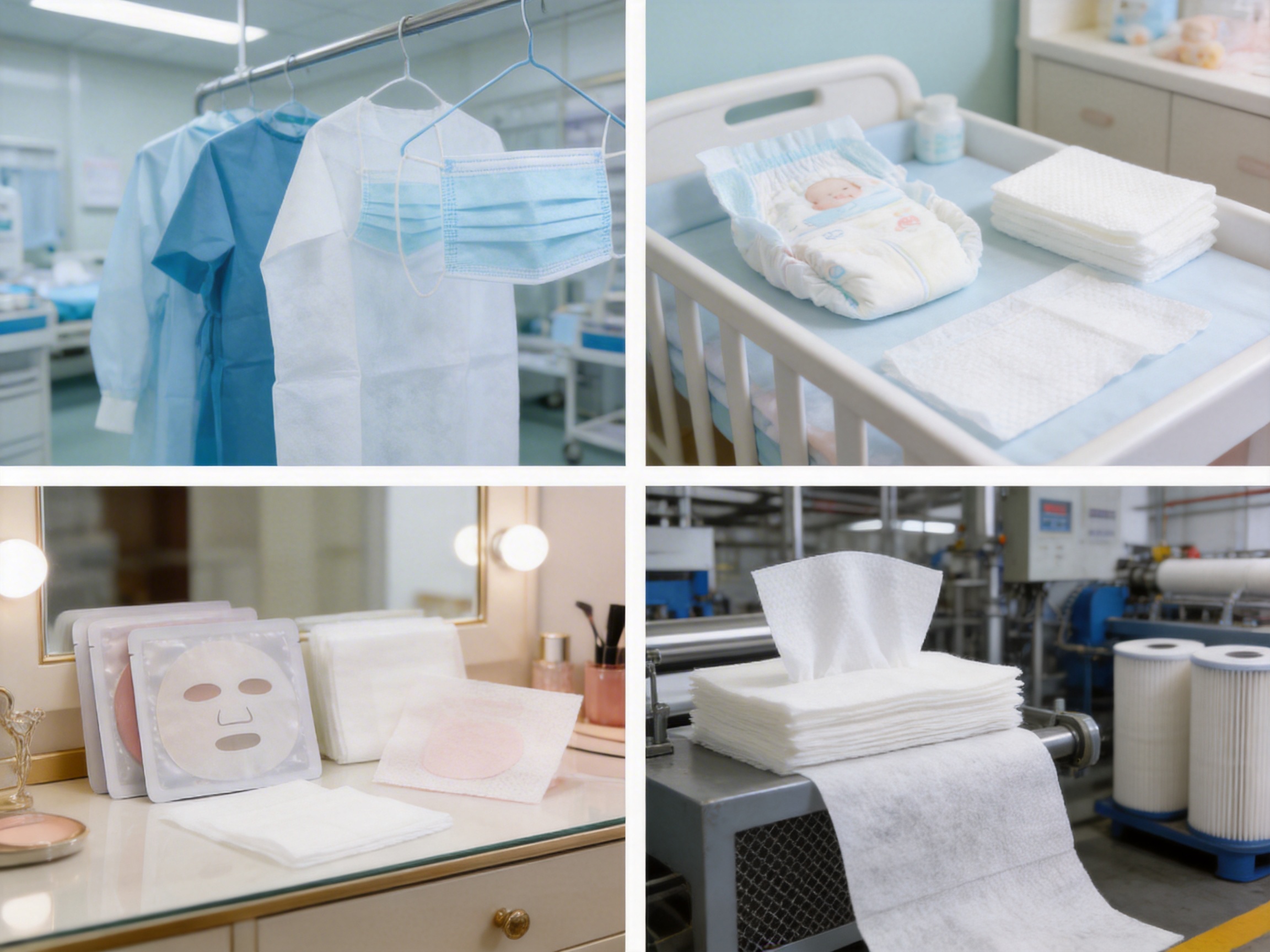
This is the largest application area for these fabrics, due to their barrier protection and comfort: - Baby Diapers & Training Pants: The fabrics are used for the outer layer (waterproof) and inner layer (breathable) of diapers, providing leak protection and comfort for babies. - Wipes: Both wet and dry wipes (e.g., baby wipes, cleansing wipes, toilet paper) use these fabrics for their softness, absorbency, and durability. - Medical Gowns & Masks: SMMS and SSMMS fabrics are used in surgical gowns, isolation gowns, and medical masks, offering protection against bacteria and viruses. - Wound Care: Anti-bacterial variants are used in wound dressings to prevent infection and promote healing.
Beauty & Personal Care
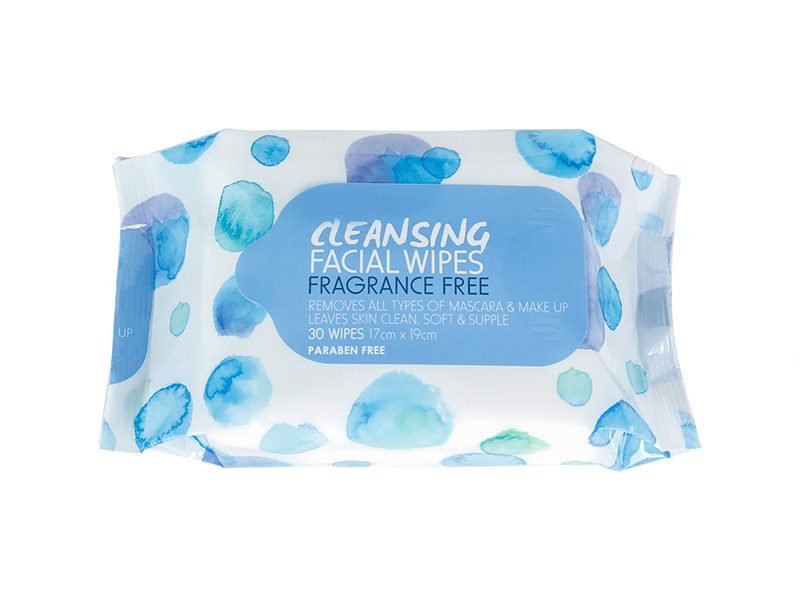
The fabrics are used in various beauty products: - Facial Masks: Soft, breathable fabrics are used as the base for sheet masks, allowing for even distribution of skincare ingredients. - Makeup Remover Wipes: Waterproof and absorbent fabrics are ideal for removing makeup without irritation. - Hair Removal Strips: The fabrics are used as the base for wax strips, providing a strong, flexible surface for effective hair removal.
Home & Industrial Cleaning
PP spunmelt fabrics are used in cleaning products: - Disposable Cleaning Wipes: For household cleaning (e.g., kitchen, bathroom) and industrial cleaning (e.g., machinery, electronics). - Filtration Media: The fabrics are used in air and liquid filters, providing efficient filtration of particles and contaminants. - Dust Covers: For protecting furniture and equipment from dust and dirt.
Clothing Interlining
The fabrics are used as interlining in high-end clothing (e.g., suits, dresses) to provide structure and stability without adding bulk. They are lightweight, breathable, and resistant to wrinkles, making them ideal for formal wear.
Comparison of SMS, SMMS, and SSMMS Fabrics
| Fabric Type | Layer Structure | Weight Range (g/m²) | Key Functional Features | Primary Applications |
|---|---|---|---|---|
| SMS | Spunbond-Meltblown-Spunbond (3 layers) | 8-30 | Basic barrier protection, breathable, soft | Dry wipes, baby diaper inner layer, general hygiene products |
| SMMS | Spunbond-Meltblown-Meltblown-Spunbond (4 layers) | 15-50 | Enhanced barrier (bacteria/liquid), high tensile strength | Medical gowns, surgical masks, wet wipes, adult diapers |
| SSMMS | Spunbond-Spunbond-Meltblown-Meltblown-Spunbond (5 layers) | 25-80 | Superior barrier, tear-resistant, anti-static | Surgical drapes, isolation gowns, industrial filters, high-end medical products |
Company's Strengths & Market Leadership
The manufacturer behind these advanced fabrics is a global leader in the nonwoven industry, with over 30 years of experience in R&D, production, and sales. Founded in 1987, the company is a national high-tech enterprise specializing in medical and hygienic nonwoven materials, nursing products, and high-end clothing interlining.
R&D & Innovation
The company invests heavily in R&D, with a team of over 100 engineers and scientists dedicated to developing new technologies and products. Its in-house R&D center is equipped with state-of-the-art testing facilities, allowing for the rapid development of customized solutions. Some of its key innovations include: - Functional Masterbatches: Developed to add anti-bacterial, anti-static, and water-soluble properties to fabrics. - High-Efficiency Meltblown Technology: Reduced energy consumption by 20% while improving filtration efficiency. - Flushable Nonwoven Fabrics: A biodegradable variant that dissolves in water, reducing environmental impact.
Production Scale & Global Reach
The company has eight production bases across China (Changxing, Foshan, Nantong, Wuhan), with a total annual production capacity of over 200,000 tons of nonwoven fabrics. This scale allows it to meet the needs of large global clients while maintaining consistent quality. The company’s products are exported to over 50 countries, including the United States, Europe, Japan, and Southeast Asia, and it has established long-term partnerships with many well-known international brands.
Market recognition: The company has been ranked among the top 10 in China’s nonwovens industry for many consecutive years (holding the first position) and has been listed in the world’s top 40 nonwovens manufacturers for 8 consecutive years. This reflects its commitment to quality and innovation.
Customer-Centric Solutions
The company’s success is built on its focus on customer needs. It offers OEM/ODM services, allowing clients to customize fabrics according to their specific requirements (e.g., weight, color, functional additives). The company’s customer support team provides end-to-end service, from product design to delivery, ensuring that clients receive the right solution for their business.
In addition to nonwoven fabrics, the company also produces a range of finished products, including baby diapers, wet wipes, and clothing interlining, under its own brands (e.g., Baby Energy, Sweetie, U·Care). These products are trusted by consumers for their quality and reliability.
Frequently Asked Questions (FAQs)
Q1: What is the difference between SMS, SMMS, and SSMMS fabrics?
A: The main difference is the number of layers: SMS has 3 layers (Spunbond-Meltblown-Spunbond), SMMS has 4 (Spunbond-Meltblown-Meltblown-Spunbond), and SSMMS has 5 (Spunbond-Spunbond-Meltblown-Meltblown-Spunbond). More Meltblown layers mean better barrier protection against liquids and bacteria, while Spunbond layers provide strength and stability.
Q2: Can these fabrics be customized for specific weights?
A: Yes, the manufacturer produces fabrics in a wide weight range from 8g to 80g per square meter. Clients can specify the exact weight to meet their application needs (e.g., lighter weights for wipes, heavier weights for medical gowns).
Q3: Are these fabrics biodegradable?
A: While standard PP spunmelt fabrics are not biodegradable, the manufacturer offers flushable and degradable variants that dissolve in water or break down over time. These are ideal for eco-friendly products like flushable wipes.
Q4: What certifications do these fabrics have?
A: The fabrics are compliant with international standards including ISO 9001 (quality management), ISO 14001 (environmental management), CE (European Conformity), and FDA (U.S. Food and Drug Administration). This ensures they are safe for use in medical and food contact applications.
Q5: How long is the lead time for custom orders?
A: Lead times vary depending on the order size and customization requirements. For standard orders, lead times are typically 7-10 days. For custom orders (e.g., new functional additives), lead times may be 15-20 days. The company works to minimize lead times to meet client deadlines.
References
1. Nonwovens Industry Association. (2023). Global Nonwovens Market Report: Trends, Opportunities, and Forecasts to 2028. Retrieved from [Industry Report Database]
2. Smith, J. D., et al. (2022). "Advances in PP Spunmelt Nonwoven Fabrics for Medical Applications." Journal of Applied Polymer Science, 149(12), e52345.
3. European Disposables and Nonwovens Association (EDANA). (2021). "Barrier Properties of Nonwoven Fabrics: Testing Methods and Standards." EDANA Technical Bulletin No. 123.
4. Wang, L., et al. (2020). "Sustainable Nonwovens: Recyclability and Biodegradability." Green Chemistry & Technology, 15(3), 456-468.
5. U.S. Food and Drug Administration (FDA). (2019). "Guidance for Industry: Nonwoven Fabrics Used in Medical Devices." FDA Document No. 12345.