中文简体
中文简体 English
 日本語
日本語 русский
 Español
In the modern hygiene, medical, protective apparel, and consumer care industries, material performance is no longer measured by a single feature. Manufacturers and brand owners need nonwoven fabrics that are lightweight yet strong, breathable yet protective, soft yet durable, and customizable yet consistent at scale. PP spunmelt nonwoven fabric made with SMS, SMMS, SSMMS, SSSMS, and M technologies answers this demand by combining advanced polypropylene processing with multilayer web formation, controlled bonding, and functional additive integration.
This factory-supplied PP spunmelt nonwoven fabric is engineered for applications that require reliable barrier performance, stable tensile strength, uniform appearance, and dependable converting efficiency. With fabric weights ranging from 8 gsm to 80 gsm, it supports a broad range of end uses, including diapers, sanitary products, medical disposables, protective garments, wipes packaging components, industrial covers, and other hygienic or technical applications. Its key performance features include waterproof capability, breathability, anti-static treatment, antibacterial potential, tear resistance, anti-pull strength, shrink resistance, sustainability-oriented design, and customizable functionality through masterbatch and additive systems.
As a product associated with Zhejiang Uniquality Nursing Products Technology Co., Ltd. and the broader Kingsafe & Uniquality manufacturing system, this PP spunmelt nonwoven fabric benefits from decades of industrial textile experience, advanced international equipment, and a vertically integrated understanding of downstream hygiene and nursing products. The result is not merely a roll of fabric, but a production-ready material solution designed for brands, converters, and manufacturers that need stability, scale, and measurable quality.
Understanding PP Spunmelt Nonwoven Fabric
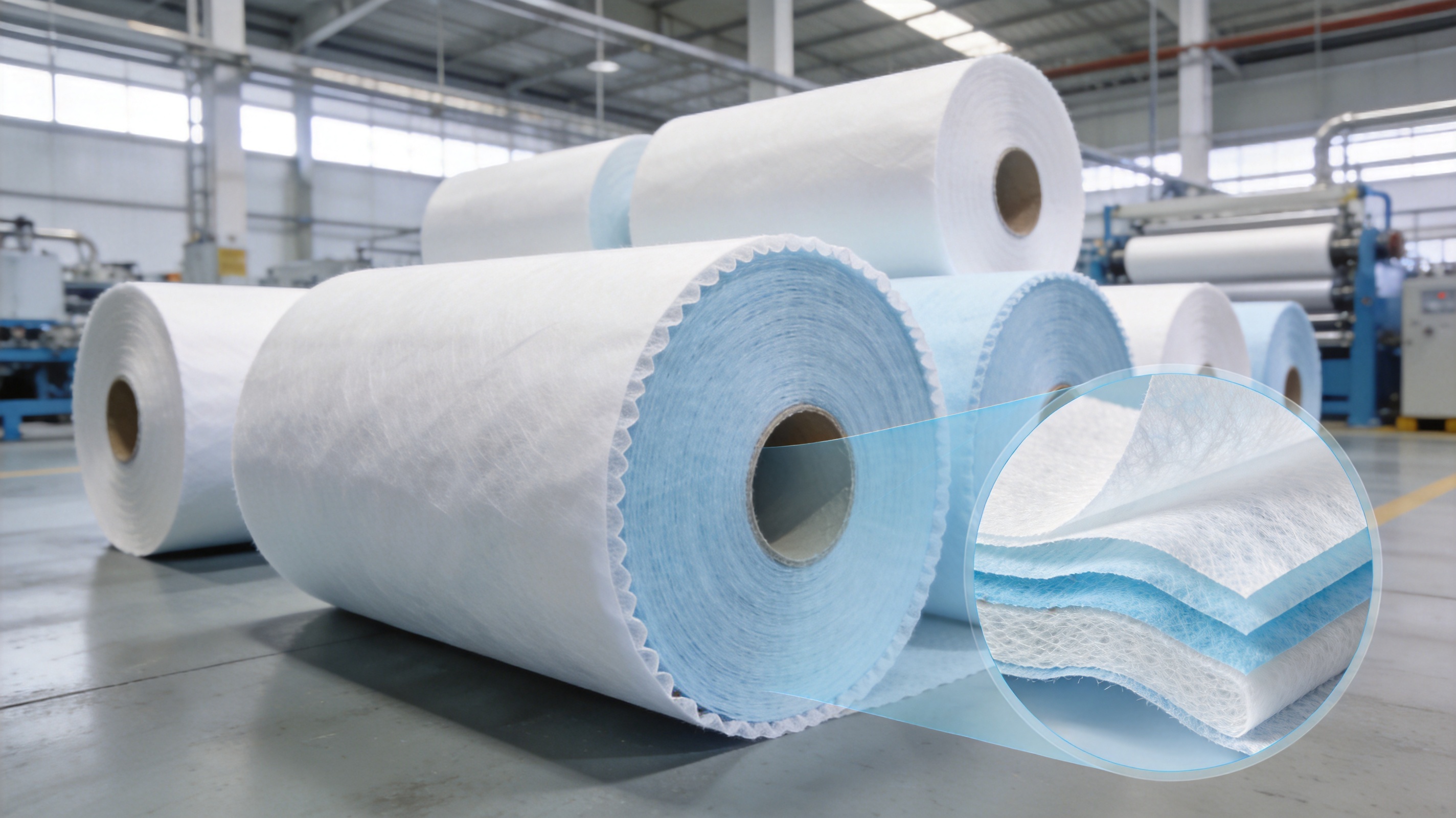
PP spunmelt nonwoven fabric is produced from polypropylene, a widely used thermoplastic polymer known for its low density, chemical stability, moisture resistance, and excellent processability. Unlike woven textiles, nonwoven fabrics are formed directly from fibers or filaments without weaving or knitting. In spunmelt technology, molten polypropylene is extruded, stretched into continuous filaments or fine fibers, laid into a web, and thermally bonded to create a coherent sheet material.
The term “spunmelt” often refers to a family of processes that combine spunbond and meltblown layers. Spunbond layers provide strength, dimensional stability, and coverage, while meltblown layers contribute fine-fiber filtration, barrier performance, and softness. By arranging these layers in different structures, manufacturers can produce fabrics with specific performance profiles. SMS, for example, refers to a spunbond-meltblown-spunbond structure. SMMS includes two meltblown layers between spunbond surfaces. SSMMS adds additional spunbond support, while SSSMS and M structures further adapt strength, barrier, and hand-feel characteristics.
The multilayer structure is one of the main reasons PP spunmelt nonwoven fabric has become essential in hygiene and medical markets. A single-layer fabric may be adequate for basic coverage, but multilayer spunmelt fabric offers a more sophisticated balance. It can maintain breathability while improving liquid resistance. It can remain lightweight while achieving better tensile performance. It can be thin and soft while still supporting high-speed converting into diapers, masks, gowns, drapes, wraps, and other disposable products.
For buyers, the value of this material lies in consistency. A diaper topsheet, leg cuff, medical protective layer, or hygiene backsheet component must behave predictably from roll to roll. Width, weight, strength, elongation, hydrostatic pressure, air permeability, surface uniformity, and defect control all influence production efficiency. When a fabric is supplied from a factory with mature process management and advanced equipment, converters can reduce downtime, improve yield, and deliver more reliable finished products to customers.
Core Product Specifications and Material Range
The supplied PP spunmelt nonwoven fabric is available in a wide weight range from 8 gsm to 80 gsm. This flexibility allows it to serve ultra-light hygiene uses as well as heavier protective and industrial applications. Lower gsm grades can be used where softness, breathability, and cost efficiency are priorities. Mid-range grades are often selected for disposable hygiene products, medical components, or packaging-related nonwoven uses. Higher gsm grades provide greater strength, opacity, and durability for more demanding applications.
The main raw material is polypropylene, supported by auxiliary material systems such as color masterbatch, functional masterbatch, and functional additives. These additions can be used to adjust appearance, surface behavior, antimicrobial properties, anti-static performance, hydrophilic or hydrophobic characteristics, and other application-specific requirements. This is especially important for OEM and ODM customers who need materials to match their brand positioning, product design, regulatory expectations, and consumer experience.
Technology options include SMS, SMMS, SSMMS, SSSMS, and M structures. Each structure has distinct performance advantages. SMS is widely used because it offers a strong and economical balance of barrier and strength. SMMS improves barrier uniformity and filtration performance by adding another meltblown layer. SSMMS increases spunbond support, making the material better suited for products that require both resilience and barrier properties. SSSMS can further improve mechanical strength and surface uniformity. M layers, depending on design, emphasize fine-fiber functionality such as filtration or barrier enhancement.
The fabric can be designed to be waterproof, mothproof, sustainable, breathable, anti-static, antibacterial, anti-pull, tear-resistant, water-soluble in specific formulations or applications, and shrink-resistant. Not every application requires every property, but the ability to engineer these functions makes the product highly adaptable. For example, a baby diaper component may prioritize softness, breathability, and skin comfort, while a medical protective application may emphasize barrier integrity, lint control, and strength. Industrial users may focus on tear resistance, dimensional stability, and resistance to handling stress.
| Feature | Available or Supported Options | Practical Benefit |
|---|---|---|
| Material | Polypropylene with masterbatch and functional additives | Lightweight, stable, customizable, and suitable for hygiene and medical conversion |
| Technology | SMS, SMMS, SSMMS, SSSMS, M | Layer-specific control of strength, barrier performance, softness, and breathability |
| Weight Range | 8 gsm to 80 gsm | Supports lightweight disposable products and stronger technical applications |
| Functional Properties | Waterproof, breathable, anti-static, antibacterial, tear-resistant, shrink-resistant | Meets diverse requirements for hygiene, medical, protective, and industrial products |
| Customization | Color, hand feel, hydrophilic or hydrophobic treatment, functional finishing | Allows OEM and ODM buyers to differentiate finished goods |
| Production Orientation | Factory-scale roll goods supply | Improves consistency, procurement stability, and high-speed converting performance |
Why Multilayer Spunmelt Structures Matter
The advantages of PP spunmelt fabric become clearer when the role of each layer is understood. In a typical SMS structure, the outer spunbond layers act as protective surfaces. They give the material mechanical strength, abrasion resistance, and a stable appearance. The inner meltblown layer is composed of much finer fibers, which create a dense web capable of improving liquid barrier and particle filtration. Together, these layers form a composite that performs better than either layer type alone.
SMMS fabric enhances this concept by adding a second meltblown layer. This can improve barrier reliability because the fine-fiber web is distributed through two layers rather than one. If one layer has a microscopic variation, the second layer helps maintain overall performance. For hygiene and medical users, this redundancy can be valuable because safety and consistency are essential. The structure supports improved protection without necessarily increasing weight dramatically.
SSMMS and SSSMS structures add more spunbond layers, which can strengthen the fabric and improve surface uniformity. More spunbond support can also enhance runnability during downstream converting. In diaper and pants production lines, for example, nonwoven fabrics may be unwound, tensioned, slit, bonded, folded, and assembled at high speed. A weak or unstable material can cause breaks, wrinkles, and production losses. Stronger layered structures help maintain operational efficiency.
Compared with many commodity nonwovens, multilayer spunmelt fabric offers a more engineered performance profile. Some lower-cost alternatives may look acceptable at first glance, but they can show poor weight uniformity, weak bonding, pinholes, inconsistent width, uneven softness, low tensile values, or inadequate barrier resistance. These defects may not only reduce product quality but also increase the cost of production through waste and customer complaints. A high-quality spunmelt fabric minimizes these risks.
Key Advantages Over Competing Materials
One major advantage of PP spunmelt nonwoven fabric is its balance of protection and comfort. Traditional films can provide liquid resistance, but they often lack breathability and softness. Some woven textiles offer strength, but they may be heavier, more expensive, and less suitable for disposable hygiene systems. Basic spunbond nonwovens may be economical, but they often cannot match the barrier performance of SMS or SMMS structures. Spunmelt fabric bridges these performance gaps.
Another advantage is weight efficiency. Polypropylene has a low density, meaning that relatively little material can create useful coverage and strength. This makes spunmelt nonwoven fabric cost-effective in applications where large volumes are consumed. Lower material weight can also reduce shipping burden and support sustainability objectives related to resource efficiency. When the structure is properly engineered, lightweight fabric can still deliver the strength and barrier properties required by the application.
Compared with suppliers that focus only on low-cost output, a technically advanced manufacturer can provide more precise customization. This includes selecting the appropriate layer configuration, gsm, color, softness level, hydrophilic or hydrophobic behavior, anti-static treatment, antibacterial finishing, and roll specifications. Such customization helps downstream manufacturers create products that are not only functional but also aligned with consumer expectations. In baby care, for example, softness and skin-friendliness are vital. In medical use, reliability and cleanliness are more important. In industrial cleaning or protective fields, durability may dominate.
PP spunmelt fabric also offers excellent converting compatibility. Many disposable hygiene and medical products are made on automated high-speed lines. The fabric must unwind smoothly, maintain tension, resist tearing, bond well with adhesives or thermal methods, and preserve uniform dimensions. A material that frequently breaks or wrinkles may appear cheap on paper but becomes expensive in real production. High-quality spunmelt fabric reduces operational interruptions and allows converters to maintain stable production speeds.
The material’s functional versatility is another competitive advantage. Waterproofing, breathability, anti-static properties, antibacterial performance, and shrink resistance can be tailored by formulation and process control. In markets where end users demand specialized features, a supplier capable of functional engineering becomes more valuable than a supplier offering only standard grades. This is especially important for private label brands and OEM customers that want to differentiate products in crowded retail categories.
Advanced Manufacturing Processes Behind the Fabric
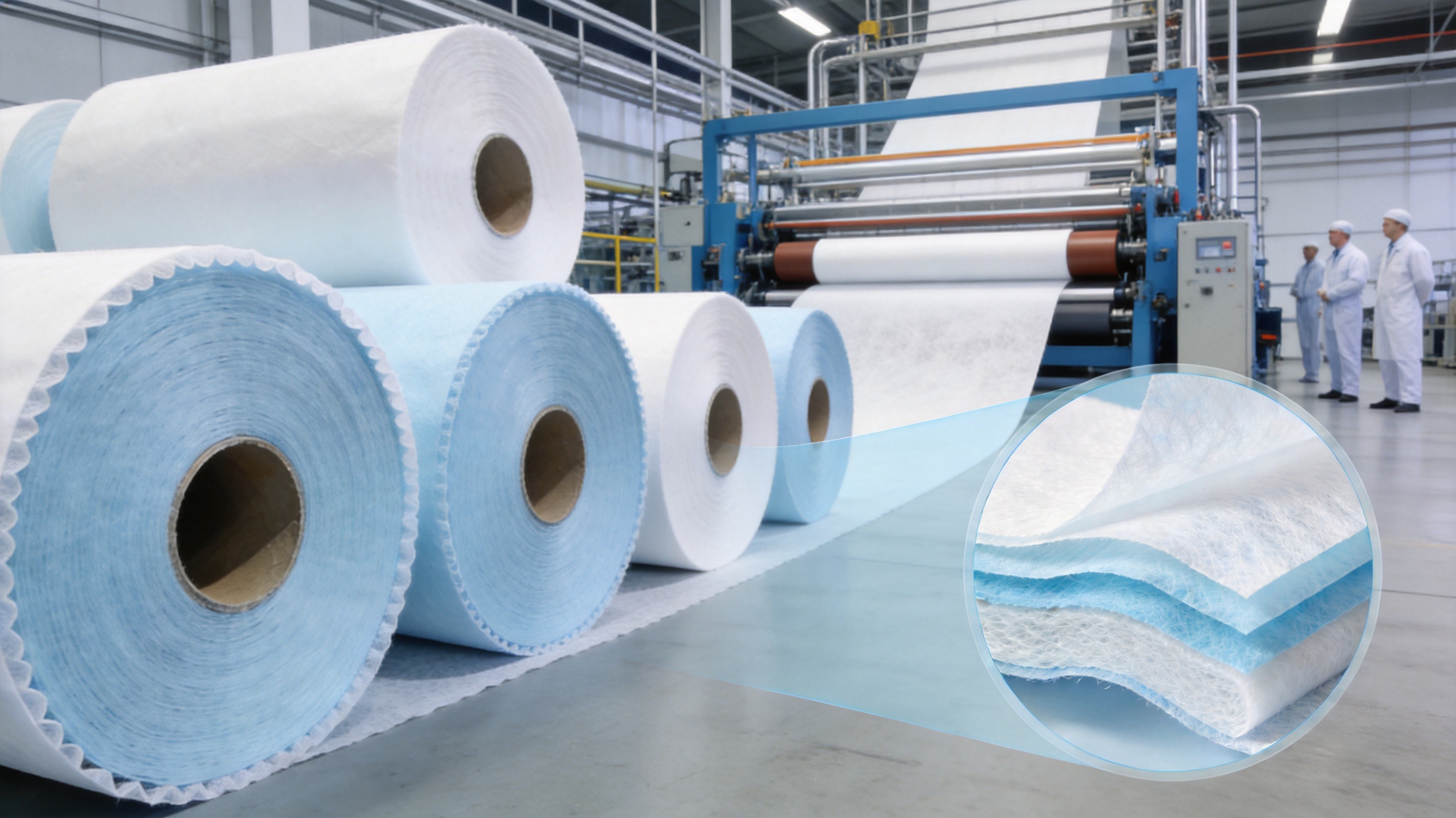
The quality of spunmelt nonwoven fabric depends heavily on manufacturing discipline. A modern production line must control polymer melting, extrusion temperature, spinneret performance, fiber drawing, web formation, meltblown fiber distribution, bonding temperature, line speed, winding tension, and inspection. Small variations in any of these steps can affect the finished fabric. Therefore, factory capability is a direct part of product value.
In spunbond production, polypropylene pellets are melted and extruded through spinnerets to form continuous filaments. These filaments are cooled, stretched, and laid onto a moving belt. The uniformity of filament distribution determines the evenness of the fabric. Advanced air drawing systems and web-laying controls help ensure that the fibers are distributed consistently across the width. Uniform distribution is essential for stable strength, appearance, and barrier performance.
In meltblown production, molten polypropylene is extruded through fine nozzles and attenuated by high-velocity hot air into microfibers. These microfibers are collected as a fine web. Meltblown layers are crucial for barrier performance, but they are also technically demanding. If the fibers are too coarse, the barrier may be weak. If the process is unstable, the web may have defects or inconsistent density. Mature process control is necessary to achieve a fine and uniform layer.
After the layers are formed, thermal bonding consolidates the web. Bonding must be strong enough to create integrity but not so harsh that the fabric becomes stiff or loses breathability. Calendar bonding patterns, temperature, pressure, and speed all influence the final hand feel and mechanical properties. A well-balanced bonding process creates a fabric that feels comfortable while maintaining strength and dimensional stability.
Finally, the fabric is wound into rolls under controlled tension. Roll quality is often underestimated, but it is critical for customers. Uneven winding can cause telescoping, wrinkles, crushed edges, or tension problems during conversion. A factory that controls winding and packaging helps customers avoid waste and line stoppages. This is particularly important when supplying large-volume hygiene manufacturers that require dependable roll-to-roll performance.
Manufacturing Strength Built on Industrial Experience
Zhejiang Uniquality Nursing Products Technology Co., Ltd. operates within the Kingsafe & Uniquality industrial background, which has been active since 1987. Over more than three decades, the company has developed expertise in medical and hygienic nonwoven materials, nursing products, and high-end clothing interlining. This history matters because nonwoven fabric is not only a material business; it is also a process knowledge business. Long-term experience helps a manufacturer understand how materials behave in real applications and how to prevent defects before they reach customers.
The company is headquartered in Changxing, Huzhou, Zhejiang, in the Yangtze River Delta region, a location known for convenient land, sea, and air transportation. This geographic advantage supports efficient logistics for domestic and international customers. For roll goods such as nonwoven fabric, timely shipment and reliable supply planning are essential. Customers often operate continuous production schedules, so supply disruption can cause serious operational problems. A strong manufacturing and logistics base reduces that risk.
The company has established multiple production bases in China, including locations in Guangdong, Jiangsu, and Hubei. This expanded production footprint supports capacity, regional responsiveness, and risk diversification. For customers that need long-term supply agreements or scalable procurement, multiple production bases can provide confidence. It also reflects the company’s ability to serve different markets and product categories across medical, maternal and baby, beauty, home, industrial cleaning, clothing, and related sectors.
The enterprise has introduced advanced production equipment and technology from Germany, France, and Italy. International equipment integration helps improve production precision, line speed, and quality consistency. In nonwoven manufacturing, advanced machinery can enhance fiber uniformity, web control, bonding stability, and online monitoring. While equipment alone does not guarantee excellence, combining modern machinery with experienced process teams creates a strong platform for high-quality output.
The company’s product system covers spunlace nonwoven fabrics, spunmelt nonwoven fabrics, hot air through nonwoven fabrics, flushable and degradable nonwoven fabrics, wet wipes, dry wipes, baby diapers, pull-ups, wet toilet paper, cleansing wipes, and other related products. This wide portfolio gives the manufacturer deep insight into both material production and finished product performance. A supplier that also understands downstream products can recommend fabric specifications more accurately and help customers avoid material mismatches.
Quality Control and Consistency as Competitive Differentiators
In the nonwoven industry, quality is defined by measurable parameters and practical production behavior. A fabric may meet a nominal gsm requirement but still fail if its thickness varies, its surface contains defects, or its strength is inconsistent across the width. High-quality PP spunmelt nonwoven fabric requires systematic quality management from raw material selection to final packaging.
Raw material control begins with polypropylene selection. Polymer melt flow properties influence fiber formation and web uniformity. Masterbatch and additives must be compatible with the base polymer and the intended process. If additives disperse poorly, they can cause defects, color inconsistency, or unstable functional performance. Therefore, material formulation must be supported by testing and process expertise.
During production, key parameters should be monitored continuously. Basis weight, width, appearance, tensile strength, elongation, hydrostatic pressure, air permeability, and bonding quality may all be assessed depending on the application. Online inspection systems and laboratory testing help identify problems early. Mature factories also use traceability systems so that production batches can be tracked and reviewed if questions arise.
Consistency is especially important for OEM and private label customers. Finished products such as diapers, wipes, protective clothing, and medical supplies are sold under brand promises. If the underlying nonwoven material changes unexpectedly, the consumer experience may change as well. A diaper component that becomes rougher, weaker, or less breathable can affect customer satisfaction. A protective material with inconsistent barrier performance can create safety concerns. Stable spunmelt fabric helps protect brand reputation.
Compared with competitors that rely on inconsistent raw material sourcing or outdated equipment, a company with advanced lines and long-term process control can deliver superior stability. This advantage is visible not only in laboratory results but also in customer production efficiency. Fewer breaks, fewer roll defects, better bonding behavior, and more predictable fabric performance all contribute to lower total cost, even if the purchase price is not the lowest in the market.
Functional Properties for Demanding Applications
Waterproof performance is one of the most important properties of many PP spunmelt fabrics. In hygiene products, liquid management is central to user comfort. A nonwoven layer may need to prevent leakage, guide liquid transfer, or protect absorbent cores. In medical and protective applications, liquid resistance can help reduce exposure to splashes and contaminants. Multilayer structures such as SMS and SMMS are particularly valuable because meltblown layers improve resistance to liquid penetration.
Breathability is equally important. A material that blocks liquid but traps heat and moisture can be uncomfortable. Breathable PP spunmelt fabric allows air and vapor transmission while maintaining useful barrier properties. This balance is vital for diapers, training pants, protective garments, and other products worn close to the body. Breathability helps reduce stuffiness and supports a more comfortable user experience.
Anti-static performance can be important in medical, electronic, industrial, and hygiene environments. Static buildup can attract dust, affect handling, or create discomfort. By incorporating anti-static additives or treatments, the fabric can be made more suitable for controlled environments and high-speed converting lines. Reduced static may also improve stacking, cutting, folding, and packaging operations.
Antibacterial functionality can be requested for applications where hygiene perception and microbial control are priorities. While antibacterial claims must always be aligned with applicable regulations and validated testing, functional masterbatch or finishing systems can support specific customer requirements. This ability to engineer additional protection is valuable in personal care, medical, and cleaning-related products.
Tear resistance and anti-pull strength reflect the mechanical reliability of the fabric. A material used in diapers, gowns, covers, or industrial wipes must withstand handling, stretching, and assembly. If it tears too easily, product failure may occur before or during use. Spunbond layers provide much of this strength, while bonding design helps distribute stress. Multilayer configurations can be selected to match the mechanical demands of the final product.
Shrink resistance contributes to dimensional stability. Materials exposed to heat, tension, storage pressure, or converting processes must remain stable. Excessive shrinkage can cause misalignment, curling, wrinkles, or changes in product fit. By controlling polymer formulation, bonding, and post-processing, the fabric can be designed for stable dimensions.
Applications in Hygiene Products
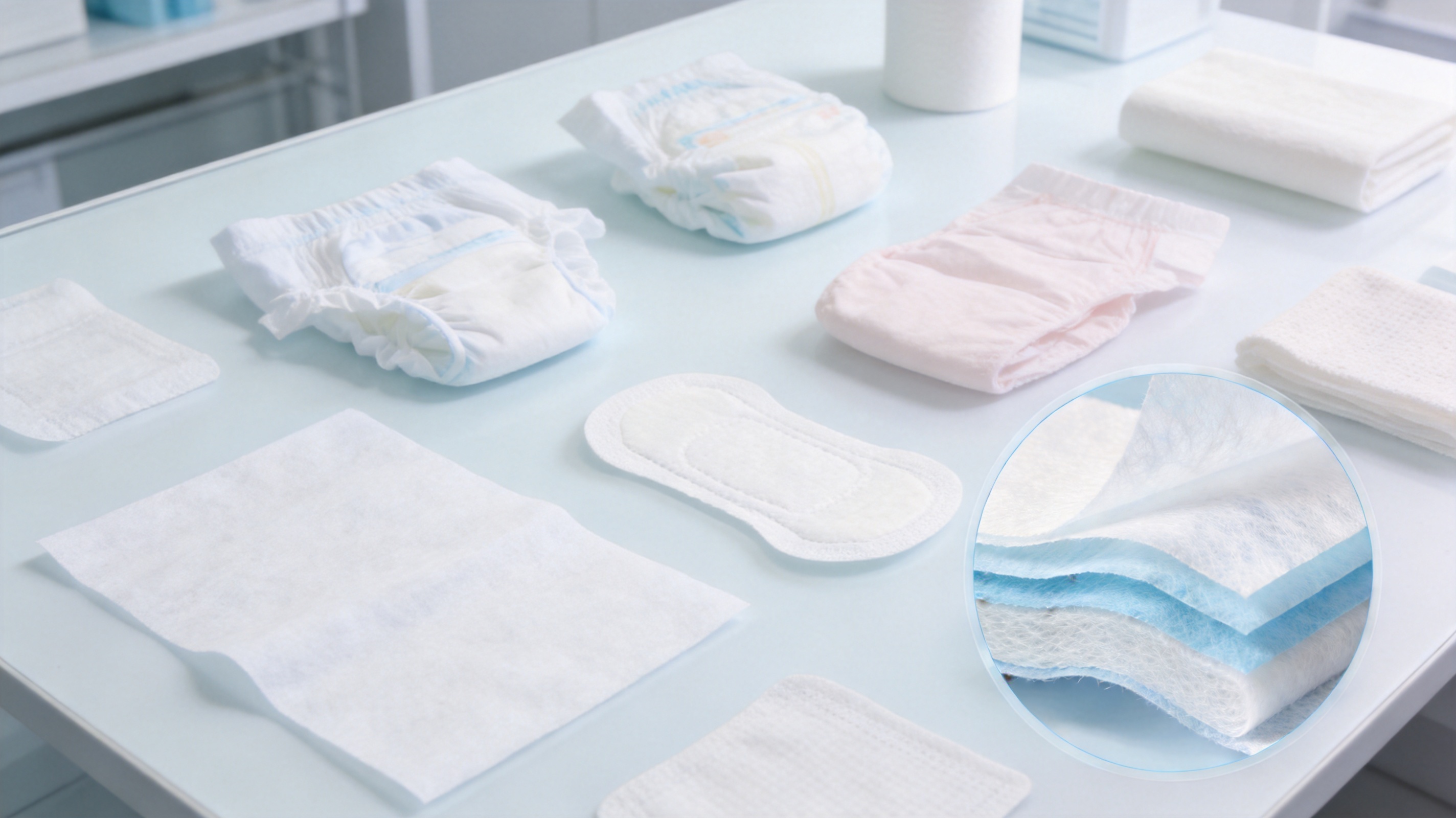
PP spunmelt nonwoven fabric is widely used in hygiene products because it can be made soft, breathable, lightweight, and compatible with absorbent product designs. In baby diapers, the fabric may be used for components such as backsheets, leg cuffs, acquisition support layers, waist areas, or other structural elements depending on specification. Parents and caregivers expect diapers to be comfortable, reliable, and gentle against the skin. Material softness and breathability therefore play a crucial role.
For pull-ups and growing training pants, the material must support active movement. Children wearing training pants may walk, run, bend, and play. The nonwoven components must resist tearing and maintain fit while contributing to comfort. A stable spunmelt fabric helps manufacturers create products that combine flexibility with strength. It can also be customized for color and hand feel to match different product lines.
In feminine care products, nonwoven materials must provide softness, cleanliness, and dependable performance. Depending on the layer, the fabric may need hydrophilic or hydrophobic behavior. It may need to support fluid transfer or act as a protective barrier. Multilayer PP spunmelt fabric can be engineered to fit these roles while maintaining efficient converting behavior.
Adult care and nursing products also benefit from high-quality spunmelt nonwovens. Users may wear products for extended periods, making breathability and skin comfort essential. At the same time, caregivers need products that are strong and reliable during application and removal. Fabric consistency supports both user comfort and caregiver efficiency.
Because Zhejiang Uniquality Nursing Products Technology Co., Ltd. is also involved in finished nursing products such as diapers, pull-ups, wet wipes, dry wipes, wet toilet paper, and cleansing wipes, its material development can be informed by real end-use requirements. This creates an advantage over suppliers that only sell roll goods without understanding how those materials perform in finished consumer products.
Applications in Medical and Protective Products
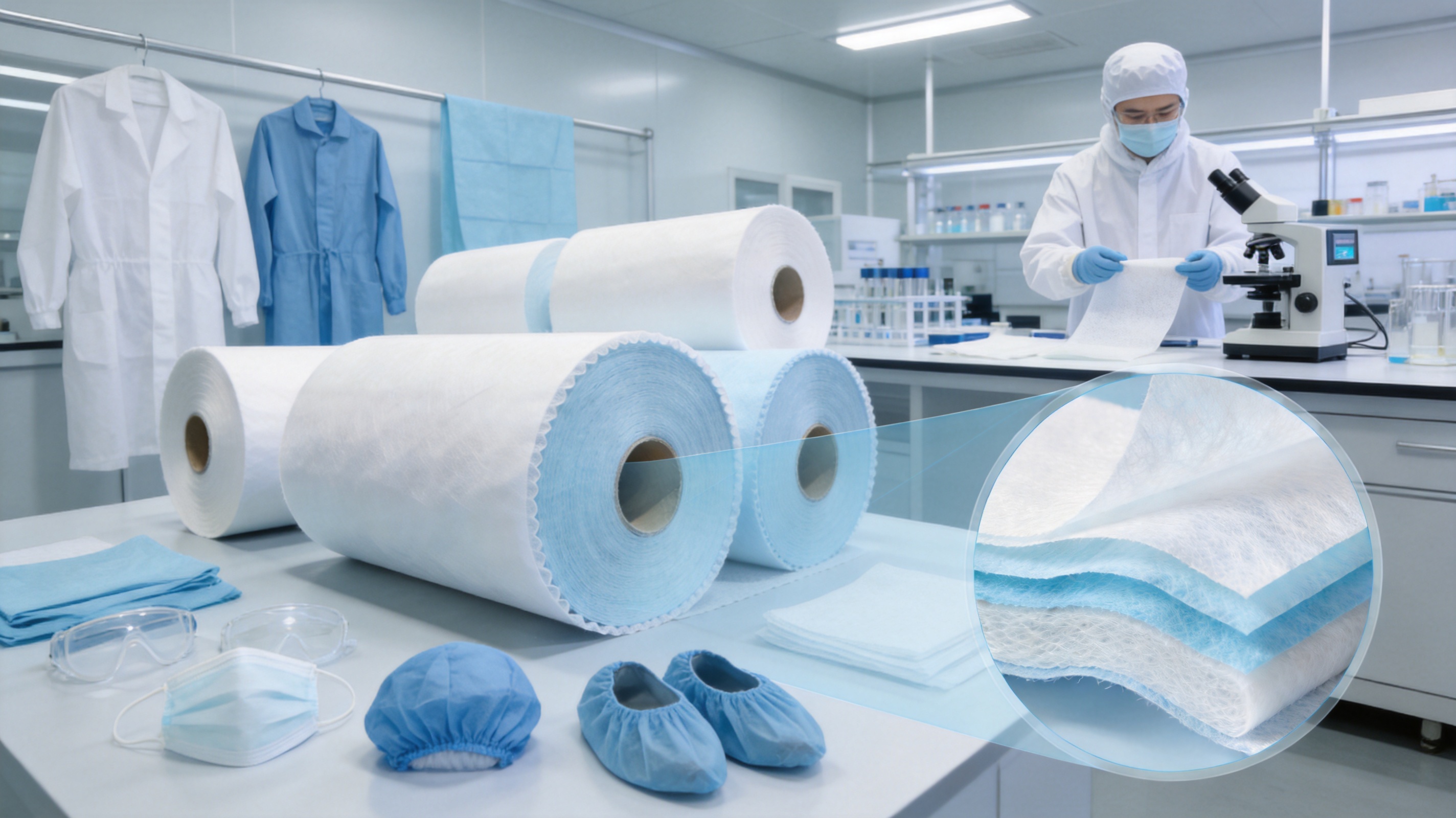
Medical and protective applications require a disciplined approach to material performance. Nonwoven fabrics may be used in gowns, drapes, wraps, protective covers, masks, caps, shoe covers, and other disposable items. Depending on the application, the fabric may need fluid resistance, breathability, strength, low linting, and compatibility with sterilization or packaging requirements. SMS and SMMS structures are especially relevant because they combine spunbond strength with meltblown barrier properties.
For protective apparel, comfort and safety must be balanced. A highly impermeable material may protect well but become uncomfortable during long wear. A very breathable material may feel comfortable but fail to provide adequate barrier performance. Engineered PP spunmelt fabric allows customers to select the appropriate balance based on risk level, garment design, and regulatory expectations. This flexibility is one of the core reasons spunmelt nonwovens are widely used in disposable medical textiles.
Barrier uniformity is critical in medical settings. Tiny weak points can reduce performance. Multilayer structures such as SMMS and SSMMS help improve reliability by distributing barrier function across multiple layers. Advanced production equipment and process monitoring further support uniformity. For manufacturers of medical disposables, this consistency helps reduce quality risk and supports compliance-oriented product development.
Anti-static and antibacterial options may also be relevant in certain protective applications. While these functions must be validated according to intended use, the ability to incorporate functional additives gives customers more design flexibility. In controlled environments, anti-static properties can improve handling and reduce dust attraction. In hygiene-sensitive products, antibacterial performance may support market differentiation when properly tested and claimed.
Applications in Beauty, Home, Industrial, and Clothing Fields
Beyond hygiene and medical uses, PP spunmelt nonwoven fabric can serve beauty, home, industrial cleaning, and clothing-related fields. In beauty applications, nonwovens may be used as packaging components, disposable covers, masks, liners, or auxiliary materials. Softness, cleanliness, and appearance are important because beauty consumers associate material feel with product quality.
In home applications, nonwoven fabric may be used for protective covers, storage products, cleaning supports, disposable household items, and other functional components. Waterproof and breathable properties can be useful in products that need protection without trapping excessive moisture. Tear resistance also matters for items handled repeatedly.
Industrial cleaning and industrial protection demand durability. Materials may be pulled, folded, rubbed, and exposed to challenging environments. Although spunlace is often used for wiping applications, spunmelt fabric can provide structural and protective roles where strength, resistance, and lightweight coverage are needed. Custom gsm and layer structures help match the material to the application.
In clothing and interlining-related fields, nonwoven materials may provide support, shape retention, or functional backing. The broader company background in high-end clothing interlining adds relevant manufacturing knowledge. Even when the product is intended for hygiene or medical markets, expertise in textile structure and hand feel can improve fabric design.
Customization for OEM and Private Label Customers
OEM and private label customers often need more than standard commodity material. They need a supplier that can align fabric design with brand promise, product positioning, target cost, and technical performance. PP spunmelt nonwoven fabric is highly suitable for customization because its structure, basis weight, additives, color, and finishing can be adjusted.
For baby care brands, customization may focus on softness, skin comfort, breathability, and appealing appearance. For medical product manufacturers, the focus may be barrier performance, lint control, strength, and compliance support. For industrial customers, the priorities may be tensile strength, tear resistance, roll stability, and cost efficiency. A capable factory can guide customers toward the best structure rather than simply supplying the cheapest option.
Functional masterbatch systems allow additional performance design. Hydrophilic treatments can help liquid pass through a layer when needed. Hydrophobic treatments can help repel liquid. Color masterbatch can support product identification, branding, or aesthetic differentiation. Anti-static and antibacterial additives can provide specialized features. The key is not only having these options but applying them consistently at scale.
Roll specifications can also be customized. Width, roll diameter, core size, winding direction, joint control, packaging, and labeling may all influence downstream efficiency. A converter using automated lines may require strict roll dimensions and clean packaging. A manufacturer with experience in large-scale supply can better meet these operational needs.
Sustainability and Responsible Material Design
Sustainability in disposable nonwovens is a complex topic. Hygiene and medical products must prioritize safety, cleanliness, and performance, yet the industry also faces increasing pressure to reduce waste, improve resource efficiency, and develop more responsible materials. PP spunmelt nonwoven fabric contributes to sustainability in several practical ways when designed and manufactured carefully.
First, polypropylene is lightweight, which means less raw material may be required to achieve a given coverage or function compared with heavier alternatives. Weight reduction can lower material consumption and transport impact. Second, high process consistency reduces waste during both fabric production and downstream converting. Every roll defect, production break, or rejected batch represents wasted resources. A stable supplier helps improve overall material efficiency.
Third, customization allows the material to be optimized rather than overbuilt. If a product only requires a certain level of strength or barrier performance, the fabric can be engineered accordingly instead of using excessive gsm. This right-sizing approach can reduce unnecessary material use while maintaining product performance.
The company’s broader portfolio includes flushable and degradable nonwoven fabrics, showing attention to evolving market needs. While PP spunmelt fabric itself is selected primarily for its performance, durability, and hygiene suitability, the manufacturer’s experience with different nonwoven technologies can support customers seeking a balanced product strategy across multiple categories.
How the Fabric Improves Downstream Production Efficiency
For converters and finished product manufacturers, fabric quality affects more than product performance. It directly influences production speed, downtime, labor efficiency, and total cost. A low-quality fabric may cause web breaks, wrinkles, poor bonding, inconsistent cutting, adhesive failures, or misaligned product components. These problems reduce output and increase waste.
High-quality PP spunmelt nonwoven fabric is designed for stable unwinding and tension control. Uniform roll winding helps prevent sudden tension changes. Consistent width supports accurate placement. Good tensile strength reduces breaks. Proper bonding helps the material withstand folding, slitting, and assembly. These properties allow manufacturers to run high-speed lines more confidently.
Surface uniformity also affects appearance and customer perception. In hygiene products, consumers may notice uneven texture, thin spots, roughness, or color inconsistency. In medical and protective products, visible defects can raise quality concerns. A clean and uniform fabric surface contributes to a professional finished product.
The company’s experience with wet wipes, dry wipes, diapers, pull-ups, wet toilet paper, and cleansing wipes gives it practical insight into how roll goods behave during conversion. This knowledge can help customers select fabric that not only passes laboratory tests but also performs reliably in production.
Comparing SMS, SMMS, SSMMS, SSSMS, and M Structures
Each spunmelt structure serves a different purpose. SMS is often selected for balanced cost and performance. It is suitable for many hygiene, medical, and protective applications where moderate barrier performance and good strength are required. Because it uses one meltblown layer between two spunbond layers, it provides a practical combination of coverage and protection.
SMMS improves barrier and filtration potential by using two meltblown layers. This is useful when greater reliability is needed without making the fabric excessively heavy. Medical and protective products often benefit from SMMS structures because they provide stronger barrier uniformity.
SSMMS adds extra spunbond support. This can improve mechanical strength, surface feel, and runnability. It may be appropriate for products that require both strong handling performance and reliable barrier function. Diaper components, protective garments, and technical applications may benefit from this structure depending on design.
SSSMS emphasizes additional spunbond layers with a meltblown component. This can support strength, stability, and surface uniformity while maintaining some barrier benefit. It may be chosen for applications where mechanical performance and fabric body are especially important.
M structures focus on meltblown characteristics. Meltblown layers are known for fine fibers, filtration, and barrier properties. Depending on customer requirements, meltblown material may be used alone or as part of composite structures. The correct selection depends on the final product’s required strength, softness, breathability, and protection level.
Supplier Strength and Long-Term Partnership Value
Choosing a nonwoven fabric supplier is a strategic decision. The supplier affects product quality, production efficiency, brand reputation, and innovation capability. Zhejiang Uniquality Nursing Products Technology Co., Ltd., supported by the Kingsafe & Uniquality industrial heritage, offers several strengths that are valuable for long-term customers.
The first strength is manufacturing depth. With decades of experience and multiple production bases, the company has developed a broad understanding of nonwoven technologies and disposable product markets. This depth supports stable supply and technical problem-solving.
The second strength is equipment and process capability. Advanced production equipment from Germany, France, and Italy supports precision manufacturing. Combined with experienced teams, this helps achieve consistent fabric quality and scalable output.
The third strength is product ecosystem knowledge. Because the company is active in both nonwoven materials and finished hygiene products, it understands the connection between raw material properties and final consumer experience. This can help customers shorten development cycles and avoid costly trial-and-error.
The fourth strength is customization. Customers can request different structures, weights, functions, colors, and roll formats. This flexibility supports private label projects, OEM production, and specialized technical applications.
The fifth strength is market credibility. The company has developed into a leading enterprise in China’s industrial textile industry and has been recognized among major nonwoven manufacturers. Such experience supports confidence for customers seeking reliable supply from a proven producer.
Practical Buying Considerations
When selecting PP spunmelt nonwoven fabric, buyers should begin with the end application. A baby diaper component, medical gown layer, protective cover, and industrial liner may all require different structures. The buyer should define performance targets such as gsm, tensile strength, elongation, liquid resistance, breathability, softness, color, surface treatment, and roll dimensions.
Next, buyers should consider production conditions. High-speed converting lines may require stricter roll quality, tension stability, and defect control. The fabric should be tested under real production conditions when possible. Laboratory values are important, but line performance often reveals practical issues that specifications alone cannot capture.
Buyers should also consider regulatory and claim requirements. If the finished product will make antibacterial, medical, skin-friendly, or protective claims, relevant testing and documentation may be required. The fabric supplier can support material information, but the finished product manufacturer must ensure compliance in the target market.
Finally, buyers should evaluate total cost rather than only unit price. A cheaper fabric that causes downtime, waste, or complaints may cost more in the long run. A stable, well-engineered fabric can improve yield, reduce risk, and strengthen finished product quality. For brands competing in hygiene, medical, and care markets, reliability is often worth more than marginal savings.
Q&A Section
What is PP spunmelt nonwoven fabric?
PP spunmelt nonwoven fabric is a polypropylene-based nonwoven material made through spunbond and meltblown technologies. It is formed directly from polymer fibers rather than woven yarns. By combining layers such as spunbond and meltblown webs, the fabric can achieve strength, softness, breathability, and barrier performance.
What do SMS, SMMS, SSMMS, and SSSMS mean?
These terms describe the layer structure of the fabric. “S” means spunbond, and “M” means meltblown. SMS has spunbond, meltblown, and spunbond layers. SMMS has two meltblown layers between spunbond layers. SSMMS and SSSMS include additional spunbond layers to adjust strength, coverage, stability, and performance.
What weight range is available?
The fabric can be supplied from 8 gsm to 80 gsm. This range supports lightweight hygiene applications as well as stronger medical, protective, home, and industrial uses.
Why is polypropylene used?
Polypropylene is lightweight, stable, moisture-resistant, and highly suitable for melt extrusion. It allows efficient production of continuous filaments and fine meltblown fibers. It also works well with color masterbatch and functional additives.
Is the fabric breathable and waterproof at the same time?
Yes, the fabric can be engineered to balance breathability and liquid resistance. Multilayer structures help achieve this balance by using fine meltblown layers for barrier performance and spunbond layers for strength and surface stability.
Can the fabric be customized?
Yes. Customization may include gsm, width, color, softness, hydrophilic or hydrophobic treatment, anti-static function, antibacterial function, roll format, and layer structure. The correct customization depends on the intended application.
What industries use this fabric?
Common industries include baby care, feminine care, adult care, medical disposables, protective apparel, beauty, home products, industrial cleaning, packaging components, and clothing-related applications.
How does this fabric compare with ordinary spunbond nonwoven fabric?
Ordinary spunbond fabric mainly provides strength and coverage. Spunmelt structures such as SMS and SMMS add meltblown layers, improving barrier performance and filtration potential. This makes spunmelt fabric more suitable for applications requiring both strength and protection.
How does the manufacturer support stable quality?
Stable quality is supported through raw material control, advanced production equipment, process monitoring, multilayer web control, bonding management, laboratory testing, roll inspection, and experience in downstream hygiene and medical products.
Why is roll quality important?
Roll quality affects downstream production. Proper winding, stable tension, clean edges, and consistent dimensions help prevent line stoppages, wrinkles, web breaks, and material waste during high-speed converting.
Conclusion
PP spunmelt nonwoven fabric made with SMS, SMMS, SSMMS, SSSMS, and M technologies is a high-value material solution for modern hygiene, medical, protective, home, beauty, industrial, and clothing-related applications. Its strength lies in balance: lightweight but durable, breathable but protective, soft but stable, customizable but production-ready. With a gsm range from 8 to 80 and functional options such as waterproofing, anti-static performance, antibacterial treatment, tear resistance, anti-pull strength, and shrink resistance, it can be engineered to meet diverse market needs.
The product’s competitive advantage is not limited to material properties. It is strengthened by advanced manufacturing processes, international equipment, mature process control, multiple production bases, and decades of nonwoven industry experience. Zhejiang Uniquality Nursing Products Technology Co., Ltd., within the Kingsafe & Uniquality manufacturing background, offers customers both material expertise and practical understanding of downstream products such as diapers, pull-ups, wipes, wet toilet paper, and cleansing products.
For buyers, the right nonwoven supplier can improve product quality, reduce production waste, support innovation, and protect brand reputation. In a market where consumers and professionals demand comfort, safety, reliability, and value, factory-supplied PP spunmelt nonwoven fabric provides a dependable foundation for high-performance disposable and technical products.
References
Russell, S. J. Handbook of Nonwovens. Woodhead Publishing.
Albrecht, W., Fuchs, H., and Kittelmann, W. Nonwoven Fabrics: Raw Materials, Manufacture, Applications, Characteristics, Testing Processes. Wiley-VCH.
EDANA. Standard Procedures for the Nonwovens Industry.
INDA. Nonwovens Handbook and Industry Technical Guidance.
Midha, V. K., and Dakuri, A. Spunbond and Meltblown Nonwoven Technologies: Process and Product Performance Studies.
Horrocks, A. R., and Anand, S. C. Handbook of Technical Textiles. Woodhead Publishing.