中文简体
中文简体 English
 日本語
日本語 русский
 Español
Nonwoven fabrics have emerged as a cornerstone of modern manufacturing, transforming industries from healthcare to automotive with their versatility, durability, and cost-effectiveness. Among the latest innovations in this field is the Oval Dot Spunbond & Meltblown (Spunmelt) Non-Woven Fabric—a material that redefines performance standards by integrating advanced technologies, customizable features, and multi-functional properties. Unlike traditional nonwovens that often compromise on either strength or filtration, this fabric strikes a perfect balance, making it ideal for a wide range of critical applications. This article explores the product’s unique attributes, its advantages over competitors, the advanced manufacturing processes behind it, and its diverse real-world uses.
1. Product Overview: Core Composition and Manufacturing Technologies
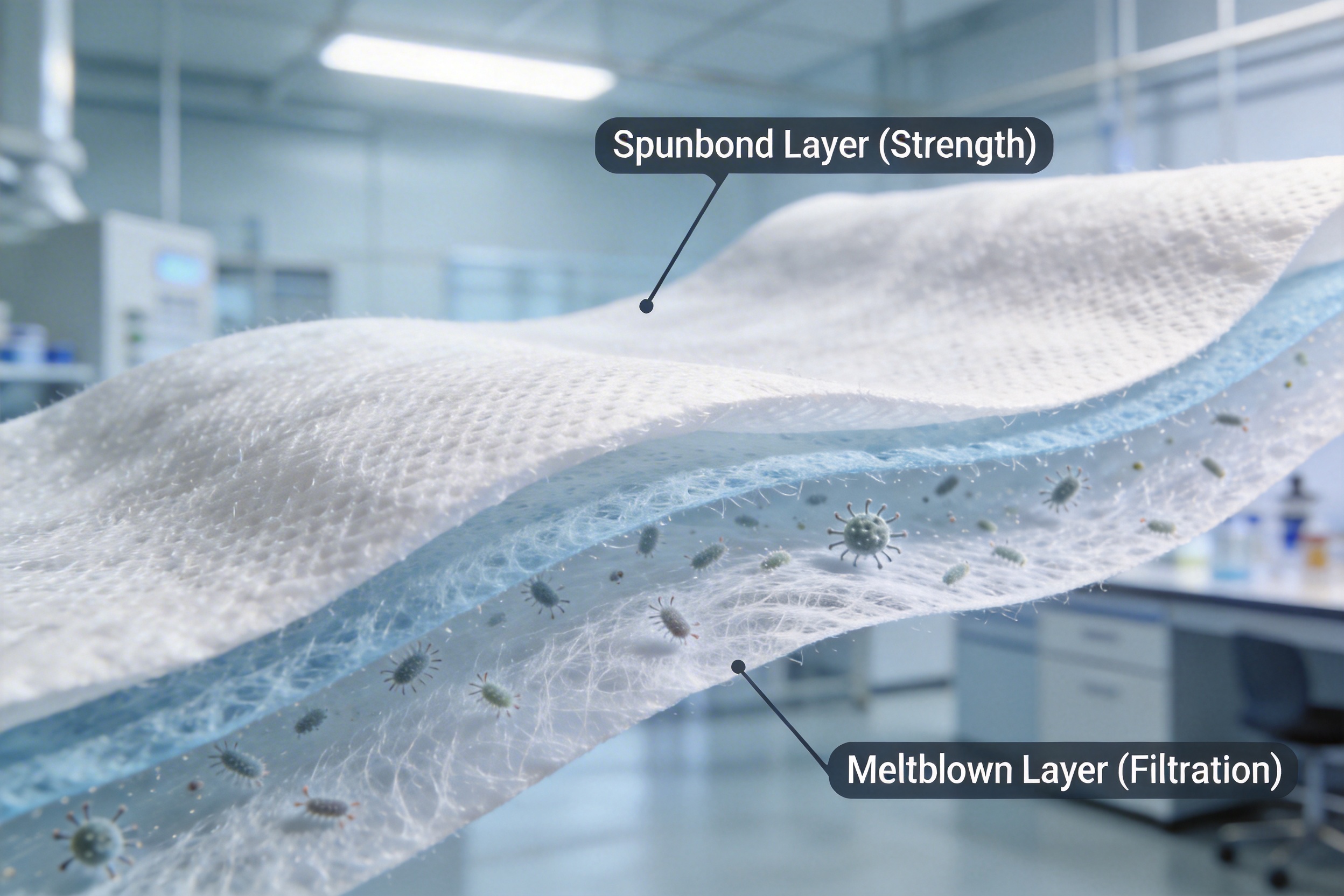
The Oval Dot Spunbond & Meltblown Non-Woven Fabric is a composite material that combines the strength of spunbond layers with the high filtration efficiency of meltblown layers. Its design is tailored to meet the evolving needs of industries where performance, customization, and reliability are non-negotiable.
1.1 Raw Material Composition
At its core, the fabric uses polypropylene (PP) as the primary raw material—chosen for its excellent chemical resistance, thermal stability, and mechanical strength. PP is also lightweight and breathable, making it suitable for applications ranging from medical gowns to diaper components. To enhance functionality, the fabric incorporates a range of accessories: masterbatch (for coloration), functional masterbatch (for specific properties like anti-static or flame retardancy), and functional additives (e.g., electret agents for meltblown layers, aloe vera extract for hydrophilic products).
These raw materials are carefully selected to meet international safety standards, ensuring that the final product is non-toxic, hypoallergenic, and safe for use in medical and hygiene applications. For example, the PP used is medical-grade, compliant with ISO 13485 requirements for medical devices.
1.2 Core Manufacturing Technologies
The fabric is produced using a suite of advanced technologies, each designed to optimize specific properties: - SS (Spunbond): A single layer of spunbond PP, offering high tensile strength and breathability. Ideal for lightweight applications like diaper waistbands or car interior liners. - SSS (Triple Spunbond): Three layers of spunbond PP, enhancing strength and durability. Used for heavy-duty applications like surgical gowns or car covers. - SMS (Spunbond-Meltblown-Spunbond): A composite of one meltblown layer between two spunbond layers. Combines the strength of spunbond with the filtration efficiency of meltblown, making it suitable for isolation clothing and mask surface layers. - SMMS (Spunbond-Meltblown-Meltblown-Spunbond): Two meltblown layers between spunbond layers, increasing filtration efficiency while maintaining strength. Used for surgical gowns and high-performance masks. - SSMMS/SSSMS: Variations with additional spunbond or meltblown layers, tailored for specific functional needs (e.g., higher fluid resistance or better filtration). - M (Meltblown): A single layer of meltblown PP, designed for maximum filtration efficiency. Used as the filter layer in masks and respiratory protective equipment.
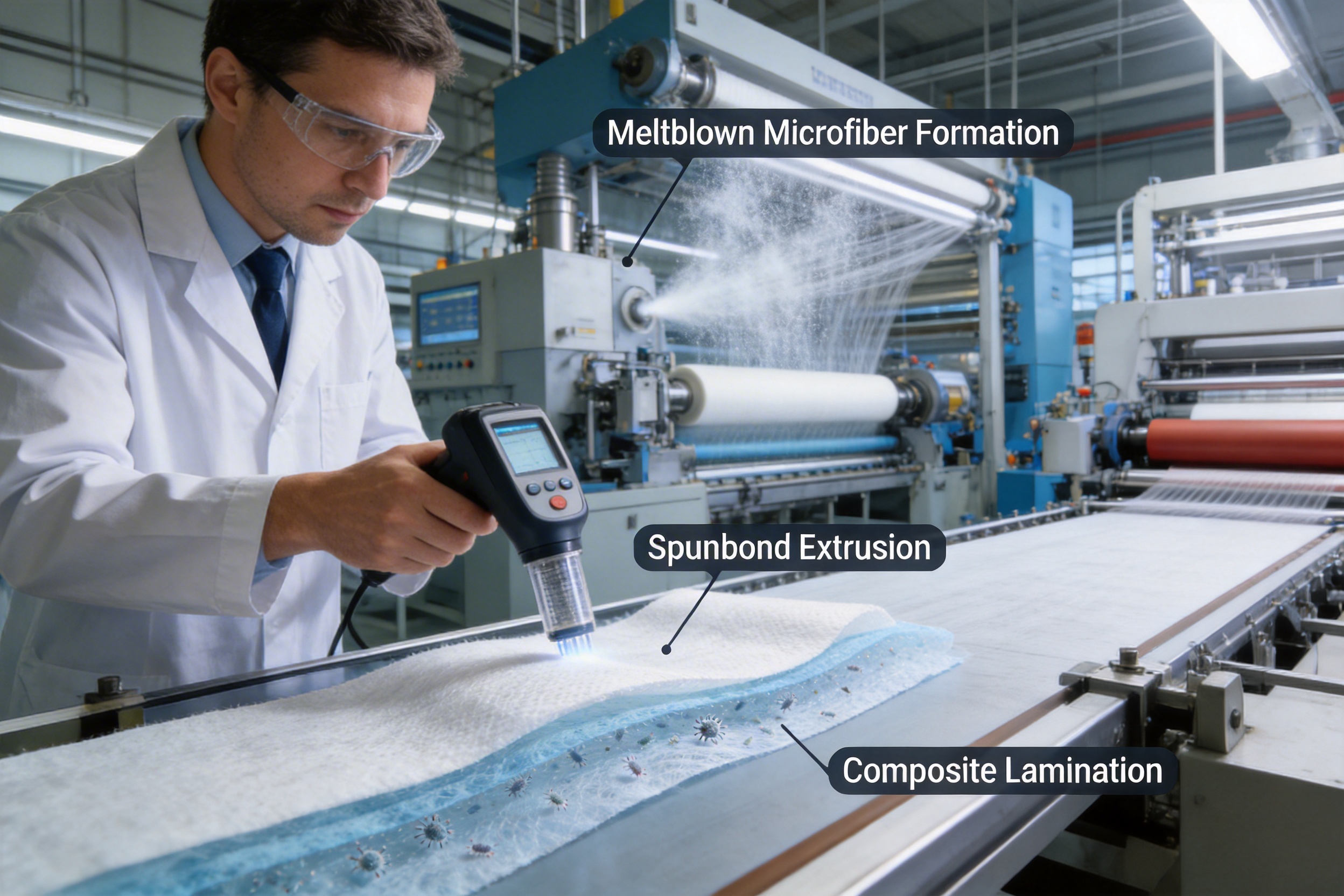
Each technology is fine-tuned to achieve precise gram weights, pattern consistency, and functional properties. For example, the meltblown process uses high-velocity air streams to create microfibers, which trap airborne particles effectively.
2. Unique Advantages Over Competitors
The Oval Dot Spunbond & Meltblown Fabric stands out in the crowded nonwovens market due to its innovative design and customer-centric features. Below are its key advantages:
2.1 Extensive Customization Flexibility
Unlike many competitors who offer limited customization options, this fabric allows customers to tailor almost every aspect of the product to their specific needs: - Pattern: The standard Oval Dot pattern can be replaced with custom designs (e.g., stripes, brand logos) to enhance product branding or functionality. For example, a healthcare provider might request a striped pattern for easy identification of surgical gowns. - Color: A wide range of standard colors (white, blue, yellow, pink, black) is available, with custom color matching for brand-specific requirements. This is particularly valuable for hygiene products like diapers or wipes, where color plays a role in consumer appeal. - Gram Weight: Spunbond layers range from 8g (ultra-lightweight for dry wipes) to 80g (heavy-duty for industrial filters). Meltblown layers range from 20g to 50g, allowing customers to balance filtration efficiency with cost. - Additives: Functional additives can be incorporated to add specific properties: - Scent: Mint, apple, or custom scents for wipes or hygiene products. - Essence: Aloe vera extract for hydrophilic products (e.g., diaper core covers) to enhance skin friendliness. - Functional Agents: Anti-static agents for cleanroom applications, flame retardants for automotive interiors, and ageing resistance for outdoor use.
This level of customization is a game-changer for businesses looking to differentiate their products in competitive markets. Competitors often require minimum order quantities (MOQs) for customizations, but this fabric offers flexible MOQs, making it accessible to small and medium-sized enterprises (SMEs) as well as large corporations.
2.2 Integrated Multi-Functional Properties
One of the most significant advantages of this fabric is its ability to integrate multiple functional properties without compromising on performance. For example: - Three Anti Properties: Anti-alcohol, anti-blood, and anti-grease—critical for medical gowns and isolation clothing to protect against fluid contamination. Competitors often offer only one or two of these properties, requiring additional layers or treatments. - Filtration + Softness: Meltblown layers provide high filtration efficiency (FFP2/FFP3) while spunbond layers ensure softness, making the fabric ideal for mask inner layers (skin-friendly) and outer layers (durable). - Water Repellancy + Hydrophilicity: Some variants combine water repellancy (for anti-leakage layers in diapers) with hydrophilicity (for core covers), eliminating the need for separate materials. - Flame Retardancy + Ageing Resistance: For automotive interiors and car covers, the fabric offers both flame retardancy (safety) and ageing resistance (durability), reducing maintenance costs for customers.
This integration not only simplifies production for customers but also improves the fabric’s overall performance and cost-effectiveness.
2.3 Exceptional Performance Metrics
The fabric’s performance metrics outpace many competitors in key areas: - Filtration Efficiency: Meltblown layers achieve BFE99+ (bacterial filtration efficiency) and PFE99+ (particle filtration efficiency), meeting or exceeding global standards for respiratory protective equipment. Water electret meltblown layers achieve FFP2/FFP3 (EU) and ASTM level 2/3 (US), while electric electret layers offer long-lasting filtration performance. - Tensile Strength: Spunbond layers have high tensile strength (both machine and cross-machine directions), ensuring that the fabric does not tear easily under stress—critical for surgical gowns and industrial filters. - Fluid Resistance: The three anti properties (anti-alcohol, anti-blood, anti-grease) meet the highest standards for medical textiles, protecting healthcare workers from fluid-borne pathogens. - Breathability: Despite its high performance, the fabric remains breathable, reducing discomfort for users in medical and hygiene applications.
Competitors often struggle to achieve this balance—either their fabrics are too thick (reducing breathability) or too thin (compromising strength and filtration). The Oval Dot fabric solves this problem through its composite design.
2.4 Cost-Effectiveness
The fabric’s customizable gram weights and integrated properties make it cost-effective for a wide range of applications: - Reduced Layer Count: Composite technologies like SMS or SMMS eliminate the need for laminating multiple layers, reducing production costs for customers. - Flexible Pricing: Customizable gram weights allow customers to choose options that fit their budget—e.g., 26g SMMS for cost-effective isolation clothing vs. 45g SSMMS for high-performance surgical gowns. - Longer Product Life: Functional properties like ageing resistance and flame retardancy extend the product’s lifespan, reducing replacement costs for customers. - Minimal Waste: The fabric’s precise manufacturing processes minimize waste, which translates to lower costs for both producers and consumers.
For example, a diaper manufacturer using the 12g SSMMS anti-leakage layer can reduce material costs by 15% compared to using separate layers of spunbond and meltblown.
3. Advanced Manufacturing Processes & Company Strengths
The superior quality of the Oval Dot Spunbond & Meltblown Fabric is a direct result of the company’s advanced manufacturing processes and industry-leading strengths. Here’s a closer look:
3.1 State-of-the-Art Equipment & Technology
The company invests heavily in state-of-the-art machinery from global leaders in nonwovens manufacturing—Germany, France, and Italy. This equipment ensures precision, consistency, and high production capacity: - Meltblown Lines: German-made meltblown lines produce microfibers with consistent diameter, enhancing filtration efficiency. These lines also incorporate advanced electret treatment systems (water and electric) to improve particle capture. - Spunbond Lines: Italian-made spunbond lines produce uniform layers with high tensile strength, using advanced extrusion and stretching technologies. - Composite Lines: French-made composite lines combine spunbond and meltblown layers seamlessly, eliminating the need for post-processing laminating. - Testing Equipment: Advanced testing machines (e.g., tensile strength testers, filtration efficiency testers, fluid resistance testers) ensure that every batch meets strict quality standards.
The company’s commitment to technology is evident in its annual R&D investment, which accounts for 5-7% of its revenue—well above the industry average.
3.2 R&D Capabilities & Market Leadership
Founded in 1987, the company is a national high-tech enterprise with over 30 years of experience in nonwovens manufacturing. Its R&D team consists of 150+ engineers and scientists, focusing on: - Functional Additives: Developing new additives for enhanced properties (e.g., biodegradable additives for eco-friendly fabrics, advanced electret agents for longer filter life). - Custom Solutions: Collaborating with customers to develop tailored fabrics for specific applications (e.g., biodegradable nonwovens for sustainable wipes). - Sustainability: Exploring eco-friendly raw materials (e.g., recycled PP) and manufacturing processes to reduce the fabric’s carbon footprint.
The company’s market leadership is reflected in its rankings: it is among the top 10 in China’s nonwovens industry (ranked first) and has been in the world’s top 40 nonwovens manufacturers for 8 consecutive years. It holds over 200 patents for nonwovens technologies, further solidifying its position as an innovation leader.
3.3 Production Scale & Global Reach
The company operates 8 production bases across China—Changxing (HQ), Foshan (Guangdong), Nantong (Jiangsu), Wuhan (Hubei), and others—with a total annual production capacity of over 500,000 tons. This extensive production network allows: - Regional Supply: Reducing logistics costs and lead times for customers in different regions of China and Asia. - Flexible Production: Adjusting production volumes to meet customer demand (from small MOQs to large bulk orders). - Quality Consistency: Standardizing manufacturing processes across all bases to ensure uniform quality.
The company also exports its products to over 50 countries, including the US, EU, Japan, and Southeast Asia, with a global customer base of over 1,000 businesses.
3.4 Rigorous Quality Control
Quality control is a top priority for the company, with strict adherence to international standards: - ISO 13485: Certified for medical device manufacturing, ensuring compliance with global medical regulations. - ISO 9001: Certified for quality management, ensuring consistent product quality. - ASTM: Meets ASTM standards for medical textiles and respiratory protective equipment. - CEN: Meets EU standards for FFP2/FFP3 filtration efficiency.
Every batch of fabric undergoes a series of tests: 1. Gram Weight Test: Ensures the fabric meets the specified gram weight. 2. Tensile Strength Test: Measures the fabric’s strength in machine and cross-machine directions. 3. Filtration Efficiency Test: Verifies BFE, PFE, and FFP standards for meltblown layers. 4. Fluid Resistance Test: Checks anti-alcohol, anti-blood, and anti-grease properties. 5. Functional Additive Test: Confirms the presence and effectiveness of additives (e.g., anti-static, flame retardancy).
Only batches that pass all tests are released to customers, ensuring that the final product meets the highest quality standards.
4. Diverse Applications: From Medical to Industrial
The Oval Dot Spunbond & Meltblown Fabric’s versatility makes it suitable for a wide range of applications across multiple industries. Below are some key use cases:
4.1 Medical Applications
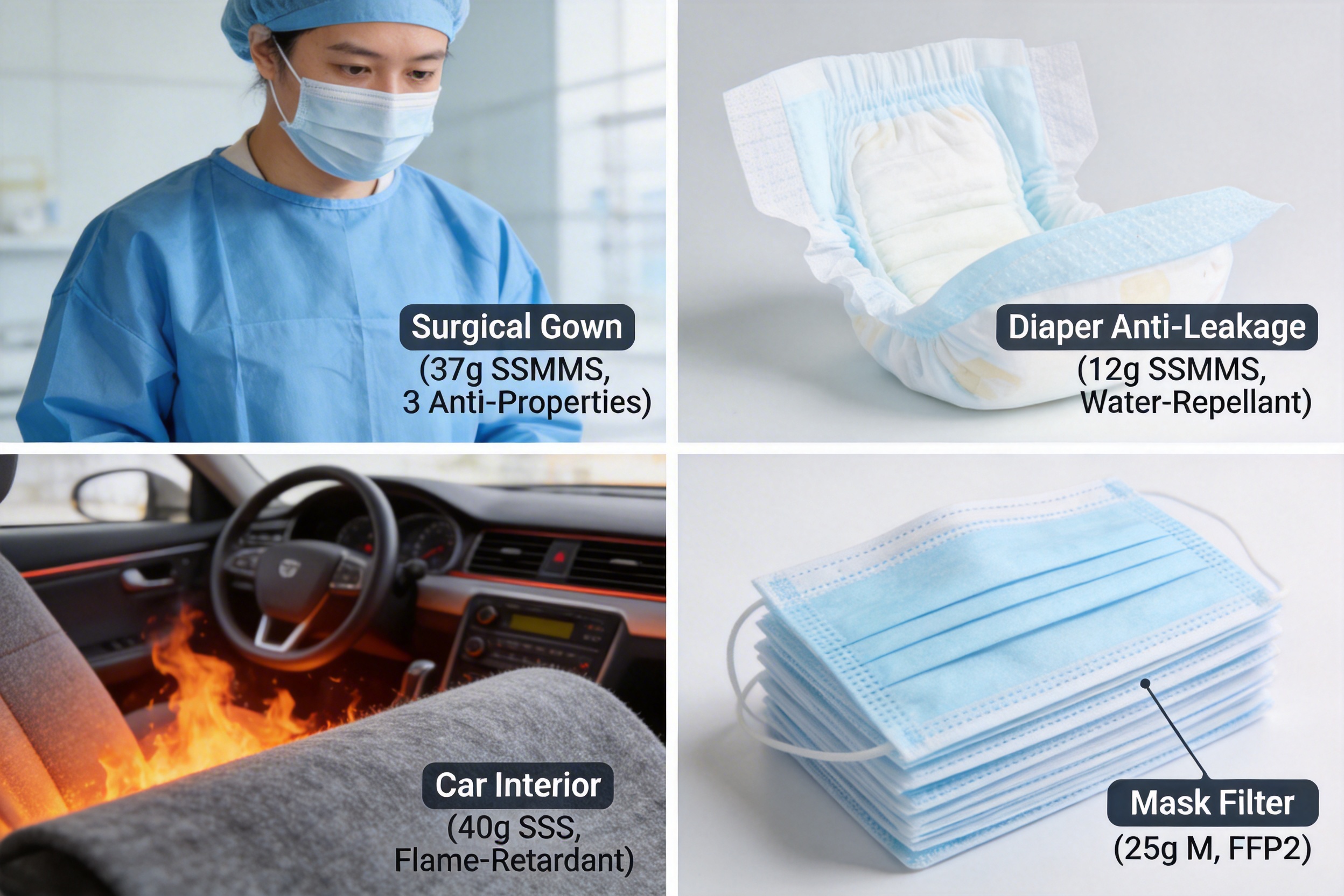
Medical applications demand fabrics that are safe, durable, and effective at protecting against pathogens. The fabric meets these requirements with its multi-functional properties: - Surgical Gowns: 37g and 45g SSMMS variants with three anti properties (anti-alcohol, anti-blood, anti-grease) are used for surgical gowns. These gowns provide full-body protection against fluid contamination, reducing the risk of infection for healthcare workers and patients. - Isolation Clothing: Variants like 26g SMMS (yellow, water repellant, ASTM level 2), 45g SSMMS (white, water repellant), and PP+PE (35g SSS+30g PE, white, anti-static) are used for isolation clothing. These variants offer different levels of protection, depending on the application (e.g., general isolation vs. contact with infectious patients). - Masks: The fabric is used for both mask surface/inner layers and filter layers: - Surface/Inner Layers: 20-50g SSS variants with anti-bacterial and skin-friendly properties. These layers are soft, breathable, and protect the filter layer from damage. - Filter Layers: 25g M variants with water or electric electret treatment. These layers achieve FFP2/FFP3 (EU) or BFE99+/PFE99 (global) standards, making them ideal for medical masks and respiratory protective equipment.
4.2 Hygiene Products
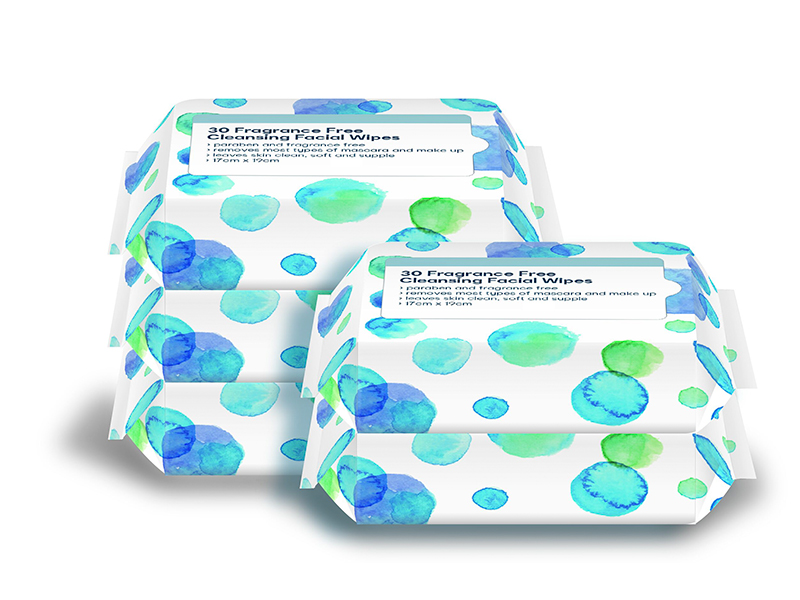
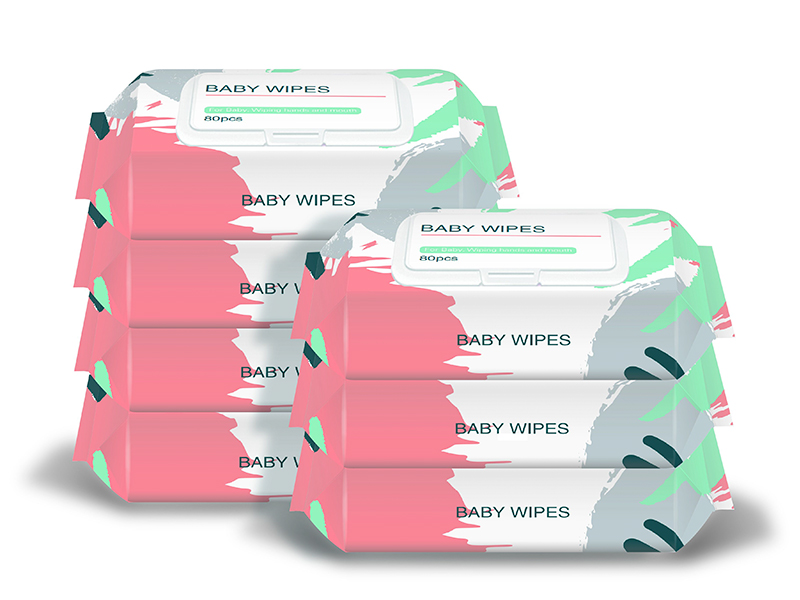
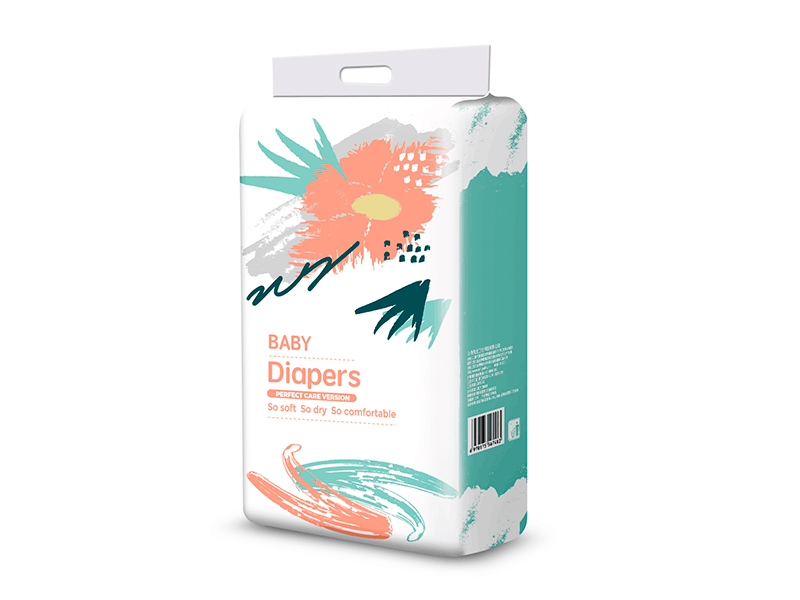
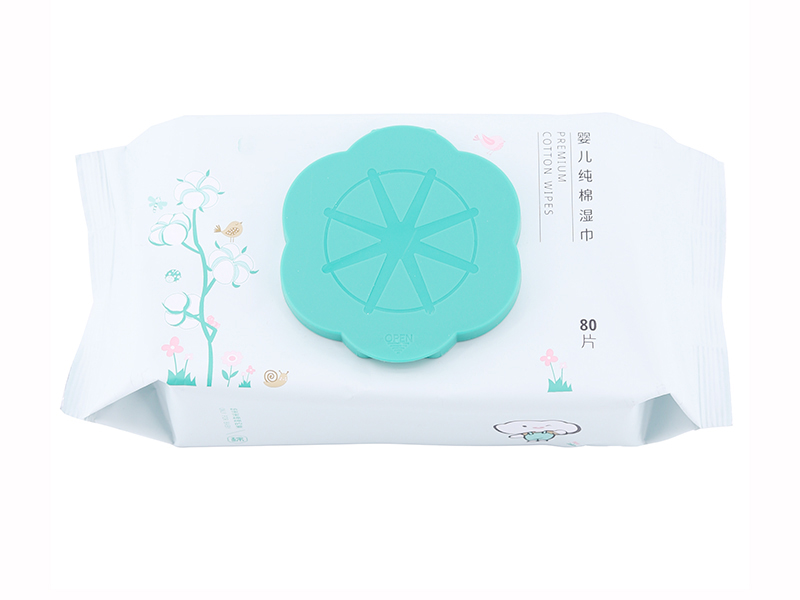
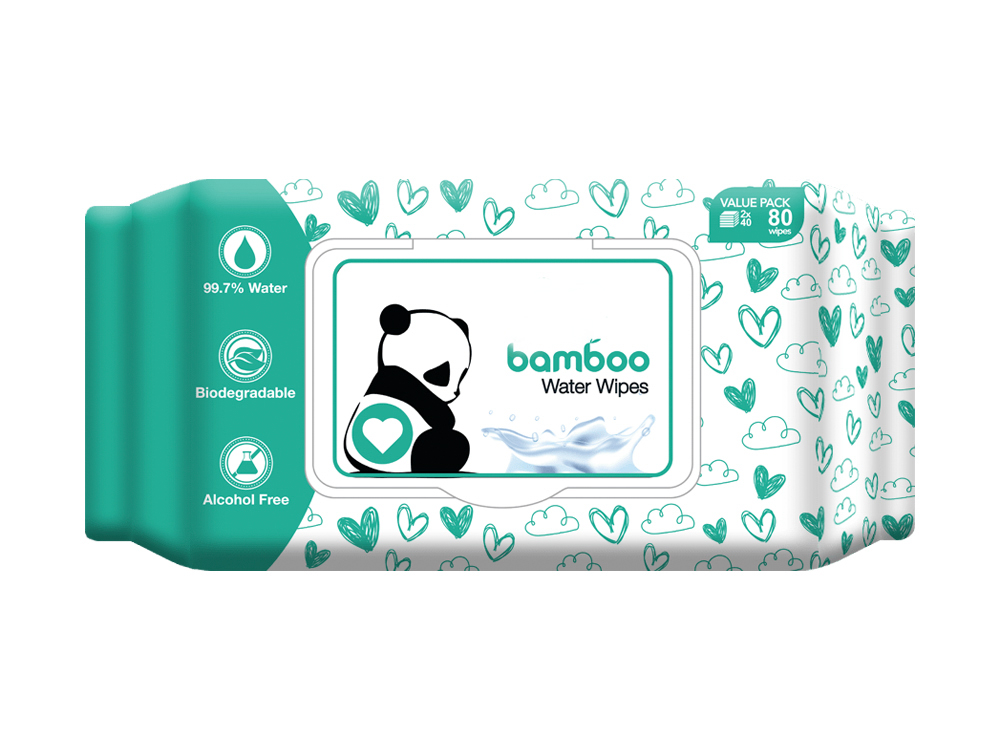
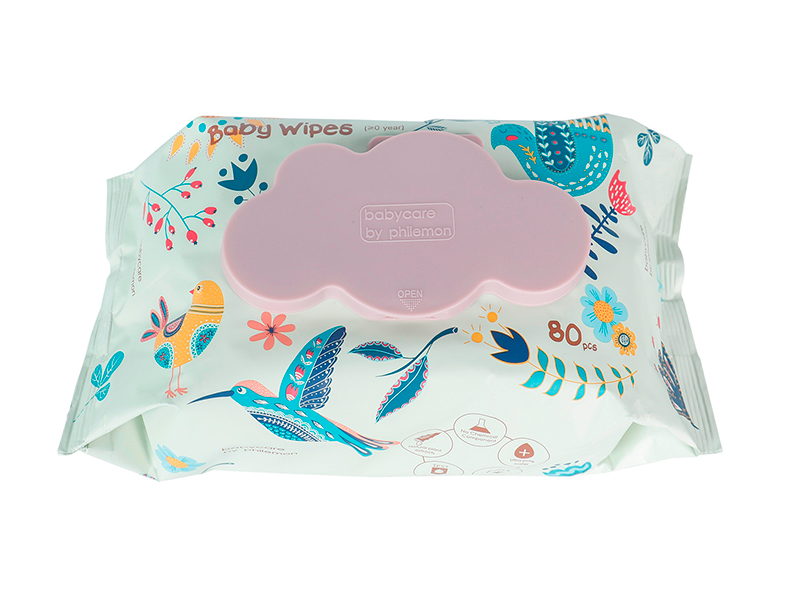
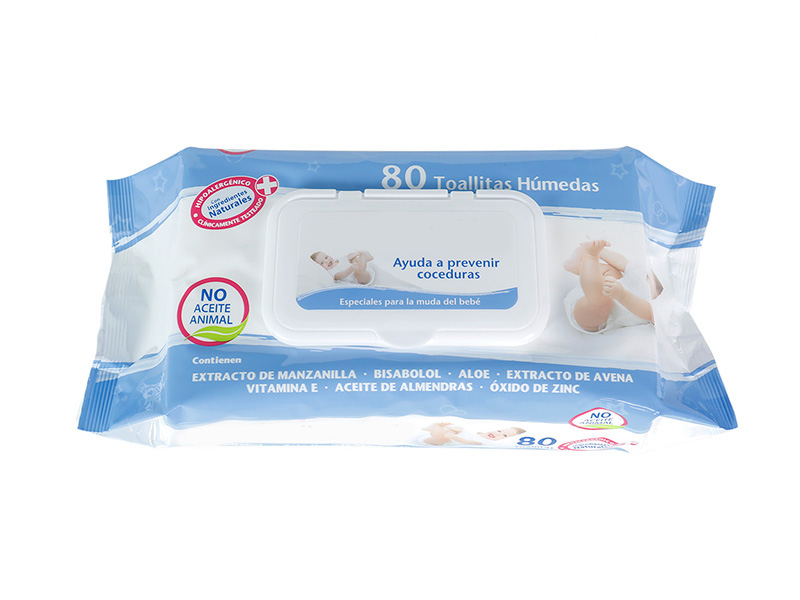
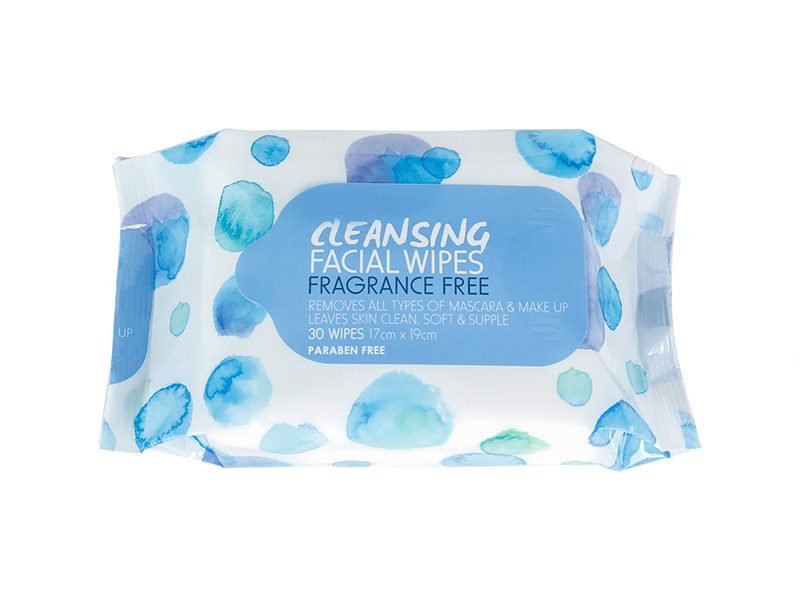
Hygiene products require fabrics that are soft, absorbent, and safe for sensitive skin. The fabric’s customizable properties make it perfect for these applications: - Diaper Components: - Anti-Leakage Protection: 12g SSMMS variant with water repellant properties. This layer prevents leaks while remaining soft against the skin. - Core Cover: 12g SS/SSS/SMS variant with hydrophilic properties. This layer absorbs liquid quickly and distributes it evenly across the diaper core. - Waistbands: 15g and 16g SS/SSS variants with super soft properties. These waistbands are comfortable and elastic, fitting snugly without causing irritation. - Pull-Ups & Period Pants: The same waistband variants are used for pull-ups and period pants, providing comfort and leak protection. - Wipes: 8g SS variant with hydrophilic properties is used for dry and wet wipes. The fabric is soft, absorbent, and can be customized with scents or essences (e.g., aloe vera) for enhanced skin friendliness.
4.3 Industrial & Automotive Applications
Industrial and automotive applications demand fabrics that are durable, functional, and cost-effective: - Car Covers & Agricultural Sheds: 35g SSS variant with ageing resistance. This fabric withstands outdoor elements (sunlight, rain, wind) without degrading, providing long-lasting protection for cars and agricultural equipment. - Car Interiors: 40g SSS variant with flame retardant properties. This fabric is used for car seat covers, door liners, and other interior components, meeting safety standards for automotive use. - Non-Slip Mats: 36g SSS variant with single-side anti-skid properties. This fabric is used for non-slip mats in cars, kitchens, and bathrooms, providing stability and safety. - Industrial Filters: 80g SSS variant with high tensile strength. This fabric is used for industrial filters (e.g., air filters, oil filters), capturing particles effectively while withstanding high pressure.
4.4 Key Specifications by Application
The table below summarizes the key specifications of the fabric for different applications:
| Item | Usage/Functions | Specifications |
|---|---|---|
| 1 | Spunbond/Spunmelt (Surgical Gowns) | 37g, SSMMS, Blue, Three Anti (Anti-Alcohol, Anti-Blood, Anti-Grease) |
| 2 | Surgical Gowns | 45g, SSMMS, Blue, Three Anti (Anti-Alcohol, Anti-Blood, Anti-Grease) |
| 3 | Isolation Clothing | 26g, SMMS, Yellow, Water Repellant, American Standard Level 2 |
| 4 | Isolation/Protective Clothing | 45g, SSMMS, White, Water Repellant |
| 5 | Isolation Clothing | PP+PE (35g SSS +30g PE), White, Antistatic |
| 6 | Mask (Surface & Inner Layer) | 20g/25g/30g/50g, SSS, White, Anti-Bacterial, Skin-Friendly, Super Soft |
| 7 | Anti-Leakage Protection | 12g, SSMMS, White (Creamy White), Water Repellant, Super Soft/Cotton Soft/Soft |
| 8 | Core Cover | 12g, SS/SSS/SMS, White, Hydrophilic |
| 9 | Pull-Ups/Period Pants Waist | 15g, SS/SSS, Creamy White, Super Soft/Cotton Soft/Soft |
| 10 | Pull-Ups/Period Pants Waist | 16g, SS/SSS, Creamy White, Super Soft/Cotton Soft/Soft |
| 11 | Car Covers, Agricultural Sheds | 35g, SSS, White, Ageing Resistance |
| 12 | Car Interiors | 40g, SSS, White, Flame Retardant |
| 13 | Non-Slip Mat | 36g, SSS, White, Single-Side Anti-Skid |
| 14 | Meltblown (Mask Filter Layer) | 25g, M, White, Water Electret Meltblown, FFP2/FFP3 |
| 15 | Mask Filter Layer | 25g, M, White, Electric Electret Meltblown, BFE99+/PFE99 |
5. Customization Options: Tailoring the Fabric to Your Needs
The Oval Dot Spunbond & Meltblown Fabric’s greatest strength is its ability to be customized to meet the unique needs of each customer. Below are the key customization options:
5.1 Pattern Customization
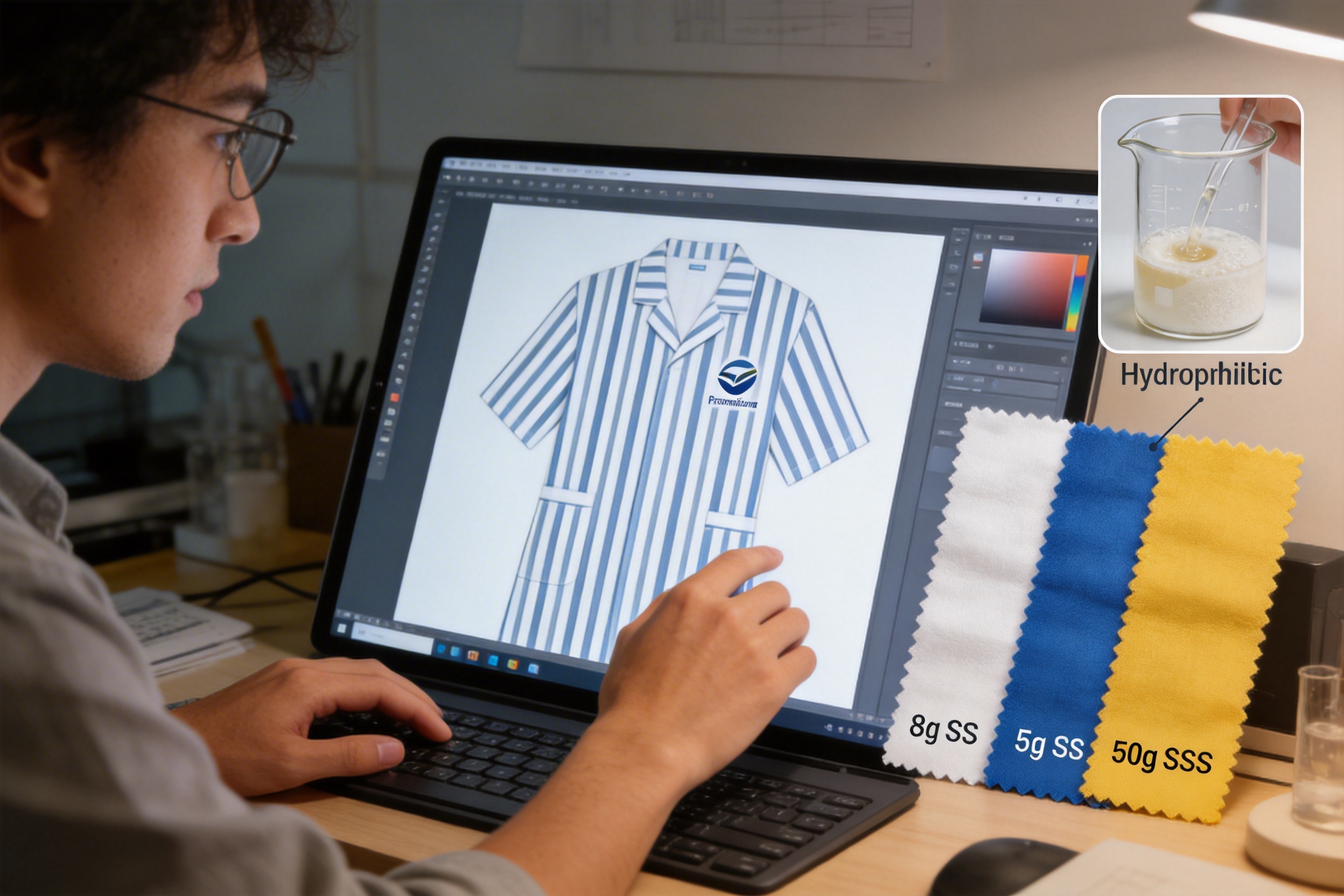
The standard Oval Dot pattern can be replaced with any custom pattern, including: - Stripes: For easy identification of medical gowns or hygiene products. - Logos: Brand logos for promotional wipes or custom packaging. - Geometric Shapes: For industrial applications where pattern affects functionality (e.g., non-slip mats). - Custom Designs: Unique designs for niche products (e.g., luxury wipes or high-end automotive interiors).
The company uses advanced printing technologies to ensure that custom patterns are clear, durable, and compliant with safety standards.
5.2 Color Customization
While the fabric is available in standard colors (white, blue, yellow, pink, black), customers can request custom color matching to their brand guidelines. The company uses high-quality masterbatch to ensure that colors are vibrant, fade-resistant, and safe for use in medical and hygiene applications.
5.3 Gram Weight Customization
Customers can choose from a wide range of gram weights to balance performance and cost: - Spunbond: 8g (ultra-lightweight) to 80g (heavy-duty). - Meltblown:20g (light filter) to50g (high-performance filter). - Composite: Custom combinations of spunbond and meltblown layers to achieve the desired gram weight and properties.
The company’s flexible production lines allow for quick adjustments to gram weights, reducing lead times for custom orders.
5.4 Additive Customization
Functional additives can be incorporated to add specific properties: - Scent Additives: Mint, apple, lavender, or custom scents for wipes and hygiene products. - Essence Additives: Aloe vera, vitamin E, or chamomile for hydrophilic products to enhance skin friendliness. - Functional Additives: - Anti-static: For cleanroom applications or electronic components. - Flame retardant: For automotive interiors or industrial filters. - Ageing resistance: For outdoor applications like car covers. - Anti-bacterial: For medical and hygiene products. - Hydrophilic: For diaper core covers and wipes.
The company works closely with customers to select the right additives for their specific application, ensuring that the final product meets all functional requirements.
5.5 Function Customization
Customers can combine multiple functional properties to create a fabric that meets their unique needs. For example: - Medical Gowns: Three anti properties + water repellancy + anti-static. - Mask Inner Layers: Anti-bacterial + super soft + hydrophilic. - Car Covers: Ageing resistance + water repellancy + UV protection. - Diaper Core Covers: Hydrophilic + anti-bacterial + super soft.
This level of function customization is rare in the nonwovens industry, making the Oval Dot fabric a preferred choice for businesses looking to create innovative products.
6. Frequently Asked Questions (FAQ)
Below are answers to common questions about the Oval Dot Spunbond & Meltblown Non-Woven Fabric:
Q1: What raw materials are used in the fabric?
A: The primary raw material is medical-grade polypropylene (PP). Accessories include masterbatch (coloration), functional masterbatch (specific properties), and functional additives (e.g., electret agents, aloe vera extract).
Q2: What manufacturing technologies are used?
A: The fabric uses a range of technologies: SS (spunbond), SSS (triple spunbond), SMS (spunbond-meltblown-spunbond), SMMS (spunbond-meltblown-meltblown-spunbond), SSMMS, SSSMS, and M (meltblown).
Q3: Can the fabric be customized for medical applications?
A: Yes. For example, surgical gowns can be customized with 37g/45g SSMMS, blue color, and three anti properties. Isolation clothing can be tailored to ASTM/EU standards with varying gram weights and additives.
Q4: What are the filter efficiency standards for meltblown layers?
A: Water electret meltblown layers achieve FFP2/FFP3 (EU) and ASTM level2/3 (US). Electric electret layers meet BFE99+ and PFE99+ standards.
Q5: How does the company ensure quality?
A: The company adheres to ISO13485, ISO9001, ASTM, and CEN standards. Every batch undergoes tests for gram weight, tensile strength, filtration efficiency, fluid resistance, and functional additives.
Q6: What are the key advantages over competitors?
A: Extensive customization, integrated multi-functional properties, exceptional performance metrics, and cost-effectiveness are the key advantages.
Q7: What hygiene products can be made with the fabric?
A: Diaper components (anti-leakage layers, core covers, waistbands), pull-ups, period pants, dry/wet wipes, and feminine care products.
Q8: Does the fabric offer flame retardant properties?
A: Yes. For example, the 40g SSS variant used in car interiors has flame retardant properties.
Q9: What is the company’s market position?
A: Founded in1987, it is a national high-tech enterprise, top10 in China’s nonwovens industry (first place), and top40 globally for 8 consecutive years.
Q10: Can the fabric be used for outdoor applications?
A: Yes. The 35g SSS variant with ageing resistance is ideal for car covers and agricultural sheds.
7. References
- Nonwovens Industry Association. (2023). Global Nonwovens Market Trends: Focus on Medical and Hygiene Applications. [Industry Report]
- European Committee for Standardization (CEN). (2022). EN 149:2001+A1:2009 Respiratory Protective Devices—Filtering Half Masks. [Standard Document]
- American National Standards Institute (ANSI). (2021). ASTM F2100-19 Standard Specification for Performance of Materials Used in Medical Face Masks. [Standard Document]
- International Organization for Standardization (ISO). (2020). ISO 13485:2016 Medical Devices—Quality Management Systems—Requirements for Regulatory Purposes. [Standard Document]
- China Nonwovens Industry Association. (2023). Annual Report on China's Nonwovens Industry: Top 10 Manufacturers. [Industry Report]
- World Intellectual Property Organization (WIPO). (2022). Patent Analysis: Functional Nonwoven Fabrics for Medical Applications. [Patent Report]