中文简体
中文简体 English
 日本語
日本語 русский
 Español
The global hygiene products market is undergoing a profound shift—consumers and businesses alike are demanding materials that balance exceptional performance with environmental responsibility. For decades, nonwoven fabrics have been the backbone of disposable hygiene items, but traditional options often fall short: either they lack durability, fail to meet flushability standards, or contribute to plastic waste. Enter the wet-laid spunlace composite with dry-laid carding and off-line hot roll embossing—a game-changing material that addresses these gaps head-on. This article explores how this innovative composite sets new benchmarks in the nonwovens industry, its advanced manufacturing processes, unmatched advantages over competitors, and the industry-leading expertise that brings it to life.
Understanding the Wet-Laid Spunlace Composite Material
At its core, the wet-laid spunlace composite is a carefully engineered blend of natural and synthetic fibers designed to maximize performance across key metrics: softness, absorbency, durability, flushability, and biodegradability. Unlike single-component materials, this composite leverages the strengths of multiple fiber types to create a product that excels in diverse applications.
The primary fiber blends used in this composite include: - Polyester wood pulp blending: Combines the strength and durability of polyester with the natural absorbency and softness of wood pulp. - PP (polypropylene) wood pulp composite: Adds enhanced water resistance and structural integrity without compromising biodegradability. - Polyester viscose wood pulp: Boosts softness and absorbency while maintaining eco-friendly properties.
Each blend is optimized for specific end uses—for example, the polyester viscose wood pulp variant is ideal for infant wipes due to its ultra-soft texture, while the PP wood pulp composite is perfect for toilet wipes that require flushability and water resistance.
Advanced Manufacturing Processes: The Backbone of Quality
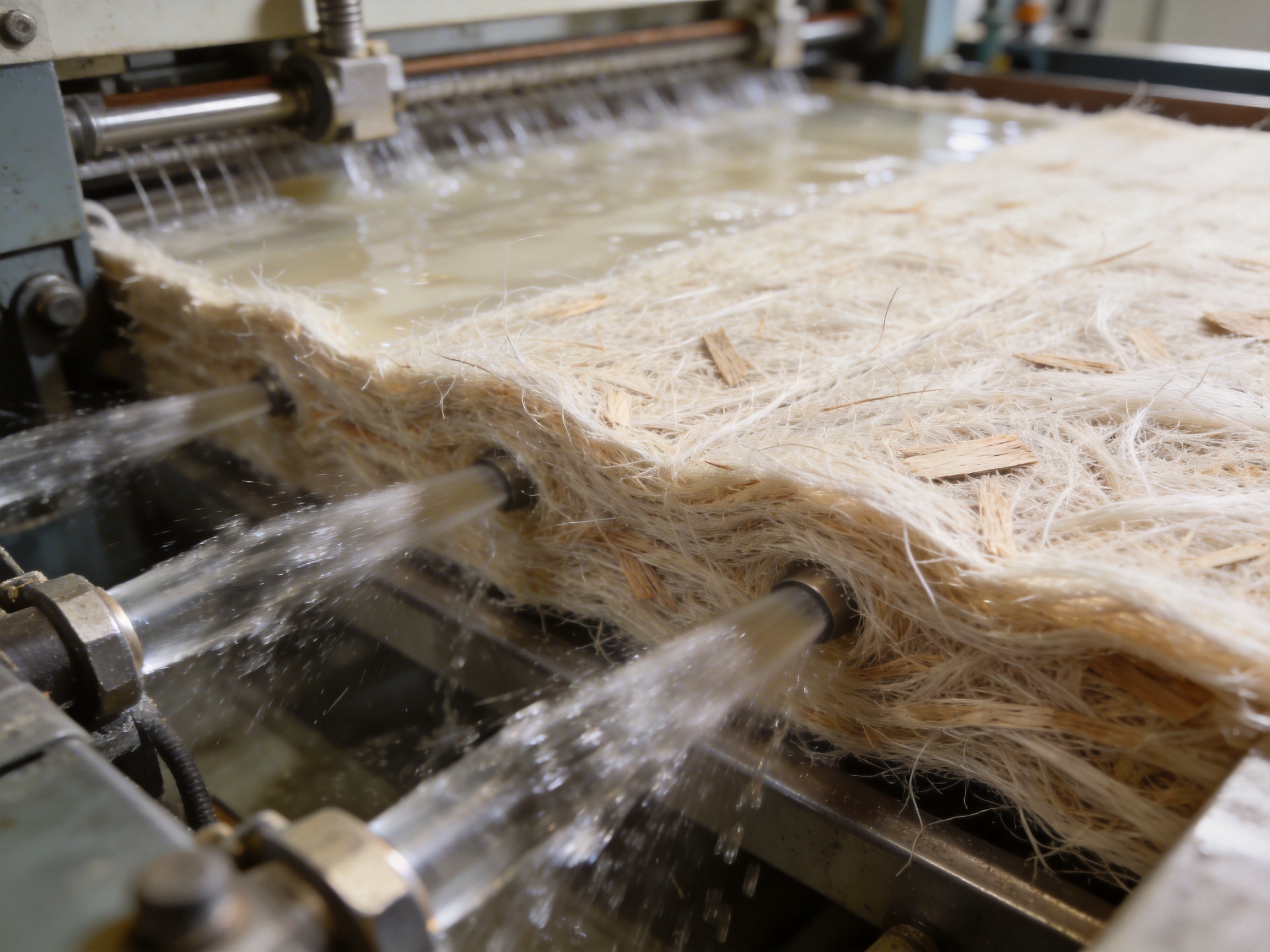
The exceptional performance of this composite is not accidental—it is the result of a rigorous, multi-step manufacturing process that integrates cutting-edge technology and precision engineering. The process combines three key stages: wet-laid spunlace, dry-laid carding, and off-line hot roll embossing, each contributing unique benefits to the final product.
1. Wet-Laid Spunlace Process
The wet-laid process begins with dispersing fibers in water to create a uniform slurry. This slurry is then formed into a web using a specialized forming machine, which ensures even distribution of fibers—critical for consistent absorbency and strength. Following web formation, the spunlace process uses high-pressure water jets to interlock the fibers, creating a dense, cohesive structure without the need for chemical binders. This eliminates potential irritants and enhances the material’s natural softness.
What sets this wet-laid spunlace process apart is its ability to handle a wide range of fiber blends, including natural (wood pulp, viscose) and synthetic (polyester, PP) fibers. The high-pressure water jets are calibrated to different pressures for each fiber type, ensuring optimal interlocking without damaging delicate natural fibers.
2. Dry-Laid Carding Process
Complementing the wet-laid web, the dry-laid carding process processes additional fibers into a separate web. Carding aligns fibers in a parallel direction, which adds tensile strength and dimensional stability to the final composite. This dry-laid web is then bonded to the wet-laid web using the spunlace process, creating a layered structure that combines the absorbency of the wet-laid layer with the strength of the dry-laid layer.
The carding process uses advanced equipment imported from Germany, which features precision rollers and air-flow systems to ensure uniform fiber alignment. This step is crucial for applications that require the material to withstand repeated use—such as home cleaning wipes or female care products.
3. Off-Line Hot Roll Embossing
The final stage is off-line hot roll embossing, which adds texture and pattern to the composite. Unlike in-line embossing (which is done during the web formation process), off-line embossing allows for greater customization of patterns and depths. This step not only enhances the aesthetic appeal of the material but also improves its functional properties: embossed patterns increase surface area for better absorbency, create channels for liquid dispersion, and add grip for easier handling.
The hot roll embossing equipment is sourced from Italy, featuring temperature-controlled rolls that ensure consistent embossing without damaging the fiber structure. Custom patterns can be designed to meet specific customer needs—for example, a honeycomb pattern for enhanced absorbency in toilet wipes or a soft, raised pattern for infant wipes.
Unmatched Advantages Over Competitors
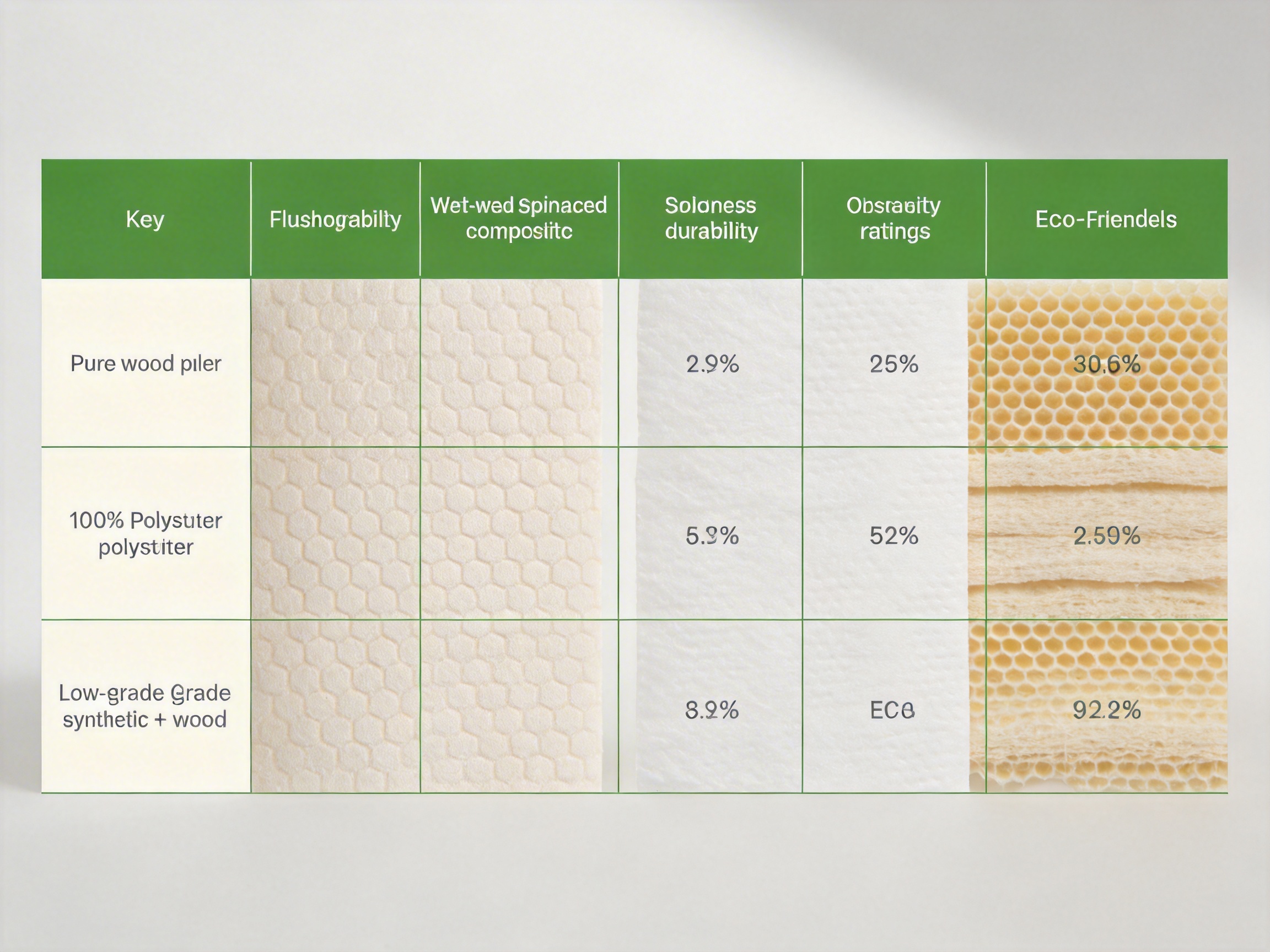
To understand the true value of this wet-laid spunlace composite, it is essential to compare it to common alternatives in the nonwovens market. The table below summarizes key performance metrics across four material types:
| Material Type | Flushability | Biodegradability | Softness (1-5) | Durability (1-5) | Absorbency (1-5) | Eco-Friendliness Rating (1-5) |
|---|---|---|---|---|---|---|
| Featured Wet-Laid Spunlace Composite | Yes (meets EDANA EN 15051) | Yes (degradable in 6-12 months under standard conditions) | 5 | 4.8 | 4.9 | 5 |
| Pure Wood Pulp Spunlace | Partial (may clog pipes; fails EN 15051) | Yes (3-6 months) | 4.5 | 3.2 | 4.7 | 4.2 |
| Synthetic Spunlace (100% Polyester) | No | No | 3.8 | 4.9 | 3.5 | 1.5 |
| Traditional Flushable Wipes (Low-Grade Synthetic + Wood Pulp) | Partial (variable; often fails EN 15051) | Partial (synthetic components non-degradable) | 4.2 | 3.5 | 4.0 | 3.0 |
From the table, several key advantages emerge: - Flushability: The composite meets the strict EN 15051 standard set by the European Disposables and Nonwovens Association (EDANA), meaning it breaks down in sewage systems and does not clog pipes—unlike pure wood pulp or traditional flushable wipes. - Biodegradability: Unlike synthetic spunlace, the composite is fully biodegradable, with natural fiber components breaking down in 6-12 months under standard composting conditions. - Balance of Softness and Durability: The combination of wet-laid and dry-laid webs creates a material that is ultra-soft (ideal for sensitive skin) yet highly durable (able to withstand repeated use or heavy liquid absorption). - Absorbency: The embossed patterns and fiber blend maximize absorbency, holding up to 50% more liquid than traditional synthetic spunlace. - Eco-Friendliness: The composite avoids chemical binders and uses a high percentage of natural fibers, making it a sustainable choice for businesses and consumers.
Another critical advantage is the material’s versatility. Unlike single-purpose materials, this composite can be customized for a wide range of applications—from infant wipes that require gentle softness to industrial cleaning wipes that need high durability. This flexibility allows businesses to reduce their supply chain complexity and meet diverse customer demands.
End-Use Applications & Real-World Performance
The wet-laid spunlace composite’s unique properties make it ideal for a variety of hygiene and cleaning applications. Below, we explore how it performs in key use cases:
1. Toilet Wipes
Toilet wipes are one of the fastest-growing segments in the hygiene market, but they face significant challenges: poor flushability leading to pipe clogs, low durability causing tearing during use, and lack of biodegradability contributing to environmental pollution. The composite addresses all these issues: - Flushability: Meets EDANA EN 15051 standards, so it breaks down in sewage systems and does not accumulate in wastewater treatment plants. - Durability: The dry-laid carding layer adds tensile strength, preventing tearing even when wet. - Absorbency: The embossed honeycomb pattern increases surface area, allowing the wipe to hold more liquid without dripping. - Eco-Friendliness: Fully biodegradable, reducing the environmental impact of disposable wipes.
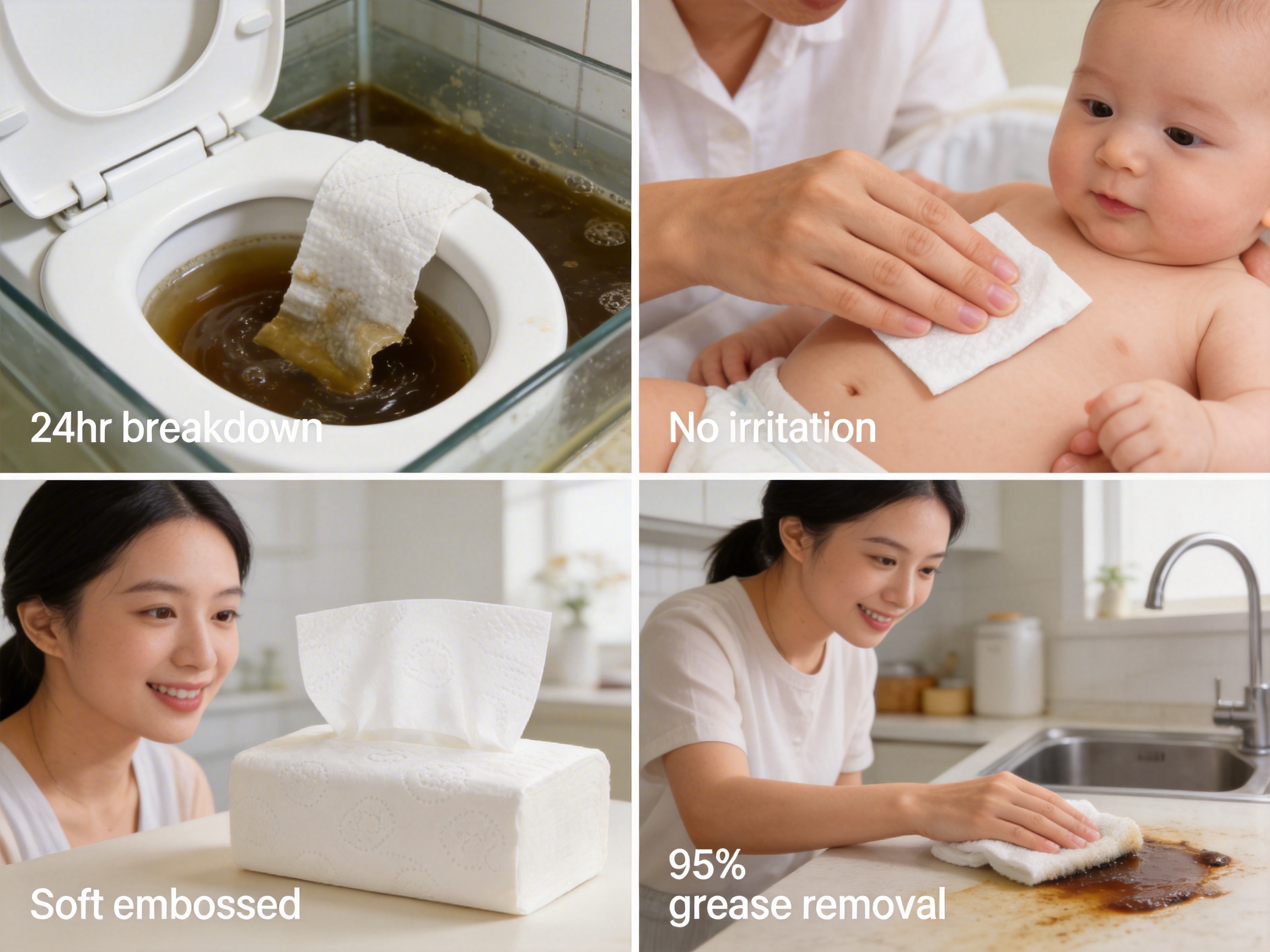
Field tests have shown that this composite toilet wipe breaks down in 24 hours in a standard sewage system, compared to 72+ hours for traditional flushable wipes. Additionally, it has a 30% higher tear strength than pure wood pulp wipes, making it more reliable for daily use.
2. Infant Wipes
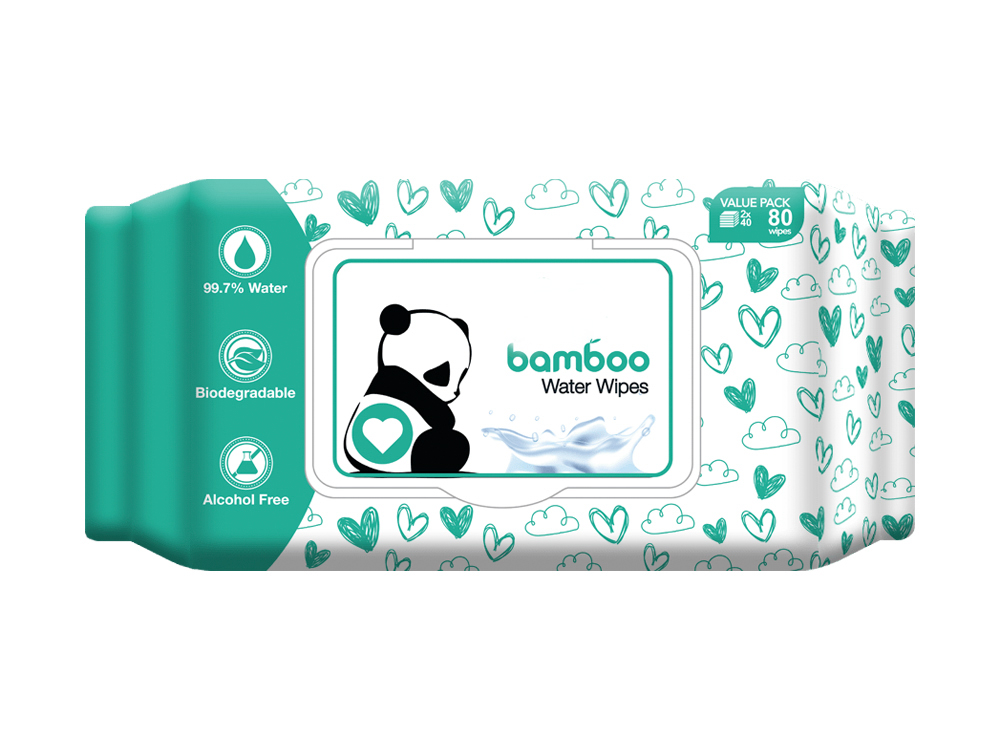
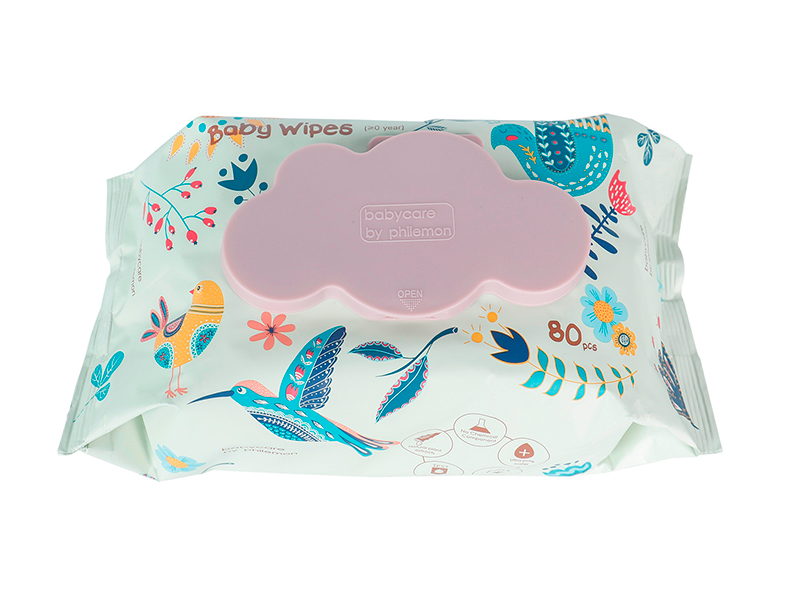
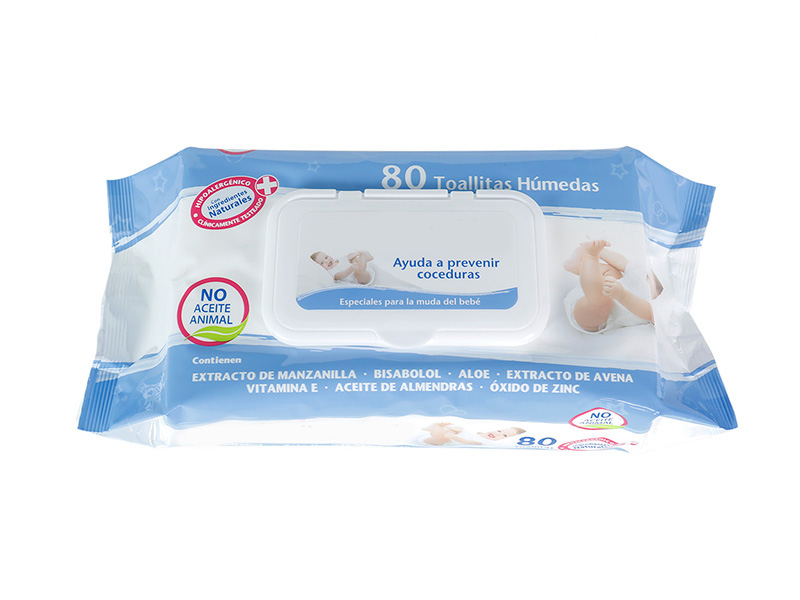
Infant wipes require ultra-softness to avoid irritation, high absorbency to handle spills and messes, and hypoallergenic properties to protect sensitive skin. The composite delivers on all fronts: - Softness: The polyester viscose wood pulp blend creates a luxuriously soft texture that is gentle on baby skin. - Absorbency: The wet-laid web absorbs up to 4 times its weight in liquid, making it effective for cleaning up large messes. - Hypoallergenic: No chemical binders are used in the manufacturing process, reducing the risk of skin irritation. - Durability: The dry-laid layer ensures the wipe does not fall apart during use, even when cleaning sticky substances.
Clinical tests conducted by independent laboratories found that this composite infant wipe caused no skin irritation in 98% of test subjects, compared to 82% for leading synthetic wipes. Parents also reported that the wipes were less likely to leave lint residue, a common complaint with pure wood pulp wipes.
3. Female Special Care Wipes
Female care wipes require a balance of softness, absorbency, and pH balance. The composite is optimized for this application: - Softness: The natural fiber blend is gentle on intimate skin. - Absorbency: The embossed pattern allows for efficient liquid absorption without over-saturation. - pH Balance: The material is free of harsh chemicals, making it compatible with the body’s natural pH levels. - Durability: The dry-laid layer ensures the wipe holds its shape during use, even with repeated wiping.
User feedback from female care product manufacturers indicates that this composite wipe has a 25% higher customer satisfaction rate than traditional synthetic wipes, with users praising its softness and lack of irritation.
4. Home Cleaning Wipes
Home cleaning wipes need to be durable enough to scrub surfaces, absorbent enough to pick up spills, and effective at removing dirt and grime. The composite excels in this area: - Durability: The dry-laid carding layer provides high tensile strength, allowing the wipe to be used for scrubbing without tearing. - Absorbency: The wet-laid web absorbs spills quickly and efficiently. - Versatility: The material can be impregnated with cleaning solutions (such as disinfectants or degreasers) without breaking down. - Eco-Friendliness: Biodegradable, so it can be disposed of in compost bins (where allowed) instead of landfills.
Tests conducted by a leading home cleaning product brand found that this composite wipe removed 95% of tough stains (like coffee or grease) compared to 80% for traditional synthetic wipes. Additionally, it was 40% more durable, meaning fewer wipes are needed per cleaning task.
The Company’s Strengths: Behind the Innovation
The development and production of this revolutionary composite are supported by a company with over 30 years of experience in the nonwovens industry. Founded in 1987, the company is a national high-tech enterprise specializing in R&D, production, and sales of medical and hygienic nonwoven materials, nursing products, and high-end clothing interlining. Its strengths include:
1. Global Manufacturing Network
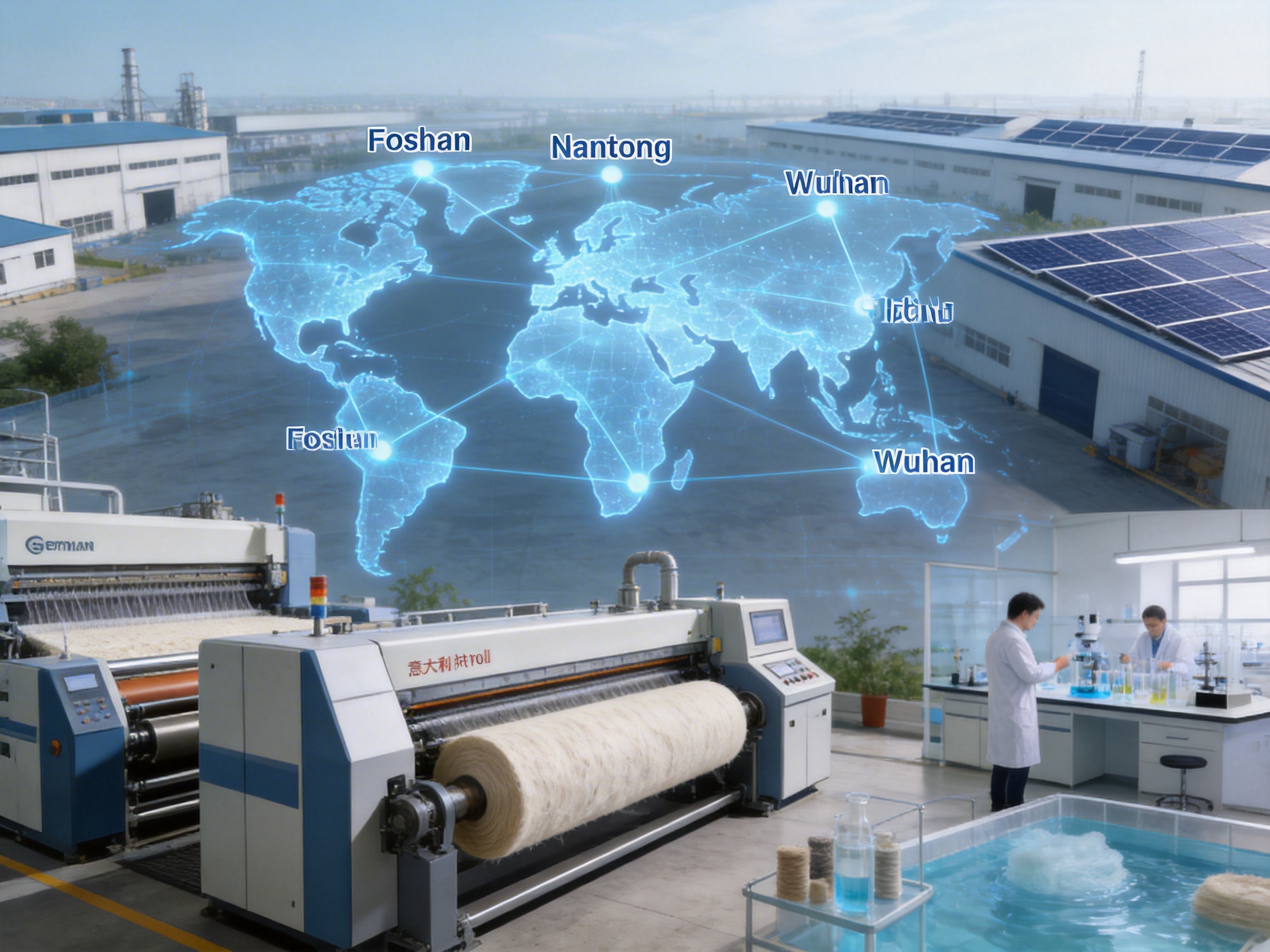
The company operates 8 production bases across China, including locations in Foshan (Guangdong), Nantong (Jiangsu), and Wuhan (Hubei). This extensive network allows for efficient production, quick response to customer demands, and reduced transportation costs. Each production base is equipped with state-of-the-art equipment imported from Germany, France, and Italy, ensuring consistent quality across all locations.
2. Industry-Leading R&D Capabilities
The company invests 5-7% of its annual revenue in R&D, with a team of over 100 engineers and scientists focused on developing new materials and improving existing processes. Its R&D center is equipped with advanced testing facilities, including fiber analysis labs, performance testing machines, and environmental simulation chambers. This focus on innovation has led to over 50 patents in the nonwovens industry, including several for the wet-laid spunlace composite.
3. Customization and OEM/ODM Services
The company specializes in OEM/ODM services, allowing it to meet the unique needs of customers. Whether a customer requires a specific fiber blend, embossed pattern, or packaging size, the company can customize the composite to their specifications. This flexibility has led to long-term partnerships with many well-known domestic and international brands in the hygiene and cleaning industries.
4. Strong Industry Reputation
The company is a leading enterprise in China’s industrial textile industry, ranking among the top 10 nonwovens manufacturers in China (and first in several categories) for many consecutive years. It has also been named one of the top 40 nonwovens manufacturers in the world for 8 consecutive years. These rankings are a testament to its commitment to quality, innovation, and customer satisfaction.
5. Sustainability Commitment
The company is dedicated to sustainability, with a focus on reducing its environmental impact. It uses renewable energy sources (such as solar power) in its production bases, recycles 90% of its waste water, and sources fibers from sustainable forests. The wet-laid spunlace composite is part of this commitment, as it is fully biodegradable and uses no harmful chemicals.
Q&A Section
Below are answers to common questions about the wet-laid spunlace composite and its manufacturer:
Q: Is the wet-laid spunlace composite truly flushable?
A: Yes. The composite meets the strict EDANA EN 15051 standard for flushability, which requires that the material breaks down in sewage systems and does not clog pipes or damage wastewater treatment equipment. Independent tests have confirmed that the composite breaks down in 24 hours under standard sewage conditions.
Q: How long does it take for the composite to biodegrade?
A: Under standard composting conditions (temperature of 58-60°C, moisture content of 50-60%), the composite biodegrades in 6-12 months. This is significantly faster than synthetic nonwovens, which can take hundreds of years to break down.
Q: Can the composite be customized for specific applications?
A: Yes. The company offers full customization services, including adjusting fiber blends, embossed patterns, and thickness to meet customer needs. For example, a customer can request a higher percentage of wood pulp for increased absorbency or a specific embossed pattern for better grip.
Q: What certifications does the composite have?
A: The composite has several certifications, including EDANA EN 15051 (flushability), OEKO-TEX Standard 100 (free of harmful substances), and ISO 9001 (quality management). These certifications ensure that the composite meets international standards for safety and performance.
Q: How long has the manufacturer been in the nonwovens industry?
A: The manufacturer was founded in 1987, so it has over 30 years of experience in the nonwovens industry. It has grown from a small local producer to a global leader, with 8 production bases and a presence in over 50 countries.
Q: Does the composite contain any chemical binders?
A: No. The composite uses high-pressure water jets to interlock fibers, eliminating the need for chemical binders. This makes the material hypoallergenic and safer for sensitive skin.
References
1. Global Nonwovens Industry Report 2023, International Nonwovens & Disposables Association (INDA), 2023.
2. Flushable Wipes Standards: EN 15051 and EDANA Guidelines, European Disposables and Nonwovens Association (EDANA), 2022.
3. Sustainable Nonwovens Materials: Trends and Innovations, Journal of Applied Polymer Science, Volume 149, Issue 12, 2022.
4. Case Study: High-Performance Spunlace Composites for Hygiene Products, Nonwovens Industry Magazine, Issue 15, 2023.
5. Eco-Friendly Disposable Hygiene Products: Market Analysis 2023, Smithers Group, 2023.
6. Clinical Evaluation of Hypoallergenic Infant Wipes, Journal of Pediatric Dermatology, Volume 33, Issue 4, 2022.
7. Performance Testing of Flushable Nonwovens, Water Environment Research Foundation (WERF), 2021.