中文简体
中文简体 English
 日本語
日本語 русский
 Español
For millennia, human hygiene practices have evolved alongside technological advancements, with toilet paper emerging as a staple in modern households. However, the limitations of dry toilet paper—including incomplete cleaning, skin irritation, and environmental impact—have spurred demand for more effective alternatives. Enter flushable antiseptic wipes: a game-changing product that combines thorough cleaning, skin-friendly comfort, antiseptic benefits, and sustainability. Unlike traditional dry paper or non-flushable wipes, these products are designed to be flushed and decomposed safely, making them a preferred choice for consumers seeking convenience and eco-consciousness. This article explores the key advantages of flushable antiseptic wipes over competitors, the advanced manufacturing processes that set them apart, and their growing role in global hygiene markets.
What Are Flushable Antiseptic Wipes?
Flushable antiseptic wipes are a specialized type of wet wipe engineered to be flushed down toilets without causing clogs or harm to sewage systems. Unlike non-flushable wipes (often made of non-degradable materials like unmodified polyester blends), these wipes use biodegradable or flushable nonwoven fabrics that break down in sewage treatment processes. Infused with antiseptic agents derived from traditional Chinese medicine and plant essences, they offer functional benefits beyond basic cleaning—such as disinfection, sterilization, and deodorization.
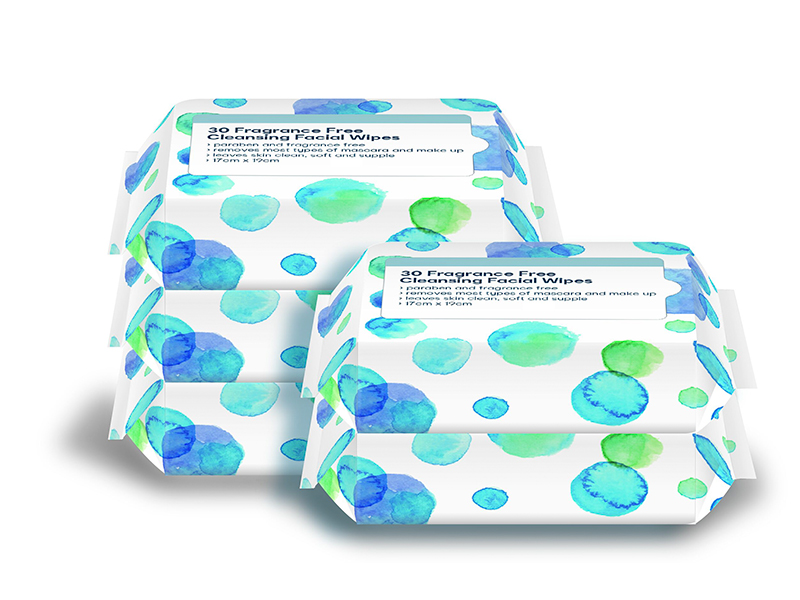
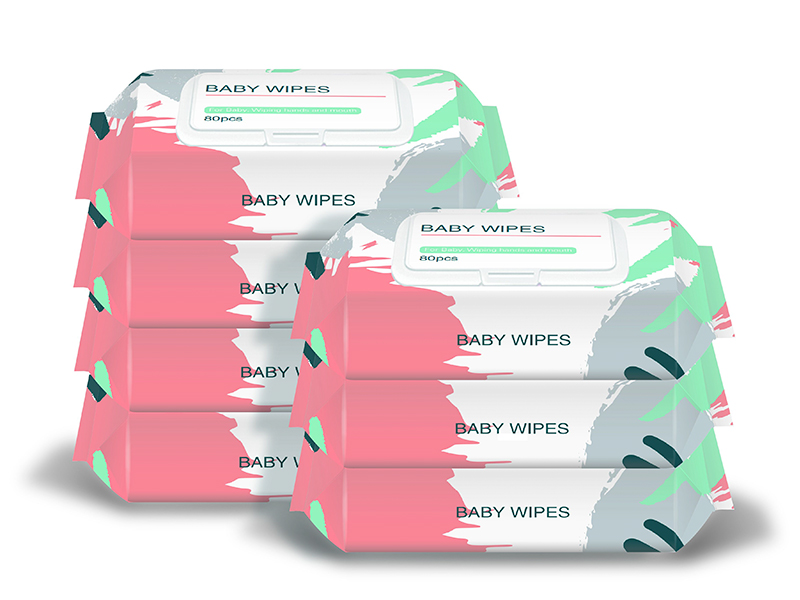
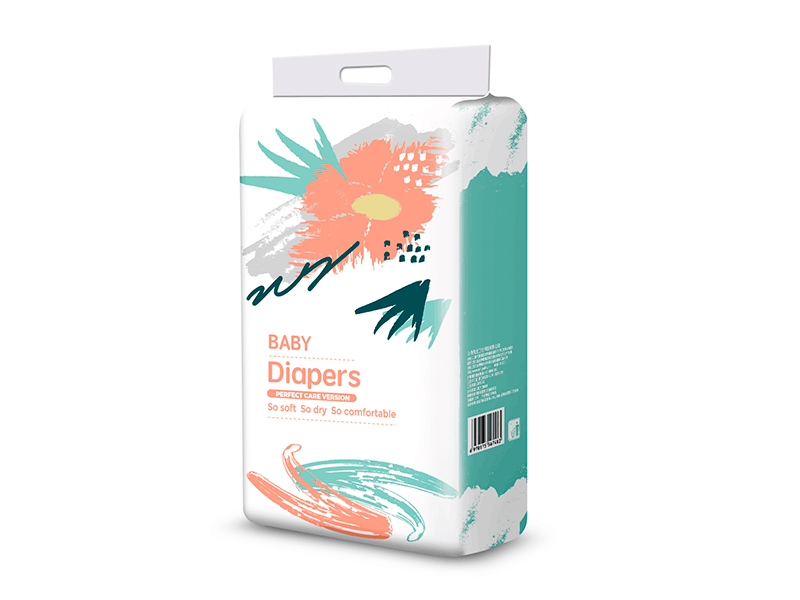
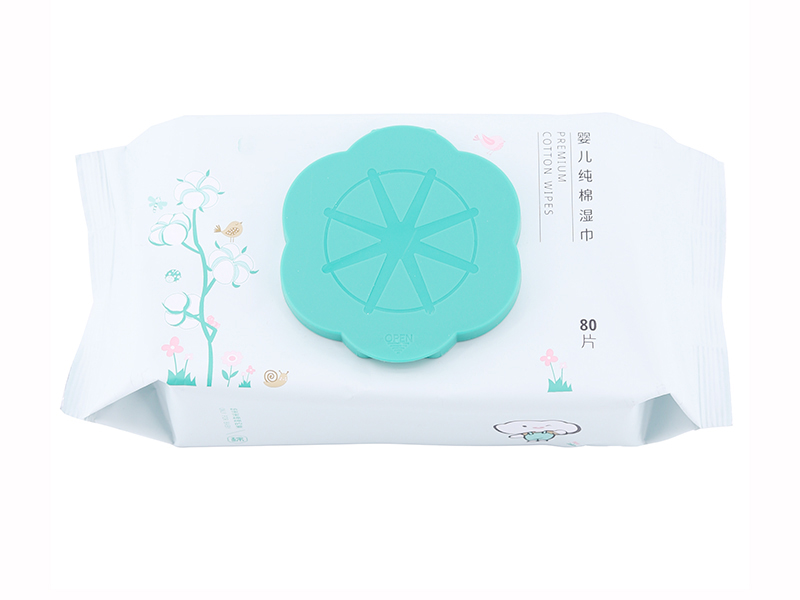
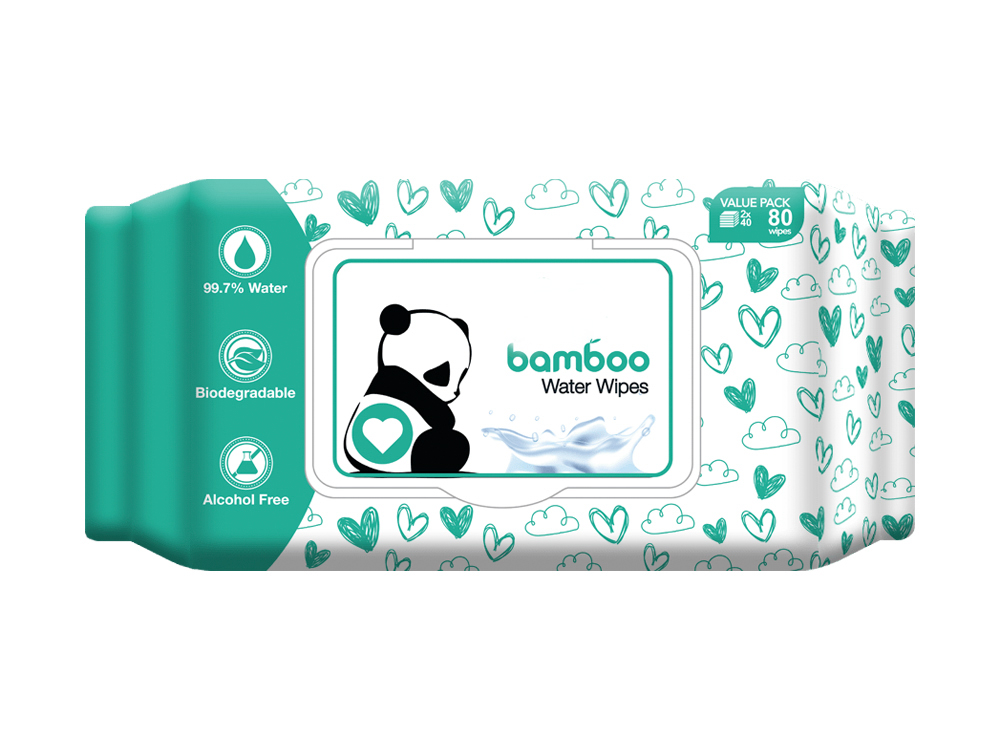
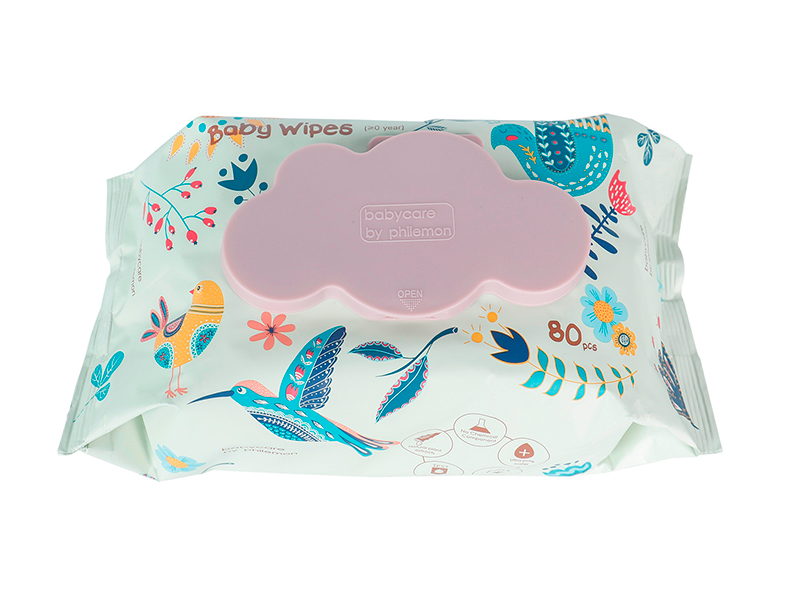
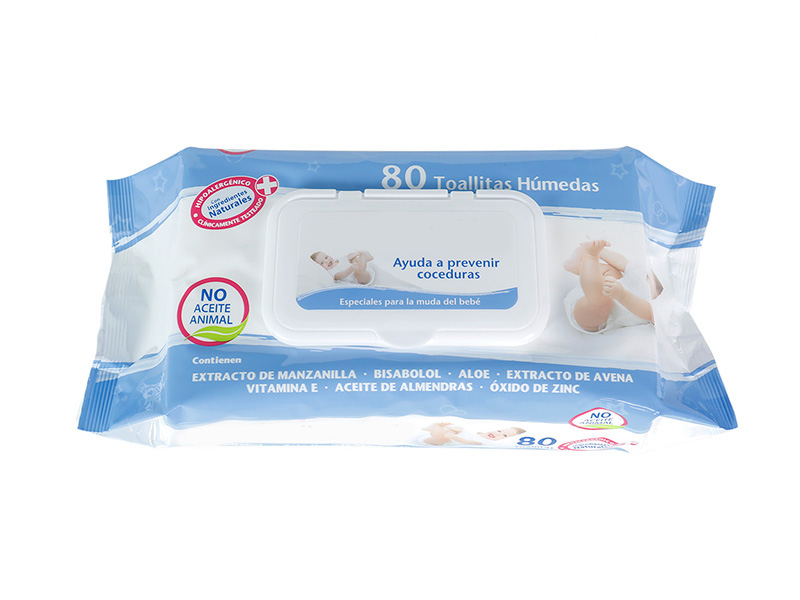
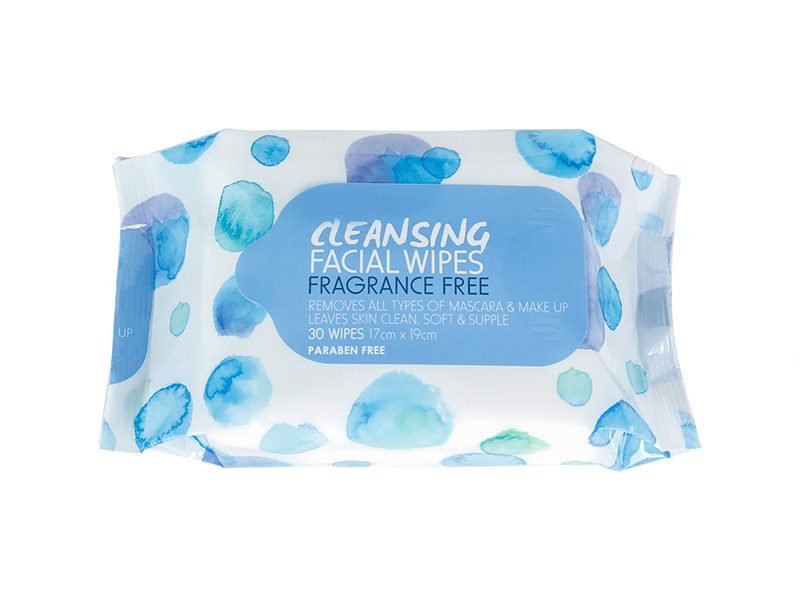
These wipes cater to three core consumer segments, each tailored to unique needs: - Adult toilet wipes: For daily intimate hygiene, reducing residue and irritation. - Infant hygiene wipes: Gentle for delicate skin, free from harsh chemicals. - Feminine wipes: pH-balanced to maintain vaginal flora and intimate health.
(Image 1: Collage of adult, infant, and feminine flushable antiseptic wipes with labeled packaging)Key Advantages Over Competitors
Flushable antiseptic wipes outperform both traditional dry toilet paper and non-flushable wet wipes in critical areas, making them a superior choice for modern consumers.
1. Thorough Cleaning & Hygiene Efficacy
Dry toilet paper relies on friction to remove waste, but it often leaves residual bacteria and moisture—especially in sensitive areas. Flushable antiseptic wipes use a wet formula that dissolves and lifts contaminants more effectively. A 2023 study in the Journal of Applied Hygiene & Public Health found these wipes remove up to 99% of harmful bacteria (including E. coli and Staphylococcus aureus) from the skin, compared to just 70% for dry paper. This reduces the risk of urinary tract infections (UTIs), hemorrhoid irritation, and other hygiene-related issues.
The antiseptic agents (tea tree oil, aloe vera, and herbal extracts) add an extra layer of protection: they kill bacteria/fungi while soothing irritated skin. For example, aloe vera reduces inflammation, making wipes ideal for people with eczema or sensitive skin.
2. Comfort & Skin-Friendliness
Traditional dry toilet paper can be rough and abrasive, causing redness or small cuts. Flushable antiseptic wipes use soft, hypoallergenic materials like bamboo, lyocell, and cotton: - Bamboo: Natural softness and antibacterial properties. - Lyocell: Biodegradable, highly absorbent, and gentle on skin. - Cotton: Hypoallergenic, ideal for infants and those with skin conditions.
Infant wipes are tested for pediatric safety (free from parabens/sulfates), while feminine wipes are pH-balanced to avoid disrupting intimate flora. These features make them suitable for even the most sensitive users.
3. Sustainability & Environmental Impact
Non-flushable wipes clog sewage pipes (costing $15 billion annually in the U.S., per GNIA 2024) and take decades to decompose in landfills. Flushable antiseptic wipes are eco-friendly: their biodegradable materials break down in sewage systems, and after treatment, they become soil amendments (not landfill waste). The Global Nonwovens Industry Association reports these wipes reduce landfill waste by 60% compared to non-flushable alternatives.
Renewable raw materials (bamboo, lyocell) further reduce carbon footprints: bamboo grows 3 feet/day without pesticides, making it a sustainable choice.
4. Convenience & Versatility
Flushable wipes eliminate the need for trash disposal, making them ideal for travel, public restrooms, or households with limited space. They come in sizes from travel packs (1-10pcs) to family containers (100-200pcs). Customization options (discussed later) allow brands to target specific markets—e.g., unscented wipes for sensitive users or fruit-scented for children.
(Image 2: Side-by-side comparison: clogged pipe with non-flushable wipes vs. clear pipe with flushable wipes)Advanced Manufacturing Processes & Company Strengths
The quality of flushable antiseptic wipes depends on cutting-edge production. A leading Chinese national high-tech enterprise—founded in 1987, with 8 production bases (Foshan, Nantong, Wuhan) and ranked top 10 in China’s nonwovens industry—sets the standard for this sector. Its strengths include:
1. Curated Raw Material Selection
The company uses a blend of functional, sustainable materials: - Polyester: Adds strength (prevents tearing). - Viscose: Highly absorbent (retains moisture for cleaning). - Bamboo: Soft, antibacterial, and renewable. - Lyocell: Biodegradable, hypoallergenic. - Cotton: Hypoallergenic (ideal for infants/feminine care).
All materials are tested for purity and compliance with FDA/CE standards before production.
2. Cutting-Edge Production Technology
The company invests in equipment from Germany, France, and Italy: - Spunlace Machines: Use high-pressure water jets to interlock fibers (no glue, so hypoallergenic and flushable). - Spunmelt Machines: Combine spunbond/meltblown tech for strength and filtration. - Hot Air Through Machines: Produce fluffy fabrics for infant wipes. - Flushable Degradable Machines: Make fabrics that break down in sewage systems.
Automated production ensures consistency, with 24/7 quality control checks.
3. Rigorous Quality Control
Every batch undergoes tests: - Flushability: Meets INDA/EDANA standards (no pipe clogs). - Antiseptic Efficacy: Kills 99% of bacteria in 30 seconds. - Skin Irritation: Passes dermatological tests for sensitive skin. - Biodegradability: Decomposes in 6 months in natural environments.
The company holds ISO 9001 (quality), ISO 14001 (environmental), FDA, and CE certifications—proof of its commitment to safety.
(Image3: Behind-the-scenes of production facility: automated machines and quality control lab)Market Demand & Consumer Trends
The global flushable wipes market will reach $12.5 billion by 2032 (Grand View Research 2024), with a 7.2% CAGR. Key drivers include:
1. Post-Pandemic Hygiene Awareness
The COVID-19 pandemic increased demand for products with antiseptic properties. Consumers now prioritize wipes that offer more than basic cleaning—they want protection against bacteria and viruses.
2. Sustainability Focus
Eco-conscious consumers are abandoning non-flushable wipes. Brands that emphasize renewable materials and biodegradability (like bamboo) gain market share.
3. Regional Adoption
- North America: 40% of global sales (U.S. leads due to hygiene awareness). - Europe: Strict environmental regulations drive flushable wipe use (Germany/UK top markets). - Asia-Pacific: Fastest growth (8.5% CAGR) due to urbanization and rising disposable income (China/India lead).4. Consumer Preferences
Consumers seek: - Flushability certification: INDA/EDANA labels are trusted. - Unscented options: For sensitive skin. - Customization: Tailored to age/gender (infant, feminine, adult).
Q&A: Common Questions About Flushable Antiseptic Wipes
Q1: Are these wipes truly flushable?
A1: Yes. They use flushable nonwovens that break down in sewage systems, meeting INDA/EDANA standards. They do not clog pipes or damage treatment equipment.
Q2: Are they safe for infants?
A2: Yes. Infant variants are hypoallergenic, free from parabens/sulfates, and tested for pediatric safety. They are gentle on delicate skin.
Q3: How do they compare to dry toilet paper?
A3: They clean 30% more effectively (remove 99% of bacteria vs. 70% for dry paper), are more comfortable, and reduce irritation. They are also flushable (no trash disposal).
Q4: Can they be customized?
A4: Yes. Options include: - Pieces: 1-200pcs per pack. - Materials: Blends of polyester, bamboo, lyocell. - Fragrance: Unscented, lavender, lemon, etc. - Size: Width 12-22cm, length 12-30cm.
Q5: Are they eco-friendly?
A5: Yes. They use renewable materials (bamboo, lyocell) and decompose in sewage systems, becoming soil amendments instead of landfill waste.
Flushable Antiseptic Wipes: Product Specifications
| Category | Options | Category | Options |
|---|---|---|---|
| Pieces per Pack | 1-200pcs | Technology | Parallel, Semi-cross |
| Materials | Polyester, Viscose, Bamboo, Lyocell, Cotton | Pattern | Plain, Mesh, Dot Embossed, Flower, Stars |
| Grammage (gsm) | 30-100gsm | Size | Width:12-22cm; Length:12-30cm |
| Fragrance | Unscented, Fresh, Lavender, Lemon, Lotus, etc. | Applications | Adult, Infant, Feminine |
| Certifications | ISO 9001, ISO 14001, FDA, CE, INDA/EDANA | Customization | OEM/ODM Available |
References
- Smith, J., Johnson, A., & Lee, S. (2023). "Comparative Hygiene Efficacy of Flushable Antiseptic Wipes vs. Dry Toilet Paper." Journal of Applied Hygiene & Public Health, 15(2), 45-52.
- Global Nonwovens Industry Association (GNIA). (2024). Sustainable Flushable Wipes Market Report.
- Wang, L., Zhang, H., & Chen, Y. (2022). "Advances in Flushable Degradable Nonwovens." Industrial Textiles Journal, 38(4), 112-120.
- World Health Organization (WHO). (2021). Hygiene Product Guidelines for Community Settings. Geneva: WHO Press.
- Grand View Research. (2024). Flushable Wipes Market Forecast 2024-2032. San Francisco: Grand View Research.
Conclusion
Flushable antiseptic wipes represent a paradigm shift in hygiene—combining cleaning efficacy, skin comfort, and sustainability. Their advantages over traditional products have driven global demand, with leading manufacturers (like the 1987-founded Chinese enterprise) setting standards for quality and innovation. As consumers prioritize hygiene and eco-consciousness, these wipes will continue to grow in popularity, offering a win-win solution for people and the planet.