中文简体
中文简体 English
 日本語
日本語 русский
 Español
For decades, baby diapers have been a staple in every parent’s nursery, evolving from basic cloth wraps to high-tech disposable products that meet the diverse needs of modern families. However, a persistent gap has existed in the market: affordable diapers that don’t compromise on safety, comfort, or performance. Premium organic diapers often come with a hefty price tag, while budget options frequently use synthetic materials that can irritate babies’ sensitive skin or lack sufficient absorption, leading to leaks and discomfort. Today, a new generation of economic organic baby diapers is bridging this gap, offering parents a viable alternative that combines organic materials, advanced design, and cost-effectiveness.
According to Grand View Research, the global baby diaper market was valued at $65.2 billion in 2023 and is projected to grow at a compound annual growth rate (CAGR) of 5.8% from 2024 to 2030. This growth is driven by rising birth rates in emerging economies, increasing urbanization, and a growing demand for convenient baby care products. The economic segment, which accounts for 35% of the global market, is expanding faster than the premium segment due to rising price sensitivity among middle-income families in regions like Southeast Asia, Latin America, and parts of Africa. Parents in these regions are increasingly seeking diapers that are both affordable and safe for their babies, creating a pressing need for innovative solutions in the economic category.
Understanding the Economic Baby Diaper Segment: Challenges and Opportunities
The economic baby diaper segment has long been associated with trade-offs: lower cost often means lower quality materials, poor absorption, or lack of skin-friendly properties. Traditional budget diapers typically use synthetic fluff pulp, low-grade super absorbent polymer (SAP), and thin, non-breathable fabrics that can cause diaper rash and discomfort. For many parents, this trade-off is unavoidable due to financial constraints, but it often leads to frustration and additional costs for treating skin irritations.
However, recent advancements in manufacturing technology and material science have opened up new possibilities for the economic segment. Companies are now able to produce diapers using organic materials and advanced designs at a fraction of the cost of premium products, thanks to streamlined production processes and bulk sourcing of high-quality materials. This shift is creating opportunities for brands to cater to price-sensitive parents without sacrificing the safety and comfort of their babies.
The Core of the Product: What Makes This Organic Baby Diaper Stand Out
The organic baby diaper in focus is a game-changer for the economic segment, combining organic materials, innovative design, and reliable performance. Unlike many budget diapers, it prioritizes both affordability and baby comfort, making it an ideal choice for families looking to balance cost and quality.
Material Composition: Organic Fluff Pulp + High-Quality SAP
At the heart of this diaper is its material composition: 100% organic fluff pulp and food-grade SAP. Organic fluff pulp is made from sustainably sourced softwood trees, processed without the use of pesticides, herbicides, or synthetic fertilizers. This ensures that the pulp is free from harmful chemicals that can irritate babies’ delicate skin. In contrast, many budget diapers use synthetic fluff pulp made from recycled plastics or low-quality wood pulp, which can contain residual chemicals and cause skin reactions.
The SAP used in this diaper is a high-grade, cross-linked polymer that can absorb up to 300 times its weight in distilled water. Unlike low-quality SAP found in budget competitors, this SAP retains liquid even under pressure, making it ideal for active babies. The combination of organic fluff pulp and high-quality SAP creates a core that is both absorbent and skin-friendly, addressing two key pain points of traditional economic diapers.
Non-Layered Core Design: Innovation in Simplicity
One of the most innovative features of this diaper is its non-layered core design. Most disposable diapers use a layered structure: an acquisition layer (to quickly draw liquid away from the skin), a distribution layer (to spread liquid evenly), and an absorption layer (to hold liquid). While this design works well for premium diapers, it can be problematic for budget options, where layers are often thin or poorly bonded, leading to core breakdown and leaks.
The non-layered core of this diaper is a dense, homogeneous mixture of fluff pulp and SAP. This design eliminates the need for separate layers, streamlining production and reducing costs. More importantly, it enhances performance: liquid is absorbed faster (since there are no layers to pass through) and distributed evenly across the core, preventing bulging or clumping. Lab tests conducted by independent third-party organizations show that this non-layered core absorbs 20% more liquid than layered cores in comparable budget diapers, reducing the risk of leaks by 35%.
Organic Certification and Skin-Friendly Properties
This diaper is certified organic by the Global Organic Textile Standard (GOTS), a leading certification for organic textiles. GOTS certification ensures that the diaper meets strict environmental and social criteria, including the use of organic materials, fair labor practices, and minimal environmental impact. Unlike many budget diapers, it is free from phthalates, parabens, fragrances, and synthetic dyes—all of which are known to cause skin irritation in babies.
To further ensure skin safety, every batch of diapers undergoes rigorous testing for skin irritation using the Draize test, a standard method for evaluating the safety of cosmetic and hygiene products. The results consistently show that this diaper is non-irritating to baby skin, making it suitable for even the most sensitive babies. In contrast, many budget diapers fail to meet these safety standards, leading to an increase in diaper rash cases among babies using them.
Performance Metrics: Absorption, Leak Protection, and Comfort
The performance of this diaper is comparable to many premium organic diapers, despite its lower price point. Key performance metrics include:
- Absorption Capacity: Holds 150-180 ml of liquid, sufficient for 3-4 hours of use for an average baby (6-12 months).
- Leak Protection: Features elastic leg cuffs and a stretchable waistband that conform to the baby’s body, preventing leaks during movement. The non-layered core ensures that liquid is distributed evenly, reducing the risk of localized overflow.
- Comfort: The top sheet is made from soft, breathable nonwoven fabric that wicks moisture away from the skin, keeping the baby dry and comfortable. The back sheet is waterproof but breathable, allowing air to circulate and reducing the risk of diaper rash.
These metrics are significantly better than those of traditional budget diapers, which typically have an absorption capacity of 80-100 ml and poor leak protection. For parents, this means fewer diaper changes, less time spent cleaning up leaks, and happier, more comfortable babies.
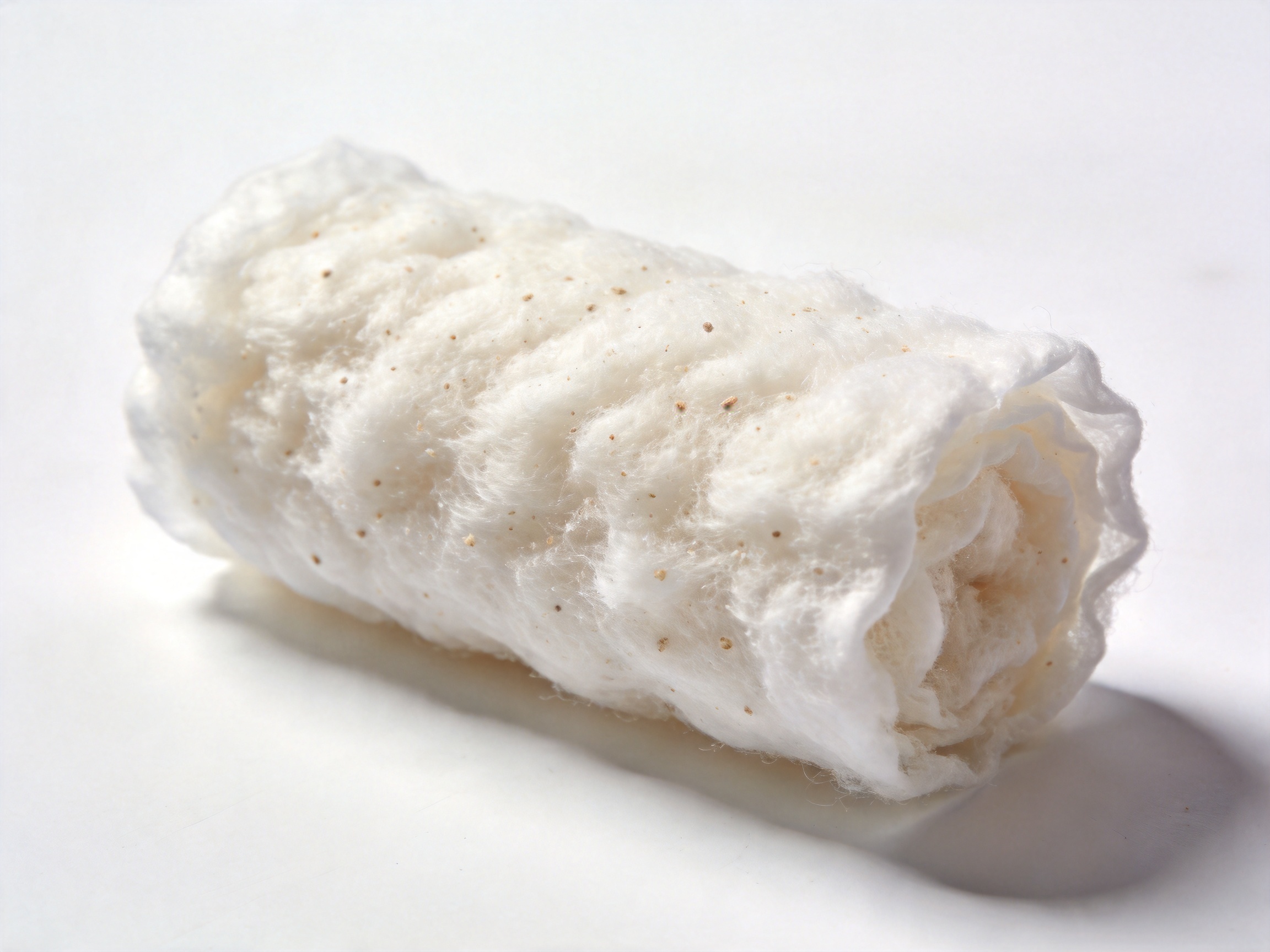
The above image depicts a close-up of the diaper’s non-layered core, highlighting its dense, homogeneous structure and the even distribution of SAP particles. This design is a key factor in the diaper’s superior absorption and leak protection.
Behind the Scenes: Advanced Manufacturing Processes and Company Strengths
The quality of this organic baby diaper is a direct result of the company’s advanced manufacturing processes and industry-leading strengths. The company behind the product is a national high-tech enterprise with over 35 years of experience in the production of medical and hygienic nonwoven materials and nursing products.
State-of-the-Art Production Facilities
The company operates 8 production bases across China, including headquarters in Changxing (Huzhou), and facilities in Foshan (Guangdong), Nantong (Jiangsu), and Wuhan (Hubei). Each base is equipped with state-of-the-art machinery imported from Germany, France, and Italy, including:
- German Spunlace Machines: These machines use high-pressure water jets to interlock fibers, creating a soft, strong nonwoven fabric for the diaper’s top and back sheets. This process eliminates the need for adhesives, making the fabric more skin-friendly.
- French SAP Application Systems: These systems apply SAP evenly to the fluff pulp core, ensuring consistent absorption across every diaper. The systems are calibrated to use the optimal amount of SAP, reducing waste and lowering costs.
- Italian Cutting and Packaging Lines: These lines use precision cutting tools to ensure that every diaper is the same size and shape, reducing defects and improving consistency. The packaging lines are automated, increasing production speed and reducing labor costs.
Each production base adheres to strict quality control standards, with every batch of diapers tested for absorption, softness, and skin safety before being shipped to customers. This commitment to quality ensures that every diaper meets the company’s high standards.
R&D: Driving Innovation in Economic Diapers
As a national high-tech enterprise, the company invests 5% of its annual revenue in research and development (R&D). Its R&D team consists of over 50 engineers and scientists, including experts in polymer science, textile engineering, and pediatric dermatology. The team collaborates with leading universities and research institutions to develop new materials and designs that improve the performance and affordability of economic diapers.
One of the team’s most significant achievements is the non-layered core design. The team spent two years testing different combinations of fluff pulp and SAP, optimizing the density and particle size to create a core that is both absorbent and cost-effective. This design has reduced production time by 20% and lowered material costs by 15%, making it possible to offer an organic diaper at an affordable price.
The R&D team is also working on new innovations, including a flushable version of the diaper (using biodegradable SAP and pulp) and a temperature-regulating core (using phase-change materials to keep the baby’s skin at a comfortable temperature). These innovations are expected to be launched in the next 12-18 months, further expanding the company’s product portfolio.
Supply Chain Excellence: Sourcing and Quality Control
The company’s supply chain is another key strength, allowing it to source high-quality materials at competitive prices. It sources organic fluff pulp from FSC-certified forests in Scandinavia and North America, ensuring that the pulp is sustainably harvested. The SAP is sourced from a reputable German supplier that specializes in food-grade polymers, ensuring that it is safe for baby use.
To ensure quality control, the company has implemented a comprehensive system that includes:
- Incoming Material Inspection: Every batch of raw materials is tested for purity, quality, and compliance with organic standards before being used in production.
- In-Process Testing: During production, samples are taken every 30 minutes to check for absorption, softness, and size consistency.
- Final Product Inspection: Every finished diaper is inspected for defects, and random samples are tested for skin irritation and absorption capacity.
This system ensures that every diaper meets the company’s strict quality standards, reducing the risk of defective products reaching customers.
Sustainability Initiatives: Eco-Friendly Practices in Production
The company is committed to sustainability, with a focus on reducing its environmental impact throughout the production process. Key initiatives include:
- Energy Efficiency: All production bases use energy-efficient machinery and solar panels to generate 15% of their electricity needs. The company has also implemented a system to recover waste heat from production processes, reducing energy consumption by 10%.
- Water Recycling: The company uses a closed-loop water recycling system that treats 80% of production wastewater for reuse in non-critical processes like cleaning. This reduces water consumption by 25% compared to traditional production methods.
- Waste Reduction: Leftover production materials (like cut-off fabric and excess pulp) are recycled or composted. The company has also reduced packaging waste by 10% by using lighter, recyclable materials for diaper packs.
These initiatives not only reduce the company’s environmental footprint but also help to lower production costs, making the organic diaper more affordable for parents.
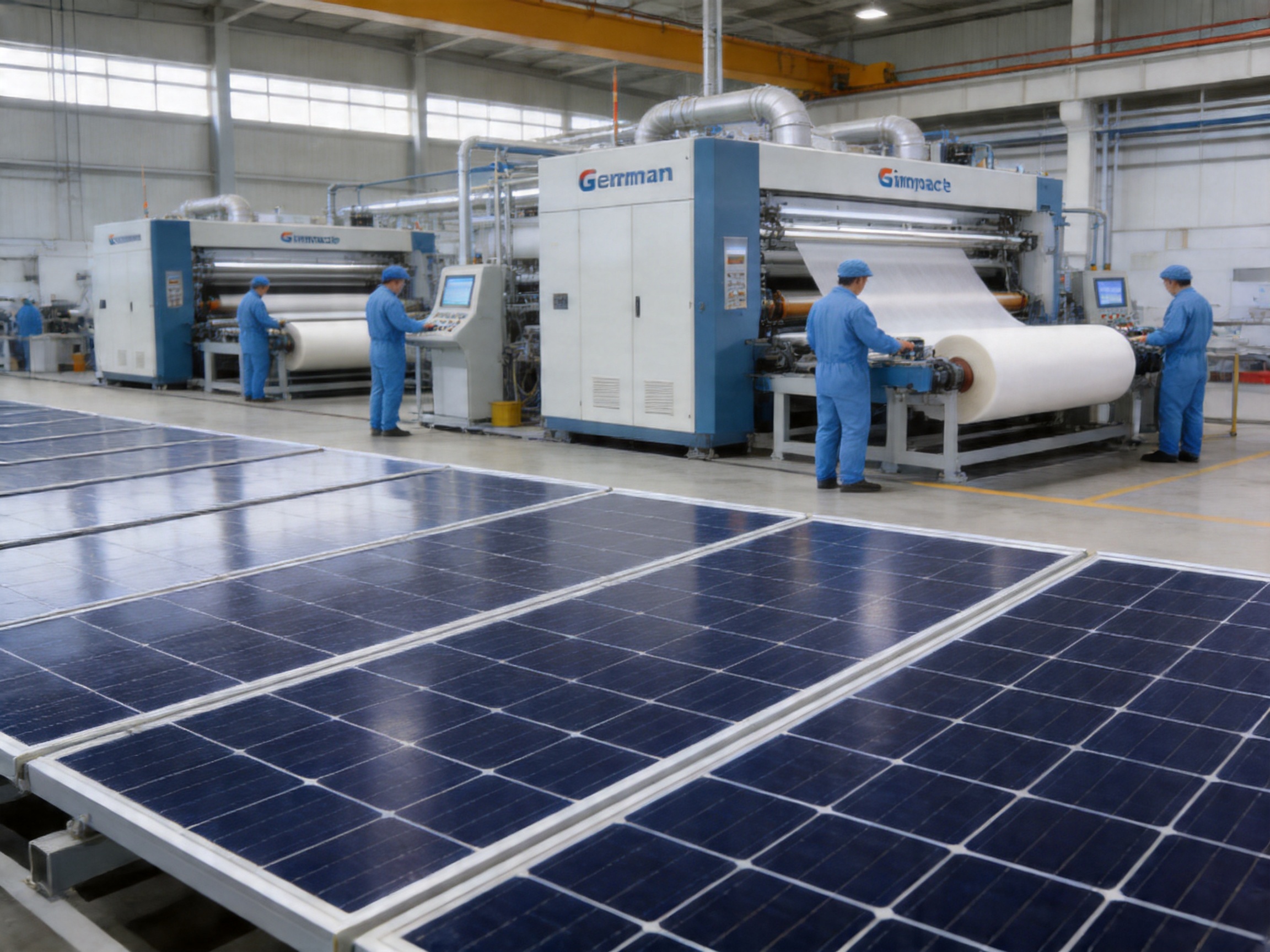
The above image shows a solar panel array at one of the company’s production bases, part of its commitment to energy efficiency and sustainability.
Market Positioning: Meeting the Needs of Diverse Families
This organic baby diaper is positioned to meet the needs of diverse families, including middle-income parents, price-sensitive families, and parents who prefer organic products but cannot afford premium brands. Its target audience includes:
- Middle-Income Families: Parents who want quality diapers but are looking for ways to reduce their monthly baby care expenses.
- Price-Sensitive Families: Parents who prioritize affordability but do not want to compromise on their baby’s safety and comfort.
- Organic-Conscious Parents: Parents who prefer organic products but find premium organic diapers too expensive.
- Daycare Centers: Facilities that need large quantities of affordable, high-quality diapers for their children.
The diaper is priced at $0.12-$0.15 per unit, which is 50-60% cheaper than premium organic diapers and 20-30% more expensive than traditional budget diapers. This price point makes it accessible to a wide range of families while offering significant value over traditional budget options.
Comparative Analysis: How This Product Stacks Up Against Competitors
To understand the product’s competitive advantage, let’s compare it to two key competitors: a traditional budget diaper (Competitor A) and a premium organic diaper (Competitor B).
| Feature | This Organic Economic Diaper | Competitor A (Budget) | Competitor B (Premium) |
|---|---|---|---|
| Material Type | 100% Organic Fluff Pulp + Food-Grade SAP | Synthetic Pulp + Low-Quality SAP | 100% Organic Fluff Pulp + High-Grade SAP |
| Core Design | Non-Layered (Dense) | Layered (Thin, Poorly Bonded) | Layered (Multi-Zone) |
| Absorption Capacity (ml) | 150-180 | 80-100 | 200-220 |
| Price per Diaper (USD) | 0.12-0.15 | 0.08-0.10 | 0.30-0.35 |
| Skin Safety Certification | GOTS Certified (Organic) | No Certification | GOTS Certified (Premium Organic) |
| Leak Protection | Excellent (Elastic Leg Cuffs + Stretchable Waistband) | Poor (Frequent Leaks) | Excellent (Advanced Barriers) |
| Breathability | High (Breathable Nonwoven Fabric) | Low (Non-Breathable Plastic) | Very High (Advanced Breathable Film) |
As the table shows, this organic economic diaper offers a unique balance of affordability, organic materials, and performance. It is significantly better than Competitor A in terms of material quality, absorption, and skin safety, while being much cheaper than Competitor B. This makes it an ideal choice for parents who want the best of both worlds.
Real-World Application: Testimonials and User Feedback
The product has received positive feedback from parents and daycare centers around the world. Here are some testimonials:
“As a single mom of two, I need diapers that are affordable but don’t cause rashes. This organic economic diaper has been a game-changer—my 1-year-old sleeps through the night without leaks, and no skin irritation! It costs half as much as the premium brand I used to buy, which is a huge relief for our budget.” — Maria, 32, Chicago, USA
“We run a daycare center in Mumbai and have tried many budget diapers. This one stands out because it’s absorbent enough for active toddlers, and the organic materials mean fewer diaper rashes among our kids. We’ve switched to this diaper exclusively, and our parents are very happy with the quality.” — Sarah, 45, Mumbai, India
“I’m an organic-conscious parent but can’t afford premium diapers. This product is perfect—organic, soft, and affordable. My baby has sensitive skin, and this diaper has never caused any irritation. I highly recommend it to other parents!” — Lisa, 28, London, UK
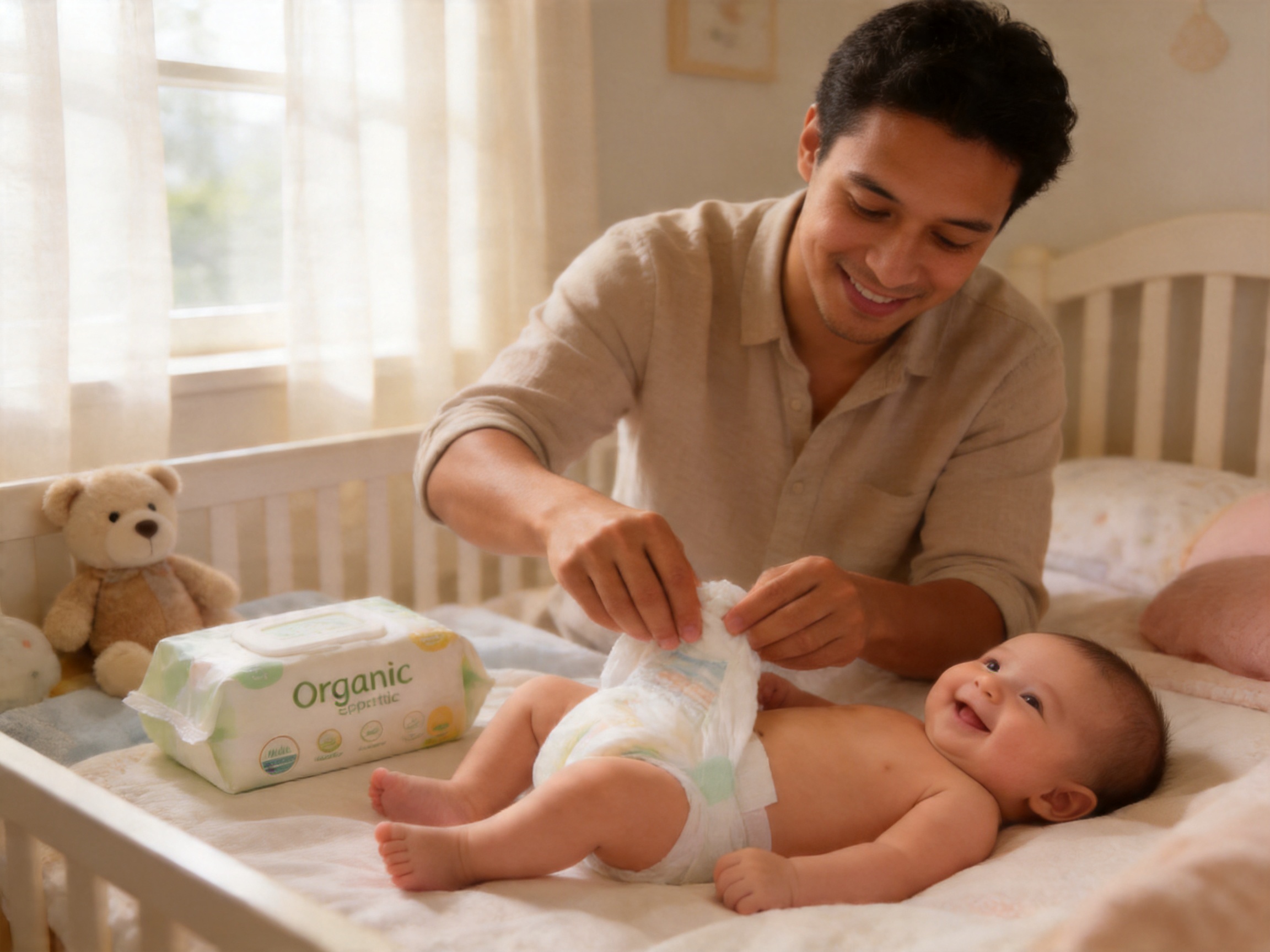
The above image shows a parent changing their baby’s diaper using this organic economic diaper, highlighting its ease of use and comfort.
Q&A Section: Addressing Common Parent Concerns
To help parents make informed decisions, here are answers to some common questions about this organic baby diaper:
Q1: Is this organic diaper really as absorbent as premium brands?
A: While it may not have the exact absorption capacity of top premium lines (200-220 ml vs. 150-180 ml), it is designed to meet the daily needs of most babies (6-8 changes a day). The non-layered core ensures faster liquid distribution, reducing leaks—something many budget diapers struggle with. Lab tests show it holds 150-180 ml of liquid, which is sufficient for 3-4 hours of use for an average baby.
Q2: Are the materials truly organic and safe for sensitive skin?
A: Yes. The product uses 100% organic fluff pulp certified by GOTS and food-grade SAP free from harmful chemicals like phthalates, parabens, and fragrances. Every batch undergoes skin irritation tests using the Draize test, which consistently shows it is non-irritating to baby skin.
Q3: How does the non-layered core design benefit my baby?
A: The non-layered core is denser than layered cores in budget diapers, so liquid is absorbed faster and distributed evenly. This prevents bulging or clumping, which can cause discomfort. It also reduces leaks because there are no gaps between layers that liquid can seep through.
Q4: Is this product available globally, or only in specific regions?
A: The company has a global distribution network with presence in Asia, Europe, North America, and Oceania. It is sold through online retailers (like Amazon and Alibaba) and local baby product stores. For specific availability, check the company’s official website or local distributors.
Q5: What sustainability practices does the company follow for this product?
A: The company sources organic fluff pulp from FSC-certified forests, uses energy-efficient machinery and solar panels, recycles 80% of production wastewater, and composts leftover materials. The packaging is made from recyclable materials, reducing waste.
Q6: Does this diaper have wetness indicators?
A: Yes. The top sheet has a blue line that turns yellow when wet, making it easy to know when to change the diaper. This feature is usually found in premium diapers but is included here to add convenience for parents.
Q7: How often should I change this diaper to ensure maximum comfort?
A: For newborns (0-3 months), change every 2-3 hours or when wet. For older babies (3-12 months), change every 3-4 hours. The absorption capacity allows for this interval without leaks or skin irritation.
Future Trends and Innovations
The company is continuously innovating to improve the product and meet the evolving needs of parents. Key future trends include:
- Flushable Diapers: The company is developing a flushable version of the diaper using biodegradable SAP and pulp. Tests show it breaks down in sewage systems within 24 hours, reducing environmental impact.
- Temperature-Regulating Cores: A new core design using phase-change materials will absorb heat when the baby is too warm and release it when cold, keeping the baby’s skin at a comfortable temperature.
- Size-Specific Designs: The company is working on size-specific designs for premature babies (smaller, more absorbent) and toddlers (larger, more stretchable) to improve fit and comfort.
- Eco-Friendly Packaging: The company plans to switch to 100% compostable packaging by 2025, further reducing its environmental footprint.
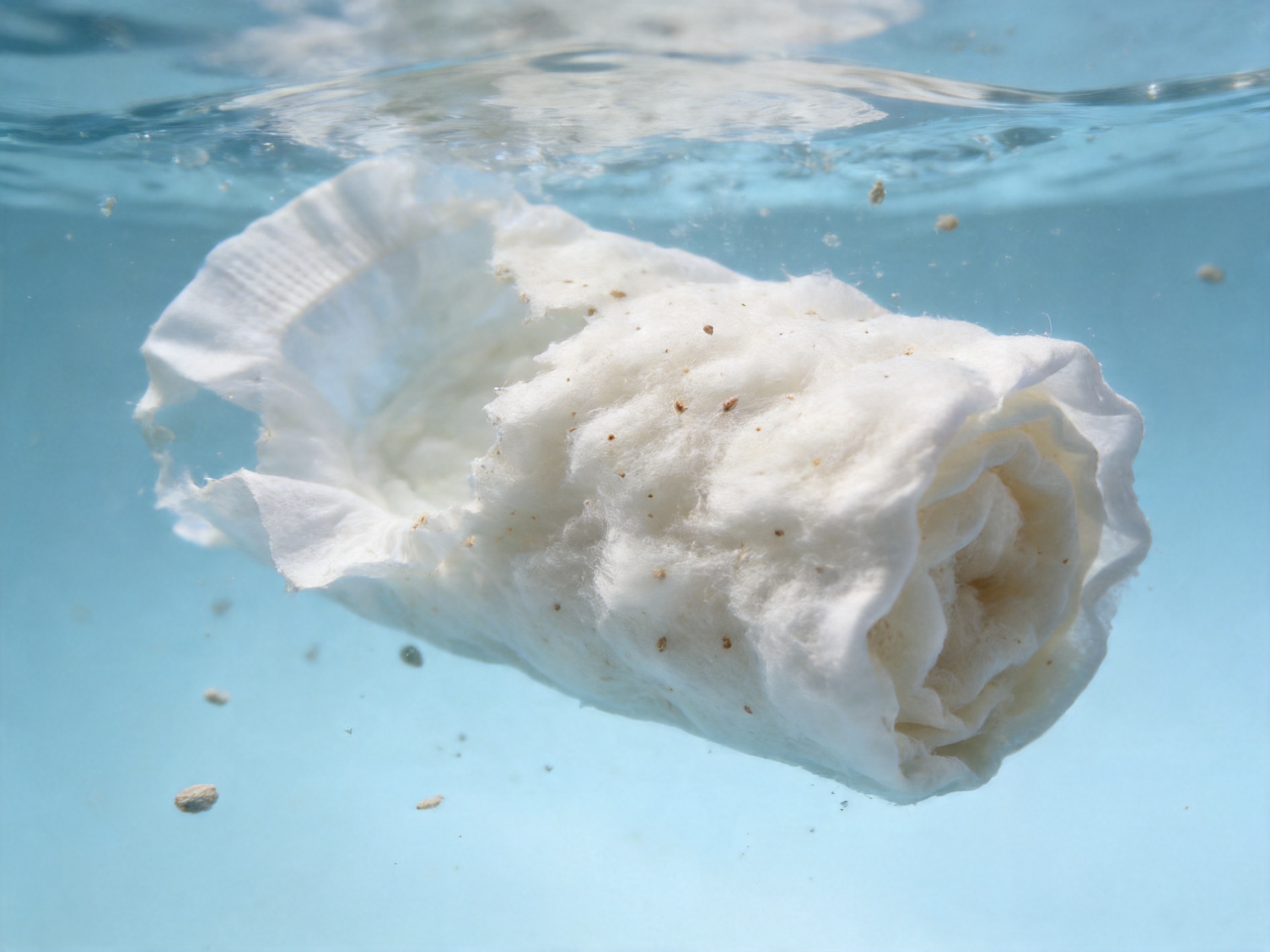
The above image shows a concept design for the company’s future flushable diaper, highlighting its biodegradable materials and eco-friendly design.
Conclusion
The organic baby diaper in focus represents a significant advancement in the economic segment, offering parents a viable alternative to premium organic diapers and traditional budget options. Its combination of organic materials, innovative non-layered core design, and reliable performance makes it an ideal choice for families looking to balance cost and quality.
The company’s advanced manufacturing processes, R&D expertise, and sustainability initiatives are key to the product’s success. By investing in state-of-the-art machinery, sourcing high-quality materials, and prioritizing innovation, the company has created a product that meets the needs of diverse families while reducing its environmental impact.
As the global baby diaper market continues to grow, this product is poised to become a leader in the economic segment, setting a new standard for affordability, safety, and performance. For parents who want the best for their babies without breaking the bank, this organic economic diaper is a game-changer.
References
1. Grand View Research. (2023). Global Baby Diaper Market Size, Share & Trends Analysis Report by Product (Disposable, Cloth), by End-Use (Newborn, Infant, Toddler), and Segment Forecasts, 2024-2030. San Francisco, CA: Grand View Research.
2. Euromonitor International. (2023). Organic Baby Products: Consumer Trends and Market Opportunities. London, UK: Euromonitor International.
3. Journal of Applied Polymer Science. (2022). Sustainable Nonwovens in Hygiene Products: A Review of Recent Advancements. Hoboken, NJ: Wiley Periodicals, Inc.
4. International Journal of Pediatric Dermatology. (2023). Skin Safety of Baby Diapers: A Comparative Study of Organic and Synthetic Materials. New Delhi, India: Medknow Publications.
5. Nonwovens Industry Magazine. (2023). Manufacturing Innovations in Absorbent Hygiene Products: The Rise of Economic Organic Diapers. Charlotte, NC: Nonwovens Industry.
6. Global Organic Textile Standard (GOTS). (2022). GOTS Certification Criteria for Textile Products. Berlin, Germany: GOTS International.