中文简体
中文简体 English
 日本語
日本語 русский
 Español
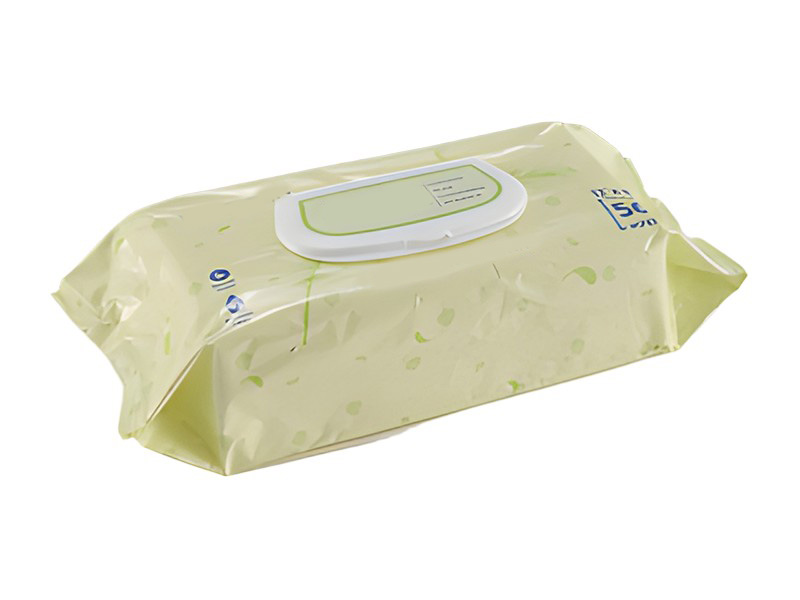
Bathroom wipes have become an essential cleaning solution for homes, hospitality facilities, offices, healthcare-adjacent environments, and commercial washrooms that demand fast, convenient, and hygienic surface care. Designed for tiles, countertops, bathtubs, basins, fixtures, and other common bathroom surfaces, these wipes offer a practical alternative to sprays, buckets, reusable cloths, and complicated cleaning routines. They help remove dirt, residue, water marks, and daily grime while supporting a cleaner, shinier, and more hygienic bathroom environment.
The product discussed in this article is a bathroom cleaning wipe positioned for effective surface cleaning, visual shine, dryness support, and hygiene maintenance. It is especially suitable for private label and OEM/ODM projects where customers need consistent quality, scalable manufacturing, flexible packaging, and reliable supply. Behind the product is the manufacturing strength of Zhejiang Uniquality Nursing Products Technology Co., Ltd., part of the Kingsafe and Uniquality industrial system, a long-established enterprise with decades of expertise in nonwoven materials, wet wipes, dry wipes, nursing products, and hygiene-related consumer goods.
In today’s competitive cleaning wipes market, buyers are not only looking for a wipe that cleans. They need a product that feels strong in the hand, releases liquid evenly, resists tearing, covers enough surface area, works on multiple bathroom materials, and can be produced under strict quality control. They also need a manufacturer that understands material selection, liquid formulation compatibility, packaging integrity, private label branding, global quality expectations, and continuous production capacity. Bathroom wipes produced through advanced nonwoven and wet wipe manufacturing processes can meet these requirements while offering meaningful advantages over ordinary cleaning cloths and low-grade disposable wipes.
The Role of Bathroom Wipes in Modern Cleaning
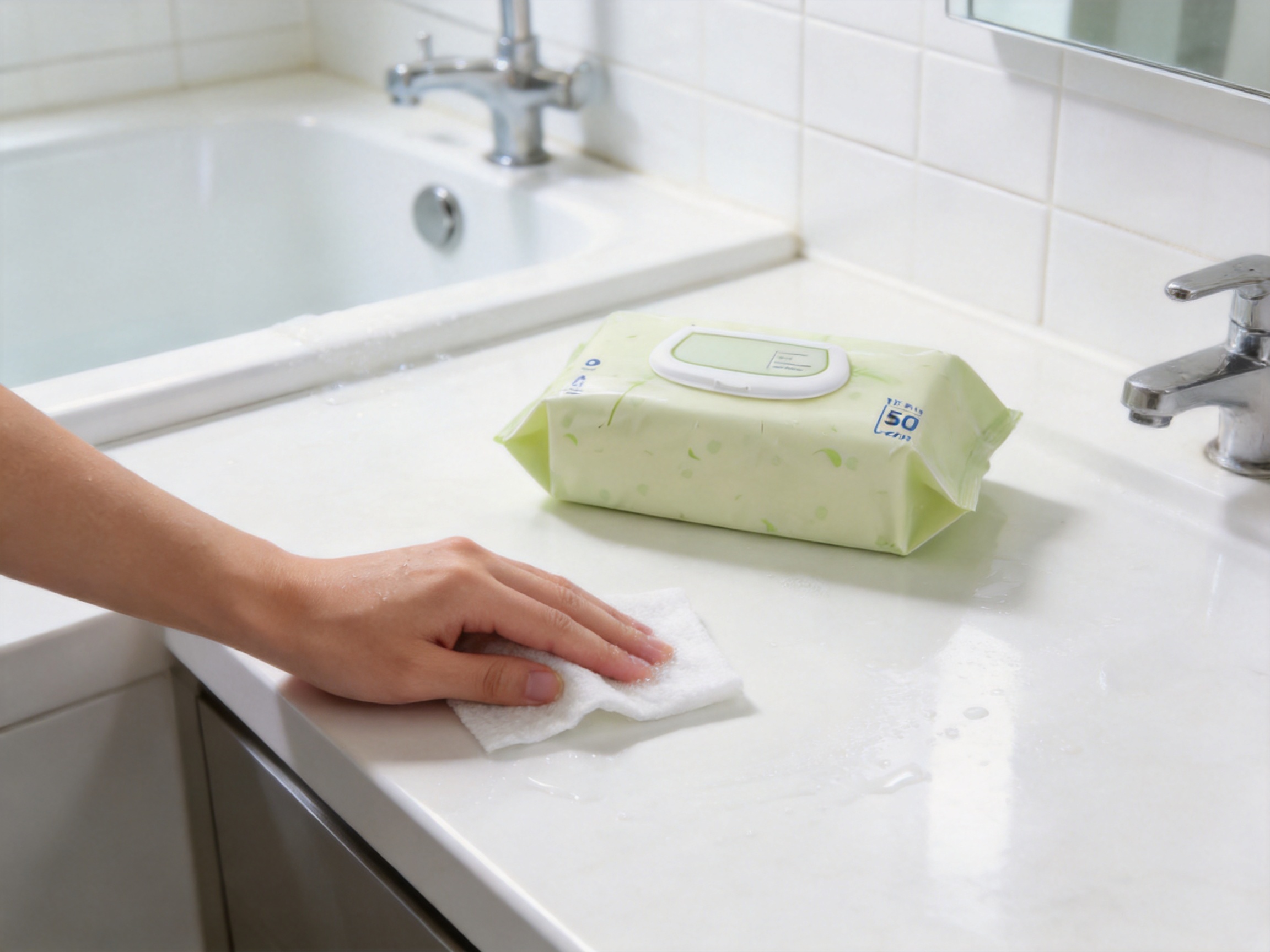
Bathrooms are among the most demanding spaces to clean because they combine moisture, soap residue, skin oils, dust, mineral deposits, and frequent human contact. Sinks, countertops, toilet exteriors, bathtub edges, shower surrounds, and wall tiles can quickly collect visible grime. When moisture remains on surfaces, the bathroom may feel less fresh and less comfortable, even if it has recently been cleaned. A wipe that can quickly remove everyday dirt and leave surfaces with a clean appearance therefore has strong value for both household and professional use.
Traditional bathroom cleaning often requires a spray bottle, a cloth, water rinsing, and sometimes gloves or a separate drying towel. This process can be effective, but it is not always convenient. Reusable cloths also need washing and drying, and if they are not managed properly, they can spread residue from one area to another. Disposable bathroom wipes simplify this process by combining a substrate and a cleaning liquid in one ready-to-use format. Users can take one wipe, clean the target surface, and dispose of it after use, reducing the need to store wet cloths or prepare cleaning mixtures.
For busy families, property managers, hotel housekeeping teams, office cleaning staff, and retailers, this convenience can save time. A ready-to-use wipe encourages more frequent touch-up cleaning, which helps prevent grime from building up. Instead of waiting for a full deep-cleaning session, users can quickly wipe down a countertop, bathtub rim, faucet area, or tiled surface. This makes bathroom wipes particularly useful for daily maintenance between heavier cleaning routines.
Another important role of bathroom wipes is consistency. When users prepare their own cleaning solution, concentration and application can vary. One person may spray too much liquid, while another may use too little. Pre-moistened wipes are manufactured with controlled liquid loading, allowing each wipe to deliver a more predictable amount of cleaning solution. This helps improve user experience and supports better product performance across large batches, especially in commercial and private label markets.
Product Overview: Bathroom Wipes for Tiles, Countertops, and Bathtubs
Bathroom wipes are designed to effectively clean common bathroom surfaces such as ceramic tiles, countertops, bathtub surfaces, and similar washable areas. Their purpose is to remove dirt and help inhibit bacterial growth conditions by supporting cleaner surfaces. After use, they leave surfaces looking shiny and help the bathroom feel drier, fresher, and more hygienic. This combination of cleaning performance and convenience makes them suitable for modern hygiene-conscious consumers.
A high-quality bathroom wipe depends on two primary components: the nonwoven substrate and the liquid formula. The substrate determines strength, softness, absorbency, liquid release, lint control, and wiping efficiency. The formula determines cleaning power, odor control, surface compatibility, evaporation profile, and the final feel of the cleaned area. When these two components are well matched, the wipe can remove grime without falling apart, drying out too quickly, or leaving excessive residue.
Compared with ordinary paper towels or low-grade wipes, a properly engineered bathroom wipe offers better wet strength and more stable cleaning performance. It can be folded, pressed, and used on curved surfaces such as faucet bases, sink corners, and bathtub edges. The wipe should have enough texture to lift dirt but remain gentle enough for suitable bathroom surfaces. The result is a balanced cleaning tool that is easy to use and reliable for frequent maintenance.
Bathroom wipes are also valuable for private label programs because they are easy for consumers to understand. The product has a clear purpose, a familiar usage method, and broad market demand. Retailers can position them as daily cleaning wipes, quick bathroom refresh wipes, multi-surface bathroom wipes, or hygiene maintenance wipes depending on packaging design and formulation direction. With the support of an experienced OEM/ODM manufacturer, the product can be adjusted to meet different consumer preferences, regional requirements, and brand strategies.
Key Advantages Over Conventional Cleaning Methods
The first advantage of bathroom wipes is convenience. A single wipe can replace several steps in a conventional cleaning process. There is no need to dilute cleaner, search for a cloth, spray multiple times, or immediately wash a reusable rag. This ready-to-use format is especially important for consumers who want quick cleaning after showering, before guests arrive, or during daily household routines.
The second advantage is controlled liquid application. Sprays can oversaturate surfaces, create airborne mist, or leave puddles around fixtures. Bathroom wipes apply liquid directly through contact, which can reduce mess and improve cleaning control. This is particularly useful for vertical tiles, narrow countertop edges, bathtub rims, and small bathroom corners where spray may be inefficient.
The third advantage is single-use hygiene. Reusable cloths can become damp and may require laundering after use. If users clean multiple areas with the same cloth, contaminants and residue may be transferred. A disposable bathroom wipe is used for a defined cleaning task and then discarded. This supports better hygiene practices, particularly in shared bathrooms or commercial settings where cleaning tools are used frequently.
The fourth advantage is portability and storage convenience. Packs of bathroom wipes can be stored under the sink, in a cleaning cart, in a hotel housekeeping station, or in a facility maintenance cabinet. They are easy to transport and do not require separate bottles, buckets, or cloth supplies. This simplifies inventory management for businesses and makes daily cleaning easier for households.
The fifth advantage is user confidence. A clean, shiny surface gives immediate visual feedback. When the wipe removes visible dirt and leaves the surface looking brighter, users feel that the bathroom has been refreshed. This perceived cleanliness is important in consumer satisfaction, especially for products sold under private label brands.
Performance Features That Matter to Buyers
Effective Dirt Removal
Bathrooms collect a combination of dust, soap scum, mineral residue, skin oils, and general dirt. A quality bathroom wipe must loosen and lift these substances efficiently. The wipe substrate should have enough structure to capture particles, while the liquid formula should help break down everyday grime. Strong dirt removal reduces the amount of rubbing needed and helps users clean faster.
Surface Shine
One of the most noticeable benefits of bathroom wipes is the ability to leave surfaces looking shiny. Tiles, countertops, and bathtubs often appear dull when covered with residue. A good wipe removes the film that reduces gloss, allowing the natural finish of the surface to show. This is especially valuable for bathrooms where visual cleanliness strongly influences comfort and confidence.
Dry and Fresh Feel
Bathrooms are moisture-heavy areas, so a wipe should not leave excessive wetness behind. Controlled liquid release and suitable evaporation characteristics help surfaces feel cleaner without remaining overly damp. A drier finish supports a more hygienic impression and reduces the inconvenience of waiting for surfaces to dry.
Hygiene Support
By removing dirt and residue, bathroom wipes help reduce the conditions that allow unwanted microorganisms to persist on surfaces. Depending on formulation requirements and regulatory positioning, wipes can also be developed with ingredients that support bacteria-inhibiting performance. For private label buyers, it is important to define the intended market claim clearly and align it with applicable testing and labeling rules.
Strength and Durability
A bathroom wipe must remain intact during use. Weak wipes tear easily, roll into clumps, or leave fibers behind. Strong nonwoven materials provide better cleaning pressure and improve user satisfaction. Durability is particularly important for textured tiles, bathtub edges, and surfaces with corners or seams.
Comfortable Handling
Although bathroom wipes are cleaning products, tactile comfort still matters. Users prefer a wipe that feels substantial, moist, and easy to unfold. The wipe should not feel too thin, slippery, dry, or harsh. Good hand feel helps create a premium impression and differentiates the product from cheaper alternatives.
Comparison with Common Bathroom Cleaning Alternatives
| Cleaning Method | Main Strength | Common Limitation | Bathroom Wipe Advantage |
|---|---|---|---|
| Spray cleaner with reusable cloth | Flexible and familiar for deep cleaning | Requires separate tools, may overspray, cloth must be washed | Ready to use, controlled application, disposable after cleaning |
| Paper towel with liquid cleaner | Low cost and widely available | Paper may tear when wet and can leave lint | Stronger nonwoven substrate with better wet performance |
| Generic wet wipes | Convenient for quick use | May not be designed for bathroom grime or surface shine | Targeted for tiles, countertops, bathtubs, and bathroom residue |
| Microfiber cloth | Reusable and effective when properly maintained | Needs laundering and may retain residue if not cleaned correctly | Single-use format reduces maintenance and cross-use concerns |
| Bucket and mop system | Useful for floors and large areas | Not convenient for small surfaces, fixtures, and quick touch-ups | Ideal for fast cleaning of localized bathroom surfaces |
This comparison shows why bathroom wipes are not simply another disposable product. They serve a specific cleaning need: fast, controlled, convenient maintenance of high-contact and high-visibility bathroom surfaces. For many users, they do not completely replace deep cleaning, but they greatly improve everyday cleaning efficiency and help maintain a more pleasant bathroom between full cleaning sessions.
Nonwoven Material: The Foundation of Wipe Quality
The nonwoven substrate is the physical foundation of every wipe. In bathroom cleaning, the substrate must handle moisture, friction, folding, and pressure. Zhejiang Uniquality Nursing Products Technology Co., Ltd. benefits from the broader Kingsafe and Uniquality expertise in medical and hygienic nonwoven materials, including spunlace nonwoven fabrics, spunmelt nonwoven fabrics, hot air through nonwoven fabrics, flushable and degradable nonwoven materials, wet wipes, dry wipes, and other hygiene-related products. This material background provides a strong technical basis for developing bathroom wipes with reliable quality.
Spunlace nonwoven technology is particularly relevant to wipes because it can create soft yet strong fabrics through high-pressure water entanglement of fibers. The resulting material can provide good absorbency, flexibility, and tensile strength. For bathroom wipes, a suitable spunlace structure can help the wipe hold cleaning liquid evenly and release it during use without becoming weak too quickly.
Material selection also affects lint performance. Consumers dislike wipes that leave fibers on shiny countertops, bathtub surfaces, or tiles. A well-manufactured nonwoven substrate can reduce linting and provide a cleaner finish. The cleaner the final appearance, the more premium the wipe feels to the user.
Texture is another important factor. Some bathroom soils need gentle friction to be removed. A carefully selected nonwoven pattern can increase contact with dirt while remaining suitable for common surfaces. This balance helps the wipe clean effectively without feeling abrasive. For OEM and private label buyers, substrate weight, thickness, texture, softness, and strength can often be adjusted according to target market positioning.
Liquid Formulation and Surface Compatibility
The cleaning liquid in bathroom wipes must work harmoniously with the substrate and the surfaces being cleaned. It should help loosen dirt, support hygiene, and leave an acceptable after-feel. A formula that is too weak may not remove residue effectively, while a formula that is too harsh may create odor issues or limit surface compatibility. For this reason, formulation design is a key part of product development.
Bathroom wipe formulas can be developed for different market expectations, such as general bathroom cleaning, quick shine, odor control, alcohol-free cleaning, mild fragrance, fragrance-free positioning, or bacteria-inhibiting surface care. The exact formula should be aligned with local regulations and final label claims. Responsible manufacturers pay close attention to ingredient compatibility, stability, microbial control, and packaging interaction.
Surface compatibility is especially important because bathroom materials vary. Common surfaces may include ceramic, porcelain, enamel, acrylic, stainless steel, chrome-plated fixtures, sealed countertops, and glass-like tile finishes. A bathroom wipe should be positioned for appropriate washable surfaces, and labels should advise users to test on an inconspicuous area when needed. Clear usage instructions protect consumers and strengthen brand trust.
The final finish also matters. Some cleaners leave sticky residue, streaks, or excessive wetness. High-quality bathroom wipes are designed to remove dirt while leaving surfaces visually refreshed. A shiny and clean appearance is a major selling point because it creates immediate satisfaction after wiping.
Advanced Manufacturing Strength Behind the Product
High-quality bathroom wipes require more than a good concept. They require reliable production infrastructure, experienced technical teams, controlled processes, and scalable capacity. Zhejiang Uniquality Nursing Products Technology Co., Ltd. is supported by the long industrial history of Kingsafe and Uniquality, founded in 1987. Over more than 30 years of development, the company has grown into a major enterprise in China’s industrial textile and hygiene products sector.
The company is a national high-tech enterprise specializing in research and development, production, and sales of medical and hygienic nonwoven materials, nursing products, and high-end clothing interlining. This broad technical foundation is important because wipe quality depends heavily on nonwoven science, liquid management, hygiene manufacturing, converting technology, and quality systems. A manufacturer with deep knowledge of nonwovens can make better decisions about fiber composition, fabric structure, liquid retention, softness, tensile strength, and product consistency.
The company is headquartered in Changxing, Huzhou, within the Yangtze River Delta region, an area known for strong transportation access and industrial supply chain advantages. It has established multiple production bases in locations such as Foshan in Guangdong, Nantong in Jiangsu, and Wuhan in Hubei. This multi-base manufacturing layout supports production flexibility, supply stability, and responsiveness to large-volume customer needs.
Kingsafe and Uniquality have been recognized among the leading enterprises in China’s nonwovens industry and have ranked among top global nonwoven manufacturers for multiple consecutive years. Such industry standing reflects not only production scale, but also long-term competitiveness in technology, management, product development, and customer service. For international buyers and private label partners, these strengths reduce sourcing risk and support long-term cooperation.
Imported Equipment and Process Expertise
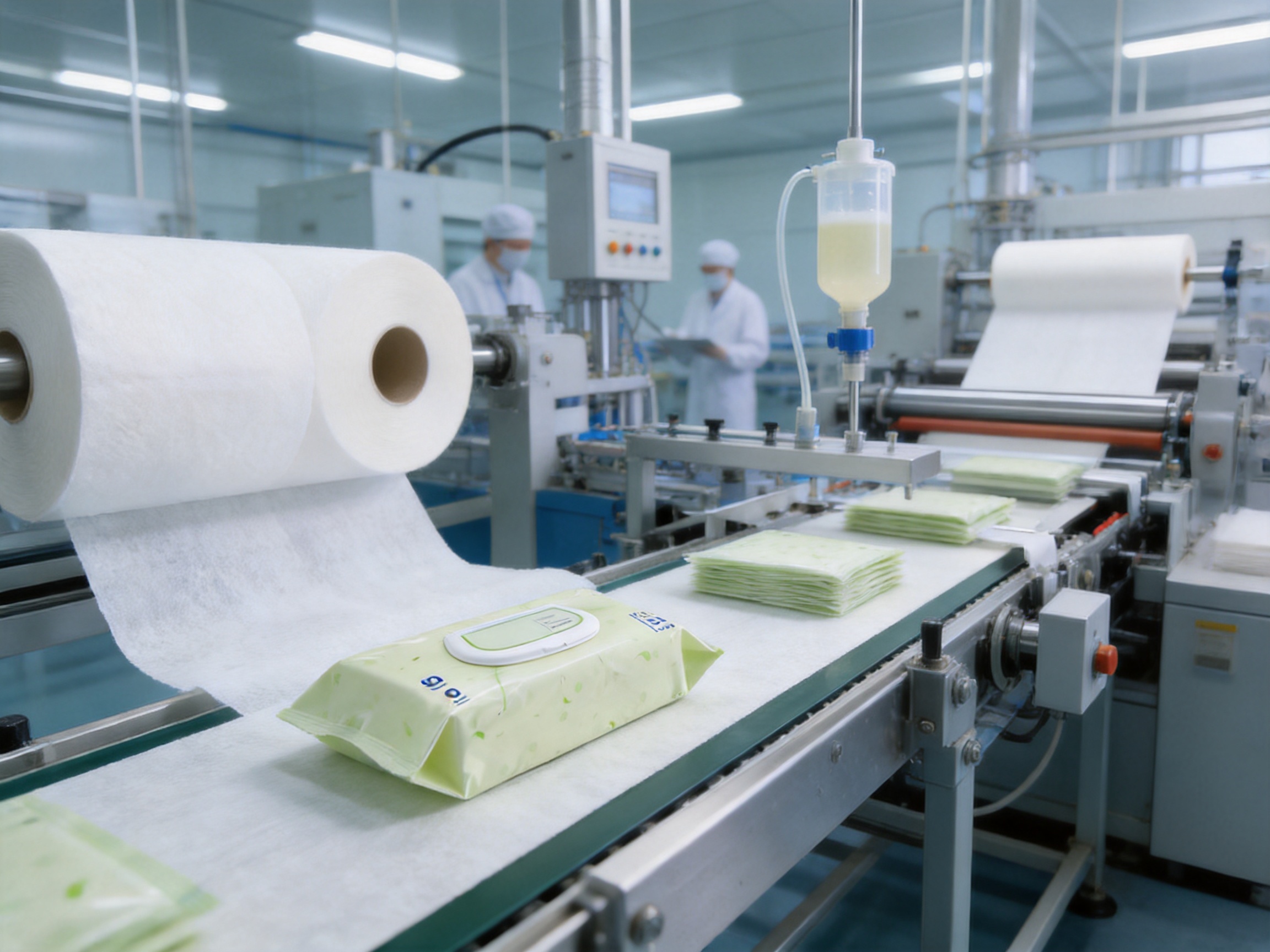
Manufacturing excellence is closely tied to equipment quality. Kingsafe has introduced advanced production equipment and technology from countries such as Germany, France, and Italy. These equipment investments support precision, efficiency, and product consistency. In wet wipe production, stable equipment performance affects cutting accuracy, folding quality, liquid dosing, packaging sealing, pack appearance, and output reliability.
Advanced nonwoven production lines contribute to consistent fabric quality, which is essential for wipe performance. If fabric thickness, strength, or absorbency varies too much, the finished wipes may not feel consistent from pack to pack. By combining advanced material production with wipe converting capabilities, the company can better control the entire product chain from substrate to finished wipe.
Liquid dosing accuracy is another key process factor. Each wipe should receive an appropriate amount of liquid. Too little liquid can make the wipe feel dry and reduce cleaning performance. Too much liquid can cause dripping, packaging leakage, or poor user experience. Automated wet wipe production systems help control liquid distribution and support batch consistency.
Packaging technology also plays a crucial role. Bathroom wipes must remain moist throughout their intended shelf life. The package must protect against evaporation, contamination, and leakage. Resealable labels, flip-top lids, soft packs, canisters, and other packaging formats can be selected according to market positioning. Strong sealing and proper material selection help preserve wipe quality from factory to consumer use.
Quality Control from Raw Material to Finished Pack
Quality control for bathroom wipes begins with raw material inspection. Nonwoven substrates should be checked for weight, strength, absorbency, appearance, and cleanliness. Packaging films, labels, lids, cartons, and other components must also meet specifications. A strong incoming quality control system helps prevent problems before production begins.
During production, process monitoring ensures that wipes are folded correctly, cut to the right dimensions, dosed with the correct amount of liquid, and packed securely. Operators and quality teams may check wipe count, pack weight, seal strength, appearance, coding, and leakage resistance. These checks are important because consumers expect every pack to open correctly, dispense smoothly, and remain moist.
Microbiological quality is especially important for wet wipes. Because the product contains water-based liquid, preservation systems and hygienic manufacturing practices must be properly managed. The manufacturer’s experience in medical and hygienic nonwoven materials and nursing products provides a valuable foundation for managing cleanliness and quality expectations.
Finished product testing may include stability evaluation, packaging compatibility, liquid retention, odor assessment, appearance inspection, and performance checks. For private label customers, additional testing can be arranged according to target market requirements, such as surface cleaning performance, preservative efficacy, or claim support testing. A strong quality system helps protect brand reputation and consumer satisfaction.
OEM and Private Label Advantages
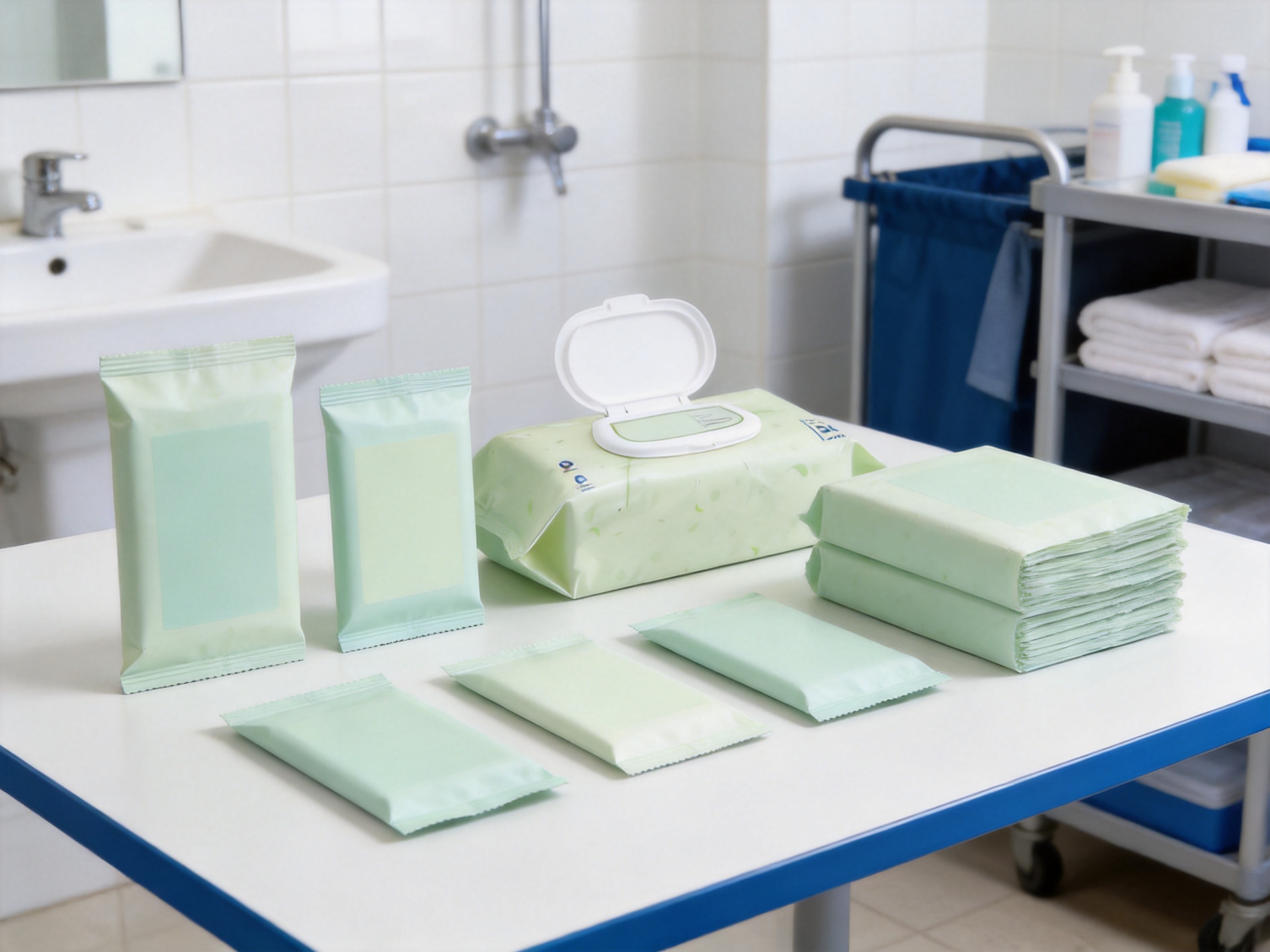
Bathroom wipes are well suited for OEM and private label development because the product can be customized in many ways. Buyers can choose wipe size, fabric weight, texture, moisture level, fragrance, packaging format, pack count, label design, carton configuration, and performance positioning. This flexibility allows retailers, distributors, and brand owners to create products for different market segments.
A value-focused bathroom wipe may emphasize affordability, daily cleaning, and practical pack sizes. A premium product may use a thicker substrate, improved texture, elegant fragrance, flip-top packaging, and enhanced shine performance. A professional cleaning line may focus on larger wipes, stronger materials, and bulk packaging. With the right manufacturing partner, these variations can be developed efficiently.
Zhejiang Uniquality Nursing Products Technology Co., Ltd. has experience serving differentiated, functional, and customized customer needs. The company has established long-term cooperation with many well-known domestic and international brands. This background is important for private label buyers because it demonstrates the ability to work with brand specifications, packaging requirements, product development timelines, and quality expectations.
OEM/ODM service also helps buyers reduce development burden. Instead of building production facilities or sourcing multiple suppliers separately, customers can work with an integrated manufacturer that understands nonwoven materials, wipe converting, formulation, packaging, and mass production. This can shorten time to market and improve product reliability.
Applications in Household and Commercial Environments
In households, bathroom wipes can be used for daily touch-ups around sinks, countertops, bathtubs, shower edges, wall tiles, and toilet exterior surfaces. They are useful after brushing teeth, applying cosmetics, bathing children, washing hands, or showering. A quick wipe can remove splashes, residue, and visible dirt before it becomes more difficult to clean.
In hospitality environments, bathroom appearance strongly affects guest satisfaction. Hotels, guesthouses, serviced apartments, and short-term rental properties need fast and consistent cleaning tools. Bathroom wipes can help housekeeping staff address small surface areas quickly and maintain a polished look. They are also useful for final inspection touch-ups before guests enter a room.
In offices and commercial buildings, shared washrooms require frequent maintenance. Bathroom wipes can support cleaning staff in maintaining countertops, sink areas, partition surfaces, and other washable contact points between scheduled cleaning cycles. Their ready-to-use nature reduces preparation time and helps staff respond quickly to visible messes.
In retail and public facilities, bathrooms receive heavy use. Cleaning teams need products that are easy to store, distribute, and use. Wipes can be kept on cleaning carts or in janitorial rooms for rapid response. For high-traffic environments, consistent cleaning products help maintain brand image and visitor comfort.
In healthcare-adjacent and care environments, bathroom hygiene expectations are high. While product claims must be carefully defined, general bathroom cleaning wipes can help support routine surface cleanliness in non-critical areas. The single-use format is particularly helpful where cross-use of cloths is undesirable.
Designing a Competitive Private Label Bathroom Wipe
A successful private label bathroom wipe begins with clear market positioning. Buyers should decide whether the product will compete on price, performance, sustainability, fragrance experience, premium appearance, or professional cleaning strength. Each direction influences material choice, formula design, packaging, and marketing claims.
For mass-market retail, consumers usually want affordability, convenience, and dependable cleaning. A medium-weight wipe with a pleasant fragrance and resealable pack can be an effective choice. Packaging should clearly communicate suitable surfaces, usage instructions, and benefits such as cleaning tiles, countertops, and bathtubs.
For premium home care, a thicker wipe, better texture, high-quality fragrance, and flip-top lid can create a more impressive user experience. Premium products may emphasize shine, freshness, and a more refined cleaning routine. The pack design should look clean, modern, and trustworthy.
For professional or institutional use, durability and pack economy are often more important than decorative packaging. Larger pack counts, stronger substrates, and practical dispensing formats may be preferred. Cleaning staff value wipes that do not tear easily and can cover more surface area per piece.
For environmentally conscious markets, buyers may explore degradable or more sustainable nonwoven options where technically and commercially feasible. The company’s broader involvement in flushable and degradable nonwoven materials can support conversations about future-oriented product development. Any sustainability claim should be based on appropriate testing and accurate labeling.
Why Manufacturing Scale Matters
Scale is not only about producing large quantities. It also affects supply reliability, cost management, raw material access, and the ability to support growing brands. A manufacturer with multiple production bases and established nonwoven expertise can better respond to fluctuations in demand, seasonal orders, promotional programs, and long-term supply agreements.
For private label customers, insufficient manufacturing scale can create risks such as delayed shipments, inconsistent batches, limited packaging options, and difficulty meeting urgent orders. By contrast, a large and experienced manufacturer can coordinate raw materials, production planning, quality control, and logistics more effectively.
Scale also supports innovation. Companies with strong production foundations can invest in research and development, equipment upgrades, testing, and process improvement. Zhejiang Uniquality Nursing Products Technology Co., Ltd. operates within a broader industrial system that covers multiple product categories, including wet wipes, dry wipes, baby diapers, pull-ups, wet toilet paper, cleansing wipes, and nonwoven fabrics. This cross-category experience encourages technical learning that can benefit bathroom wipe development.
Large-scale production also supports consistent pricing and long-term cooperation. Retailers and distributors often need stable supply over many months or years. A capable manufacturer can help plan production schedules, optimize packaging materials, and adjust specifications as market needs evolve.
Product Differentiation in a Crowded Market
The cleaning wipes market is competitive, and many products appear similar at first glance. Differentiation must therefore be built into product performance, packaging, brand message, and supply reliability. Bathroom wipes can stand out by offering a stronger substrate, better surface shine, controlled wetness, pleasant fragrance, improved pack sealing, and clearer usage instructions.
One important differentiator is the cleaning experience. Consumers remember whether a wipe tears, dries out, smells unpleasant, leaves streaks, or removes dirt easily. Even small improvements can influence repeat purchase. A wipe that feels thick, moist, and effective creates stronger consumer trust than one that feels thin and weak.
Another differentiator is packaging convenience. A pack that opens easily, reseals well, and dispenses one wipe at a time improves daily use. If wipes dry out before the pack is finished, consumers may not buy again. Packaging design and seal quality therefore directly affect brand loyalty.
Manufacturing credibility is also a differentiator for B2B buyers. Retailers and importers want assurance that the product can be made consistently and delivered on time. The company’s long history, high-tech enterprise status, advanced imported equipment, nonwoven expertise, and multi-base production structure all strengthen confidence in the product.
Responsible Use and Practical Cleaning Guidance
Bathroom wipes are simple to use, but clear instructions help consumers achieve better results. Users should remove one wipe from the pack, reseal the package immediately to prevent drying, and wipe the target surface until dirt or residue is removed. For larger or heavily soiled areas, more than one wipe may be needed. After cleaning, the used wipe should be disposed of according to local waste guidance and product labeling.
Users should avoid applying bathroom wipes to surfaces that are not recommended on the package. Natural stone, unfinished wood, unsealed surfaces, damaged coatings, or sensitive decorative finishes may require special care. Testing on a small inconspicuous area is a practical recommendation when users are uncertain about surface compatibility.
Bathroom wipes are ideal for maintenance cleaning, but they should be used as part of a complete cleaning routine. Heavy limescale, deep mold stains, or long-term deposits may require specialized cleaning products. However, regular use of bathroom wipes can help reduce buildup and make deep cleaning easier over time.
Proper storage is also important. Packs should be stored in a cool, dry place, away from direct sunlight and extreme temperatures. The resealable label or lid should be closed tightly after each use. This helps preserve moisture and maintain wipe performance throughout the pack’s life.
Business Value for Distributors, Retailers, and Brand Owners
For distributors, bathroom wipes offer a product with recurring demand. Consumers use them regularly, which supports repeat sales. The product is also relatively easy to demonstrate because its benefits are visible and immediate. Distributors can supply supermarkets, household goods stores, e-commerce channels, cleaning supply companies, hospitality providers, and institutional customers.
For retailers, private label bathroom wipes can strengthen the household cleaning category. They can be placed near disinfecting wipes, toilet cleaners, bathroom sprays, paper towels, and general cleaning products. Attractive packaging and clear claims can encourage impulse purchases, especially when consumers are looking for convenient cleaning solutions.
For brand owners, bathroom wipes provide room for line extension. A cleaning brand can offer kitchen wipes, floor wipes, glass wipes, bathroom wipes, and multi-surface wipes as part of a complete home care range. The manufacturer’s experience in wet wipes and dry wipes can support broader product development beyond a single SKU.
For e-commerce sellers, bathroom wipes can be positioned around convenience, hygiene, and household organization. Multi-pack formats, subscription models, and family-size packs may work well online. Strong product images, clear benefit statements, and credible manufacturing information can improve buyer confidence.
Company Strengths Supporting Long-Term Cooperation
Zhejiang Uniquality Nursing Products Technology Co., Ltd. brings together decades of manufacturing experience, nonwoven material expertise, advanced equipment, and a broad hygiene product portfolio. Founded in 1987 through the Kingsafe and Uniquality industrial background, the company has developed into a leading enterprise in China’s industrial textile industry. Its products cover medical, maternal and baby, beauty, home, industrial cleaning, clothing, and other fields.
The company’s ability to serve differentiated, functional, and customized needs is especially valuable for bathroom wipe buyers. Different markets may require different fragrances, pack sizes, surface claims, substrate strengths, or regulatory documentation. A capable OEM/ODM manufacturer can guide customers through these decisions and help turn market ideas into finished products.
Long-term cooperation with well-known brands indicates experience in meeting brand-level expectations. This includes not only manufacturing the product, but also supporting communication, quality documents, packaging development, order planning, and continuous improvement. For international buyers, these service capabilities are often as important as production capacity.
The company’s enterprise spirit emphasizes dedication, innovation, inclusiveness, delicacy, and cooperation. These values align well with private label development, where success depends on technical detail, responsive communication, and shared commitment to product quality. Bathroom wipes may appear simple to consumers, but producing them consistently at scale requires careful cooperation between customer and manufacturer.
Future Trends in Bathroom Wipes
The bathroom wipes category is likely to continue evolving as consumers demand greater convenience, better hygiene, and more responsible product choices. One trend is improved substrate performance. Buyers increasingly prefer wipes that feel stronger, softer, and more efficient. Nonwoven innovation can help create products that clean more surface area with less material waste.
Another trend is claim specialization. Instead of generic cleaning wipes, brands may offer bathroom-specific wipes for shine, anti-residue cleaning, quick-dry finish, fragrance freshness, or hygiene support. This specialization helps consumers choose the right product and allows brands to differentiate their ranges.
Sustainability will also remain important. While disposable wipes must balance performance, cost, and environmental expectations, manufacturers with knowledge of degradable and alternative nonwoven materials will be better positioned to support future market needs. Packaging reduction, recyclable packaging structures where feasible, and responsible labeling may also become stronger priorities.
Digital retail will influence product development as well. Online consumers rely heavily on reviews. If wipes dry out, tear, or fail to clean, negative reviews can quickly damage sales. Therefore, product quality consistency is essential for e-commerce success. Manufacturers with strong quality control and stable production are valuable partners for online brands.
Q&A Section
What surfaces are bathroom wipes designed to clean?
Bathroom wipes are designed for common washable bathroom surfaces such as tiles, countertops, bathtub surfaces, sink areas, and similar hard surfaces. Users should follow the product label and test on a small hidden area when cleaning sensitive or unfamiliar materials.
How do bathroom wipes help keep a bathroom hygienic?
They help remove dirt, residue, and grime from surfaces where moisture and daily use can create hygiene concerns. Cleaner surfaces are less favorable for unwanted buildup, and suitable formulations can support bacteria-inhibiting hygiene claims when properly developed and tested.
Are bathroom wipes better than spray cleaners?
Bathroom wipes are more convenient for quick cleaning because the cleaning liquid and wiping material are combined in one product. They reduce the need for separate cloths and help control liquid application. Spray cleaners may still be useful for deep cleaning or large areas, but wipes are excellent for daily maintenance and touch-ups.
Why is the nonwoven material important?
The nonwoven material determines strength, absorbency, softness, liquid release, and lint performance. A high-quality nonwoven wipe can clean effectively without tearing easily or leaving fibers behind. This is one of the main differences between premium bathroom wipes and low-grade alternatives.
Can bathroom wipes be customized for private label brands?
Yes. Private label bathroom wipes can be customized in wipe size, substrate weight, texture, formula, fragrance, packaging format, pack count, and label design. OEM/ODM manufacturing allows brand owners and retailers to create products that match their target markets.
What makes Zhejiang Uniquality Nursing Products Technology Co., Ltd. a strong manufacturing partner?
The company has a long industrial history, advanced nonwoven expertise, multiple production bases, imported equipment and technology, and experience in wet wipes, dry wipes, nursing products, and hygiene materials. These strengths support stable production, product customization, and quality control for private label customers.
Do bathroom wipes replace deep cleaning?
Bathroom wipes are ideal for daily cleaning and surface maintenance, but heavy buildup, deep stains, or severe limescale may require specialized deep-cleaning products. Regular wipe use can help reduce buildup and make deep cleaning less difficult.
How should bathroom wipes be stored?
They should be stored in a cool, dry place and kept sealed after opening. Proper sealing helps prevent moisture loss and maintains cleaning performance throughout the life of the pack.
What should buyers consider when developing a bathroom wipe product?
Buyers should consider target market positioning, wipe strength, formula performance, fragrance preference, packaging style, regulatory claims, testing needs, and price level. Working with an experienced manufacturer helps balance performance, cost, and market appeal.
Conclusion
Bathroom wipes provide a practical, modern solution for maintaining clean, shiny, and hygienic bathroom surfaces. They are convenient, easy to store, simple to use, and effective for everyday cleaning of tiles, countertops, bathtubs, and other washable bathroom areas. Compared with many conventional cleaning methods, they offer controlled liquid application, single-use hygiene, strong user convenience, and clear visual results.
The quality of a bathroom wipe depends on much more than moisture and packaging. It requires an engineered nonwoven substrate, compatible cleaning formula, precise liquid dosing, reliable packaging, and disciplined quality control. Zhejiang Uniquality Nursing Products Technology Co., Ltd., supported by the Kingsafe and Uniquality manufacturing background, brings extensive expertise in nonwoven materials, wet wipes, dry wipes, nursing products, advanced equipment, and OEM/ODM customization. These strengths make the product highly suitable for retailers, distributors, brand owners, and institutional buyers seeking dependable private label bathroom cleaning wipes.
As cleaning habits continue to shift toward convenience, hygiene awareness, and efficient daily maintenance, bathroom wipes are positioned for sustained demand. A well-designed product can stand out through stronger material, better cleaning feel, attractive packaging, and consistent manufacturing quality. For businesses seeking a reliable bathroom wipes solution, cooperation with an experienced nonwoven and hygiene product manufacturer can provide a strong foundation for market success.
References
1. Smith, J. A. Principles of Nonwoven Fabrics for Hygiene and Cleaning Applications. Industrial Textiles Press, 2021.
2. Brown, L. M. Wet Wipe Product Development: Substrates, Liquids, Packaging, and Quality Control. Hygiene Manufacturing Review, 2020.
3. Chen, R. Nonwoven Materials in Consumer Cleaning Products. Journal of Industrial Textile Technology, 2019.
4. International Nonwovens and Disposables Association. Guidelines for Wipes Manufacturing and Product Performance Evaluation, 2022.
5. Williams, P. Surface Cleaning, Hygiene Maintenance, and Consumer Product Design. Home Care Science Annual, 2023.