中文简体
中文简体 English
 日本語
日本語 русский
 Español
Introduction
Medical face masks have become an indispensable tool in public health, particularly in preventing the spread of respiratory pathogens. At the core of every effective medical mask lies its filter layer—and for good reason: this layer is responsible for capturing airborne particles, droplets, and contaminants that could otherwise pose a health risk. Among the most reliable filter materials available today is polypropylene (PP) meltblown nonwoven fabric, a product engineered to meet the stringent demands of medical applications. This article explores the key attributes of high-performance PP meltblown fabric, its advantages over competing materials, the advanced manufacturing processes that set it apart, and its broader impact on the medical and healthcare industries.
What Is PP Meltblown Nonwoven Fabric?
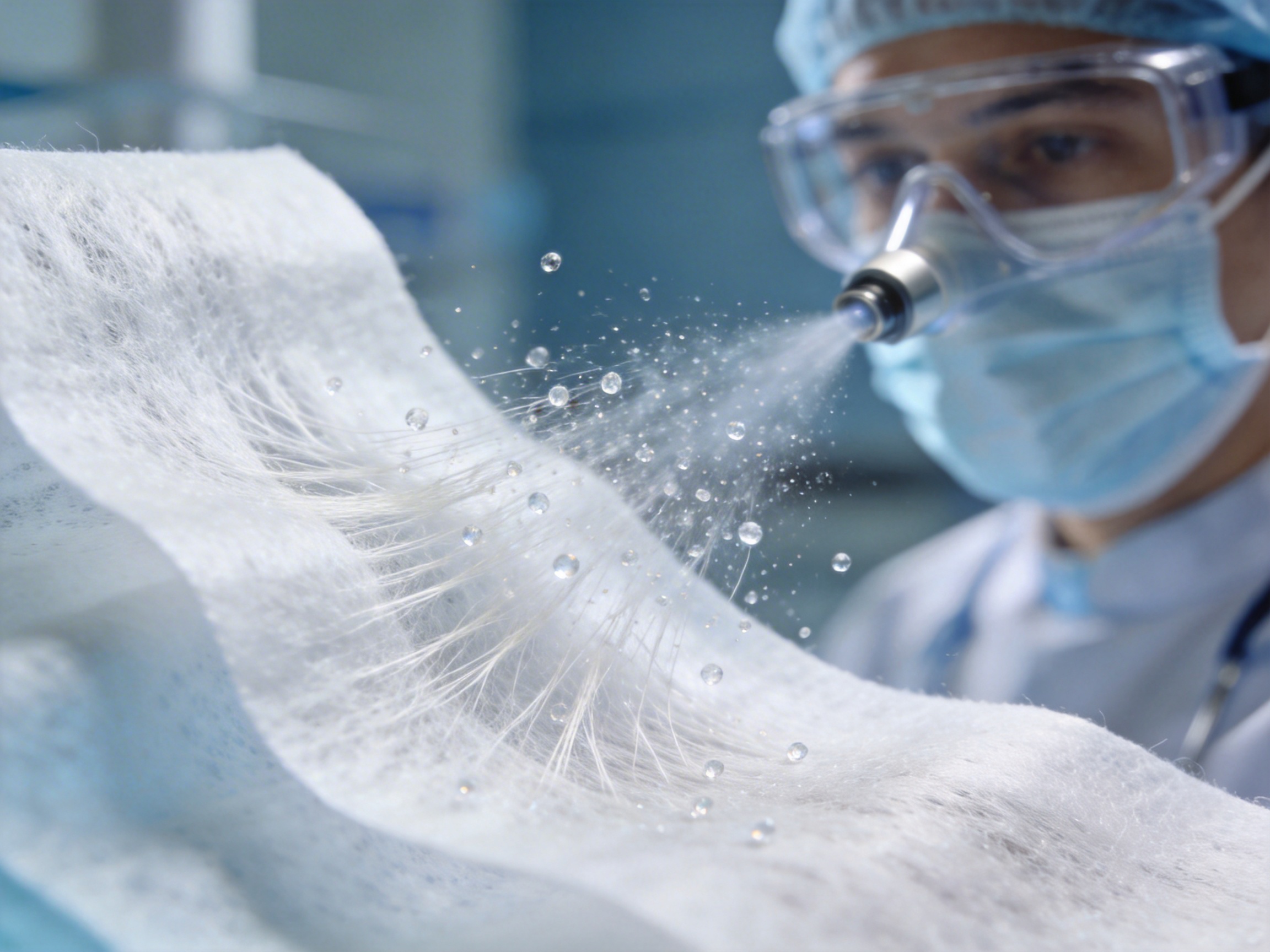
PP meltblown nonwoven fabric is a synthetic material made from polypropylene fibers, produced through a specialized meltblowing process. Unlike traditional woven or knitted fabrics, nonwovens are created by bonding or interlocking fibers without the need for weaving. The meltblowing process involves melting polypropylene pellets and extruding them through fine nozzles, where high-velocity hot air streams stretch the molten polymer into ultra-fine fibers (typically 1-5 microns in diameter). These fibers then collect on a moving screen to form a web, which is subsequently bonded to enhance strength and stability.
The unique structure of PP meltblown fabric—characterized by its high surface area, small fiber diameter, and porous matrix—makes it ideal for filtration applications. The fibers trap particles through a combination of mechanisms: inertial impaction (for larger particles), interception (for particles that touch fibers), diffusion (for tiny particles that move randomly), and electrostatic attraction (when electret technology is applied).
Key Advantages of High-Performance PP Meltblown Fabric
When it comes to medical face mask applications, not all PP meltblown fabrics are created equal. High-performance variants offer distinct advantages over standard or lower-quality alternatives, as outlined below:
Superior Filtration Efficiency
One of the most critical metrics for medical mask filter materials is filtration efficiency (FE). High-performance PP meltblown fabric exceeds global standards, with water electret variants achieving European FFP2/FFP3 ratings and American 2/3 level standards. For context, FFP2 masks are required to filter at least 94% of airborne particles (0.3 microns), while FFP3 masks filter 99% or more. Electric electret variants go even further, delivering BFE (Bacterial Filtration Efficiency) of 99+% and PFE (Particulate Filtration Efficiency) of 99%, which are essential for protecting against bacteria, viruses, and fine particulate matter.
Compared to competing materials like cotton or lower-grade nonwovens, PP meltblown fabric’s electrostatic properties (from electret treatment) significantly enhance its ability to capture tiny particles—including those as small as 0.1 microns, which are common in respiratory droplets carrying viruses like COVID-19. Standard cotton masks, for example, typically have a FE of only 10-30% for 0.3-micron particles, making them far less effective for medical use.
Enhanced Fluid Resistance
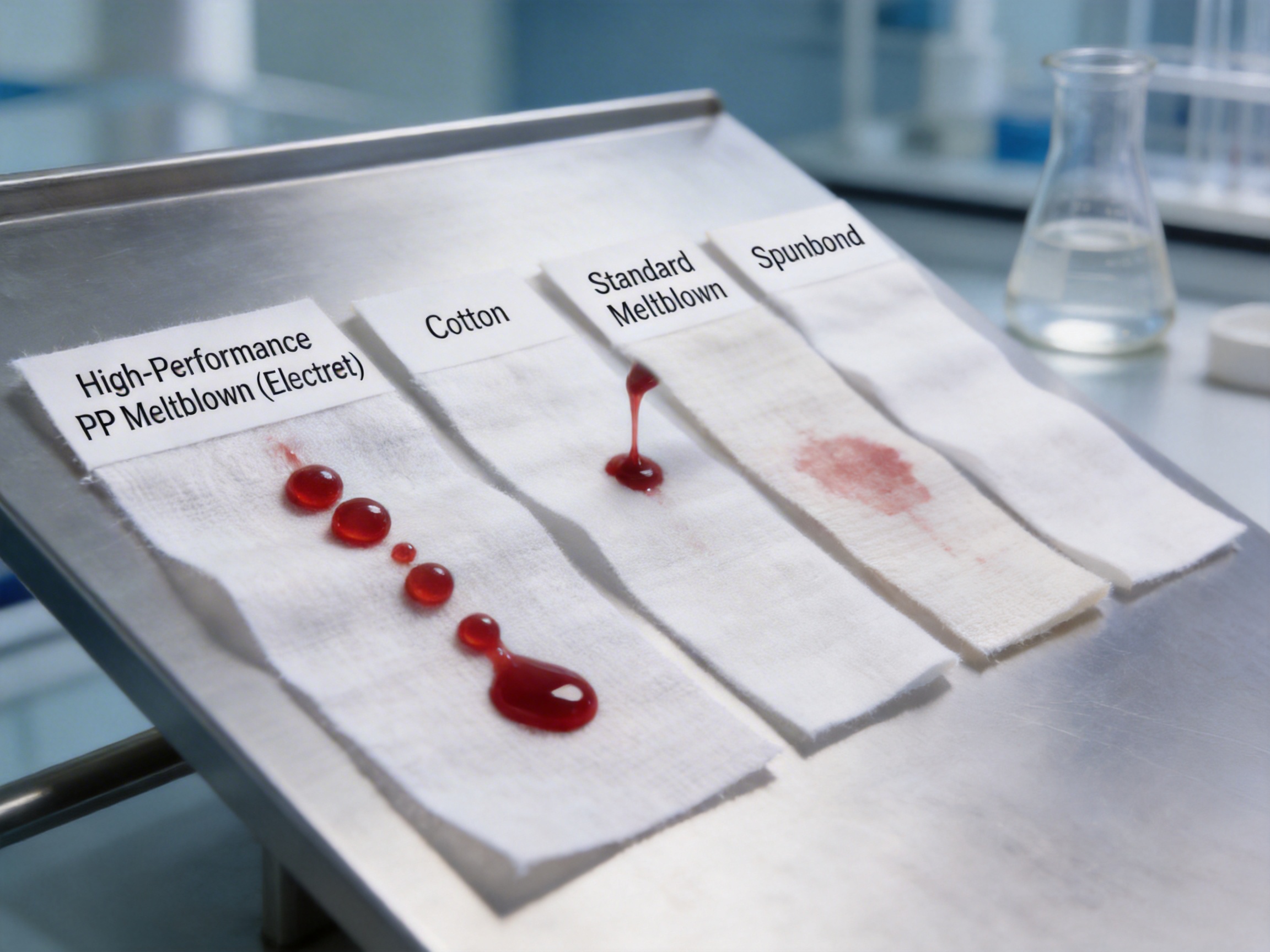
Medical settings often expose masks to bodily fluids (e.g., blood, saliva) and chemicals (e.g., alcohol-based disinfectants). High-performance PP meltblown fabric is engineered to resist these substances, preventing penetration and maintaining its structural integrity. Its hydrophobic properties (water-repellent) mean that fluid droplets bead up on the surface rather than soaking through, which is crucial for protecting healthcare workers from contamination.
Competitor materials like non-electret meltblown or spunbond fabrics may lack this level of fluid resistance. For instance, non-electret meltblown often absorbs fluids, leading to reduced filtration efficiency and increased risk of leakage. High-performance variants, however, are treated to repel alcohol, blood, and grease—making them suitable for use in operating rooms, emergency departments, and other high-risk environments.
Customization Capabilities
Every medical application has unique requirements, and high-performance PP meltblown fabric can be tailored to meet specific needs. Manufacturers can adjust fiber diameter, weight, thickness, and electret charge intensity to optimize filtration for different particle sizes or fluid resistance levels. This flexibility allows for the production of masks that are suitable for general public use, surgical procedures, or industrial applications (e.g., protection against dust or fumes).
Many competing materials offer limited customization options, forcing users to settle for one-size-fits-all solutions. In contrast, the ability to customize PP meltblown fabric ensures that masks are both effective and comfortable—balancing breathability with protection, which is a key concern for long-term wear.
Durability and Longevity
High-performance PP meltblown fabric is designed to withstand repeated use (where applicable) and harsh conditions without compromising its performance. Its bonded fiber structure resists tearing, even when exposed to moisture or stretching. This durability is particularly important for healthcare workers who may wear masks for extended shifts, as it reduces the need for frequent replacements and lowers the risk of mask failure.
Lower-quality meltblown fabrics often degrade quickly, losing their electrostatic charge or structural integrity after a few hours of use. This not only reduces protection but also increases waste and costs. High-performance variants, however, maintain their properties for longer periods, making them a more sustainable and cost-effective choice.
Advanced Manufacturing Processes: Behind the Excellence
The superior performance of high-performance PP meltblown fabric is not accidental—it is the result of advanced manufacturing processes, rigorous quality control, and ongoing investment in research and development (R&D). Below is a breakdown of the key steps and technologies involved:
State-of-the-Art Equipment
Leading manufacturers of high-performance PP meltblown fabric invest in cutting-edge machinery from global leaders in polymer processing. For example, equipment sourced from Germany, France, and Italy is used to ensure precision in fiber extrusion, stretching, and bonding. These machines are capable of producing ultra-fine fibers with consistent diameter and distribution—critical for achieving high filtration efficiency.
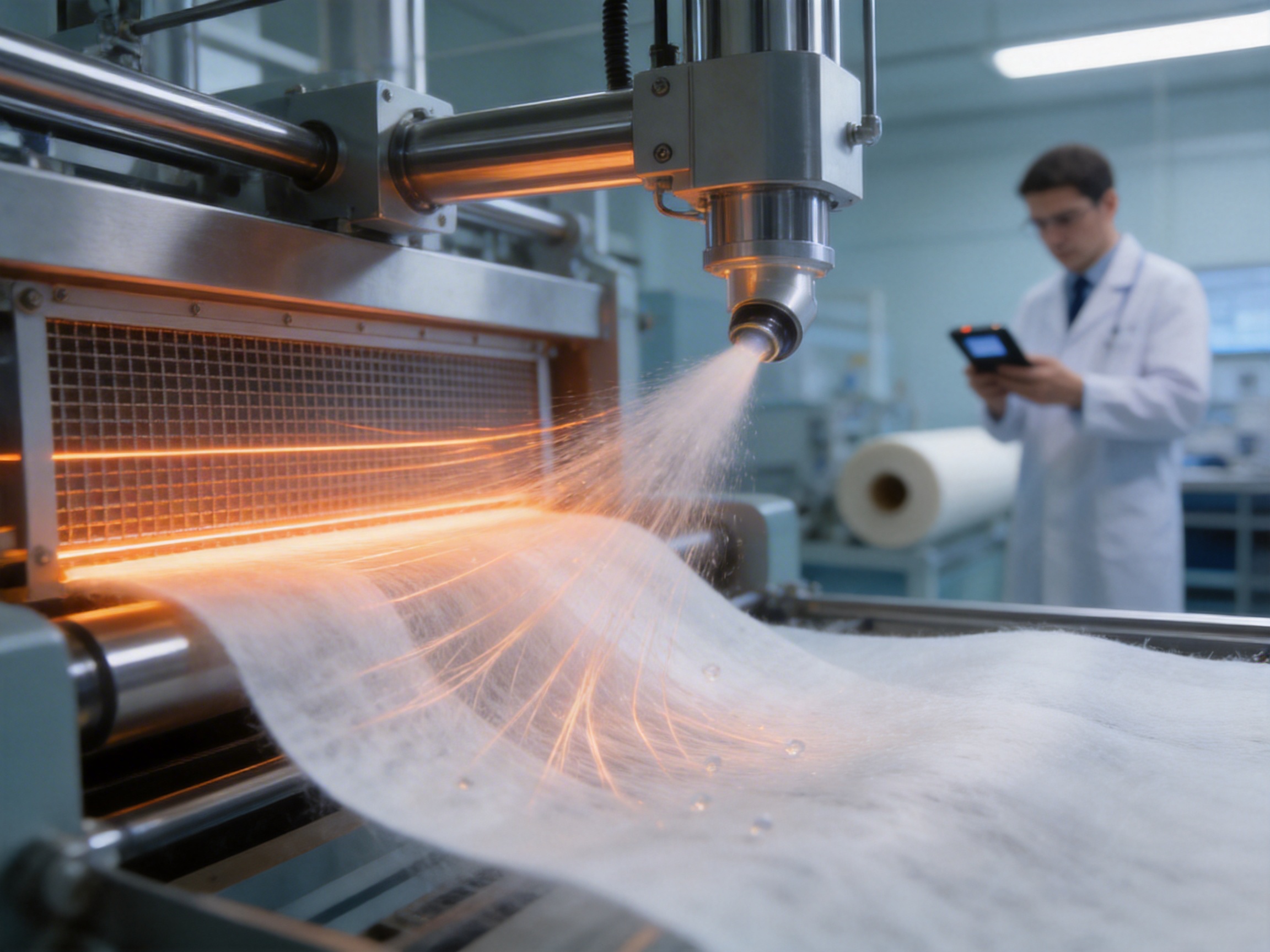
One key piece of equipment is the meltblowing die, which features hundreds of fine nozzles that extrude molten polypropylene. Advanced dies are designed to minimize fiber diameter variation, ensuring that every part of the fabric has uniform filtration properties. High-velocity hot air systems further refine the fibers, creating a porous matrix that balances breathability and protection.
Electret Technology: Boosting Filtration
Electret treatment is a game-changer for PP meltblown fabric. This process imparts a permanent electrostatic charge to the fibers, which significantly enhances their ability to capture tiny particles through electrostatic attraction. There are two primary electret technologies used: water electret and electric electret.
Water electret involves treating the fabric with a water-based solution containing charge-stabilizing agents. This method is eco-friendly and effective for achieving FFP2/FFP3 ratings. Electric electret, on the other hand, uses an electric field to charge the fibers, resulting in even higher BFE and PFE levels (99+%). Both methods are carefully controlled to ensure the charge is stable over time and not easily dissipated by moisture or heat.
Rigorous Quality Control
Every batch of high-performance PP meltblown fabric undergoes extensive testing to ensure it meets global standards. Key tests include:
- Filtration Efficiency (FE): Tested using standardized methods (e.g., EN 149:2001+A1:2009 for FFP masks, ASTM F2101 for PFE).
- Fluid Resistance: Evaluated using ASTM F1862 (synthetic blood penetration) and EN 14683 (splash resistance).
- Breathability: Measured by air permeability (ASTM D737) to ensure comfort during long-term wear.
- Electrostatic Charge Stability: Tested over time to ensure the charge remains effective under various conditions.
Manufacturers maintain ISO 13485 certification (a quality management system for medical devices) to ensure consistent quality across all production batches. This certification is a testament to their commitment to meeting the highest standards of safety and performance.
Ongoing R&D: Innovating for the Future
Leading manufacturers invest heavily in R&D to improve existing products and develop new solutions. For example, researchers are working on:
- Enhanced biodegradable PP meltblown fabric: To reduce environmental impact without compromising performance.
- Self-sterilizing fabrics: Incorporating antimicrobial agents to kill bacteria and viruses on contact.
- Smart fabrics: Integrating sensors to monitor mask fit, filter efficiency, or user health metrics.
This commitment to innovation ensures that high-performance PP meltblown fabric remains at the forefront of medical filtration technology.
Applications Beyond Medical Masks
While PP meltblown fabric is most commonly associated with medical face masks, its versatility extends to a wide range of healthcare and industrial applications:
Protective Clothing
PP meltblown fabric is used in the production of protective clothing, including surgical gowns, isolation gowns, and coveralls. Its fluid resistance and filtration properties make it ideal for protecting healthcare workers from pathogens and bodily fluids. The fabric is also lightweight and breathable, ensuring comfort during long shifts.
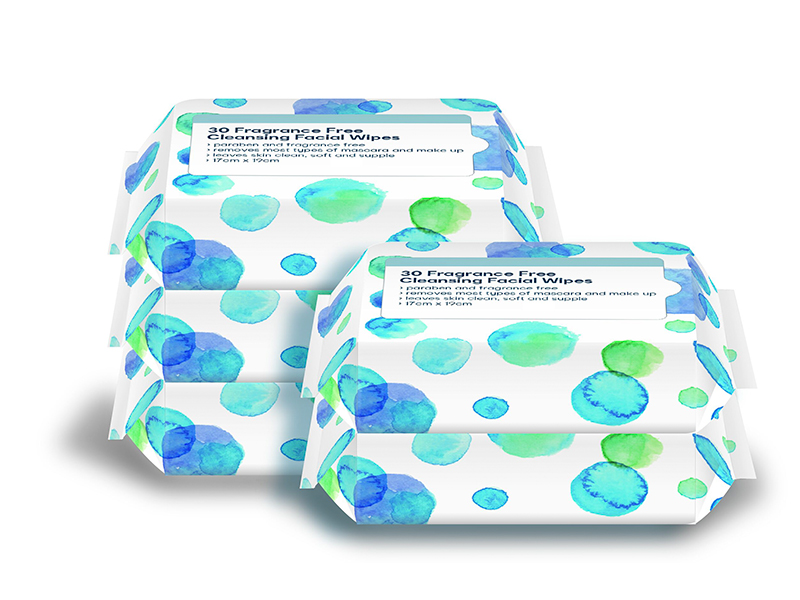
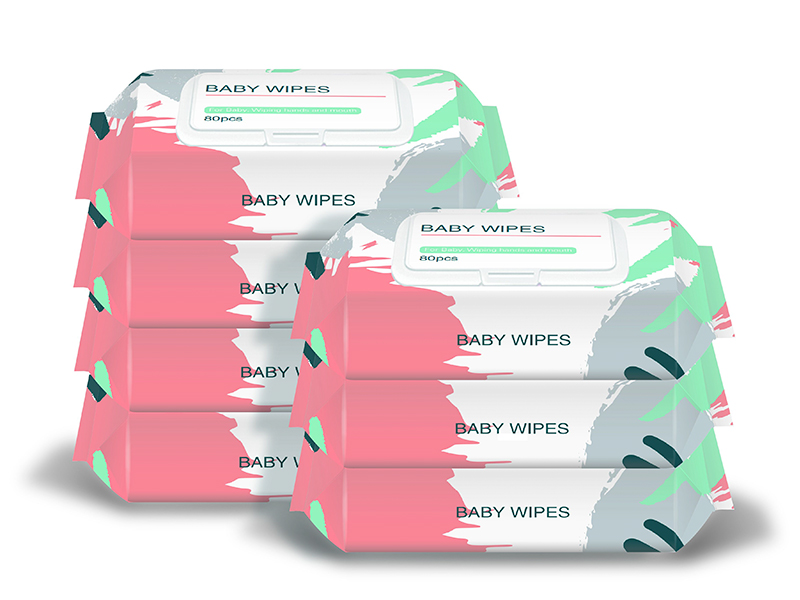
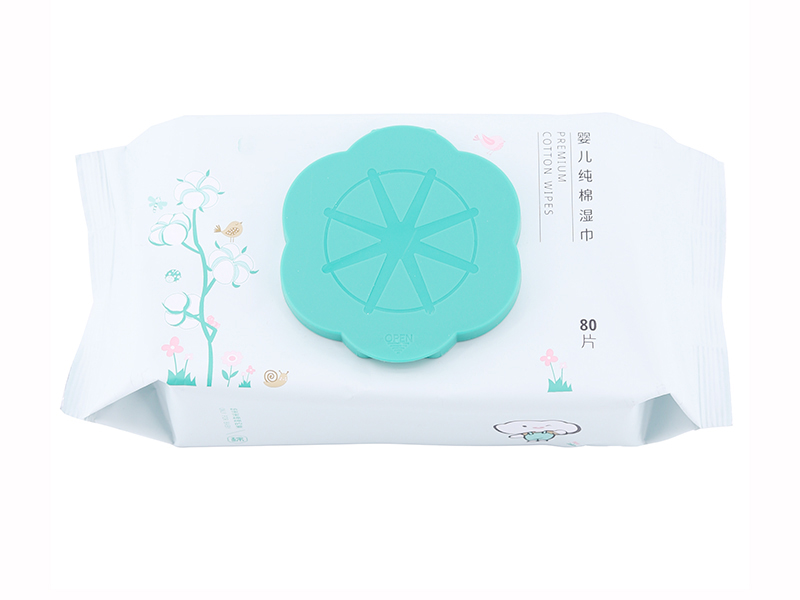
Medical Wipes
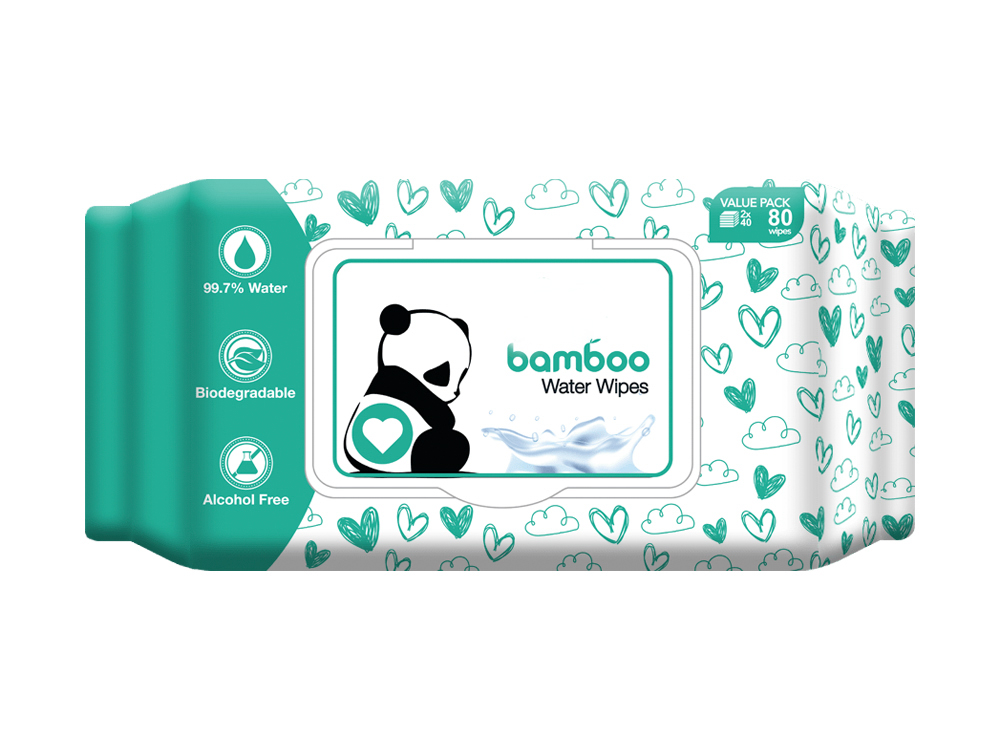
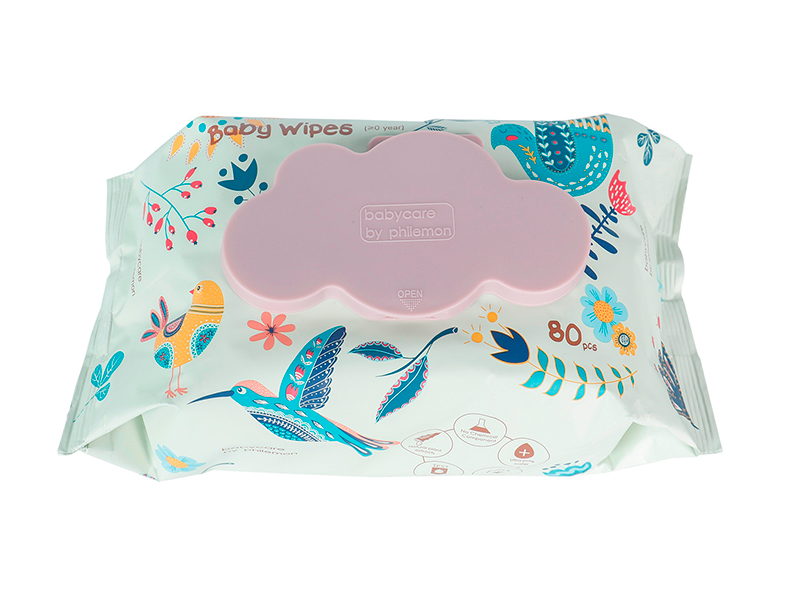
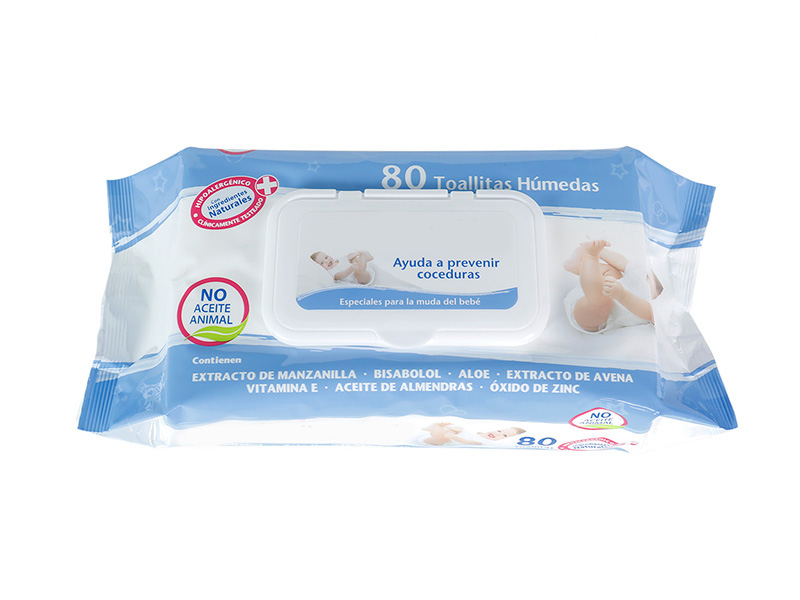
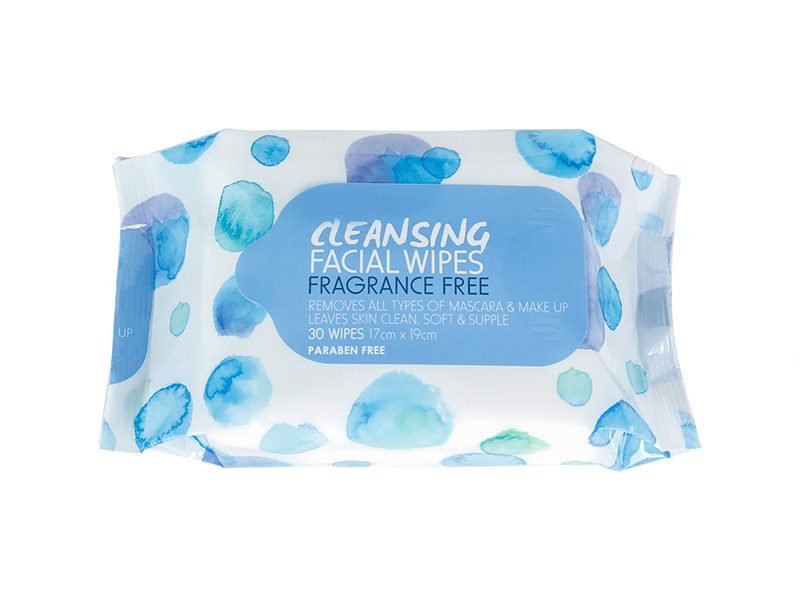
High-performance PP meltblown fabric is used in the production of medical wipes, which are used for cleaning and disinfecting surfaces, equipment, and skin. Its absorbent properties (when combined with other layers) and resistance to chemicals make it suitable for use in hospitals, clinics, and other healthcare settings.
Industrial Filtration
In industrial settings, PP meltblown fabric is used in air filters for ventilation systems, dust masks for construction workers, and filters for industrial processes (e.g., oil and gas, pharmaceuticals). Its ability to capture fine particles makes it essential for maintaining air quality and protecting workers from harmful contaminants.
Company Strengths: Ensuring Reliability and Quality
Zhejiang Uniquality Nursing Products Technology Co., Ltd. (and its parent brand Kingsafe) is a leading manufacturer of high-performance PP meltblown nonwoven fabric, with a proven track record of excellence in the industry. Its strengths include:
Decades of Experience
Founded in 1987, Kingsafe & Uniquality has over 35 years of experience in the nonwovens industry. This long history has allowed the company to refine its manufacturing processes, develop deep expertise in polymer technology, and build strong relationships with customers worldwide.
Global Production Network
The company operates eight production bases across China (Changxing, Foshan, Nantong, Wuhan), ensuring that it can meet local demand and reduce lead times. Its headquarters in Changxing, Huzhou, is strategically located in the Yangtze River Delta—an area with excellent transportation links for efficient distribution.
Industry Leadership
Kingsafe & Uniquality is a national high-tech enterprise and a leading player in China’s industrial textile industry. It has ranked among the top 10 in China’s nonwovens industry for many consecutive years (ranking first) and among the top 40 nonwovens manufacturers globally for eight consecutive years. This recognition is a testament to its technical innovation, production capacity, and commitment to quality.
Advanced Technology and Equipment
The company has invested heavily in state-of-the-art equipment from Germany, France, and Italy—ensuring precision in every stage of production. Its R&D team is focused on developing new technologies, such as enhanced electret treatments and biodegradable fabrics, to stay ahead of market demands.
Customer-Centric Approach
Kingsafe & Uniquality works closely with customers to understand their specific needs and provide customized solutions. This includes adjusting fabric properties, offering flexible order quantities, and providing technical support to ensure optimal performance. The company has established long-term partnerships with many well-known brands domestically and internationally.
Comparison of High-Performance PP Meltblown Fabric vs. Competitor Materials
| Feature | High-Performance PP Meltblown (Electret) | Standard PP Meltblown (Non-Electret) | Cotton Fabric | Spunbond Nonwoven |
|---|---|---|---|---|
| Filtration Efficiency (0.3μm) | 99%+ (FFP3/FFP2) | 60-80% | 10-30% | 40-60% |
| Fluid Resistance (Alcohol/Blood) | Excellent | Poor | Poor (Absorbs Fluids) | Moderate |
| Customization Options | High (Fiber Diameter, Weight, Charge) | Limited | Low | Moderate |
| Breathability (Air Permeability) | Good (Balanced with Protection) | Moderate | High (But Low FE) | High (But Low FE) |
| Compliance with Medical Standards | Yes (EN 149, ASTM F2101) | No (Not Suitable for Medical Use) | No | No |
Q&A Section
To address common questions about high-performance PP meltblown fabric and its applications, we’ve compiled the following Q&A:
Q1: What is the difference between water electret and electric electret PP meltblown fabric?
A: Water electret uses a water-based solution to impart a charge to the fibers, making it eco-friendly and effective for achieving FFP2/FFP3 ratings. Electric electret uses an electric field to charge the fibers, resulting in higher BFE (99+%) and PFE (99%) levels, which are ideal for surgical masks and other high-risk applications.
Q2: How long does the electrostatic charge in PP meltblown fabric last?
A: The charge stability depends on the manufacturing process and storage conditions. High-performance variants are designed to maintain their charge for up to 2-3 years when stored in a dry, cool environment. Exposure to moisture or high temperatures can reduce the charge over time, but proper storage ensures maximum shelf life.
Q3: Can PP meltblown fabric be recycled?
A: Yes, polypropylene is a recyclable material. However, the recycling process for meltblown fabric requires specialized equipment to separate the fibers from other materials (e.g., spunbond layers in masks). Leading manufacturers are exploring ways to improve recyclability and reduce environmental impact.
Q4: What certifications are required for PP meltblown fabric used in medical masks?
A: For European markets, the fabric must comply with EN 149:2001+A1:2009 (for FFP masks) or EN 16483 (for surgical masks). For the U.S., it must meet ASTM F2101 (PFE) and ASTM F1862 (fluid resistance). Additionally, manufacturers should have ISO 13485 certification to ensure quality management.
Q5: Can PP meltblown fabric be customized for specific industries?
A: Yes. Manufacturers can adjust fiber diameter, weight, thickness, and electret charge to meet the needs of different industries. For example, a fabric used in industrial dust masks may have a higher fiber diameter for increased breathability, while a fabric used in surgical masks may have a finer fiber diameter for higher filtration efficiency.

Conclusion
High-performance PP meltblown nonwoven fabric is a cornerstone of modern medical filtration, playing a critical role in protecting healthcare workers and the general public from respiratory pathogens. Its superior filtration efficiency, enhanced fluid resistance, customization capabilities, and durability make it the material of choice for medical face masks and other healthcare applications. Behind its excellence are advanced manufacturing processes, rigorous quality control, and ongoing innovation—ensuring that it continues to meet the evolving demands of the healthcare industry.
As the world faces new challenges (e.g., emerging pathogens, climate change), the importance of high-performance PP meltblown fabric will only grow. Manufacturers must continue to invest in R&D to develop more sustainable, effective, and versatile solutions—ensuring that we have the tools we need to protect public health now and in the future.
References
1. World Health Organization (WHO). (2020). "Guidance on the Use of Masks in the Context of COVID-19." Geneva, Switzerland.
2. European Committee for Standardization (CEN). (2009). EN 149:2001+A1:2009: Respiratory protective devices—Filtering half masks to protect against particles.
3. American Society for Testing and Materials (ASTM). (2019). ASTM F2101-19: Standard Test Method for Evaluating the Bacterial Filtration Efficiency (BFE) of Medical Face Mask Materials, Using a Biological Aerosol.
4. Nonwovens Industry Association (NIA). (2022). "Global Nonwovens Market Report: 2022-2027." Washington, D.C.
5. International Organization for Standardization (ISO). (2016). ISO 13485:2016: Medical devices—Quality management systems—Requirements for regulatory purposes.