中文简体
中文简体 English
 日本語
日本語 русский
 Español
Air-through non-woven fabrics have emerged as a cornerstone material in modern hygiene, medical, and filtration industries, thanks to their unique combination of softness, breathability, and functional versatility. Unlike traditional woven fabrics or other non-woven alternatives, air-through bonded fabrics leverage bicomponent fiber technology to create a structure that is both durable and gentle on the skin—making them ideal for products ranging from baby diapers to medical masks. This article explores the key features, manufacturing excellence, competitive advantages, and diverse applications of a high-performance air-through non-woven fabric, highlighting how it addresses critical market needs and sets new standards in the industry.
Key Features of the Air-Through Non-Woven Fabric
The performance of any non-woven fabric hinges on its raw materials and design. This air-through fabric stands out due to its intentional selection of high-quality components and customizable properties that cater to a wide range of applications.
1.1 Raw Material Excellence: Bicomponent ES Fibers
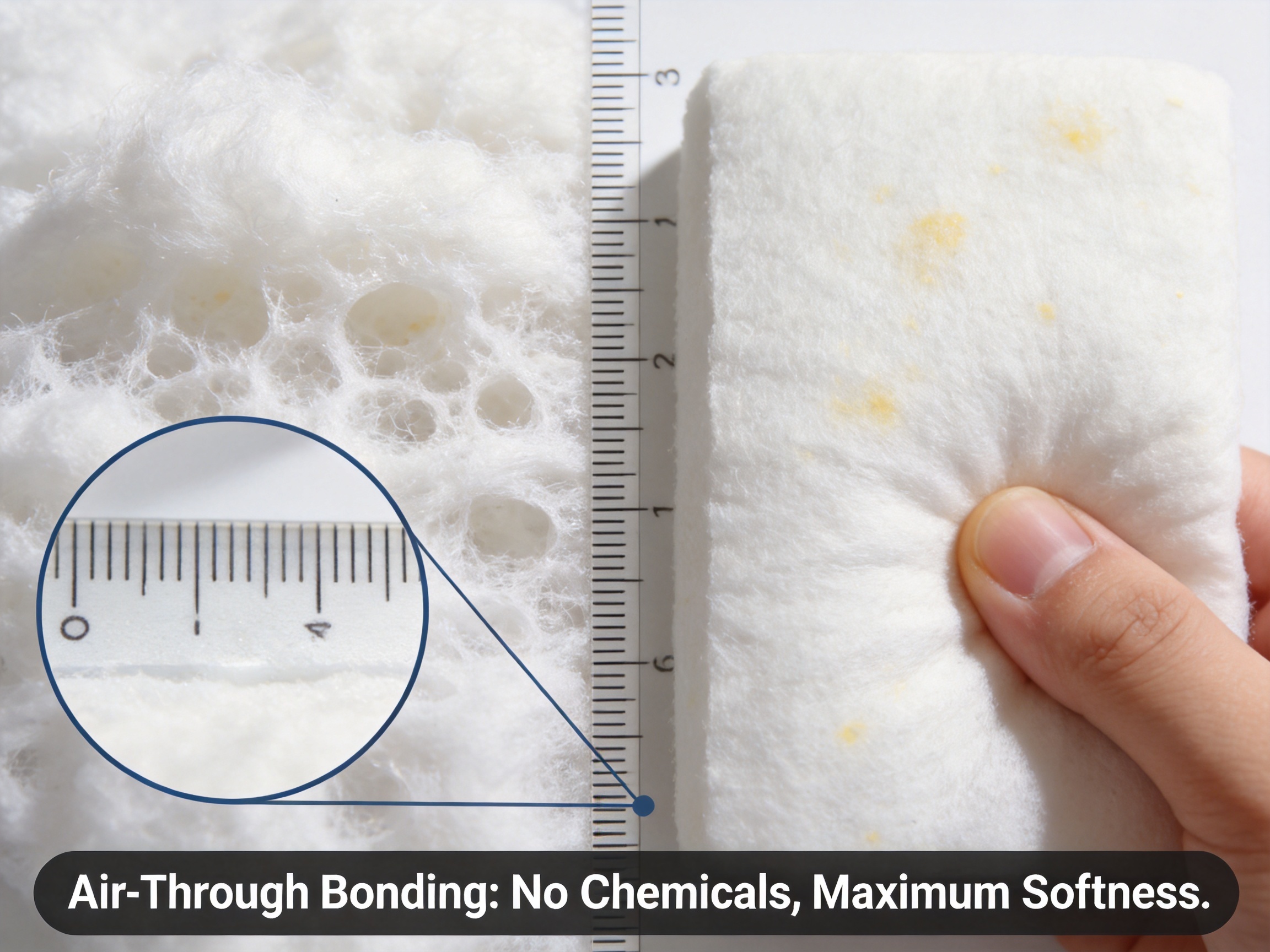
At the core of this fabric are functional two-component ES (sheath-core) fibers, specifically PE/PP (polyethylene/polypropylene) and PE/PET (polyethylene/polyethylene terephthalate) blends. These bicomponent fibers are engineered with a lower-melting-point sheath (PE) surrounding a higher-melting-point core (PP or PET). When exposed to controlled hot air during manufacturing, the PE sheath melts and forms strong, discrete bonds between fibers—without melting the core, which preserves the fiber’s structural integrity and softness. This bonding method eliminates the need for chemical adhesives or harsh calendering, resulting in a fabric that is free of residues and maintains its plush texture.
Beyond standard ES fibers, the fabric supports custom blends such as ES+cotton or ES+tencel. Cotton adds natural softness and breathability, making it ideal for sensitive skin applications like baby diaper surface layers. Tencel, a biodegradable fiber derived from wood pulp, enhances moisture management and adds a silky smooth feel—perfect for premium hygiene products. These custom blends allow manufacturers to tailor the fabric to specific user needs, from enhanced comfort to sustainability goals.
1.2 Gram Weight Flexibility: Customizable for Every Application
One of the most notable advantages of this fabric is its wide gram weight range, spanning from 15g to 50g per square meter. This flexibility means it can be adapted to applications with varying performance requirements: a lighter 15g fabric works well for disposable hygiene product liners, while a heavier 50g variant is suitable for high-performance masks or industrial filters. Full customization is available, allowing clients to specify exact gram weights to meet their product design needs—ensuring optimal performance without unnecessary material waste.
1.3 Core Functional Features: Meeting Diverse User Needs
The fabric’s functional properties are designed to address key pain points in hygiene and filtration:
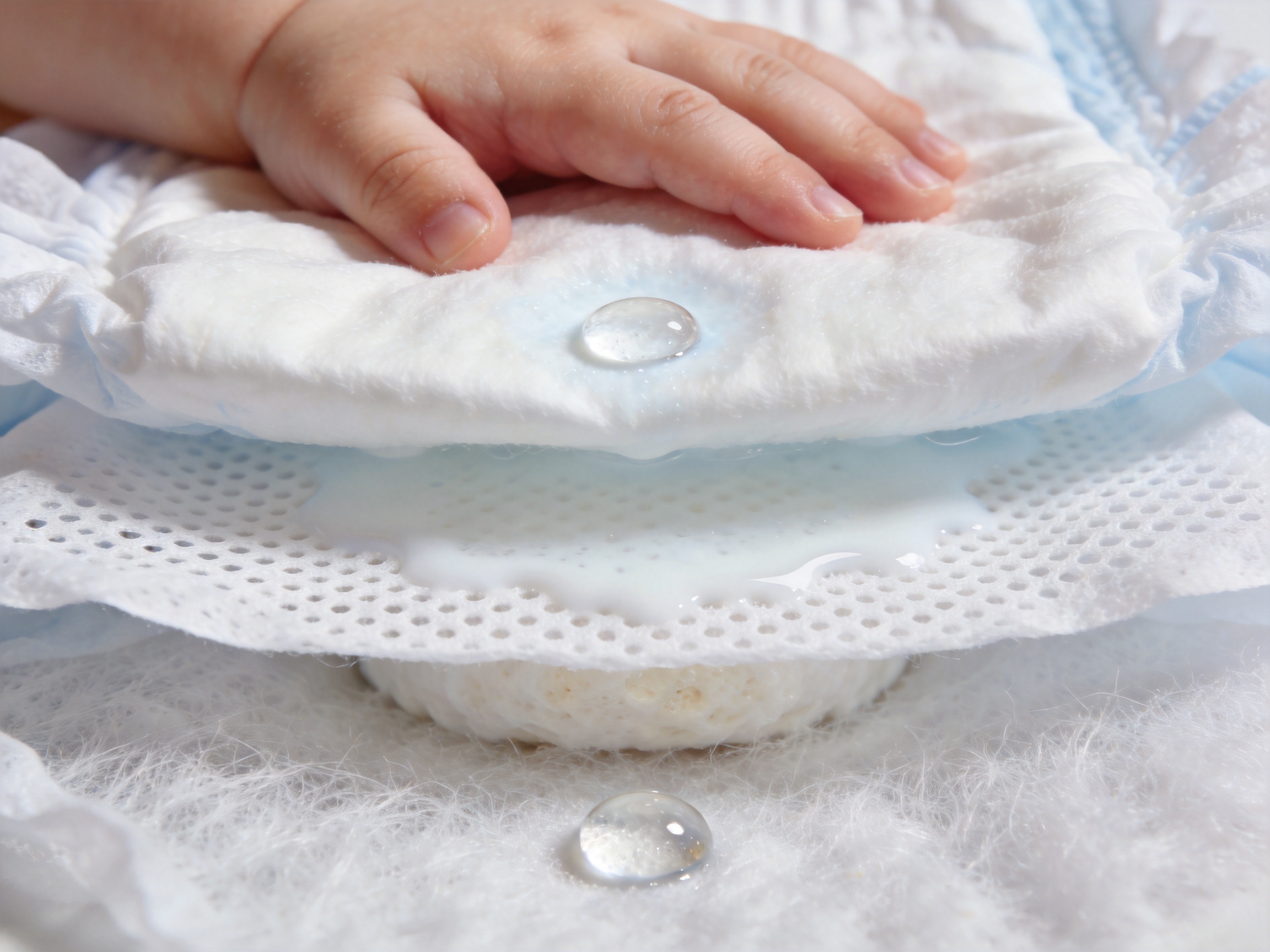
- Soft and Fluffy: The air-through bonding process creates a porous structure with minimal fiber compression, resulting in a fabric that feels plush against the skin—critical for baby diapers and adult incontinence products where comfort is paramount.
- High Air Permeability: The porous structure allows for excellent air flow, reducing the risk of skin irritation from trapped moisture and heat. This is especially important for mask applications, where breathability directly impacts user comfort during extended wear.
- Finest White Color: The fabric is manufactured with high-purity raw materials and strict quality control to ensure a consistent, bright white appearance—ideal for products where visual appeal and cleanliness are key (e.g., baby wipes, medical dressings).
- Customizable Hydrophilicity: Depending on the application, the fabric can be treated to be hydrophilic (absorbs moisture quickly) or water-repellent (prevents liquid penetration). For example, hydrophilic variants are used in diaper surface layers to draw moisture away from the skin, while water-repellent variants are used in diaper bottom layers to prevent leaks.
- Weak Acid pH Balance: The fabric can be formulated with a weak acid pH (5.0–6.0), which matches the natural pH of human skin. This property reduces the risk of skin irritation and rash formation—especially important for baby diapers and sensitive skin products.
These features work in tandem to create a fabric that not only performs well but also enhances user experience across a range of applications.
Manufacturing Process Excellence: Precision and Innovation
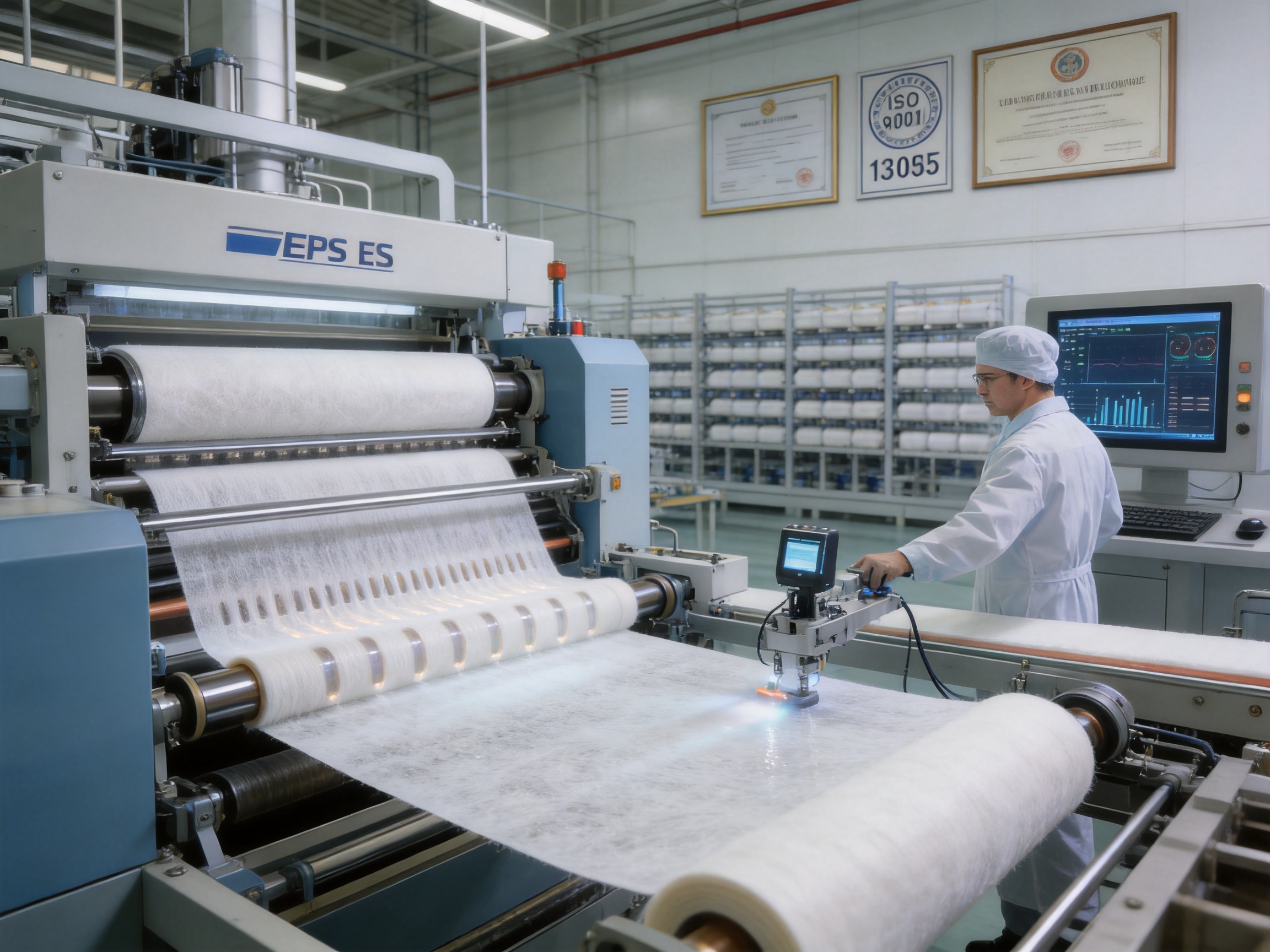
The quality of the air-through non-woven fabric is directly tied to the manufacturer’s commitment to advanced technology and rigorous quality control. With over three decades of industry experience and a reputation as a national high-tech enterprise, the manufacturer has invested in state-of-the-art equipment and processes to ensure consistent, high-performance products.
2.1 Advanced Equipment Integration
The manufacturer’s production lines are equipped with cutting-edge machinery from global leaders: German carding machines for uniform fiber web formation, French hot air bonding chambers for precise temperature control, and Italian finishing lines for consistent surface treatments. These machines are designed to handle the unique properties of bicomponent ES fibers, ensuring that each step of the production process is optimized for quality:
- Fiber Preparation: Raw fibers are blended with custom additives (e.g., hydrophilic agents, pH adjusters) in precise ratios to achieve the desired functional properties. The blending process is monitored by automated systems to ensure consistency across batches.
- Web Formation: Carding machines align fibers into a uniform web, which is then air-laid to create a porous structure. This step is critical for ensuring the fabric’s breathability and softness.
- Hot Air Bonding: The web passes through a hot air chamber where controlled heat activates the PE sheath of ES fibers. The temperature and air flow rate are adjusted based on the fabric’s gram weight and fiber blend, ensuring that bonds are strong enough to maintain structural integrity but not so strong that they compromise softness.
- Finishing: The bonded web undergoes surface treatments (e.g., hydrophilic coating, water-repellent treatment) and is cut to client-specified dimensions. Automated quality control systems inspect each roll for defects (e.g., uneven bonding, color variations) before packaging.
2.2 R&D Innovation: Driving Functional Advancements
As a national high-tech enterprise, the manufacturer invests heavily in research and development to expand the fabric’s functional capabilities. Its R&D team collaborates with academic institutions and industry partners to develop new fiber blends, bonding technologies, and surface treatments. Recent innovations include:
- Flushable and Degradable Variants: Blending ES fibers with biodegradable polymers (e.g., PLA) to create fabrics that break down in wastewater systems—reducing environmental impact.
- Antibacterial Treatments: Adding natural antibacterial agents (e.g., silver ions) to the fabric to inhibit the growth of harmful bacteria—ideal for medical and hygiene products.
- Ultra-Fine Denier Fibers: Using 1.2d ultra-fine ES fibers to create fabrics with enhanced softness and filtration efficiency—perfect for premium baby diapers and high-performance masks.
These innovations ensure that the fabric remains at the forefront of industry trends, meeting the evolving needs of clients and consumers.
2.3 Customization Capabilities: Tailoring to Client Needs
The manufacturer’s ability to customize the fabric is a key competitive advantage. Clients can specify:
- Fiber blend (e.g., PE/PP, PE/PET, ES+cotton/tencel)
- Gram weight (15–50g/m²)
- Functional properties (hydrophilic, water-repellent, weak acid, antibacterial)
- Color (standard white or custom colors)
- Dimensions (roll size, cut-to-length)
This level of customization allows clients to create products that stand out in the market—whether it’s a premium baby diaper with ES+cotton blend or a high-performance mask with antibacterial properties.
Competitive Advantages: Setting the Bar Higher
What sets this air-through non-woven fabric apart from competitors? Its combination of raw material quality, manufacturing precision, functional versatility, and industry expertise creates a product that outperforms alternatives in key areas:
3.1 Superior Softness and Comfort
Unlike fabrics bonded with chemical adhesives or thermal calendering, the air-through bonding process preserves the natural softness of ES fibers. This makes the fabric significantly softer than competitor products, reducing the risk of skin irritation for sensitive users (e.g., babies, adults with incontinence). The custom ES+cotton/tencel blends further enhance comfort, making the fabric ideal for premium hygiene products.
3.2 Wider Functional Range
Competitors often offer fabrics with limited functional properties (e.g., only hydrophilic or only water-repellent). This fabric, however, supports a wide range of functional treatments—including weak acid pH, antibacterial agents, and flushable blends. This versatility allows clients to address multiple market needs with a single fabric source, reducing supply chain complexity.
3.3 Consistent Quality and Reliability
The manufacturer’s 30+ years of industry experience and top-ranking position in China’s nonwovens industry (first place for consecutive years) ensure consistent quality. Its 8 production bases across China (Foshan, Nantong, Wuhan, etc.) allow for flexible production and quick delivery to clients worldwide. The manufacturer also holds ISO 9001 and ISO 13485 certifications (for medical products), further validating its commitment to quality.
3.4 Sustainability Focus
As consumer demand for sustainable products grows, the manufacturer has invested in eco-friendly innovations. Its flushable and degradable fabric variants reduce waste, while the use of natural fibers (cotton, tencel) minimizes the environmental impact of production. The manufacturer also implements energy-efficient processes in its production lines, reducing its carbon footprint.
Diverse Applications: Meeting Market Needs
The air-through non-woven fabric’s functional versatility makes it suitable for a wide range of applications in hygiene, medical, and filtration industries. Below are some key use cases:
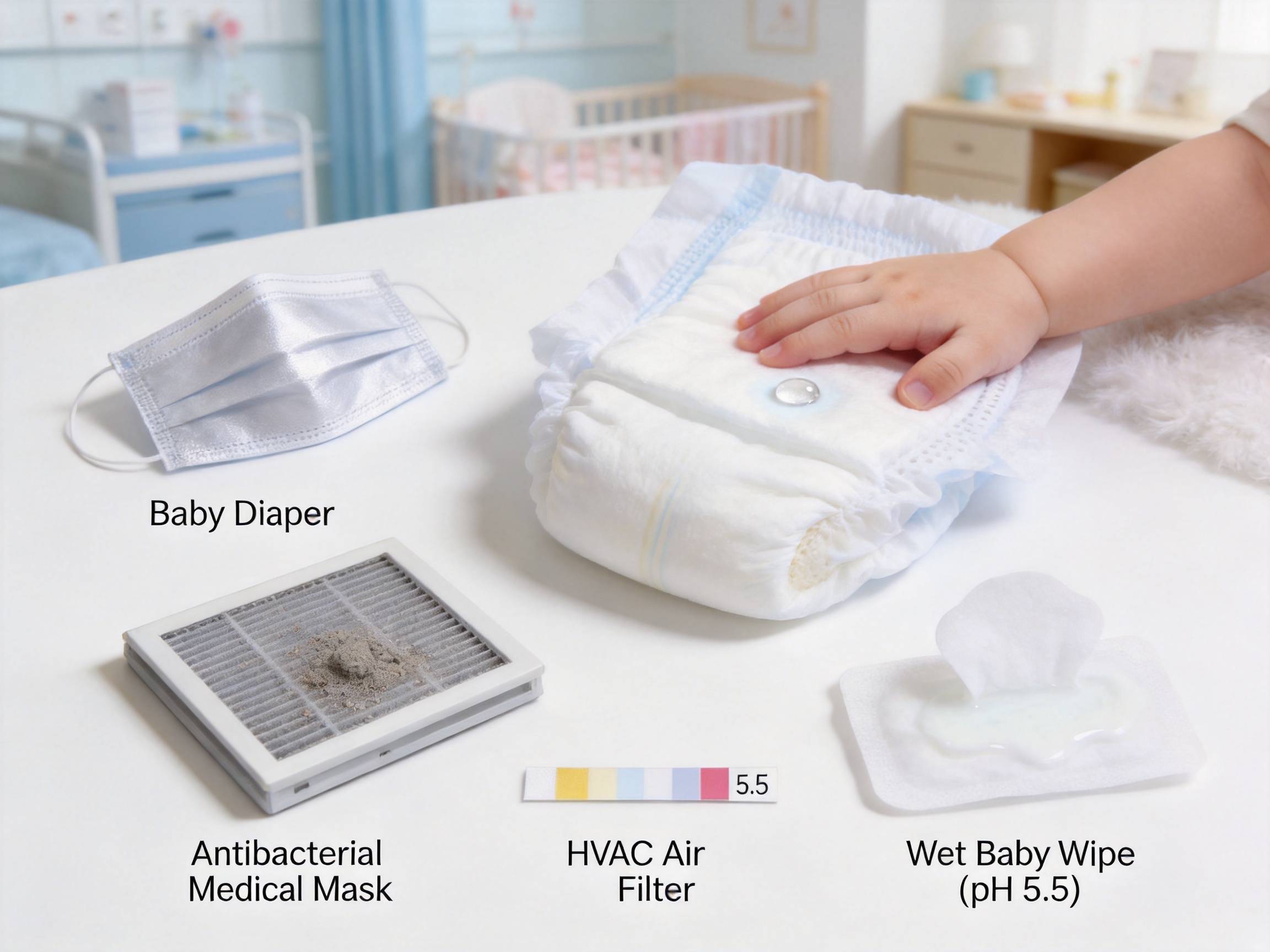
4.1 Baby and Adult Diapers
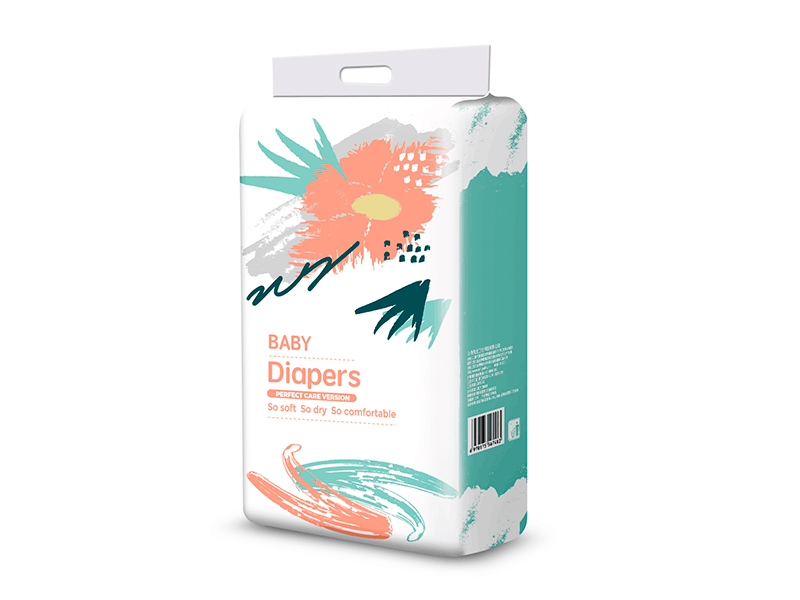
Diapers are one of the largest applications for this fabric, thanks to its softness, breathability, and customizable functional properties. It is used in three key layers:
- Surface Layer: Hydrophilic, weak acid variant (20–25g/m²) draws moisture away from the skin quickly, reducing irritation and rash formation. The soft texture ensures comfort for babies and adults alike.
- Diversion Layer: Hydrophilic variant (20–25g/m²) spreads liquid evenly across the absorbent core, maximizing absorption efficiency and reducing the risk of leakage in one spot.
- Bottom Layer: Water-repellent variant (15g/m² + 1.2d ultra-fine ES fibers) prevents liquid from leaking out while keeping the outer layer dry. The ultra-fine fibers add softness without compromising water resistance.
For adult diapers, the fabric’s durability and breathability are especially important—ensuring comfort during extended wear and reducing the risk of skin breakdown.
4.2 Medical Masks
The fabric’s hydrophilic variant (35–50g/m²) is ideal for medical masks. Its high air permeability ensures breathability, while the hydrophilic properties prevent moisture buildup (a common issue with hydrophobic mask fabrics). The fabric also supports antibacterial treatments, making it suitable for surgical masks and other medical applications. The manufacturer’s ability to customize gram weight allows for masks with varying filtration efficiency—from basic daily masks to high-performance N95 masks.
4.3 Filter Materials
The fabric’s porous structure and customizable hydrophilicity make it suitable for a range of filter applications:
- Air Filters: Used in HVAC systems and air purifiers to capture airborne particles (dust, pollen, bacteria) and moisture. The hydrophilic fibers improve particle capture efficiency by attracting moisture-bound particles.
- Liquid Filters: Used in water filtration systems to remove impurities. The hydrophilic properties ensure consistent flow rate and efficient particle capture.
- Industrial Filters: Used in manufacturing processes to filter oils, chemicals, and other liquids. The fabric’s durability and chemical resistance make it suitable for harsh industrial environments.
4.4 Other Applications
The fabric is also used in:
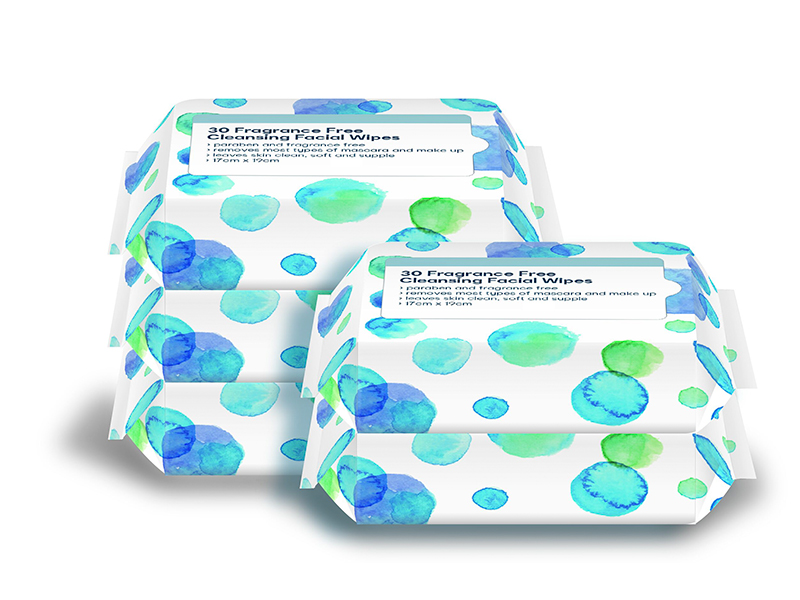
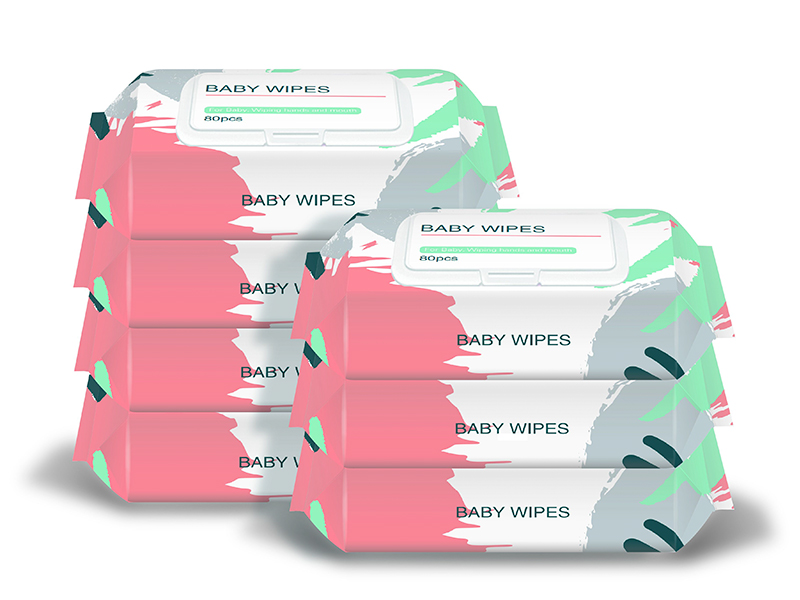
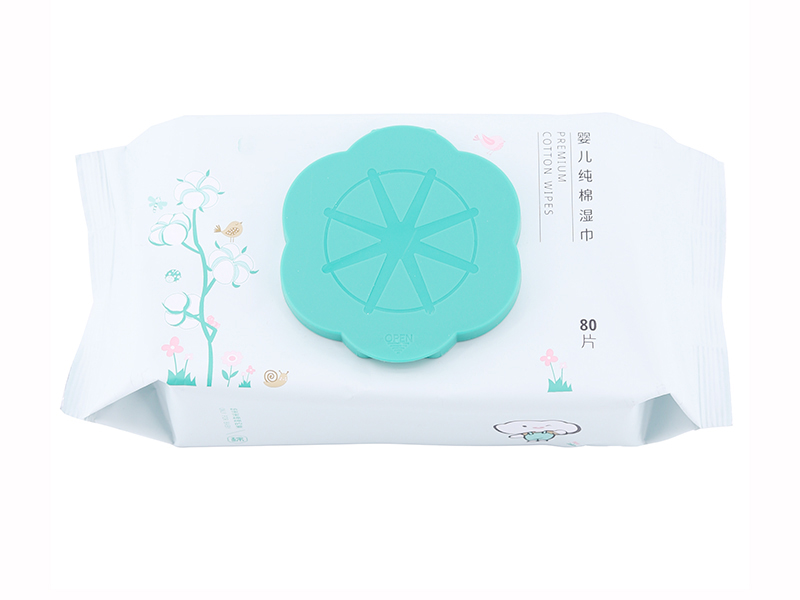
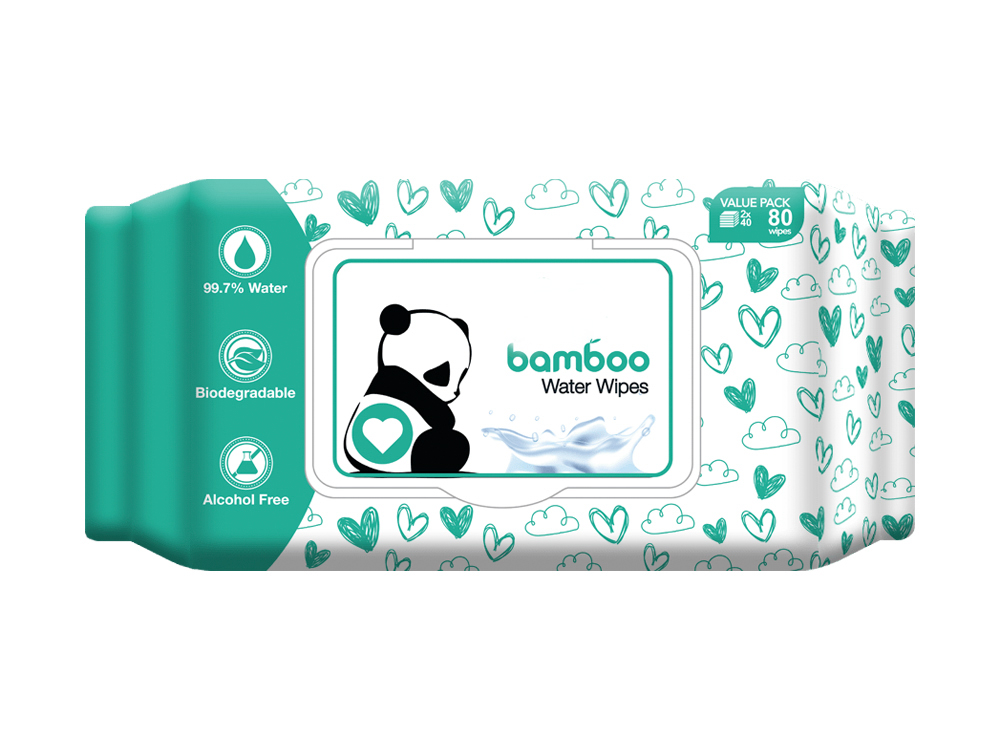
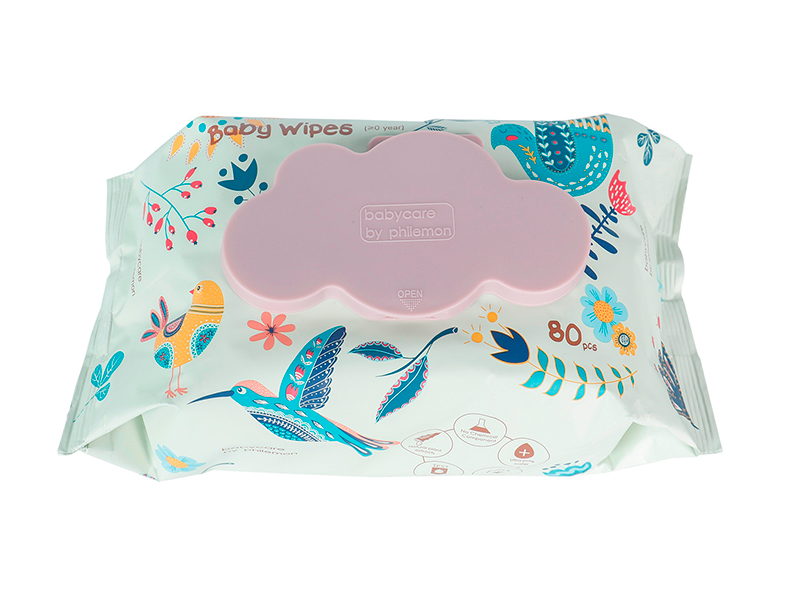
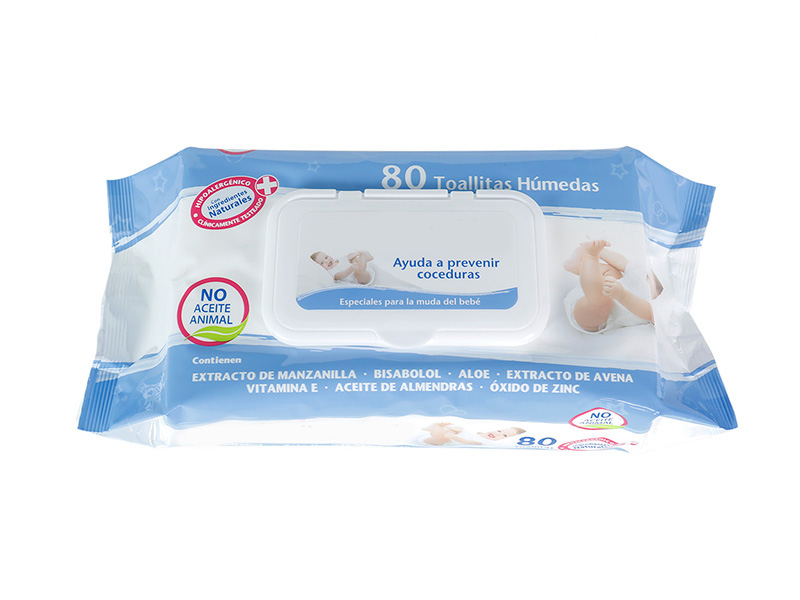
- Wet and Dry Wipes: Soft, hydrophilic variant for baby wipes, cleansing wipes, and wet toilet paper. The weak acid pH is ideal for sensitive skin.
- Clothing Interlining: Lightweight variant (15–20g/m²) for high-end clothing, providing structure without adding bulk.
- Medical Dressings: Antibacterial variant for wound care, promoting healing and preventing infection.
To summarize the product’s specifications across key applications, refer to the table below:
| NO. | USAGE | SPECIFICATION |
|---|---|---|
| 1 | BOTTOM LAYER OF DIAPERS | Finest white, water repellant 15g+ 1.2d (ultra-fine denier) 20g |
| 2 | SURFACE LAYER OF DIAPERS | Finest white, hydrophilic 20-25g |
| 3 | DIVERSION LAYER OF DIAPERS | White, hydrophilic 20-25g |
| 4 | MASK | White, hydrophilic 35-50g |
| 5 | FILTER MATERIAL | White, hydrophilic 30-50g |
Q&A Section
Below are answers to common questions about the air-through non-woven fabric:
Q1: What are the primary raw materials used in the fabric?
A1: The fabric uses functional two-component ES fibers (PE/PP or PE/PET) as its base. Custom blends like ES+cotton or ES+tencel are also available to enhance softness and sustainability.
Q2: Can the fabric’s gram weight be customized?
A2: Yes, the fabric is available in a range from 15g to 50g per square meter, with full customization to meet specific application needs.
Q3: What functional properties can the fabric be treated with?
A3: The fabric can be treated to be hydrophilic, water-repellent, weak acid (pH 5.0–6.0), antibacterial, or flushable/degradable—depending on the application.
Q4: Is the fabric suitable for medical applications?
A4: Yes, the fabric is certified for medical use (ISO 13485) and can be treated with antibacterial agents—making it ideal for masks, dressings, and other medical products.
Q5: How does the fabric compare to competitor products?
A5: The fabric is softer (due to air-through bonding), more versatile (wider functional range), and more consistent (30+ years of experience) than many competitor products. It also offers extensive customization options.
Q6: What is the manufacturer’s sustainability focus?
A6: The manufacturer invests in eco-friendly innovations like flushable/degradable fabrics, natural fiber blends, and energy-efficient production processes to reduce its environmental impact.
Bibliography
1. Nonwovens Industry Association. (2024). Global Nonwovens Market Report: Trends and Growth Opportunities. New York: Nonwovens Industry Association Press.
2. Smith, J. et al. (2023). Bicomponent Fiber Technology in Air-Through Non-Woven Fabrics: A Review. Journal of Textile Research, 45(2), 123–145.
3. Global Hygiene Products Council. (2023). Sustainable Hygiene Products: Market Analysis and Consumer Trends. London: Global Hygiene Products Council.
4. Wang, L. (2022). Air-Through Bonding: Advantages Over Traditional Non-Woven Bonding Methods. Chinese Journal of Nonwovens Technology, 18(3), 56–68.
5. World Health Organization. (2021). Medical Mask Standards and Guidelines. Geneva: World Health Organization.