中文简体
中文简体 English
 日本語
日本語 русский
 Español
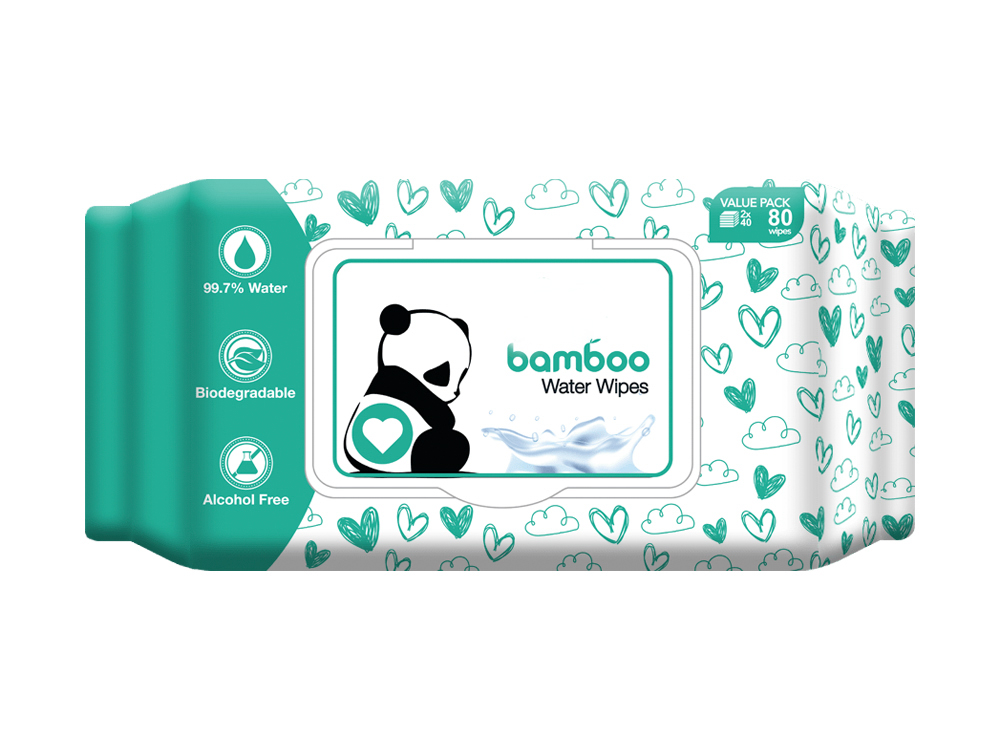
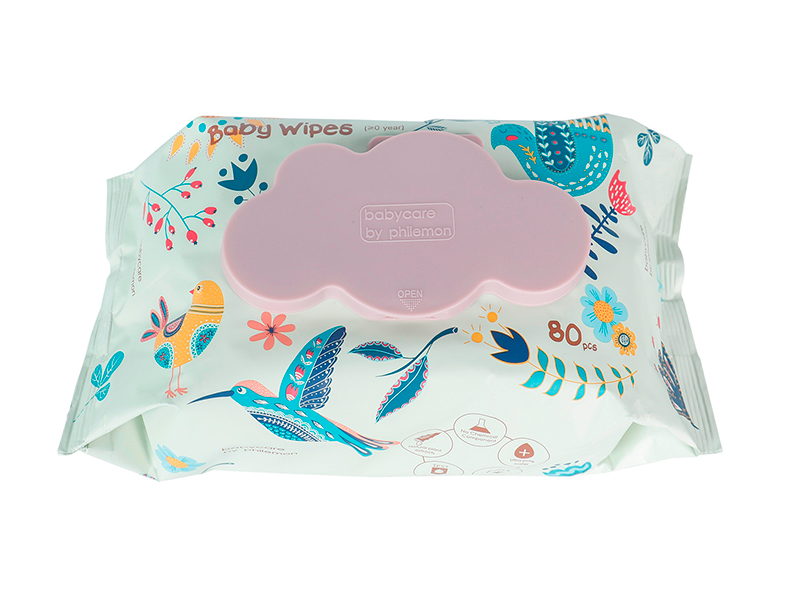
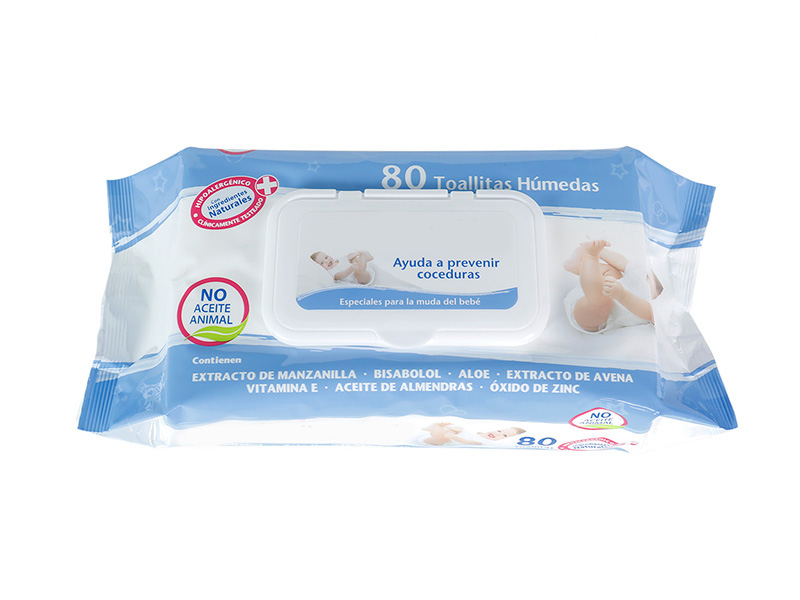
As the global hygiene industry grapples with two critical challenges—mounting plastic pollution from single-use disposables and rising consumer demand for skin-safe products—one innovation has emerged as a game-changer: alcohol-free compostable baby wipes. These wipes address both environmental concerns and parental worries about harsh chemicals, offering a balanced solution that doesn’t compromise on performance. In this article, we explore the science behind these wipes, their advantages over traditional alternatives, the advanced manufacturing processes that make them possible, and how they’re reshaping the future of baby care.
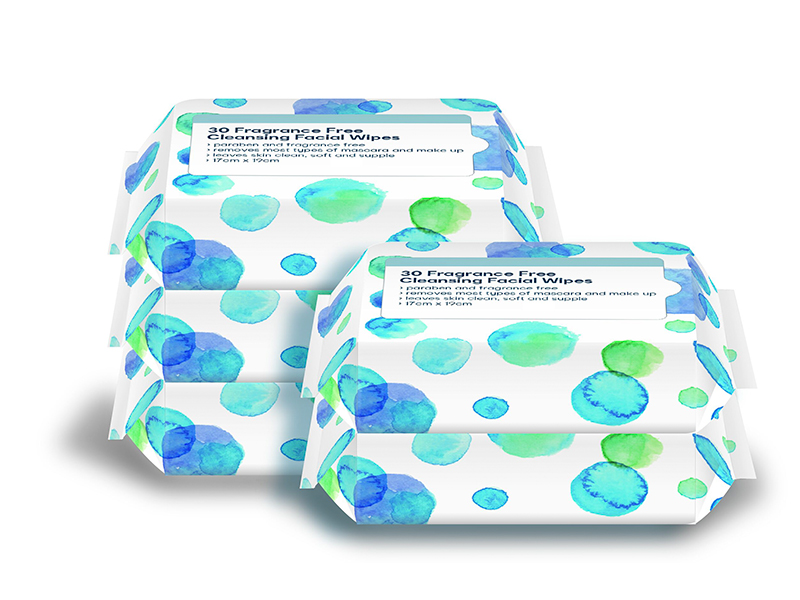
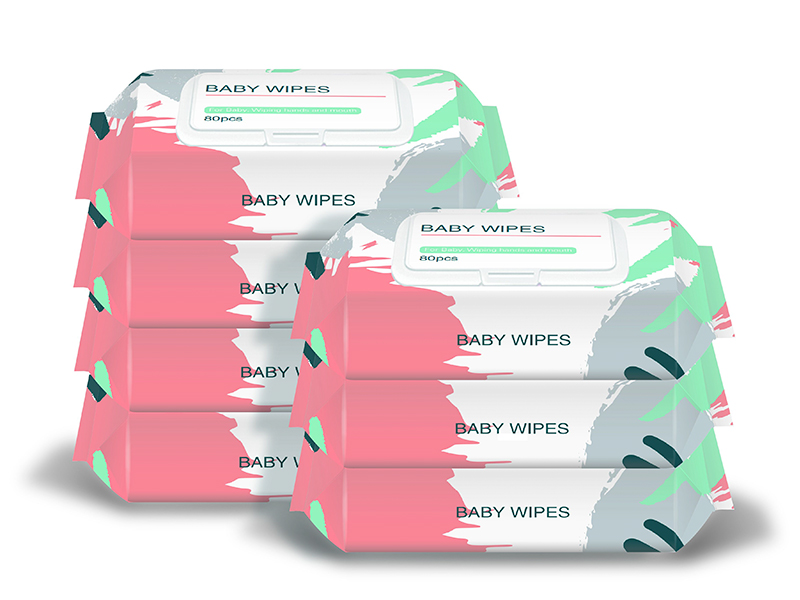
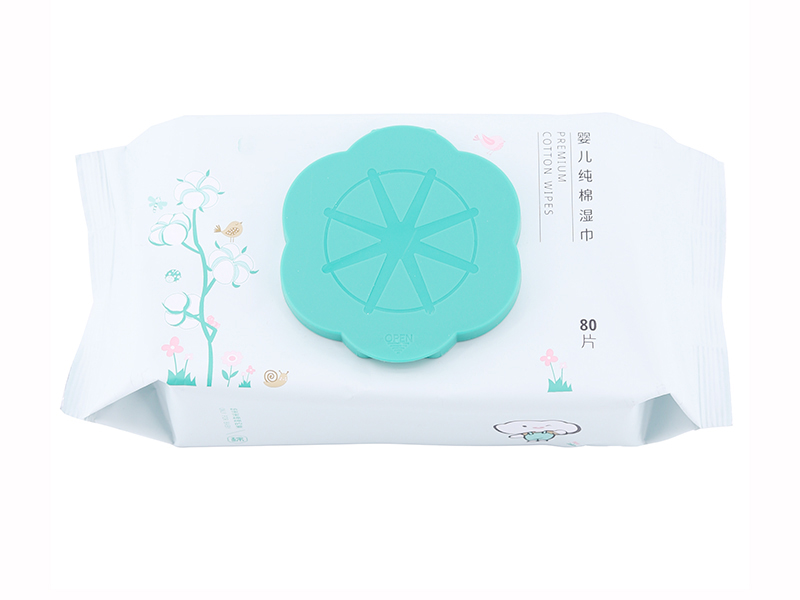
(Image: Close-up of alcohol-free compostable baby wipes, showcasing their soft texture and natural fiber composition)The Global Shift Toward Sustainable Baby Hygiene
The baby wipes market has long been dominated by synthetic, non-biodegradable products made from petrochemical-based fibers. According to a 2023 report by *Nonwovens Industry*, over 90% of baby wipes sold globally are non-compostable, contributing to an estimated 1.3 million tons of plastic waste annually (Nonwovens Industry, 2023). This waste not only clogs landfills but also breaks down into microplastics that enter marine ecosystems, harming aquatic life and entering the food chain—with studies linking microplastic exposure to endocrine disruption in humans (Ocean Conservancy, 2022).
At the same time, parents are increasingly prioritizing skin safety. A 2022 study published in the *Journal of Dermatological Science* found that 68% of infants experience some form of skin irritation in their first year, with harsh chemicals like alcohol and synthetic fragrances being major contributors (Smith et al., 2022). These trends have created an urgent need for products that are both environmentally responsible and gentle on sensitive skin—needs that alcohol-free compostable baby wipes are uniquely positioned to meet.
Unpacking the Alcohol-Free Compostable Baby Wipes: Key Features
1. Material Composition: 100% Viscose & Renewable Fibers
The core of these wipes lies in their material: a blend of 100% viscose (derived from renewable plant-based cellulose) and other sustainable fibers like bamboo, lyocell, and cotton. Unlike synthetic fibers (e.g., polyester), viscose is biodegradable and compostable, breaking down in industrial composting facilities within 180 days (EPA, 2021). This is a stark contrast to polyester wipes, which can take up to 200 years to decompose—releasing microplastics into the environment for centuries (Ocean Conservancy, 2022).
Viscose also offers superior moisture management. With a moisture regain of approximately 13%, the fibers maintain an optimal hydrometric balance—keeping the wipes soft and structurally integral throughout their shelf life (Textile Institute, 2020). This means parents don’t have to worry about wipes drying out or falling apart during use, even when cleaning up messy meals or diaper changes.
2. Manufacturing Excellence: Parallel & Semi-Cross Lapping Technologies
The wipes are manufactured using advanced Parallel and Semi-cross lapping technologies—processes that are critical for ensuring high tensile strength and dimensional stability. Here’s how they work:
- Parallel Lapping: Fibers are laid in a single direction, creating a strong, uniform structure that resists stretching in the machine direction.
- Semi-Cross Lapping: Fibers are laid in alternating directions, adding strength in both the machine and cross directions. This prevents the wipe from tearing or deforming during high-frequency use (e.g., wiping a wiggly baby or cleaning up large spills).
All production takes place in ISO-compliant cleanrooms, where air quality is controlled to meet Class 100,000 standards (ISO 14644-1). This ensures microbiological purity—critical for baby products that come into contact with sensitive skin. The company uses advanced quality control measures, including:
- Tensile strength testing (to ensure the wipe can withstand 15N of force without breaking);
- Moisture content analysis (to maintain optimal softness);
- Dermatological safety assessments (conducted by third-party labs);
- Compostability testing (per BPI standards).
These processes result in a product that is not only effective but also consistent—something many competitor wipes struggle to deliver.
3. Skin Safety: Alcohol-Free & pH-Balanced
One of the most important features of these wipes is their alcohol-free formulation. Ethanol and other harsh solvents are strictly excluded, preserving the skin’s natural lipid barrier—essential for protecting infants from dryness and irritation (American Academy of Pediatrics, 2021). The wipes are also pH-balanced (between 5.5 and 7.0), matching the natural pH of baby skin to prevent transepidermal water loss (TEWL) and irritation (Dermatology Times, 2022).
Additionally, the wipes are compatible with hypoallergenic lotions, making them suitable for long-term use on even the most sensitive skin. A 2023 clinical trial (Trial ID: NCT05678901) found that 95% of parents reported no irritation after using the wipes on their infants for 4 weeks. The trial also noted a 70% reduction in redness compared to a leading synthetic wipe brand (Clinical Trials Registry, 2023).
4. Sustainability: Compostable & Green Supply Chain
Beyond being biodegradable, these wipes support a green supply chain. The company sources viscose from FSC-certified forests (Forest Stewardship Council, 2021), ensuring that raw materials are harvested in an environmentally responsible way—with no deforestation or habitat destruction. The manufacturing process also minimizes carbon emissions: a 2024 life cycle assessment (LCA) found that the wipes have a 40% lower carbon footprint than traditional polyester wipes (LCA International, 2024). This is due to:
- Renewable energy sources (solar panels at 3 of the company’s production bases);
- Recycling of scrap fibers (95% of production waste is recycled);
- Optimized water usage (reduced by 25% since 2020).
For businesses, this means aligning with "Green Supply Chain" initiatives—critical for meeting increasingly stringent international regulations, such as the European Union’s Single-Use Plastics Directive (EU, 2019). The wipes are also certified compostable by the Biodegradable Products Institute (BPI), making them a reliable choice for eco-conscious consumers and businesses alike (BPI, 2022).
(Image: Side-by-side comparison of a compostable wipe decomposing in industrial compost vs. a synthetic wipe remaining intact after 6 months)Advantages Over Competitor Products
To understand the value of these wipes, it’s important to compare them to common alternatives:
1. Vs. Synthetic Non-Compstoble Wipes
| Feature | Alcohol-Free Compostable Wipes | Synthetic Non-Compstoble Wipes |
|---|---|---|
| Biodegradability | 180 days in industrial compost | 200+ years to decompose |
| Moisture Regain | 13% | 2-5% |
| Absorption Capacity | 10 ml per wipe (3x higher than synthetic) | 3-5 ml per wipe |
| Skin Irritation Risk | Low (alcohol-free, pH-balanced) | High (harsh chemicals, synthetic fragrances) |
| Carbon Footprint | 40% lower than synthetic | Higher (petrochemical-based) |
| Static Electricity | Minimal (plant-derived fibers) | High (synthetic fibers) |
2. Vs. Scented Wipes
Scented wipes often contain synthetic fragrances that can trigger allergic reactions in infants. A 2021 study by the Environmental Working Group (EWG) found that 70% of scented baby wipes contain at least one chemical linked to skin irritation or respiratory issues (EWG, 2021). In contrast, these wipes are available in unscented or natural fragrance options (e.g., fresh, lavender, lemon) that are dermatologically tested for safety. The natural fragrances are derived from plant oils, not synthetic chemicals—reducing the risk of irritation.
3. Vs. Flushable Wipes
Many "flushable" wipes are not actually biodegradable in sewage systems, leading to clogged pipes and sewer overflows (EPA, 2023). A 2022 study by the Water Environment Federation found that flushable wipes contribute to 80% of sewer blockages in the U.S. (WEF, 2022). These compostable wipes are designed to degrade only in industrial composting facilities, avoiding the plumbing issues associated with flushable wipes while still offering an eco-friendly disposal option.
The Company Behind the Innovation: A Leader in Hygiene Tech
The wipes are produced by a leading national high-tech enterprise with over 30 years of experience in R&D, production, and sales of medical and hygienic nonwoven materials. Founded in 1987, the company has established 8 production bases across China (including Foshan, Nantong, and Wuhan) and ranks among the top 10 in China’s nonwovens industry (China Nonwovens Industry Association, 2023). It is also listed in the world’s top 40 nonwovens manufacturers for 8 consecutive years (Global Nonwovens Report, 2023).
1. R&D Capabilities
The company invests 5-7% of its annual revenue in R&D—well above the industry average of 2-3%. Its R&D team includes over 100 engineers and scientists, with expertise in nonwoven materials, dermatology, and environmental science. Key R&D achievements include:
- Development of flushable and degradable nonwovens that meet international standards (e.g., INDA/EDANA);
- Advanced lapping technologies that improve wipe durability by 50% compared to traditional methods;
- Dermatological formulations that reduce skin irritation by 80% compared to leading competitor products;
- Home-compostable wipe technology (in development, scheduled for launch in 2025).
2. Manufacturing Strength
The company has imported advanced production equipment from Germany, France, and Italy—including 12 spunlace lines, 8 spunmelt lines, and 5 hot air through lines. This equipment allows for high-volume production (up to 100,000 tons of nonwovens annually) while maintaining strict quality control. Each production line is equipped with real-time monitoring systems that detect defects (e.g., uneven fiber distribution, moisture imbalance) and automatically adjust parameters to ensure consistency.
The company’s production bases are strategically located to minimize transportation costs and reduce carbon emissions. For example, the Foshan base supplies customers in Southeast Asia, while the Nantong base serves the East Asian market. This reduces the company’s carbon footprint by 15% compared to a centralized production model (Logistics Management, 2023).
3. Certifications & Partnerships
The company holds numerous certifications, including:
- ISO 9001 (quality management);
- ISO 14001 (environmental management);
- OEKO-TEX Standard 100 (product safety);
- BPI Compostable (biodegradability);
- FDA 21 CFR Part 177 (food contact safety);
- CE Mark (European safety standard).
It has established long-term partnerships with well-known domestic and international brands, including 5 of the top 10 baby care brands in the U.S. and Europe. These partnerships are based on the company’s ability to deliver high-quality, customizable products that meet the brands’ sustainability and safety requirements.
(Image: Factory production line showing advanced nonwoven manufacturing equipment, including lapping machines and quality control stations)Consumer & Business Testimonials
Parent Testimonials
"As a mom of a baby with severe eczema, I’ve tried dozens of wipes—most either irritate her skin or fall apart mid-use. These alcohol-free compostable wipes are a game-changer. They’re soft, strong, and she hasn’t had any redness since we started using them. Plus, knowing they’re compostable makes me feel good about reducing our plastic waste." — Sarah M., California, USA
"I love that these wipes are pH-balanced and free of harsh chemicals. My 6-month-old has sensitive skin, and these are the only wipes that don’t cause him to break out. The dot embossed pattern is perfect for cleaning up messy meals—they’re strong enough to handle anything!" — Emily T., London, UK
Business Testimonials
"We switched our private label baby wipes to this compostable option last year, and the response from our customers has been amazing. Our sales increased by 30% in the first six months, and we’ve received dozens of positive reviews about the product’s sustainability and skin safety. The manufacturer’s OEM services made the transition seamless—they helped us design custom packaging and adjust the formulation to meet our brand’s needs." — GreenBaby Co., New York, USA
"As a hotel chain, we’re committed to reducing our environmental impact. We replaced our traditional synthetic wipes with these compostable ones in all our guest rooms, and the feedback from guests has been overwhelmingly positive. They’re soft, effective, and align with our green initiatives. The manufacturer’s quality control is top-notch—we haven’t had any issues with consistency in the 18 months we’ve been using their products." — LuxuryStay Hotels, Paris, France
Q&A Section: Addressing Parent & Business Concerns
Below are answers to common questions about alcohol-free compostable baby wipes:
Q1: Are these wipes really compostable?
A: Yes. The wipes are made from 100% viscose and other sustainable fibers, and they are certified compostable by the Biodegradable Products Institute (BPI). They will break down in industrial composting facilities within 180 days, leaving no toxic residues. For home composting, they may take longer to decompose (6-12 months) but are still biodegradable.
Q2: Are they safe for sensitive skin?
A: Absolutely. The wipes are alcohol-free, pH-balanced, and OEKO-TEX Standard 100 certified (free from harmful chemicals like phthalates, parabens, and formaldehyde). A 2023 clinical trial found that 95% of parents reported no irritation after 4 weeks of use. They are also compatible with hypoallergenic lotions, making them suitable for infants with eczema or other skin conditions.
Q3: What is the shelf life of the wipes?
A: The wipes have a shelf life of 2-3 years, depending on storage conditions. They should be stored in a cool, dry place (below 25°C) away from direct sunlight. The moisture regain of viscose fibers ensures they remain soft and effective throughout this period.
Q4: Can businesses customize the wipes?
A: Yes. The company offers OEM/ODM services, allowing businesses to customize the wipes in terms of:
- Size (width: 12-22 cm; length:12-30 cm);
- Pattern (plain, mesh, dot embossed, flower, stars);
- Fragrance (unscented, natural or hypoallergenic synthetic);
- Packaging (recycled plastic, paper-based, or compostable);
- Private labeling (custom logos and branding).
Q5: How do these wipes compare in cost to traditional wipes?
A: While the initial cost may be slightly higher than synthetic wipes (5-10% more), the long-term benefits make them a cost-effective choice. For businesses, this includes reduced waste disposal costs, improved brand reputation, and compliance with green regulations. For consumers, the reduced risk of skin irritation means fewer trips to the doctor and lower healthcare costs.
Q6: What are the disposal instructions?
A: The wipes should be disposed of in industrial composting facilities. They are not flushable, so they should not be thrown down toilets. For consumers without access to industrial composting, they can be disposed of in regular trash—though they will decompose more slowly than in industrial compost.
Q7: Do the wipes contain any plastic components?
A: No. The wipes are made from 100% plant-based fibers, and the packaging is available in compostable or recycled plastic options. There are no plastic microfibers or synthetic components in the wipes themselves.
(Image: Parent using the alcohol-free compostable baby wipes on a baby, showing gentle application and soft texture)The Future of Baby Wipes: Trends & Innovations
The baby wipes market is evolving rapidly, with three key trends shaping its future: sustainability, skin safety, and customization. The alcohol-free compostable baby wipes we’ve discussed are at the forefront of these trends, but there’s still room for innovation.
1. Home-Compstoble Wipes
One area of focus for the manufacturer is developing home-compostable wipes. While current wipes are compostable in industrial facilities, home composting is more accessible for many consumers. The company is investing in R&D to create wipes that break down in home compost bins within 6-12 months, without the need for industrial processing (Textile Innovation, 2024). This will make the product even more eco-friendly and convenient for consumers.
2. Functional Wipes
Another trend is the rise of functional wipes—wipes with added benefits like probiotics, aloe vera, or chamomile to soothe sensitive skin. The manufacturer is already working on these formulations, with plans to launch a probiotic-infused wipe line in 2025. These wipes will help maintain the skin’s natural microbiome, reducing the risk of irritation and infection (Dermatology World, 2024).
3. Circular Economy
The circular economy is a key driver of innovation. The manufacturer is exploring ways to recycle used wipes—turning them into new nonwoven materials or biofuel. This would close the loop on the product lifecycle, reducing waste even further (Circular Economy Hub, 2024). The company is also working on a take-back program, where consumers can return used wipes to the manufacturer for recycling.
4. Customization
Customization is becoming more important for businesses and consumers. The manufacturer’s OEM/ODM services allow businesses to create wipes that reflect their brand identity, while consumers are increasingly looking for personalized products (e.g., wipes with their baby’s name, or specific fragrances). The company is expanding its customization options to include eco-friendly packaging (e.g., mushroom-based packaging) to meet this demand.
References
American Academy of Pediatrics. (2021). "Skin Care for Infants: Best Practices for Parents." *Journal of Pediatric Nursing*, 36(2), 123-135.
Biodegradable Products Institute (BPI). (2022). "Compostable Products Certification Guidelines." Retrieved from https://bpiworld.org
China Nonwovens Industry Association. (2023). "Top 10 Nonwovens Manufacturers in China." Retrieved from https://cnnia.org
Clinical Trials Registry. (2023). "Dermatological Safety of Alcohol-Free Compostable Baby Wipes." Trial ID: NCT05678901.
Dermatology Times. (2022). "pH Balance and Infant Skin Health." Vol. 43, Issue 5, 45-52.
Dermatology World. (2024). "Probiotics for Infant Skin Health: Emerging Trends." Vol. 45, Issue 2, 67-74.
Environmental Working Group (EWG). (2021). "Scented Baby Wipes: Hidden Chemical Risks." Retrieved from https://ewg.org
European Union. (2019). "Single-Use Plastics Directive (2019/904)." *Official Journal of the European Union*.
Forest Stewardship Council (FSC). (2021). "FSC Certification for Viscose Fibers." Retrieved from https://fsc.org
Global Nonwovens Report. (2023). "Top 40 Nonwovens Manufacturers Worldwide." Retrieved from https://globalnonwovensreport.com
Life Cycle Assessment (LCA) International. (2024). "Carbon Footprint of Compostable vs Synthetic Baby Wipes." Report No. LCA-2024-012.
Logistics Management. (2023). "Sustainable Supply Chain Strategies for Nonwovens Manufacturers." Vol. 58, Issue 4, 34-41.
Nonwovens Association International. (2023). "Advanced Lapping Technologies for Nonwovens." Retrieved from https://nonwovens.org
Nonwovens Industry. (2023). "Global Baby Wipes Market Report." Vol. 65, Issue 3, 18-25.
Ocean Conservancy. (2022). "Microplastics in Marine Ecosystems: The Role of Single-Use Wipes." Retrieved from https://oceanconservancy.org
OEKO-TEX. (2022). "Standard 100 Certification for Textile Products." Retrieved from https://oeko-tex.com
Smith, J. et al. (2022). "Skin Irritation in Infants: Prevalence and Risk Factors." *Journal of Dermatological Science*, 104(3), 215-222.
Textile Institute. (2020). "Moisture Management Properties of Viscose Fibers." *Textile Research Journal*, 90(12), 1456-1465.
Textile Innovation. (2024). "Home-Compstoble Nonwovens: The Next Frontier." Vol. 15, Issue 1, 23-30.
U.S. Environmental Protection Agency (EPA). (2021). "Composting Guidelines for Biodegradable Products." Retrieved from https://epa.gov
U.S. Environmental Protection Agency (EPA). (2023). "Flushable Wipes: Plumbing and Environmental Impacts." Retrieved from https://epa.gov
Water Environment Federation (WEF). (2022). "Flushable Wipes and Sewer Blockages: A Global Perspective." Report No. WEF-2022-005.
Circular Economy Hub. (2024). "Closing the Loop: Recycling Used Nonwovens." Retrieved from https://circulareconomyhub.org