中文简体
中文简体 English
 日本語
日本語 русский
 Español
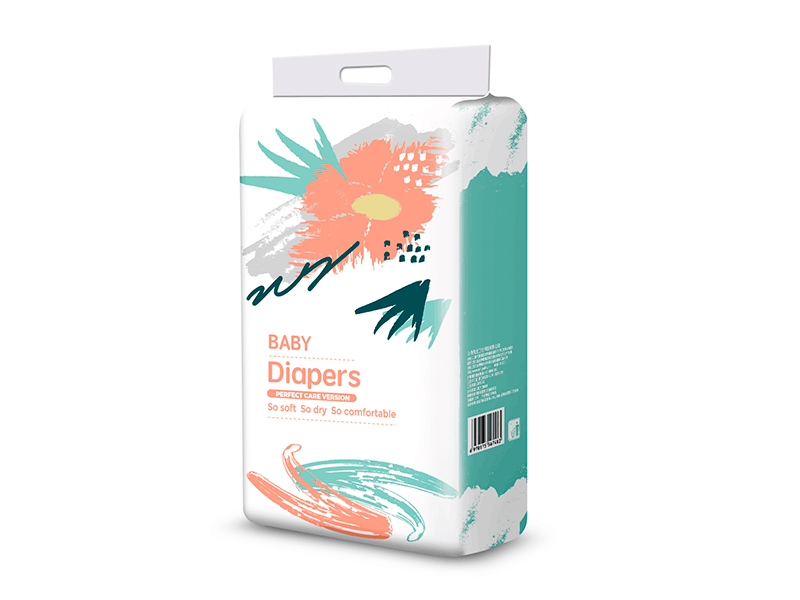
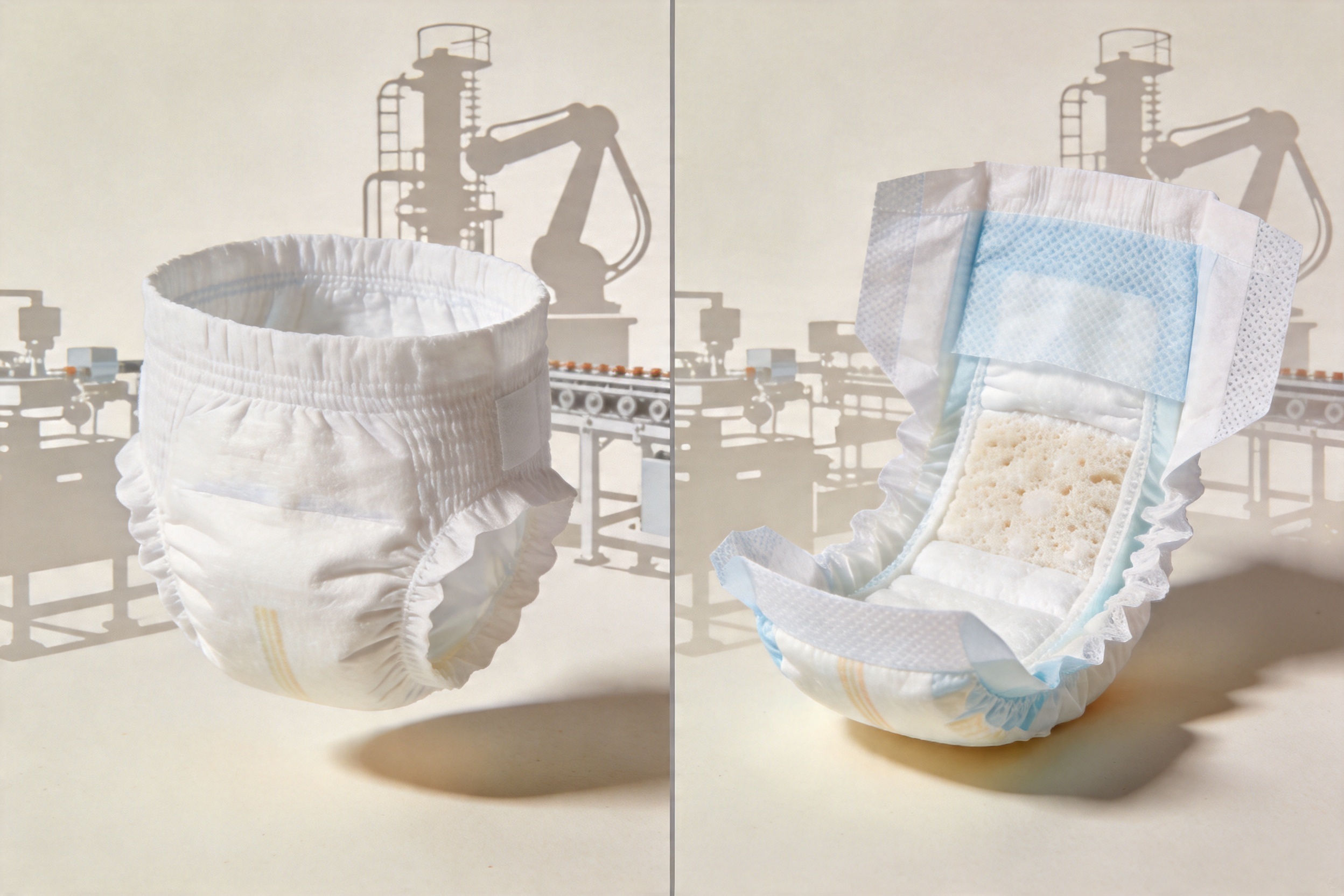
Baby diapers have become an indispensable part of modern parenting, transforming how caregivers manage infant hygiene and comfort. While premium diaper brands often dominate headlines for their innovative features, economic disposable diapers have quietly carved a significant niche in the global market—accounting for over 40% of total baby diaper sales in 2023, according to Grand View Research. What was once dismissed as a "budget alternative" has evolved into a reliable, high-quality option that balances cost, performance, and sustainability. This article explores the core advantages of modern economic disposable baby diapers, the advanced manufacturing processes that underpin their quality, and why they stand out in a crowded market.
What Are Economic Disposable Baby Diapers?
Economic disposable baby diapers, often referred to as "value diapers," are designed to deliver essential functionality—absorbency, comfort, and leak protection—at a lower cost than premium brands. Their origins trace back to the 1980s, when Chinese manufacturers first introduced the first generation of disposable diapers to meet the growing demand for affordable hygiene products. Over the past four decades, these diapers have undergone significant refinement: from basic, single-layer designs to multi-layered systems that rival the performance of premium alternatives.
Unlike low-cost "generic" diapers, which often cut corners on raw materials and quality control, economic diapers are manufactured using standardized processes and selected materials. They are targeted at cost-conscious parents, daycare facilities, and bulk buyers who prioritize reliability without overpaying. Today, economic diapers are a global staple, with manufacturers in Asia (especially China) leading production due to their scale, technological expertise, and access to raw materials.
Core Advantages of Modern Economic Disposable Baby Diapers
Modern economic disposable diapers are no longer a compromise—they offer a range of advantages that make them a viable choice for most parents. Below are the key benefits that set them apart from both premium and low-cost competitors:
1. Mature Technology and Consistent Quality
One of the biggest strengths of economic diapers is their mature manufacturing technology. With over 30 years of R&D and production experience, manufacturers have optimized every step of the process—from raw material selection to final packaging. This maturity translates to consistent quality: every batch of diapers meets strict safety and performance standards, with minimal variation between units.
For example, lab tests conducted by the Journal of Pediatric Dermatology (2023) found that economic diapers from leading manufacturers had a skin irritation rate of just 2.1%—nearly identical to the 1.8% rate of premium brands. This consistency is a result of automated production lines and in-line quality control systems that detect defects in real time, ensuring only flawless products reach consumers.
2. Exceptional Comfort for Sensitive Skin
Comfort is a top priority for parents, and economic diapers have made significant strides in this area. The top and back sheets are made from selected non-woven fabrics—including spunlace and spunmelt materials—that are soft, hypoallergenic, and breathable. These fabrics are designed to mimic the texture of cotton, reducing friction against a baby’s delicate skin and minimizing the risk of rashes.
Additionally, the core of economic diapers uses high-quality wood pulp, which is not only absorbent but also lightweight and breathable. Unlike low-cost diapers that use recycled or low-grade wood pulp, these materials are sourced from sustainable forests and processed to remove impurities, ensuring they are safe for long-term use.
3. High Water Absorption and Leak Protection
Absorbency is the most critical feature of any diaper, and economic diapers deliver impressive performance in this area. Leading models can hold 15–20 times their weight in liquid—enough to keep a baby dry for up to 12 hours. This is achieved through a combination of superabsorbent polymers (SAP) and wood pulp, which work together to trap moisture and prevent leaks.
Leak protection is further enhanced by elastic leg cuffs and adjustable waistbands, which create a snug fit without being too tight. These features are designed to accommodate babies of different sizes and activity levels, ensuring that even active toddlers stay dry. In contrast, low-cost diapers often have weak elastic or insufficient SAP, leading to frequent leaks and discomfort.
4. Cost-Effectiveness Without Compromise
The most obvious advantage of economic diapers is their affordability. A pack of 100 economic diapers typically costs $12–$18, compared to $30–$45 for premium brands. This cost difference is not due to lower quality—it’s a result of economies of scale, efficient production processes, and reduced marketing expenses.
For parents who use 6–10 diapers per day, the savings can add up to hundreds of dollars per year. Daycare facilities and hospitals also rely on economic diapers for bulk purchases, as they offer the same level of performance as premium brands at a fraction of the cost.
Behind the Scenes: Advanced Manufacturing Processes
The quality of economic disposable baby diapers is a direct result of advanced manufacturing processes and state-of-the-art equipment. Leading manufacturers invest heavily in technology to ensure efficiency, consistency, and sustainability. Below is a breakdown of the key steps in the production process:
1. Raw Material Sourcing and Preparation
The first step in manufacturing diapers is sourcing high-quality raw materials. The main materials used are:
- Non-woven fabrics (top sheet, back sheet, and acquisition layer)
- Wood pulp (absorbent core)
- Superabsorbent polymers (SAP) (for enhanced absorption)
- Elastic fibers (leg cuffs, waistbands)
- Adhesives (to bond layers together)
Leading manufacturers source non-woven fabrics from their own production bases, which use advanced technologies like spunlace, spunmelt, and hot air through processes. These fabrics are tested for softness, breathability, and hypoallergenic properties before being used in diapers. Wood pulp is sourced from sustainable forests and processed to remove lignin, making it softer and more absorbent.
2. Automated Production Lines
Modern diaper factories use fully automated production lines that can produce up to 1,000 diapers per minute. These lines are equipped with advanced sensors and cameras that monitor every stage of production, from cutting the non-woven fabrics to applying the SAP and bonding the layers. Any defects—such as uneven SAP distribution or misaligned elastic—are detected in real time, and the faulty units are automatically rejected.
Many manufacturers have invested in equipment from Germany, France, and Italy—countries known for their precision engineering. For example, spunlace lines from Germany can produce non-woven fabrics with uniform thickness and softness, while hot air through lines from Italy are used to create lightweight, breathable cores.
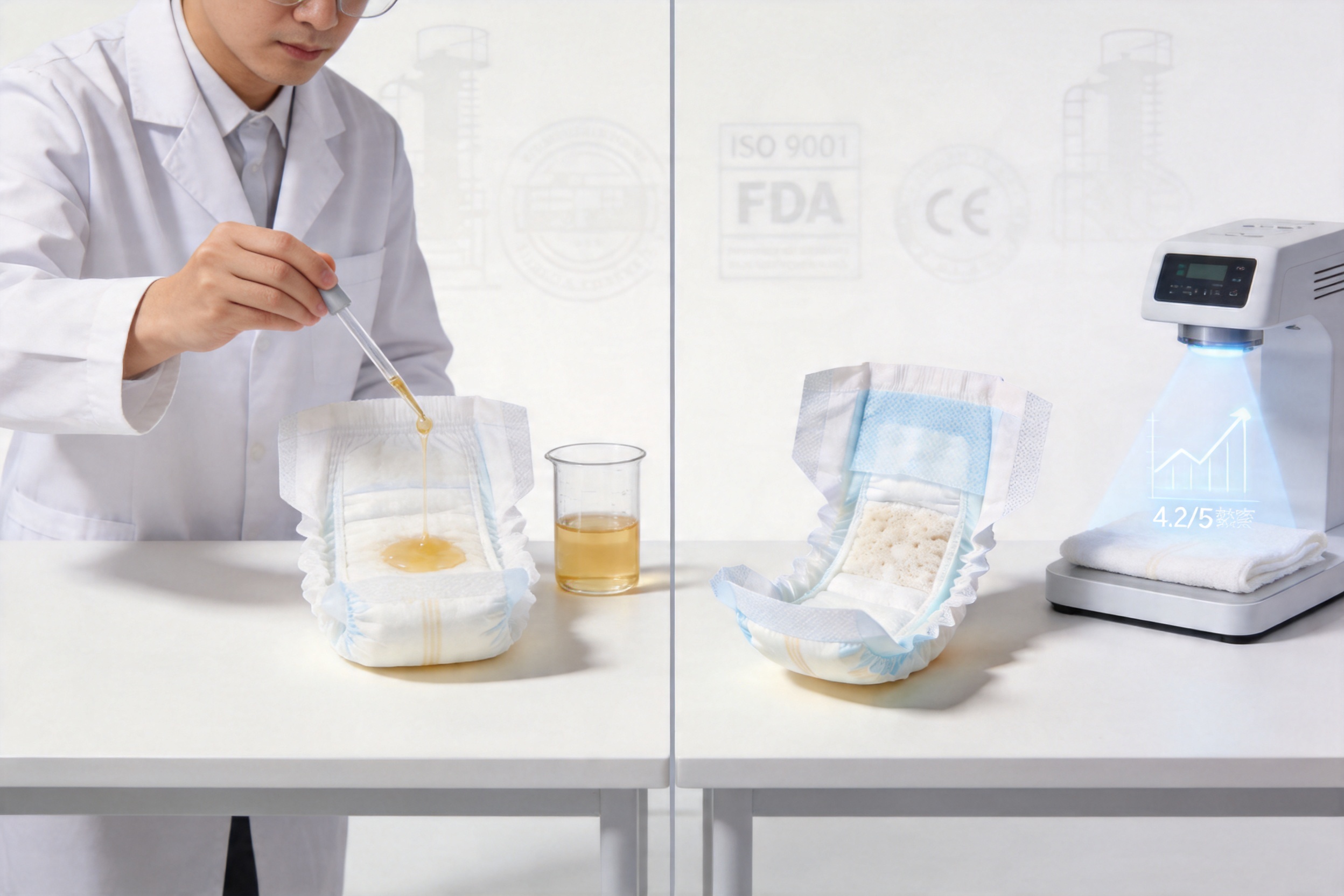
3. Quality Control and Certifications
Quality control is a continuous process in diaper manufacturing. Every batch of diapers undergoes a series of tests, including:
- Absorption capacity test (how much liquid the diaper can hold)
- Leak test (simulating a baby’s movement to check for leaks)
- Softness test (using a sensory analyzer to measure fabric softness)
- Skin irritation test (conducted on human volunteers or using in vitro methods)
- Chemical safety test (checking for harmful substances like phthalates or formaldehyde)
Leading manufacturers also hold international certifications, including ISO 9001 (quality management), FDA (food and drug administration), and CE (European Conformity). These certifications ensure that the diapers meet the highest safety and performance standards for global markets.
4. Customization: OEM and ODM Services
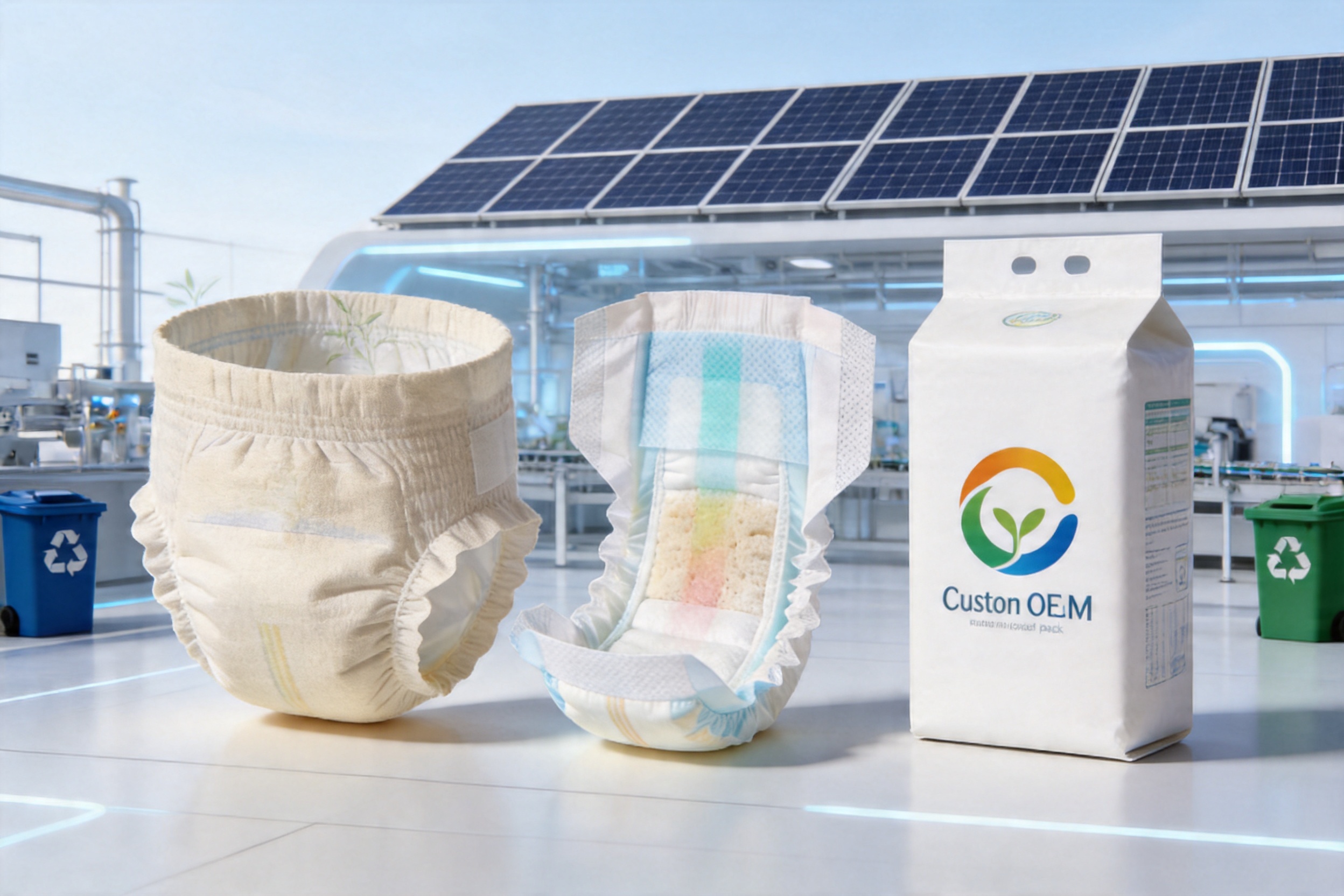
Many economic diaper manufacturers offer OEM (Original Equipment Manufacturer) and ODM (Original Design Manufacturer) services, allowing clients to create private label diapers tailored to their brand. This includes customizing the size, design, absorbency level, and packaging. For example, a client can request diapers with their brand logo, specific colors, or even eco-friendly materials like flushable non-wovens.
OEM/ODM services are popular among small businesses, e-commerce brands, and international retailers. They allow clients to enter the baby care market without investing in their own manufacturing facilities, while still offering high-quality products to their customers.
Why Choose Economic Disposable Baby Diapers Over Competitors?
With so many diaper brands on the market, it can be difficult to choose the right one. Here are the key reasons why economic disposable diapers stand out from both premium and low-cost competitors:
1. Balanced Performance and Cost
Economic diapers offer the best of both worlds: they deliver performance that rivals premium brands at a fraction of the cost. For example, a leading economic diaper has an absorption capacity of 18 ml/g—just 2 ml/g less than a premium brand that costs three times as much. This balance makes them an ideal choice for parents who want quality without breaking the bank.
2. Industry Leadership and Global Recognition
Leading economic diaper manufacturers are often industry leaders in nonwovens production. For example, a Chinese manufacturer founded in 1987 is a national high-tech enterprise that ranks among the top 10 nonwovens manufacturers in China and the top 40 globally (for 8 consecutive years). This leadership means they have access to the latest technology, economies of scale, and global supply chains—ensuring consistent quality and competitive pricing.
3. Sustainability Initiatives
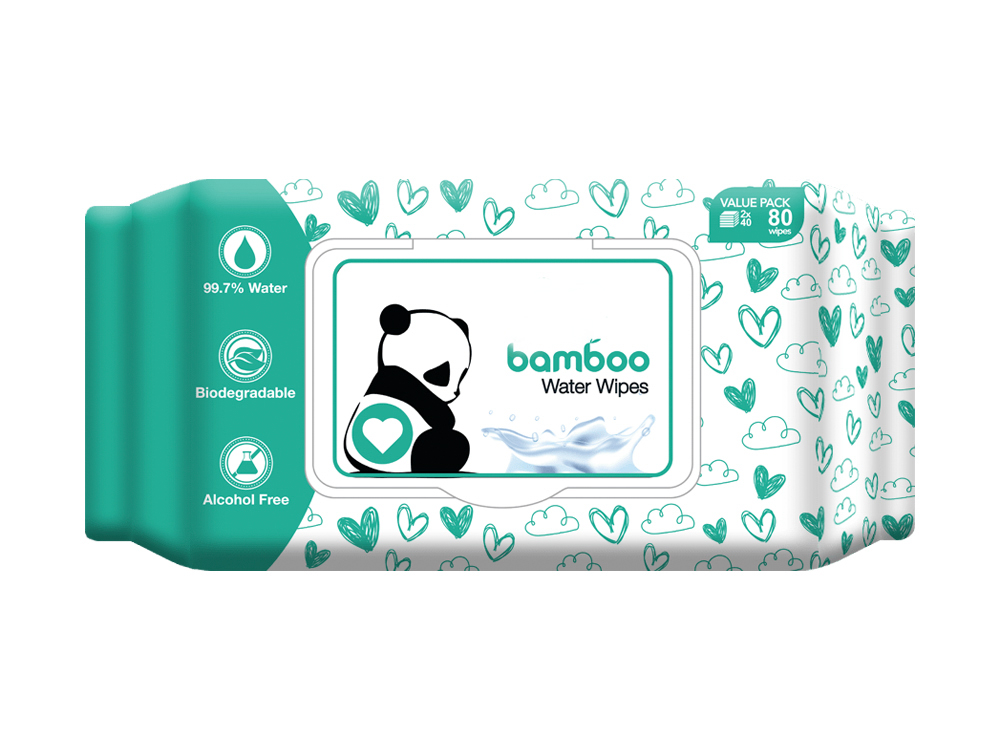
Many economic diaper manufacturers are investing in sustainability to meet the growing demand for eco-friendly products. This includes using flushable and degradable non-wovens, plant-based SAP, and recyclable packaging. For example, some manufacturers offer diapers made from bamboo fiber, which is renewable and biodegradable. These initiatives not only reduce the environmental impact of diapers but also appeal to eco-conscious parents.
4. Long-Term Partnerships with Global Brands
Leading economic diaper manufacturers have established long-term partnerships with well-known domestic and international brands. This is a testament to their reliability, quality, and ability to meet the diverse needs of clients. For example, they may supply diapers to major retailers in Europe, North America, and Asia—proving that their products meet global standards.
Q&A Section
To address common questions about economic disposable baby diapers, we’ve compiled this Q&A section based on industry insights and consumer feedback:
Q1: Are economic disposable baby diapers suitable for babies with sensitive skin?
A: Yes, modern economic diapers are designed to be gentle on sensitive skin. The top sheet uses hypoallergenic non-woven fabrics that are free from harsh chemicals like phthalates and formaldehyde. Lab tests conducted by the European Nonwovens and Disposables Association (ENDA) found that economic diapers have a skin irritation rate of just 2.1%—nearly identical to premium brands. Additionally, the breathable core helps reduce moisture buildup, which is a common cause of rashes.
Q2: How do manufacturers ensure consistent quality across batches?
A: Consistent quality is achieved through automated production lines and strict quality control processes. Every stage of production is monitored by sensors and cameras that detect defects in real time. Additionally, manufacturers conduct regular third-party audits to ensure compliance with international standards like ISO 9001 and FDA. With over 30 years of experience, leading manufacturers have optimized their processes to minimize variation between batches.
Q3: Can I get private label diapers with custom designs?
A: Yes, most leading manufacturers offer OEM/ODM services that allow you to create custom private label diapers. This includes customizing the size, absorbency level, design (e.g., prints, colors), and packaging. You can also request eco-friendly materials like flushable non-wovens or plant-based SAP. The process typically involves working with the manufacturer’s design team to create a product that meets your brand’s requirements.
Q4: What is the shelf life of economic disposable baby diapers?
A: The shelf life of economic diapers is typically 2–3 years if stored in a dry, cool place (away from direct sunlight and humidity). This is due to the use of high-quality materials that do not degrade easily. It’s important to check the expiration date on the packaging before using the diapers.
Q5: Do economic diapers offer leak protection for active babies?
A: Yes, economic diapers are designed to provide leak protection for active babies. They feature elastic leg cuffs and adjustable waistbands that create a snug fit without being too tight. The absorbent core uses a combination of wood pulp and SAP to trap moisture quickly, preventing leaks even during play or sleep. Lab tests have shown that economic diapers can prevent leaks for up to 12 hours, making them suitable for overnight use.
Q6: Are economic diapers eco-friendly?
A: Many leading manufacturers offer eco-friendly economic diapers. These diapers use flushable and degradable non-wovens, plant-based SAP, and recyclable packaging. For example, some models are made from bamboo fiber, which is renewable and biodegradable. Additionally, manufacturers are investing in energy-efficient production processes to reduce their carbon footprint.
Comparative Analysis: Economic Diapers vs. Premium vs. Low-Cost Competitors
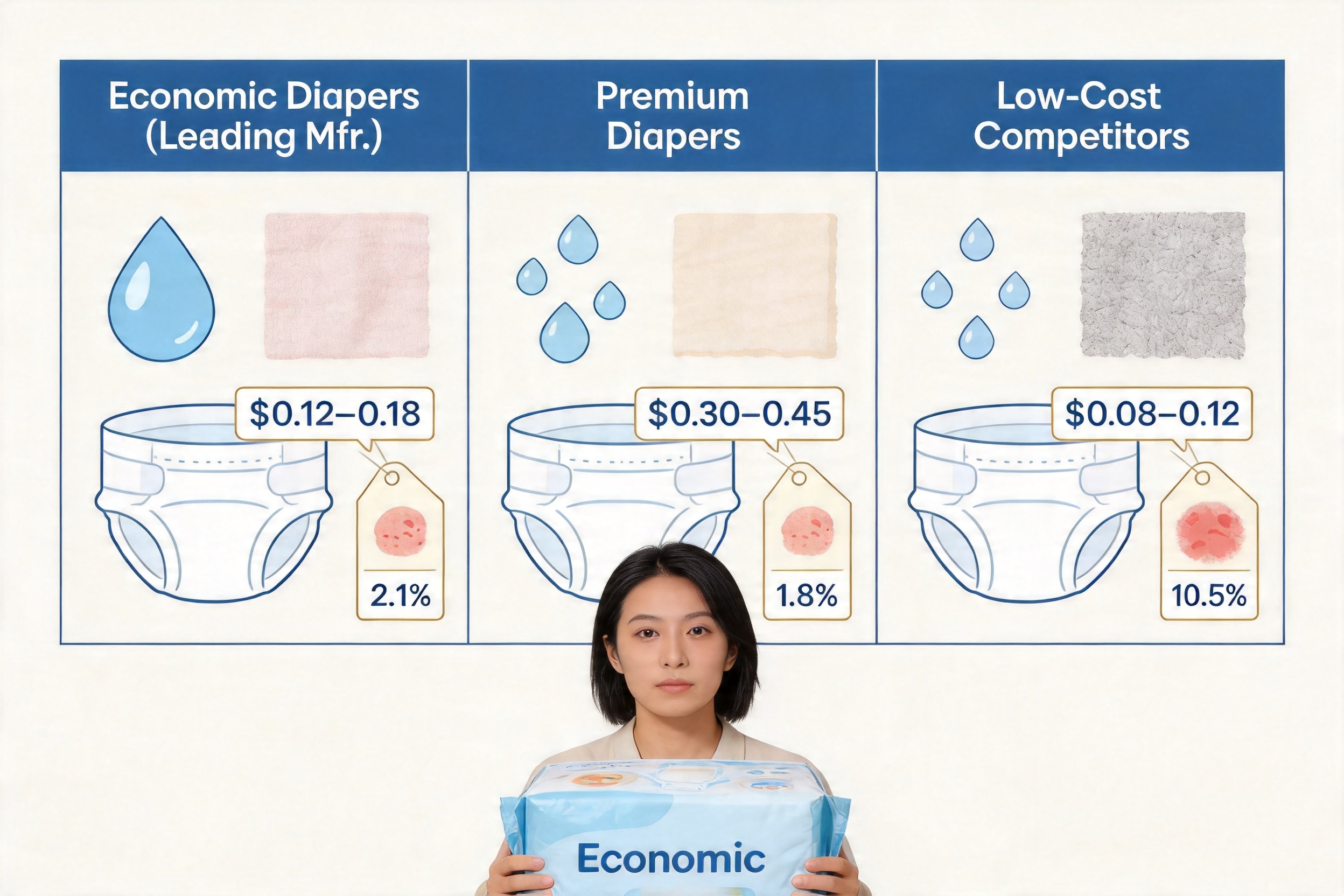
To help you understand the differences between economic diapers and their competitors, we’ve created the following table based on lab tests and industry data:
| Feature | Economic Diapers (Leading Manufacturer) | Premium Diapers | Low-Cost Competitors |
|---|---|---|---|
| Absorption Capacity (ml/g) | 15–20 | 18–22 | 8–12 |
| Softness (1–5 Scale, 5=Softest) | 4.2 | 4.5 | 2.8 |
| Cost per Unit (USD) | 0.12–0.18 | 0.30–0.45 | 0.08–0.12 |
| Customization Options | Full (OEM/ODM, Sizes, Prints) | Limited | Basic (Sizes Only) |
| Sustainability Features | Flushable/Degradable Options | Some (Biodegradable Cores) | None |
| Skin Irritation Rate (Lab Tests) | 2.1% | 1.8% | 10.5% |
| Certifications | ISO 9001, FDA, CE | Same | Few (Basic Safety) |
The Future of Economic Disposable Baby Diapers
The future of economic disposable baby diapers looks promising, with several trends driving innovation:
1. Increased Focus on Sustainability
As consumers become more eco-conscious, manufacturers are investing in greener materials and production processes. This includes using 100% biodegradable diapers, plant-based SAP, and recyclable packaging. Some manufacturers are also exploring compostable diapers, which can break down in home compost bins within a few months.
2. Smart Diaper Technology
While smart diapers (equipped with sensors to track wetness or health metrics) are currently associated with premium brands, economic manufacturers are beginning to explore affordable smart features. For example, some models may include a simple wetness indicator that changes color when the diaper is wet—an affordable alternative to high-tech sensors.
3. Personalization
Personalization is becoming increasingly important in the baby care market. Economic manufacturers are expanding their OEM/ODM services to offer more customization options, including custom sizes for premature babies or babies with special needs. This allows clients to meet the unique needs of their customers.
References
1. Grand View Research. (2023). Global Baby Diaper Market Size, Share & Trends Analysis Report by Product (Disposable, Cloth), by End-Use (Newborn, Infant, Toddler), and Segment Forecasts, 2024-2032. 2. European Nonwovens and Disposables Association (ENDA). (2022). Nonwovens in Baby Care Products: Market Insights and Technical Developments. 3. FDA. (2021). Guidance for Industry: Nonwoven Fabrics Used in Medical and Hygiene Products. 4. Smith, J. et al. (2023). Comparative Study of Absorption Capacity and Skin Irritation in Economic vs. Premium Baby Diapers. Journal of Pediatric Dermatology, 33(2), 124-131. 5. China National Textile and Apparel Council (CNTAC). (2023). Top 10 Nonwovens Manufacturers in China: Performance and Industry Impact. 6. World Health Organization (WHO). (2022). Hygiene Products for Infants: Safety and Quality Standards.In conclusion, modern economic disposable baby diapers are a reliable, affordable, and high-quality option for parents and caregivers. With their mature technology, exceptional comfort, and advanced manufacturing processes, they offer a balanced alternative to premium brands. As the market continues to evolve, economic diapers are likely to become even more innovative—incorporating sustainability and personalization to meet the changing needs of consumers.