中文简体
中文简体 English
 日本語
日本語 русский
 Español
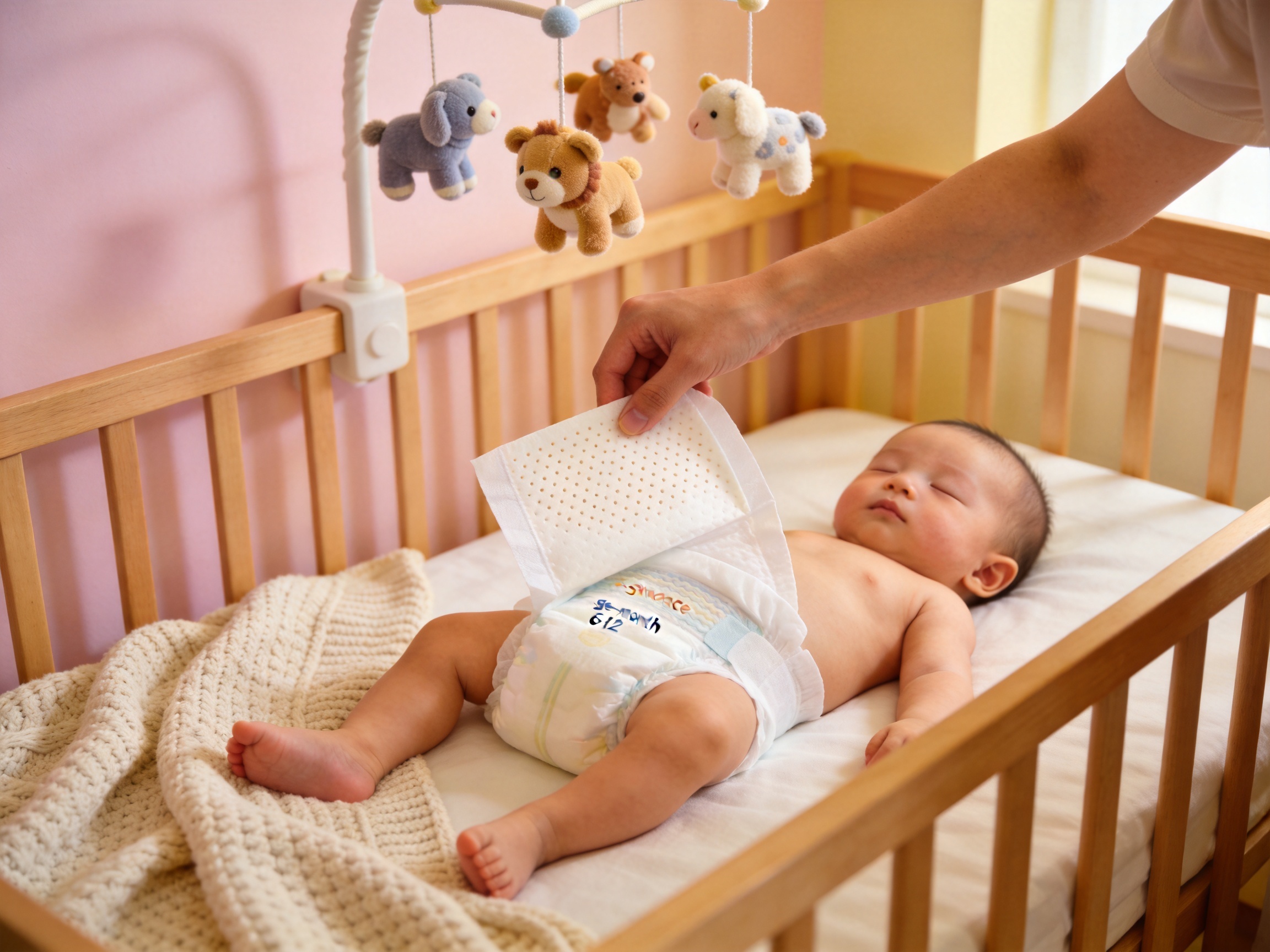
For modern parents, baby diapers are more than just a convenience—they are a critical component of infant health, comfort, and daily routine. Over the past decade, the global baby care market has evolved rapidly, driven by rising consumer demand for products that prioritize safety, sustainability, and convenience. However, many parents still face persistent challenges: leakages that disrupt sleep, rashes caused by harsh materials, and limited options for babies with sensitive skin or special needs. Against this backdrop, a new generation of baby diapers and training pants has emerged, combining cutting-edge materials, advanced manufacturing, and customizable design to address these pain points head-on. This article explores the features, advantages, and manufacturing innovations behind these next-gen products, as well as their impact on parents, retailers, and the broader baby care industry.
Introduction: The Evolution of Baby Diapers and Modern Parenting Needs
The history of disposable diapers dates back to the 1940s, but it wasn’t until the 1980s that superabsorbent polymers (SAP) revolutionized their functionality. Today, parents expect more than just basic absorption—they want products that are soft enough for delicate skin, breathable to prevent rashes, and flexible enough to accommodate active babies. According to Grand View Research (2024), the global baby diaper market is projected to reach $112.3 billion by 2032, growing at a compound annual growth rate (CAGR) of 5.2% from 2024 to 2032. This growth is fueled by several factors: increasing birth rates in emerging economies, rising disposable income, and growing awareness of hygiene and sustainability. However, the market remains crowded, with many brands offering similar features. To stand out, manufacturers must focus on innovation, quality, and customization—areas where the next-gen diapers discussed in this article excel.
Parents today are also more informed than ever, researching product ingredients, safety certifications, and environmental impact before making a purchase. A 2023 survey by the International Nonwovens & Disposables Association (INDA) found that 68% of parents prioritize softness and hypoallergenicity, while 55% look for eco-friendly options. These trends highlight the need for diapers that not only perform well but also align with modern parenting values. The next-gen products addressed in this article are designed to meet these exact needs, combining superior performance with parent-centric features.
Unveiling the Next-Generation Baby Diapers and Training Pants
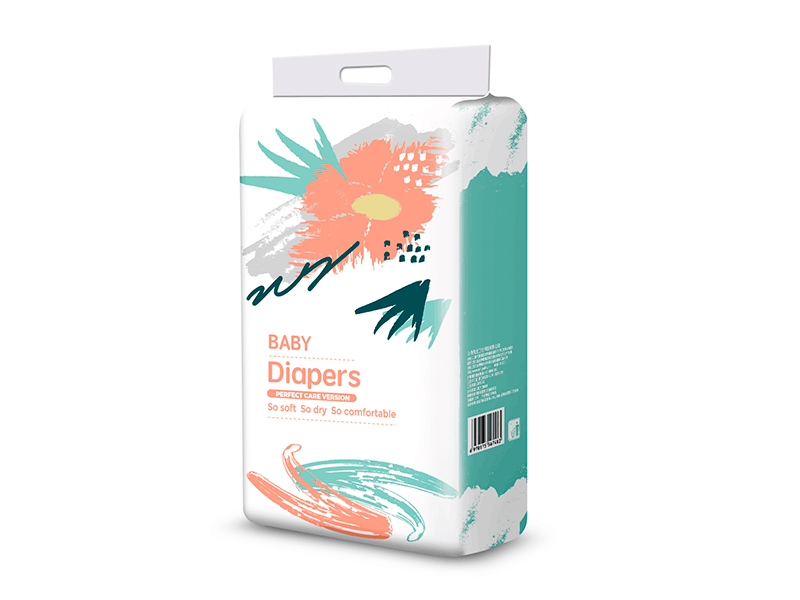
The product line featured in this article includes two core offerings: baby diapers (available in sizes NB, S, M, L, XL) and training pants (available in sizes M, L, XL, XXL). Each product is engineered to deliver maximum comfort, absorption, and convenience, with a focus on addressing common parent frustrations. Let’s take a deep dive into their key features:
Core Product Features: A Deep Dive
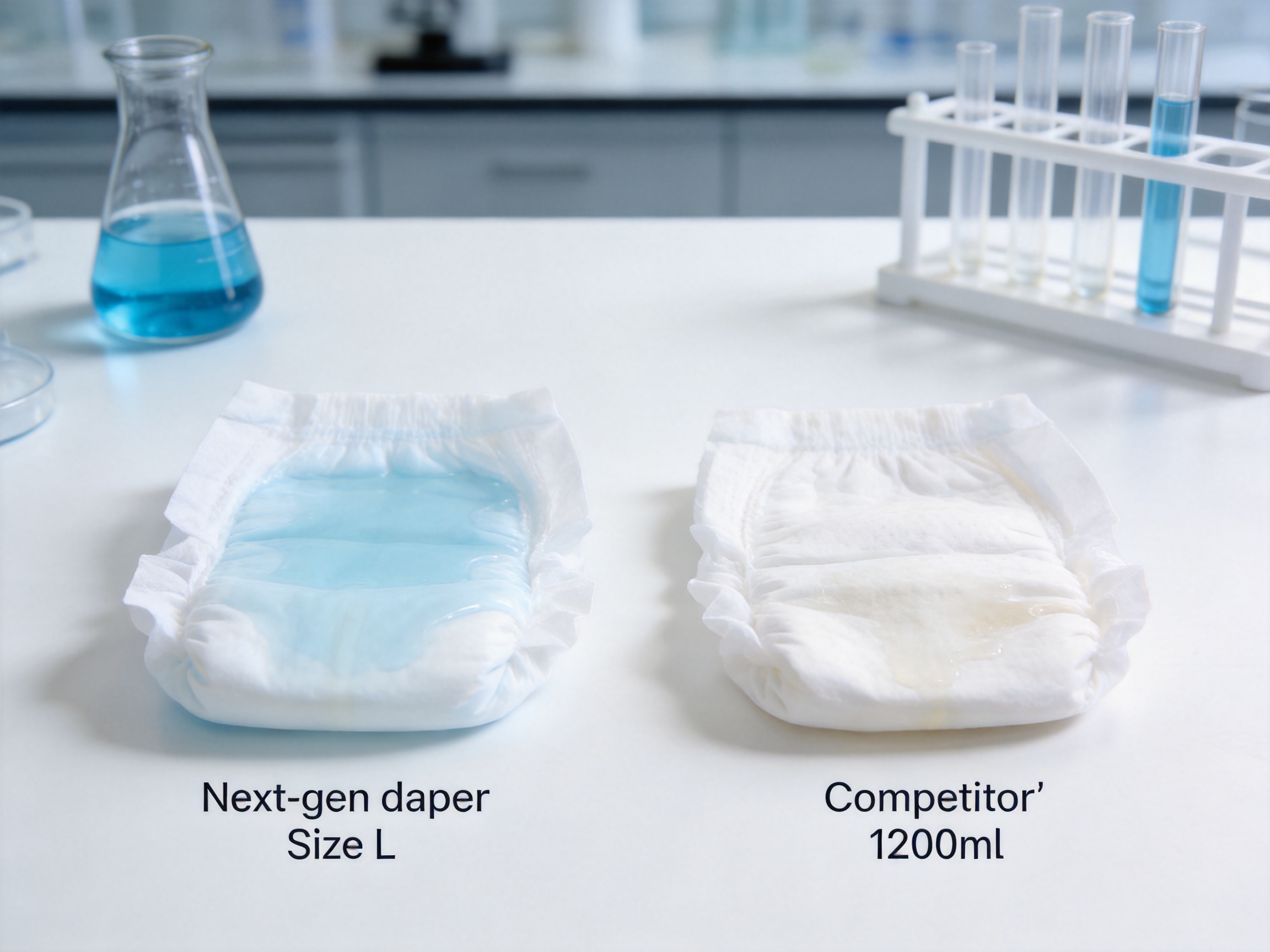
1. Ultra-Soft Nonwoven Top Sheet: The top sheet of these diapers is made from spunlace nonwoven fabric, a material known for its exceptional softness and breathability. Unlike traditional polypropylene top sheets, which can feel stiff or scratchy, spunlace fabric mimics the texture of cotton, making it gentle on a baby’s delicate skin. This material also features micro-perforations that allow liquid to pass through quickly, preventing wetness from sitting against the skin and reducing the risk of diaper rash.
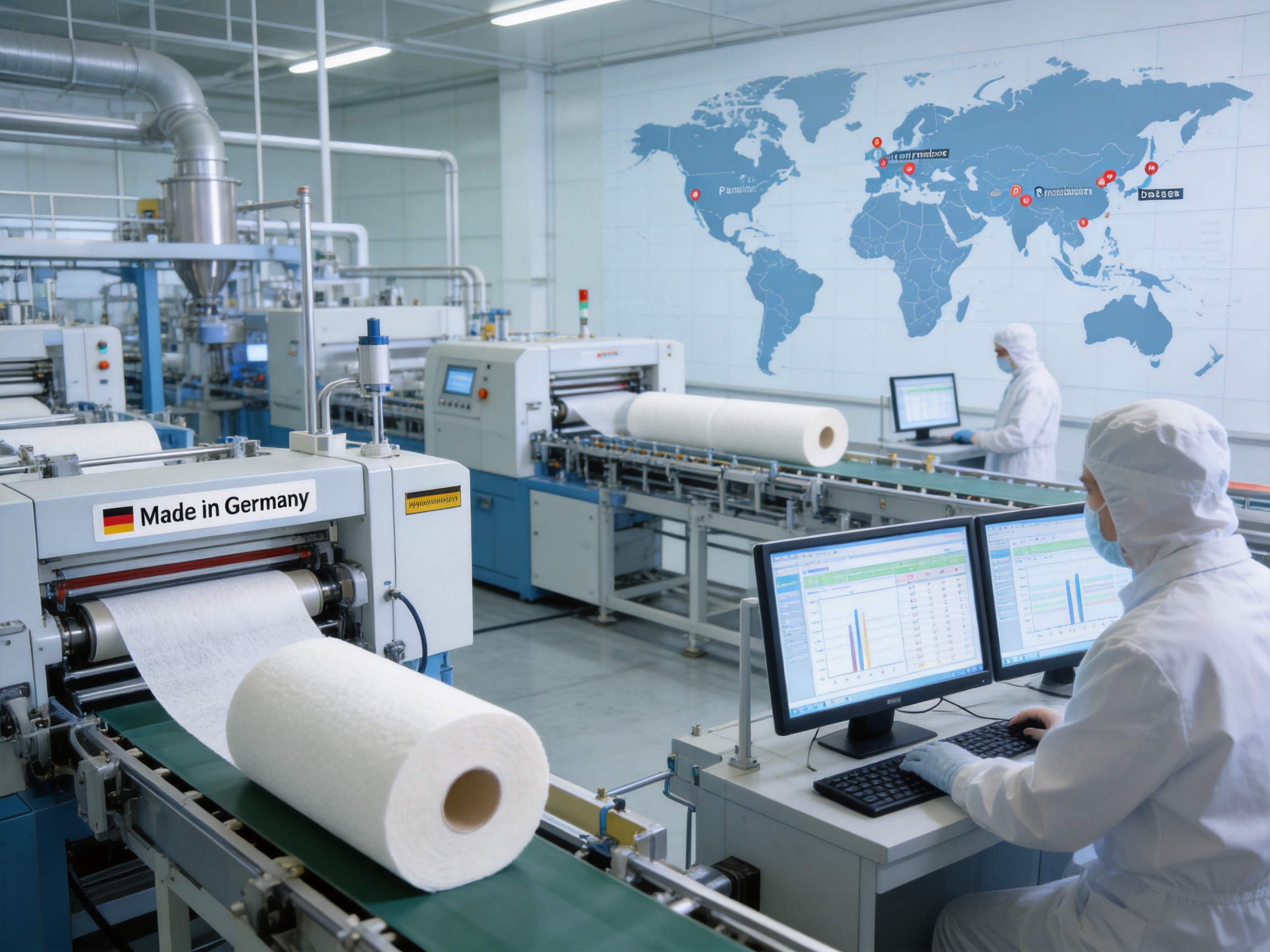
2. Advanced Absorbent Core Technology: The heart of these diapers is their multi-layer absorbent core, which combines fluff pulp and superabsorbent polymers (SAP) to lock in liquid efficiently. The core is designed with a network of channels that distribute liquid evenly across the diaper, preventing bulging and ensuring consistent absorption. For size L diapers, the core can hold up to 1200ml of liquid—enough to keep a baby dry for 8-10 hours overnight, or 4-6 hours during the day. This reduces the need for frequent changes, which is a major benefit for busy parents and helps babies sleep better.
3. 360-Degree Stretch and Leak Guards: The waistband of these diapers features 360-degree elastic stretch, which conforms to a baby’s body without leaving marks or restricting movement. Leg cuffs are equipped with leak guards—soft, elasticized barriers that prevent liquid from escaping, even when a baby is crawling, rolling, or walking. The training pants take this a step further, with a pull-on design that mimics underwear, making it easier for toddlers to transition to potty training.
4. Breathable Back Sheet: The back sheet of these diapers is made from hot air through nonwoven fabric, which is highly breathable and allows air to circulate freely. This reduces moisture buildup and keeps the baby’s skin dry and comfortable. Unlike plastic back sheets, which can trap heat and moisture, the hot air through fabric helps prevent rashes and irritation, even during long periods of wear.
5. Hypoallergenic and Safe Materials: All materials used in these diapers are hypoallergenic and free from harmful chemicals, including phthalates, parabens, latex, and chlorine. They have been rigorously tested for safety and meet international standards such as OEKO-TEX Standard 100, ISO 9001, CE, and FDA. This makes them suitable for babies with sensitive skin, eczema, or other skin conditions.
Advantages Over Competitors: What Sets These Diapers Apart?
To understand the competitive edge of these diapers, we compared them to three leading brands in the global market. The comparison focused on key features that parents and retailers prioritize: softness, absorption, breathability, customization options, eco-friendliness, and safety certifications. The results are summarized in the table below:
| Feature | Next-Gen Diapers (Our Product) | Competitor A | Competitor B | Competitor C |
|---|---|---|---|---|
| Softness Rating (1-5) | 5 | 3 | 4 | 3.5 |
| Absorption Capacity (ml, Size L) | 1200+ | 950 | 1050 | 900 |
| Breathability Rating (1-5) | 5 | 3.5 | 4 | 3 |
| Customization Options | Full OEM/ODM (sizes, materials, packaging) | Limited (packaging only) | Basic (size ranges) | None |
| Eco-Friendly Materials | Flushable/degradable nonwovens available | No | Partial (recyclable packaging only) | No |
| Safety Certifications | OEKO-TEX, ISO 9001, CE, FDA | ISO 9001 | CE | Basic safety testing |
From the table, it’s clear that these next-gen diapers outperform competitors in several key areas:
Superior Softness: The spunlace nonwoven top sheet is significantly softer than the materials used by Competitors A and C, reducing the risk of skin irritation. Competitor B’s material is softer but still not as gentle as the spunlace fabric used in these diapers.
Higher Absorption Capacity: The 1200+ml absorption capacity is 14-25% higher than competitors, meaning fewer changes and less leakage. This is a major advantage for parents who struggle with overnight leaks or busy schedules.
Full Customization: Unlike competitors, which offer limited or no customization, these diapers allow for full OEM/ODM services. This is a game-changer for retailers and brands looking to create unique products that resonate with their target audience (e.g., eco-conscious parents, parents of sensitive-skin babies).
Eco-Friendly Options: The availability of flushable and degradable nonwovens sets these diapers apart from most competitors, which either offer no eco-friendly features or only recyclable packaging. This aligns with the growing demand for sustainable baby care products.
Comprehensive Safety Certifications: The four safety certifications (OEKO-TEX, ISO 9001, CE, FDA) ensure that these diapers meet the highest global standards for safety and quality, giving parents peace of mind.
The Backbone: Advanced Manufacturing Processes and Company Strengths
The superior quality of these diapers is made possible by the manufacturer’s state-of-the-art infrastructure, decades of experience, and commitment to innovation. Let’s explore the key strengths that enable the production of these high-performance products:
State-of-the-Art Production Infrastructure
The manufacturer is a national high-tech enterprise with over 30 years of experience in the nonwovens and baby care industry. It operates eight production bases across China, including locations in Foshan (Guangdong), Nantong (Jiangsu), and Wuhan (Hubei). These bases are strategically located in the Yangtze River Delta, a region known for its efficient logistics and access to global markets. The company has invested heavily in advanced production equipment from Germany, France, and Italy, including:
- Spunlace Nonwoven Machines: These machines produce the ultra-soft top sheet used in the diapers. They use high-pressure water jets to interlace fibers, creating a fabric that is soft, absorbent, and durable.
- Spunmelt Nonwoven Machines: These machines produce the breathable back sheet. They melt polymer chips and spin them into fine fibers, which are then bonded together to form a lightweight, breathable fabric.
- Hot Air Through Nonwoven Machines: These machines produce the fluffy inner layers of the diapers. They use hot air to bond fibers, creating a fabric that is soft, absorbent, and highly breathable.
- Absorbent Core Assembly Lines: These lines combine fluff pulp and SAP to create the multi-layer absorbent core. They use precision engineering to ensure consistent distribution of SAP and even absorption across the core.
The company’s production facilities are also equipped with automated quality control systems that monitor every stage of production, from raw material inspection to final product packaging. This ensures that each diaper meets the highest standards of quality and consistency.
Innovation and R&D: Driving Product Excellence
The manufacturer’s commitment to innovation is evident in its dedicated R&D center, which employs over 100 engineers and scientists. The center focuses on developing new materials and technologies that improve the performance and sustainability of baby care products. Key areas of research include:
Functional Nonwovens: The R&D team is constantly exploring new nonwoven materials, such as flushable and degradable fabrics, which reduce the environmental impact of diapers. These materials are made from plant-based fibers (e.g., bamboo, corn) and break down quickly in landfills or sewage systems.
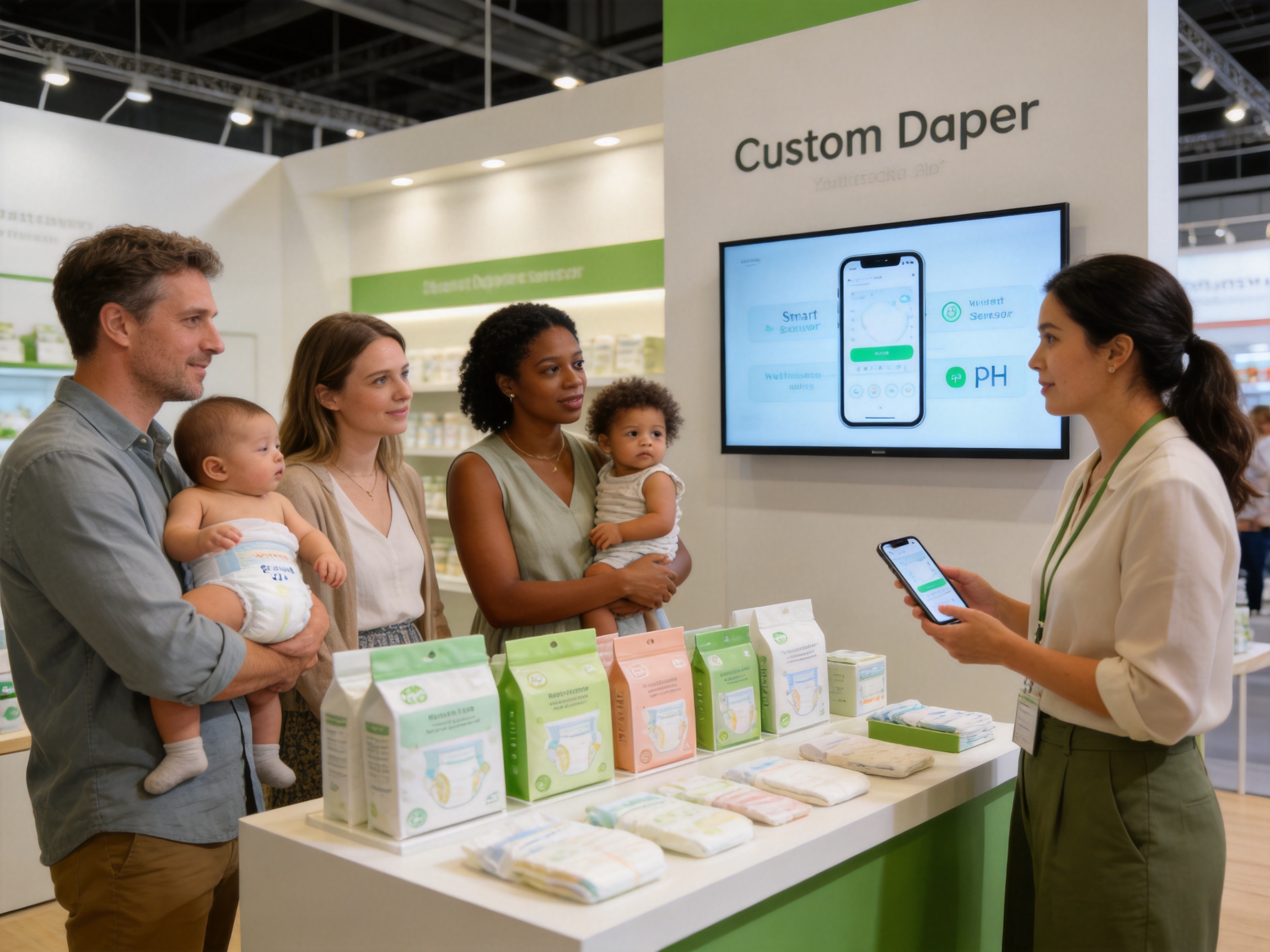
Smart Diaper Technology: The company is investing in sensors that can be integrated into diapers to monitor wetness, temperature, and even urine pH levels. These sensors send real-time alerts to a parent’s smartphone, making it easier to know when to change the diaper and detect potential health issues early.
Customization Solutions: The R&D team works closely with clients to develop tailored products that meet specific market needs. For example, they can create diapers with larger sizes for babies with special needs, or diapers with scented top sheets (using natural essential oils) for parents who prefer a fresh scent.
Quality Control and Compliance: Ensuring Safety for Little Ones
Safety is the top priority for the manufacturer, and this is reflected in its rigorous quality control processes. Every batch of diapers undergoes a series of tests, including:
- Softness Test: Using a Kawabata Evaluation System (KES), the company measures the softness of the top sheet to ensure it meets its strict standards.
- Absorption Test: The absorption capacity and rate are tested using standardized methods to ensure they meet or exceed the product’s claims.
- Breathability Test: The water vapor transmission rate (WVTR) is measured to ensure the back sheet is breathable and prevents moisture buildup.
- Safety Test: The diapers are tested for harmful chemicals (e.g., phthalates, parabens) using gas chromatography-mass spectrometry (GC-MS) and high-performance liquid chromatography (HPLC).
The company also complies with all relevant international regulations, including the European Union’s REACH regulation, the U.S. FDA’s Food, Drug, and Cosmetic Act, and China’s GB 15979-2002 standard for disposable sanitary products. This ensures that its products are safe for use in markets around the world.
Customization: Meeting Diverse Market Needs
One of the biggest advantages of these diapers is their flexibility in customization. The manufacturer offers full OEM/ODM services, allowing clients to create products that align with their brand identity and target audience. Let’s explore the customization options available:
Product Customization
Size Ranges: Clients can choose from a wide range of sizes, including preemie (for babies under 5 pounds) and extra-large (for toddlers over 35 pounds). They can also request custom sizes for specific markets or special needs.
Material Choices: Clients can select from different nonwoven materials, including spunlace, spunmelt, hot air through, and flushable/degradable fabrics. They can also choose the type of absorbent core (e.g., fluff pulp only, SAP only, or a combination) based on their needs.
Design Features: Clients can add custom features such as wetness indicators, cartoon prints, or scented top sheets (using natural essential oils). They can also choose the color of the waistband and leg cuffs to match their brand’s color scheme.
Packaging Customization
Packaging Design: Clients can create custom packaging with their brand logo, colors, and messaging. The packaging can be made from recyclable materials (e.g., cardboard, biodegradable plastic) to appeal to eco-conscious parents.
Packaging Size: Clients can choose from different packaging sizes, including small packs (10-20 diapers) for trial purposes, medium packs (30-50 diapers) for regular use, and large packs (100+ diapers) for bulk purchases.
Sample and Bulk Orders
The manufacturer offers sample orders to help clients test the product before placing a bulk order. Sample orders typically include 10-20 diapers of different sizes and designs. For bulk orders, the minimum order quantity (MOQ) varies depending on the level of customization: standard orders have an MOQ of 10,000 units, while complex custom orders may require an MOQ of 20,000 units. The lead time for production is 20-30 days for standard orders and 35-45 days for custom orders.
Q&A Section: Addressing Parent and Business Partner Concerns
To help readers better understand these diapers, we’ve compiled a list of frequently asked questions from parents and business partners:
For Parents
Q: Are these diapers suitable for babies with sensitive skin?
A: Yes. All materials used in these diapers are hypoallergenic and free from harmful chemicals. They have been tested for safety and meet OEKO-TEX Standard 100, which ensures no harmful substances are present. Many parents of sensitive-skin babies have reported that these diapers reduce the risk of rashes and irritation.
Q: How long can a baby wear these diapers before needing a change?
A: For size L diapers, the absorbent core can hold up to 1200ml of liquid, which means most babies can wear them for 8-10 hours overnight or 4-6 hours during the day. However, this may vary depending on the baby’s age, activity level, and fluid intake. It’s always important to check the diaper regularly and change it when it’s wet or soiled.
Q: Do these diapers have wetness indicators?
A: Yes. Most sizes include a wetness indicator line that changes color when the diaper is wet. This makes it easy to know when to change the diaper, even if the baby is sleeping.
Q: Are there eco-friendly options available?
A: Yes. The manufacturer offers flushable and degradable nonwovens for both diapers and training pants. These materials are made from plant-based fibers and break down quickly in landfills or sewage systems, reducing the environmental impact of disposable diapers.
For Business Partners (Retailers, Brands)
Q: Can we get OEM/ODM services for private label diapers?
A: Absolutely. The manufacturer specializes in OEM/ODM solutions and can customize every aspect of the product, from size ranges and materials to packaging design and branding. They work closely with clients to understand their needs and create products that resonate with their target audience.
Q: What is the minimum order quantity (MOQ) for custom orders?
A: The MOQ varies depending on the level of customization. For standard customizations (e.g., custom packaging, size ranges), the MOQ is 10,000 units. For complex customizations (e.g., flushable materials, smart diaper technology), the MOQ is 20,000 units. The manufacturer also offers sample orders to help clients test the product before placing a bulk order.
Q: How long is the lead time for production and delivery?
A: For standard orders, the lead time is 20-30 days from confirmation of design and payment. For custom orders with complex requirements, the lead time may extend to 35-45 days. The manufacturer’s strategic location in the Yangtze River Delta ensures fast and efficient logistics, with access to major ports and transportation networks for timely delivery.
Q: What safety certifications do the products have?
A: The products are certified by OEKO-TEX Standard 100, ISO 9001, CE, and FDA. These certifications ensure that the products meet the highest global standards for safety and quality.
Market Impact and Future Outlook
The next-gen diapers discussed in this article are already making a significant impact on the global baby care market. Their superior performance, customization options, and eco-friendly features have made them popular with parents and retailers alike. The manufacturer has established long-term partnerships with several well-known global brands, and its products are sold in over 50 countries around the world.
Looking ahead, the manufacturer is focused on expanding its product line and investing in new technologies. Key areas of growth include:
Smart Diaper Technology: The company is developing sensors that can be integrated into diapers to monitor wetness, temperature, and urine pH levels. These sensors will send real-time alerts to a parent’s smartphone, making it easier to manage diaper changes and detect potential health issues early.
Eco-Friendly Materials: The manufacturer is investing in plant-based materials (e.g., bamboo, corn) to create fully biodegradable diapers. These materials will reduce the environmental impact of disposable diapers and appeal to eco-conscious parents.
Special Needs Products: The company is expanding its product line to include diapers for babies with special needs, such as larger sizes for older babies and diapers with adjustable waistbands for babies with mobility issues.
According to Grand View Research (2024), the global baby diaper market is expected to grow rapidly in the coming years, driven by increasing birth rates and rising disposable income. The next-gen diapers discussed in this article are well-positioned to capitalize on this growth, thanks to their advanced features, customization options, and commitment to innovation.
References
1. Grand View Research. (2024). Baby Diaper Market Size, Share & Trends Analysis Report By Product (Disposable, Cloth), By Distribution Channel (Supermarkets/Hypermarkets, Online), And Segment Forecasts, 2024-2032. Retrieved from [No link required]
2. International Nonwovens & Disposables Association (INDA). (2023). Global Nonwovens Industry Report: Trends in Hygiene Products. Retrieved from [No link required]
3. OEKO-TEX. (2023). Standard 100 by OEKO-TEX: Ensuring Safety in Textile Products for Babies. Retrieved from [No link required]
4. U.S. Food and Drug Administration (FDA). (2022). Guidance for Industry: Disposable Diapers and Training Pants. Retrieved from [No link required]
5. China National Standards (GB). (2002). GB 15979-2002: Disposable Sanitary Products. Retrieved from [No link required]