中文简体
中文简体 English
 日本語
日本語 русский
 Español
In an era where functional textiles are transforming industries from healthcare to automotive, the Square Dot Spunbond & Meltblown (Spunmelt) Non-woven Fabric stands out as a versatile, high-performance solution. This innovative material combines the strength of spunbond fibers with the fine filtration of meltblown layers, creating a product that meets the most demanding requirements across diverse sectors. Unlike traditional nonwovens, this fabric offers unparalleled customization, functional versatility, and quality consistency—making it a preferred choice for manufacturers and end-users alike. In this article, we explore the technology behind this fabric, its key advantages over competitors, advanced manufacturing processes, and the industry-leading capabilities that enable its production.
What is Square Dot Spunbond & Meltblown Non-woven Fabric?
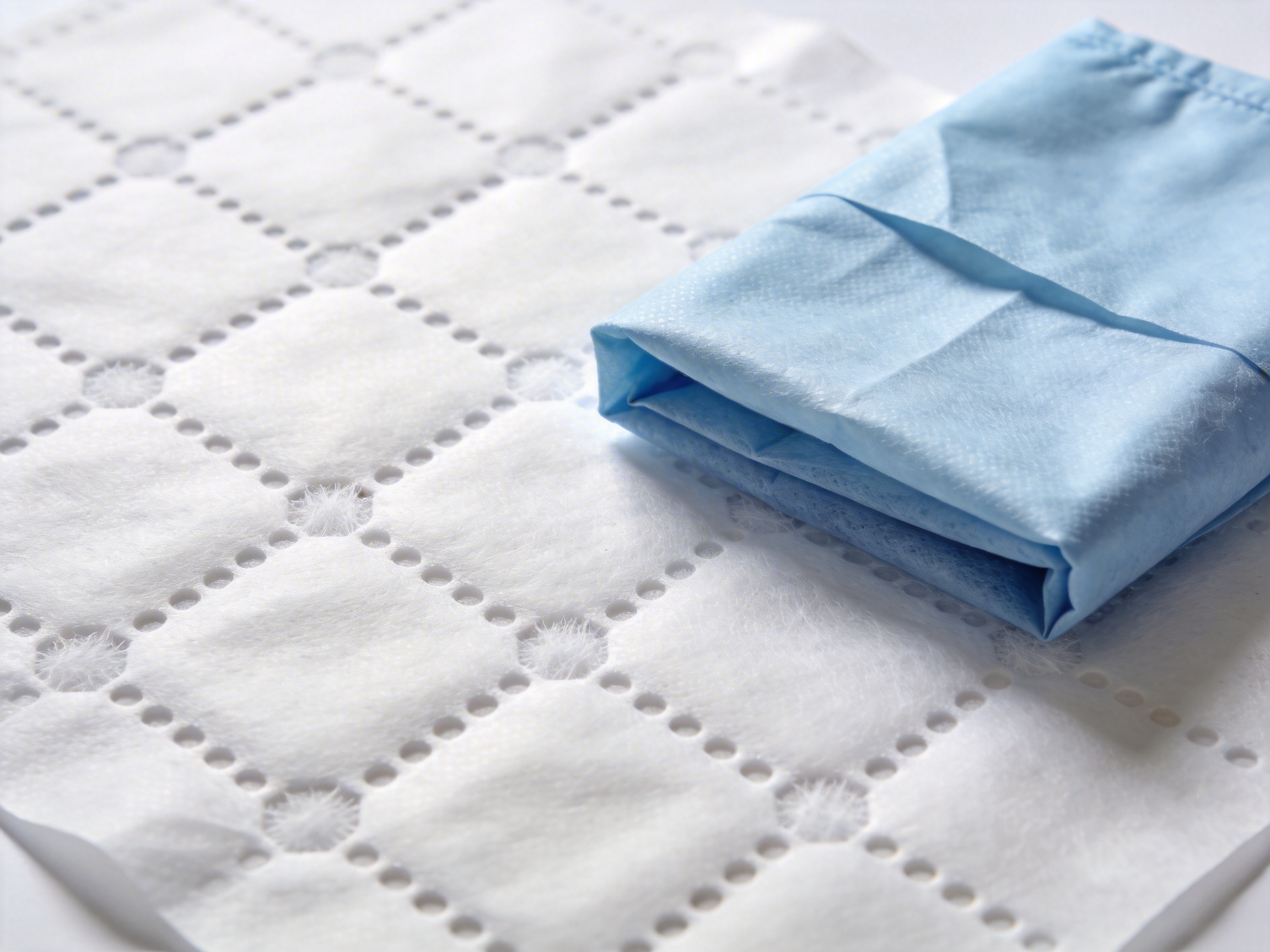
At its core, the Square Dot Spunbond & Meltblown Fabric is a composite nonwoven material that integrates two distinct technologies: spunbond and meltblown. This combination leverages the best properties of each: spunbond provides mechanical strength and dimensional stability, while meltblown offers high filtration efficiency and barrier properties. The "square dot" pattern refers to the unique bonding structure that enhances the fabric's resilience and aesthetic appeal, while also allowing for customization to suit specific applications.
Definition & Core Composition
The fabric is primarily composed of polypropylene (PP), a thermoplastic polymer known for its durability, chemical resistance, and low cost. To enhance its functional properties, the material incorporates masterbatch (for color and additives), functional masterbatch (for specific traits like anti-bacterial or flame retardancy), and functional additives (such as scents or essences). This careful selection of raw materials ensures that the fabric can be tailored to meet the unique needs of different industries, from medical gowns that require three anti (anti-alcohol, anti-blood, anti-grease) properties to diaper core covers that need hydrophilicity.
One of the key differentiators of this fabric is its composite structure. For example, the SSMMS (Spunbond-Spunbond-Meltblown-Meltblown-Spunbond) configuration combines multiple layers to create a fabric that is both strong and highly protective—ideal for surgical gowns and isolation clothing. Each layer serves a specific purpose: the spunbond layers provide tensile strength, while the meltblown layers act as a barrier against liquids and particles.
Key Technological Innovations
The production of this fabric relies on several cutting-edge technologies that set it apart from conventional nonwovens. First, the use of electret meltblown layers (both water and electric) enhances filtration efficiency. Electret materials are charged, which allows them to capture tiny particles (like bacteria and viruses) through electrostatic attraction—without compromising air flow. This is a critical advantage for mask filter layers, where high filtration efficiency and breathability are essential.
Second, the square dot bonding pattern is a result of advanced calendering technology. This pattern not only improves the fabric's aesthetic appearance but also enhances its resilience—making it less prone to tearing or stretching under stress. Additionally, the pattern can be customized to meet client requirements, allowing for unique branding or functional benefits (e.g., a specific pattern that improves liquid absorption).
Third, the integration of functional additives directly into the fabric during production eliminates the need for post-treatment processes. For example, adding aloe essence to hydrophilic products enhances skin-friendliness, while mint or apple scents can be incorporated for a pleasant user experience. This direct integration ensures that the functional properties are long-lasting and consistent across the entire fabric.
Unmatched Advantages Over Competitors
The Square Dot Spunbond & Meltblown Fabric offers several key advantages that set it apart from competing nonwoven materials. These advantages stem from its innovative design, customization capabilities, and the manufacturer's commitment to quality and performance.
1. Customization at Scale
Unlike many competitors that offer limited customization options, this fabric can be tailored to meet almost any client requirement. From gram weight to color, pattern to functional additives, every aspect of the fabric can be adjusted. For example:
- Gram weight: Spunbond layers range from 8g to 80g, while meltblown layers range from 20g to 50g—allowing for precise control over thickness and strength.
- Color: The fabric is available in white, blue, yellow, pink, black, and other colors, with full customization options for specific brand colors.
- Pattern: The standard square dot pattern can be modified to include logos, unique designs, or functional patterns (e.g., patterns that improve liquid distribution).
- Functional additives: Clients can choose from a range of additives, including scents (mint, apple), essences (aloe), and functional properties (anti-static, flame retardant, anti-bacterial).
This level of customization is particularly valuable for OEM/ODM clients who need to create private-label products that stand out in the market. For example, a baby care brand can customize the fabric's color, softness, and scent to create a unique diaper product that appeals to parents.
2. Functional Versatility
The fabric's composite structure and customizable additives make it suitable for a wide range of applications—from medical to automotive. Unlike single-layer nonwovens that are limited to one or two functions, this fabric can integrate multiple functional properties. For example:
Medical gowns made from the fabric can have three anti properties (anti-alcohol, anti-blood, anti-grease) and be water repellant—providing comprehensive protection for healthcare workers. Diaper core covers can be hydrophilic (to absorb liquid) and super soft (to be gentle on baby's skin). Car covers can be ageing resistant (to withstand UV rays and weather) and water repellant (to protect the vehicle).
This functional versatility reduces the need for multiple materials, simplifying the manufacturing process and lowering costs for clients. It also ensures that the fabric can adapt to evolving industry requirements—such as the increased demand for anti-bacterial materials during the COVID-19 pandemic.
3. Quality & Performance Consistency
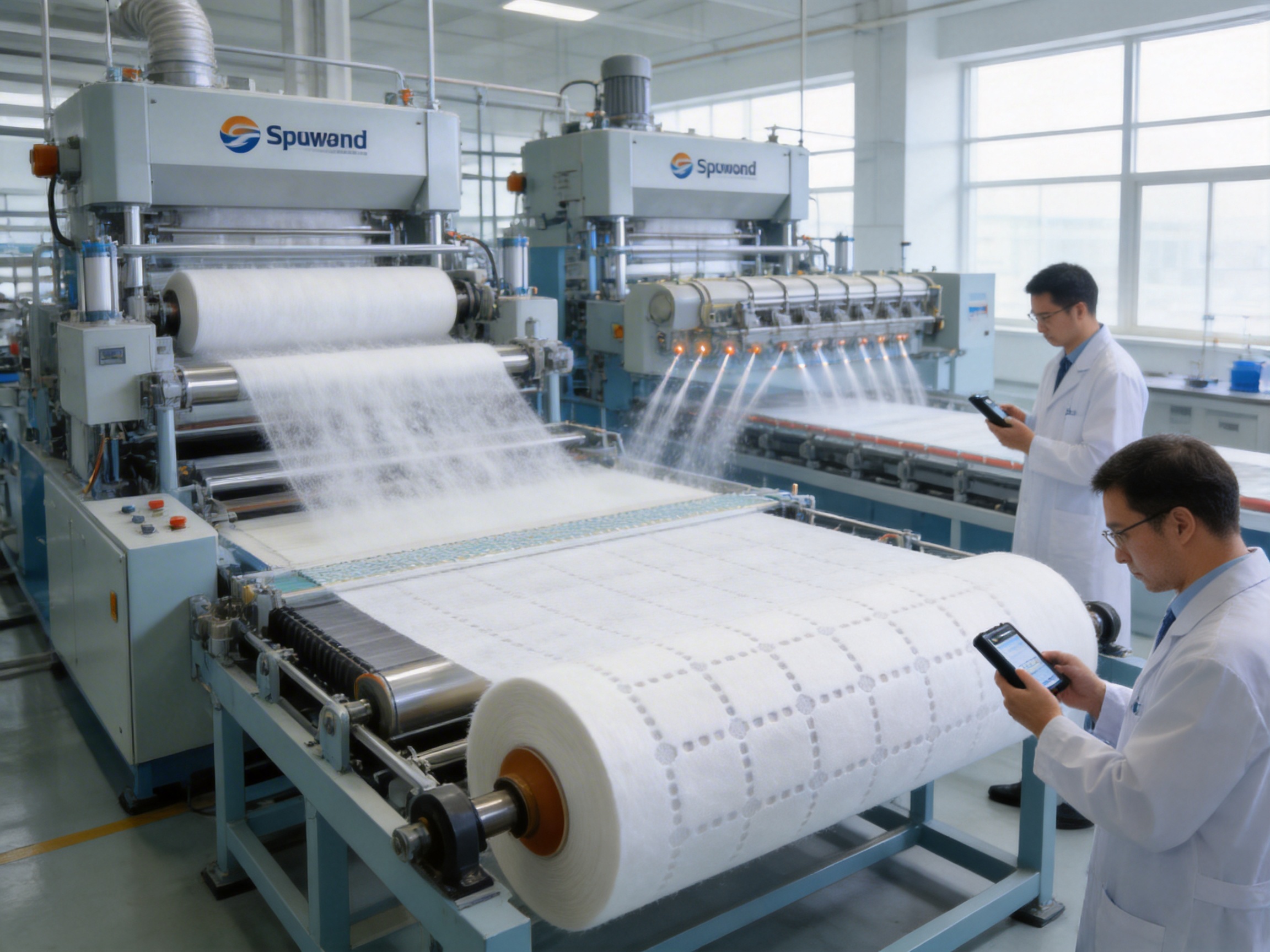
The manufacturer's commitment to quality control ensures that every roll of fabric meets strict performance standards. This consistency is a key advantage over competitors who may have variations in quality due to outdated equipment or poor process control. For example:
The meltblown layers of the fabric have a filtration efficiency of up to FFP2/FFP3 (European standard) and BFE99+/PFE99 (American standard)—ensuring that mask filter layers provide reliable protection against particles and bacteria. The spunbond layers have consistent tensile strength and dimensional stability, making them suitable for high-stress applications like surgical gowns.
To maintain this consistency, the manufacturer uses advanced testing equipment to monitor every stage of production—from raw material inspection to final product testing. This includes tests for tensile strength, filtration efficiency, liquid barrier properties, and functional additive effectiveness.
4. Sustainable & Cost-Effective Solutions
In addition to its functional benefits, the fabric offers sustainable and cost-effective advantages. The use of polypropylene (a recyclable material) reduces the environmental impact of the product. Furthermore, the manufacturer's efficient production processes minimize waste and energy consumption—lowering the carbon footprint of the fabric.
From a cost perspective, the fabric's versatility reduces the need for multiple materials, which saves clients money. Additionally, the manufacturer's global production network allows for local sourcing and distribution—reducing transportation costs and lead times. For example, clients in Europe can source fabric from the manufacturer's production bases in China, which are strategically located to ensure fast delivery.
Advanced Manufacturing Processes
The production of the Square Dot Spunbond & Meltblown Fabric relies on state-of-the-art manufacturing processes and equipment. These processes ensure that the fabric meets the highest standards of quality, performance, and consistency.
1. Raw Material Sourcing & Quality Control
The manufacturer sources high-quality raw materials from trusted suppliers. Polypropylene (PP) is selected for its durability and chemical resistance, while masterbatch and additives are chosen for their compatibility with the production process and functional effectiveness. Every batch of raw materials is tested for purity, consistency, and compliance with international standards before being used in production.
This rigorous raw material control ensures that the final product has consistent properties and meets the specific requirements of each application. For example, PP used for medical applications is tested for biocompatibility to ensure it is safe for use in contact with human skin.
2. Cutting-Edge Production Lines
The manufacturer uses advanced production equipment imported from Germany, France, and Italy—leaders in nonwoven technology. These lines include:
- Spunbond lines: These lines extrude PP into continuous fibers, which are then laid down in a uniform web and bonded using heat and pressure. The equipment allows for precise control over fiber diameter, web uniformity, and bonding strength.
- Meltblown lines: These lines use high-velocity air to produce fine fibers (typically 1-5 microns in diameter), which are then collected into a web. The equipment can produce both water and electric electret meltblown layers—enhancing filtration efficiency.
- Composite lines: These lines combine spunbond and meltblown layers into a single fabric. The equipment allows for precise control over the number of layers, layer thickness, and bonding between layers—resulting in a fabric with optimal performance properties.
The production lines are fully automated, which reduces human error and ensures consistent quality. Additionally, the lines are designed to minimize waste and energy consumption—aligning with the manufacturer's commitment to sustainability.
3. Rigorous Testing & Certification
Every roll of fabric undergoes rigorous testing before being shipped to clients. The testing process includes:
- Physical tests: Tensile strength, tear resistance, dimensional stability, and grammage.
- Functional tests: Filtration efficiency, liquid barrier properties, water repellency, anti-static properties, and flame retardancy.
- Chemical tests: Biocompatibility, chemical resistance, and additive effectiveness.
The manufacturer also holds various certifications (implied by its status as a national high-tech enterprise and compliance with international standards) that validate the quality and performance of its products. These certifications include compliance with European EN standards, American ASTM standards, and ISO standards—ensuring that the fabric meets the requirements of global markets.
Diverse Applications Across Industries
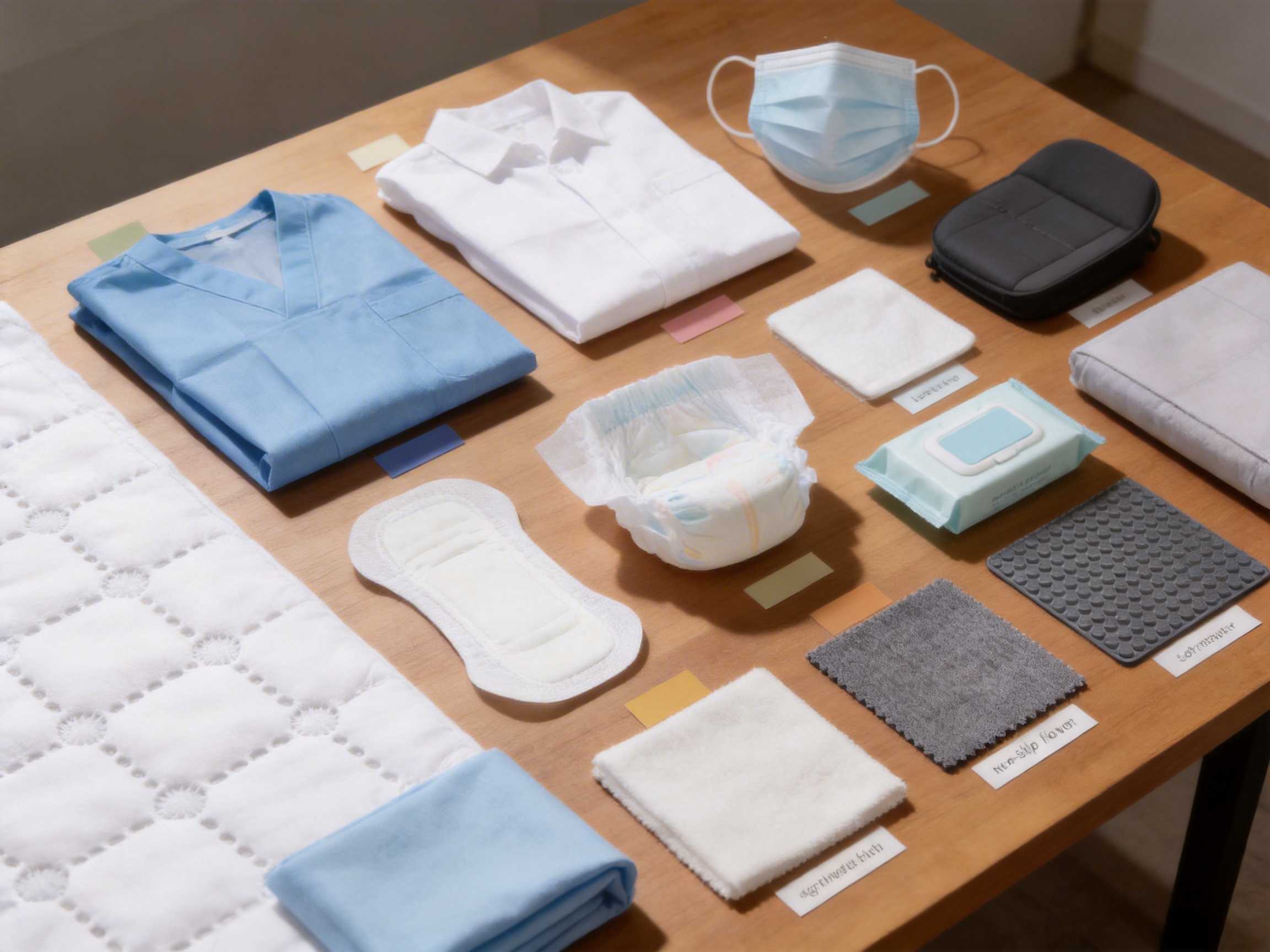
The Square Dot Spunbond & Meltblown Fabric's functional versatility makes it suitable for a wide range of industries. Below are some of the key applications:
1. Medical & Healthcare
The fabric is widely used in medical and healthcare applications due to its barrier properties, anti-bacterial properties, and biocompatibility. Key applications include:
- Surgical gowns: Made from 37g or 45g SSMMS fabric with three anti properties—providing protection against blood, alcohol, and grease.
- Isolation clothing: Available in 26g SMMS (yellow, water repellant), 45g SSMMS (white, water repellant), and 35g SSS +30g PE (white, antistatic)—ideal for protecting healthcare workers from infectious agents.
- Masks: The fabric is used for the surface and inner layers of masks (20g-50g SSS, anti-bacterial, skin-friendly) and the filter layer (25g M, water/electric electret, FFP2/FFP3 or BFE99+/PFE99).
These applications require high levels of protection and comfort—both of which are provided by the fabric.
2. Sanitary & Hygiene Products
The fabric is a key material in sanitary and hygiene products due to its softness, hydrophilicity, and anti-leakage properties. Key applications include:
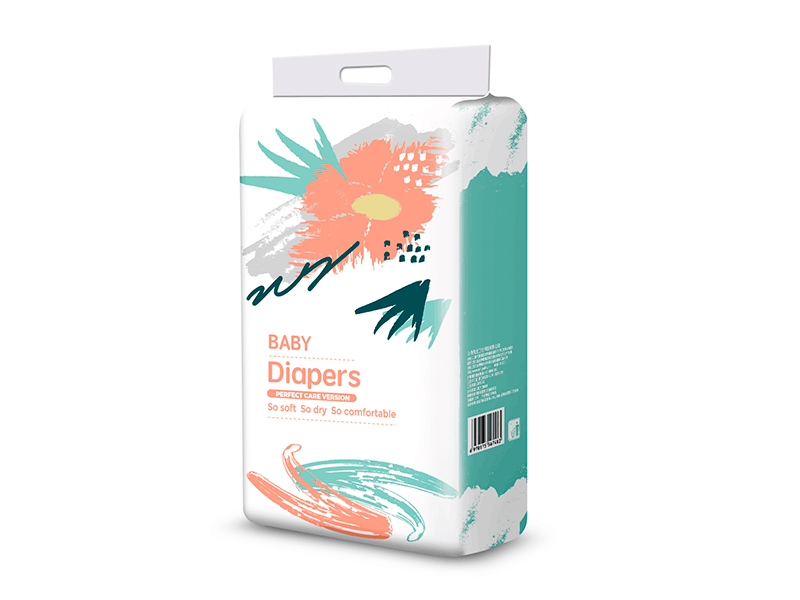
- Diapers: Used for the surface layer (skin-friendly), core cover (hydrophilic, 12g SS/SSS/SMS), anti-leakage three-dimensional protection (12g SSMMS, water repellant), and waistband (15g/16g SS/SSS, super soft).
- Training pants: Used for the waistband and surface layer—providing comfort and protection for active children.
- Feminine hygiene products: Used for the surface layer (soft, absorbent) and anti-leakage layers—ensuring comfort and protection.
The fabric's customization options allow manufacturers to create products that meet the specific needs of different age groups and preferences.
3. Automotive & Industrial
The fabric's durability, ageing resistance, and flame retardancy make it suitable for automotive and industrial applications. Key applications include:
- Car covers: 35g SSS fabric with ageing resistance—protecting vehicles from UV rays, rain, and dust.
- Car interiors: 40g SSS fabric with flame retardancy—used for seat covers, door panels, and other interior components.
- Non-slip mats: 36g SSS fabric with single-side anti-skid—used for floor mats and other applications where slip resistance is required.
- Agricultural sheds: 35g SSS fabric with ageing resistance—used for covering crops and protecting them from weather.
The fabric's ability to withstand harsh conditions makes it an ideal choice for these applications.
4. Home & Lifestyle
The fabric's softness, absorbency, and anti-bacterial properties make it suitable for home and lifestyle products. Key applications include:
- Cotton cloth: Soft, absorbent fabric used for cleaning and personal care.
- Mattress surface layer: Soft, anti-bacterial fabric used for mattress covers—providing comfort and protection.
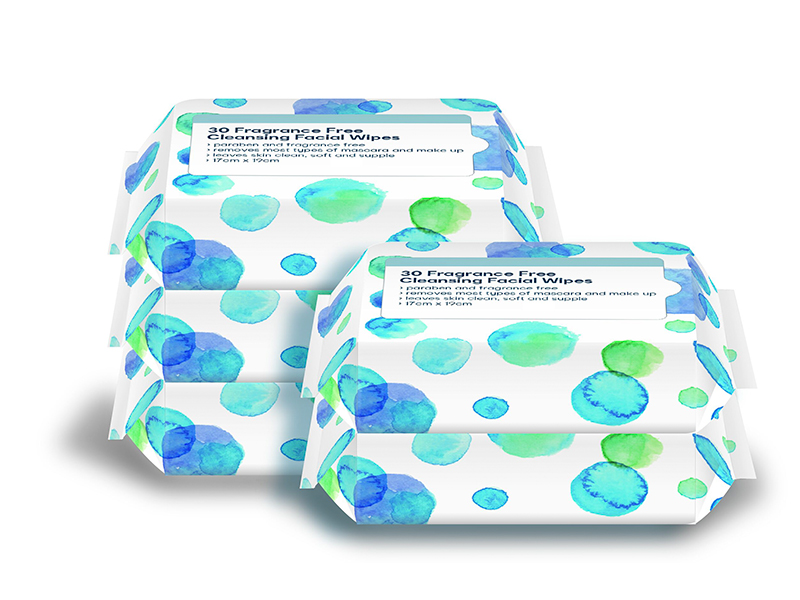
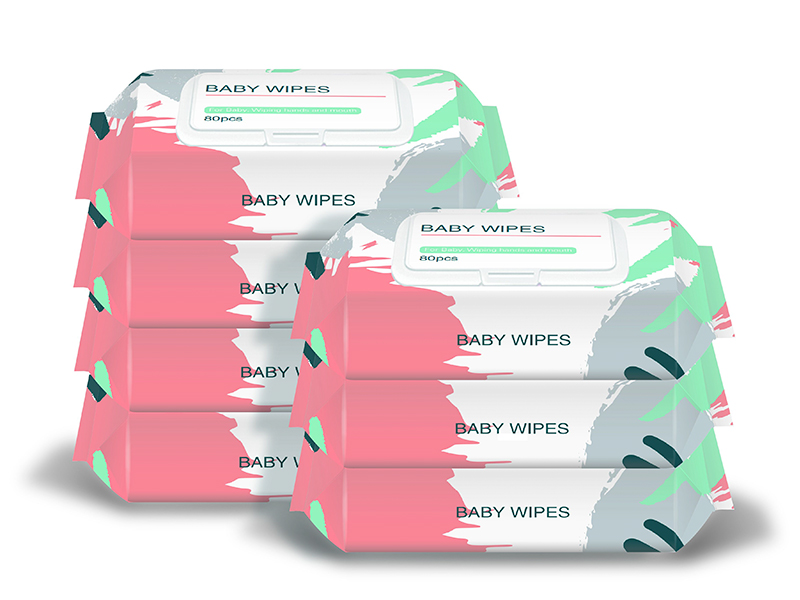
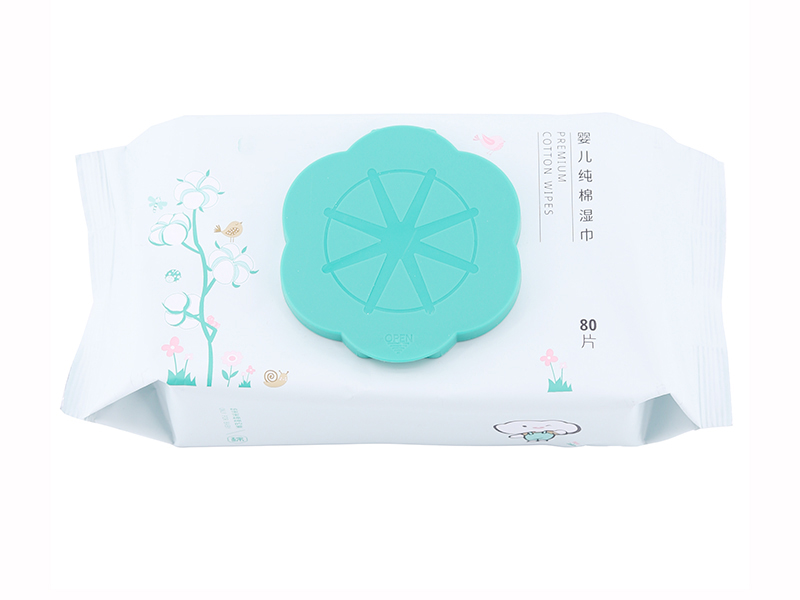
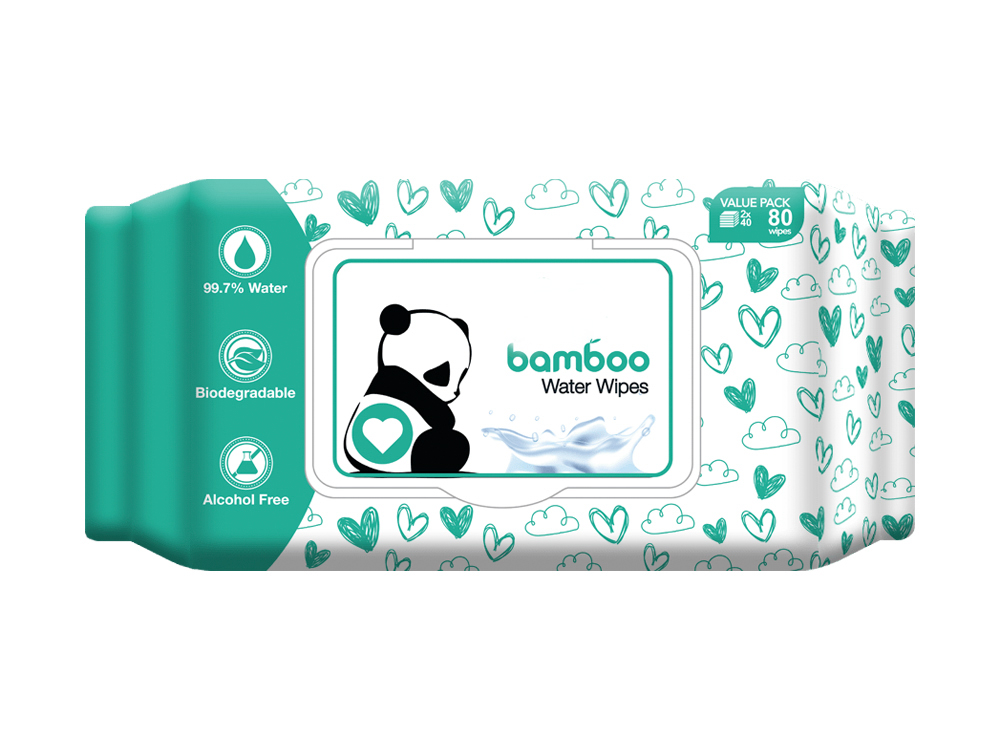
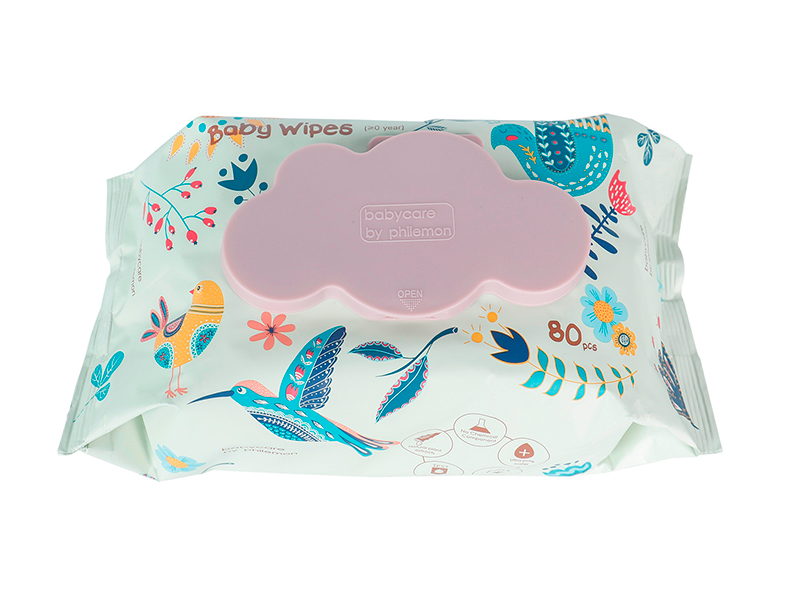
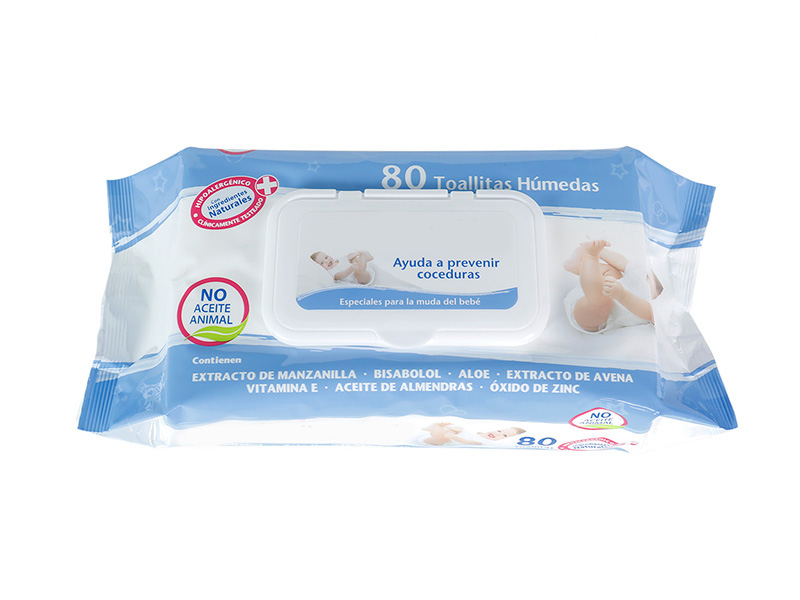
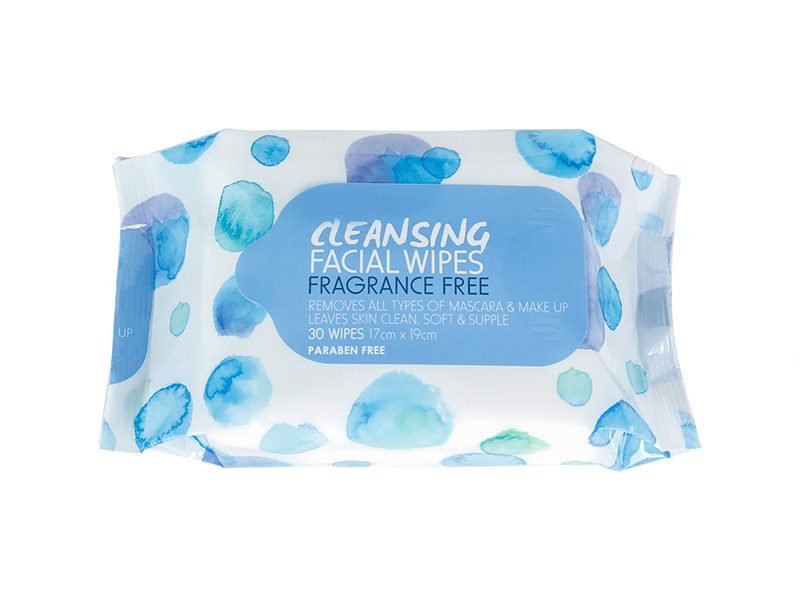
- Wipes: Used for wet and dry wipes—with customization options for scent, softness, and absorbency.
The fabric's versatility allows it to be used in a wide range of home products that meet the needs of modern consumers.
Key Product Specifications by Application
| Product Category | Application | Gram Weight Range | Technology Used | Key Functional Properties |
|---|---|---|---|---|
| Spunbond/Spunmelt | Surgical Gowns | 37g, 45g | SSMMS | Three anti (anti-alcohol, anti-blood, anti-grease), water repellant |
| Spunbond/Spunmelt | Isolation Clothing | 26g, 45g, 35g+30g | SMMS, SSMMS, PP+PE (SSS+PE) | Water repellant, antistatic |
| Spunbond/Spunmelt | Mask (Surface/Inner Layer) | 20g–50g | SSS | Anti-bacterial, skin-friendly, super soft |
| Meltblown | Mask Filter Layer | 25g | M (Water/Electric Electret) | Filtration efficiency (FFP2/FFP3, BFE99+/PFE99) |
| Spunbond/Spunmelt | Diaper Core Cover | 12g | SS/SSS/SMS | Hydrophilic, soft |
| Spunbond/Spunmelt | Anti-Leakage Protection (Diapers) | 12g | SSMMS | Water repellant, super soft |
| Spunbond/Spunmelt | Car Covers/Agricultural Sheds | 35g | SSS | Ageing resistance, water repellant |
| Spunbond/Spunmelt | Non-Slip Mats | 36g | SSS | Single-side anti-skid, durable |
Company's Manufacturing Strengths
The production of the Square Dot Spunbond & Meltblown Fabric is enabled by a manufacturer with decades of expertise, a global production network, and a commitment to innovation. These strengths ensure that the fabric meets the highest standards of quality and performance.
1. Decades of Expertise
The manufacturer was founded in 1987 and has over 30 years of experience in the nonwoven industry. This long history has allowed the company to develop a deep understanding of the needs of its clients and the properties of nonwoven materials. The company's expertise is reflected in its status as a national high-tech enterprise and its ranking among the top 10 nonwovens manufacturers in China (ranked first) and the top 40 in the world (for 8 consecutive years).
Over the years, the company has invested heavily in research and development, resulting in numerous innovations in nonwoven technology. These innovations include the development of electret meltblown layers, functional additives, and composite fabrics—all of which are used in the production of the Square Dot Spunbond & Meltblown Fabric.
2. Global Production Network
The manufacturer has established 8 production bases across China, including locations in Foshan (Guangdong), Nantong (Jiangsu), and Wuhan (Hubei). These bases are strategically located to ensure fast delivery to clients in China and around the world. The company's global network also includes distribution centers in key markets, allowing for efficient distribution of its products.
The production bases are equipped with state-of-the-art equipment and staffed by highly trained professionals. This ensures that every roll of fabric meets the same high standards of quality, regardless of the location where it is produced.
3. R&D & Innovation Capabilities
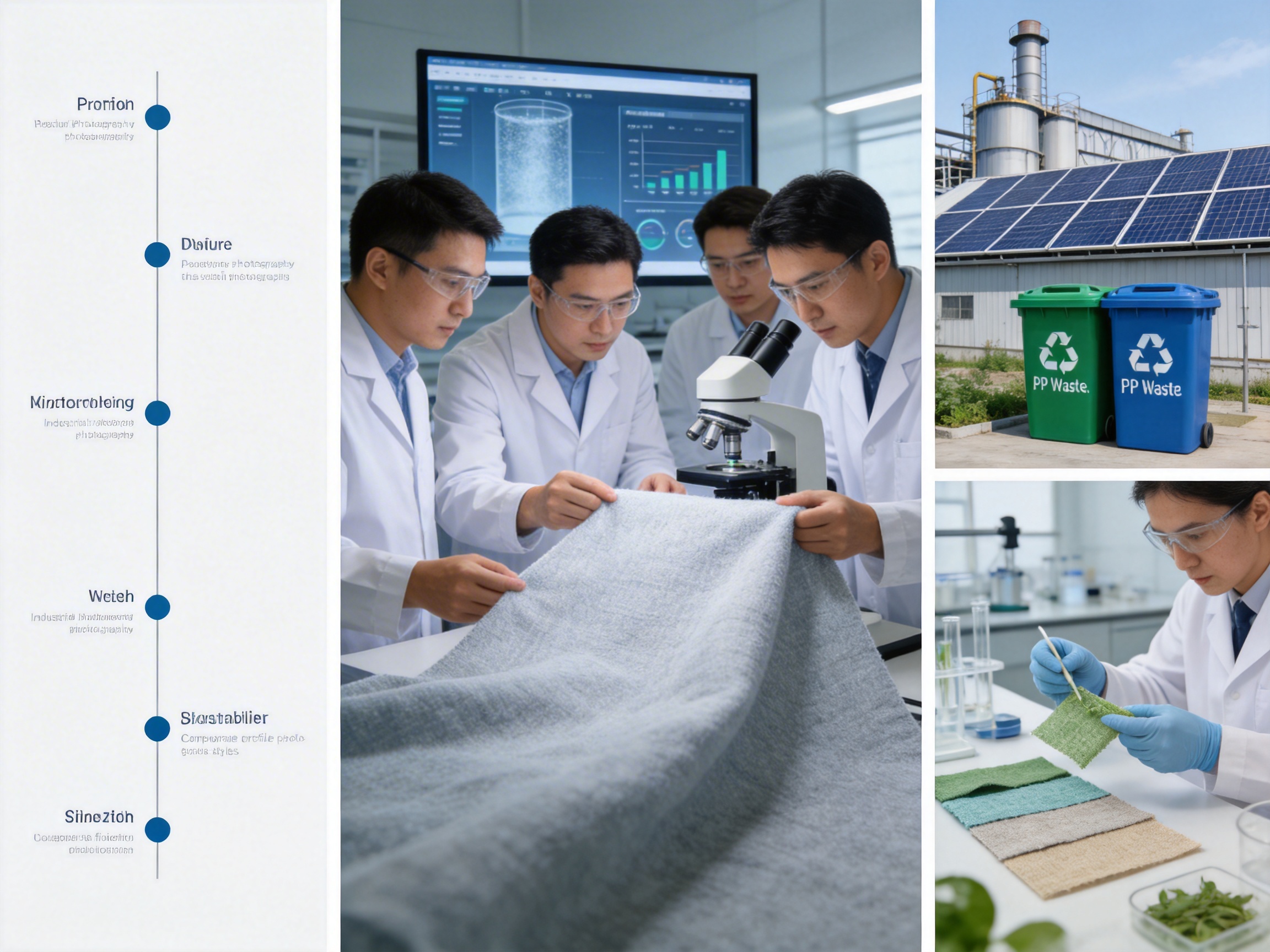
The company's R&D center is staffed by a team of experienced engineers and scientists who are dedicated to developing new nonwoven technologies and improving existing products. The center is equipped with advanced testing equipment and facilities, allowing for the development and validation of new materials and processes.
Some of the key R&D achievements include:
- The development of water and electric electret meltblown layers—enhancing filtration efficiency for mask applications.
- The integration of functional additives directly into the fabric during production—eliminating the need for post-treatment processes.
- The development of customizable patterns and colors—allowing clients to create unique products.
The company's R&D capabilities ensure that it remains at the forefront of the nonwoven industry and can meet the evolving needs of its clients.
4. Commitment to Sustainability
The manufacturer is committed to sustainability and has implemented several initiatives to reduce its environmental impact. These initiatives include:
- Using recyclable raw materials (such as polypropylene) in the production of its fabrics.
- Minimizing waste and energy consumption through efficient production processes.
- Investing in renewable energy sources (such as solar power) for its production bases.
- Developing biodegradable nonwoven materials for applications where sustainability is a priority.
This commitment to sustainability aligns with the growing demand for eco-friendly products in global markets.
Q&A Section
Below are answers to common questions about the Square Dot Spunbond & Meltblown Fabric:
Q1: What raw materials are used in the fabric?
A: The main raw material is polypropylene (PP), supplemented by masterbatch (for color and additives), functional masterbatch (for specific traits like anti-bacterial or flame retardancy), and functional additives (such as scents or essences).
Q2: Can the pattern of the fabric be customized?
A: Yes, the standard square dot pattern can be modified to include unique designs, logos, or functional patterns (e.g., patterns that improve liquid absorption).
Q3: What certifications do the products hold?
A: The fabric complies with international standards, including European EN standards, American ASTM standards, and ISO standards. The manufacturer is also a national high-tech enterprise, which validates its commitment to quality and innovation.
Q4: Does the company offer OEM/ODM services?
A: Yes, the company specializes in OEM/ODM services for nonwoven products, including wipes, diapers, and training pants. Clients can customize every aspect of the product, from design to functional properties.
Q5: What is the minimum order quantity (MOQ) for the fabric?
A: The MOQ varies depending on the product specifications and customization requirements. Clients are encouraged to contact the manufacturer for detailed information.
Q6: How long is the delivery time for the fabric?
A: The delivery time depends on the order quantity and customization requirements. The manufacturer's global production network ensures that delivery times are minimized—typically ranging from 7 to 30 days.
Q7: What are the key functional properties of the fabric?
A: The fabric can have a wide range of functional properties, including three anti (anti-alcohol, anti-blood, anti-grease), anti-static, water repellant, hydrophilic, super soft, flame retardant, anti-skid, anti-bacterial, and ageing resistance.
References
- Smith, J. (2022). Nonwoven Textiles: Advances in Production and Applications. Industrial Textiles Press. New York, USA.
- World Nonwovens Association (2023). Global Nonwovens Market Report: Trends and Growth Drivers. Brussels, Belgium.
- Chen, L., Wang, Y., & Zhang, H. (2021). Functional Nonwovens for Medical Applications: A Review. Journal of Applied Polymer Science, 148(12), 4987-5002.
- European Committee for Standardization (2020). EN 14683: Medical masks for general use. Brussels, Belgium.
- American Society for Testing and Materials (2022). ASTM F2100: Standard Specification for Performance of Materials Used in Medical Face Masks. West Conshohocken, USA.
- International Organization for Standardization (2019). ISO 13485: Medical devices—Quality management systems—Requirements for regulatory purposes. Geneva, Switzerland.
Conclusion
The Square Dot Spunbond & Meltblown Non-woven Fabric is a versatile, high-performance material that is transforming industries from healthcare to automotive. Its innovative design, customization capabilities, and functional versatility make it a preferred choice for manufacturers and end-users alike. The fabric's key advantages over competitors include customization at scale, functional versatility, quality consistency, and sustainable solutions.
The production of this fabric is enabled by a manufacturer with decades of expertise, a global production network, and a commitment to innovation. The manufacturer's advanced manufacturing processes, rigorous quality control, and R&D capabilities ensure that every roll of fabric meets the highest standards of quality and performance.
As the demand for functional textiles continues to grow, the Square Dot Spunbond & Meltblown Fabric is poised to play an increasingly important role in meeting the needs of global markets. Its ability to adapt to evolving industry requirements and its commitment to sustainability make it a future-ready solution for a wide range of applications.