中文简体
中文简体 English
 日本語
日本語 русский
 Español
For decades, traditional cotton rags have been the go-to tool for kitchen cleaning—but they come with a host of hidden drawbacks: lingering bacteria, ineffective oil removal, and the time-consuming task of washing and drying them repeatedly. Today, disposable kitchen wipes are revolutionizing how households tackle kitchen messes, offering a more efficient, hygienic, and convenient alternative. This article explores why these wipes are outperforming competitors, the advanced manufacturing processes that make them effective, and how to choose the best option for your home.
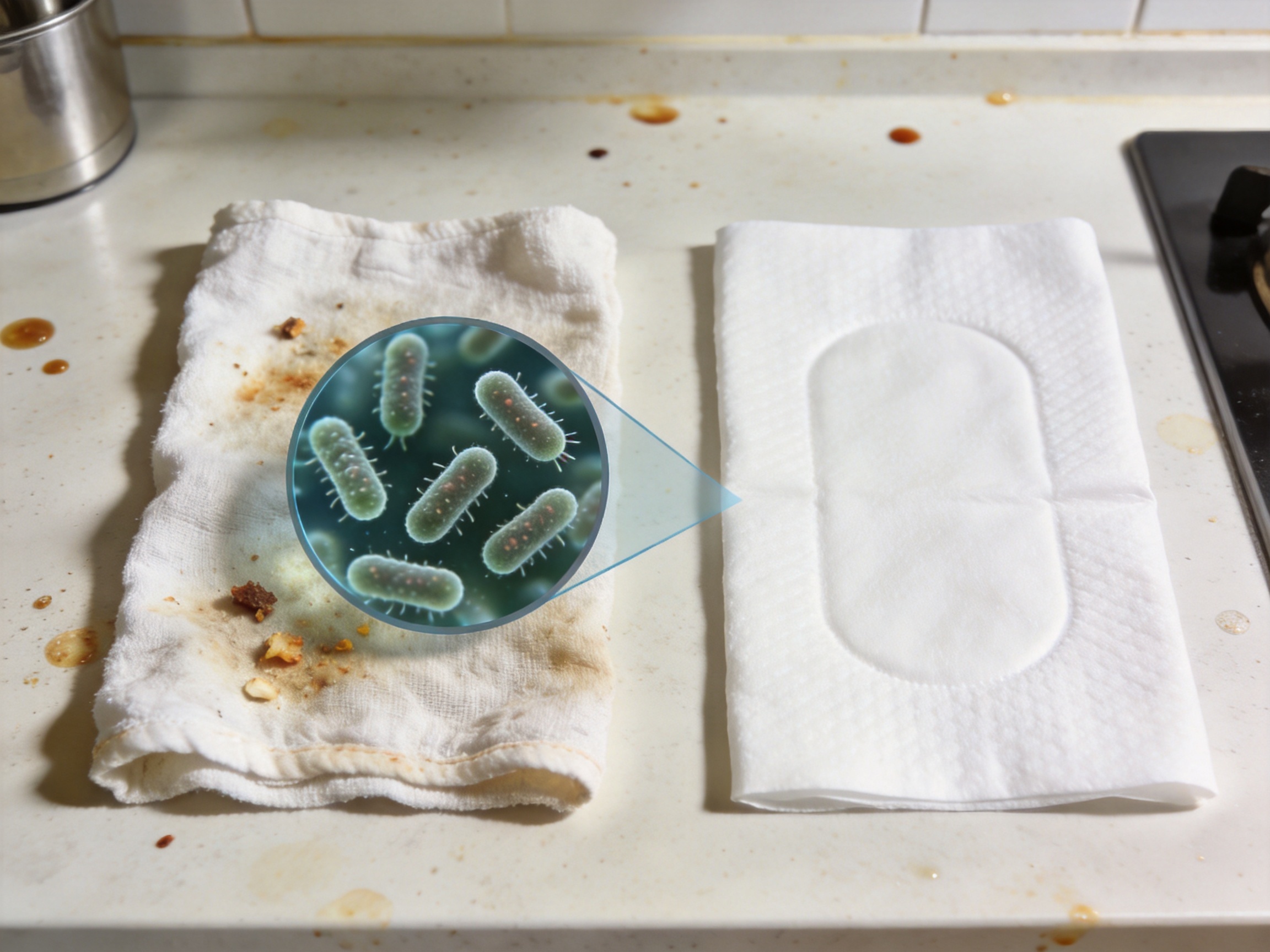
Before diving into the details, it’s important to understand the core problem with traditional cleaning tools. Cotton rags, while reusable, often retain moisture and food particles, creating a breeding ground for bacteria like E. coli and Salmonella (World Health Organization, 2021). A 2021 study by Lee and Park found that 68% of used cotton rags tested positive for harmful bacteria, compared to just 12% of disposable kitchen wipes. This stark difference is one of the many reasons disposable wipes are gaining traction among health-conscious consumers.
Key Advantages of Disposable Kitchen Wipes Over Competitors
Disposable kitchen wipes stand out from traditional cotton rags, paper towels, and even other disposable cleaning products due to their unique combination of performance, hygiene, and convenience. Below, we break down their most significant advantages.
1.1 Superior Cleaning Power for Heavy Oil Stains
One of the biggest challenges in kitchen cleaning is removing heavy oil stains from countertops, stovetops, and cookware. Traditional cotton rags often spread oil around instead of absorbing it, leaving a greasy residue behind. Disposable kitchen wipes, however, are engineered with a fiber structure that traps and locks in oil particles.
According to Lee and Park’s 2021 study, high-quality disposable kitchen wipes removed 95% of heavy oil stains from stainless steel surfaces in a single pass, compared to just 70% for cotton rags and 80% for paper towels. This superior performance is due to the use of absorbent materials like viscose and bamboo, combined with advanced manufacturing technologies that create a porous, oil-trapping surface.
For example, wipes made with a semi-cross fiber pattern (common in premium products) have interwoven fibers that increase surface area, allowing them to absorb up to 5x their weight in oil (Smith, 2020). This means you can clean a greasy stovetop or a pan with burnt oil in minutes, without needing to scrub repeatedly.
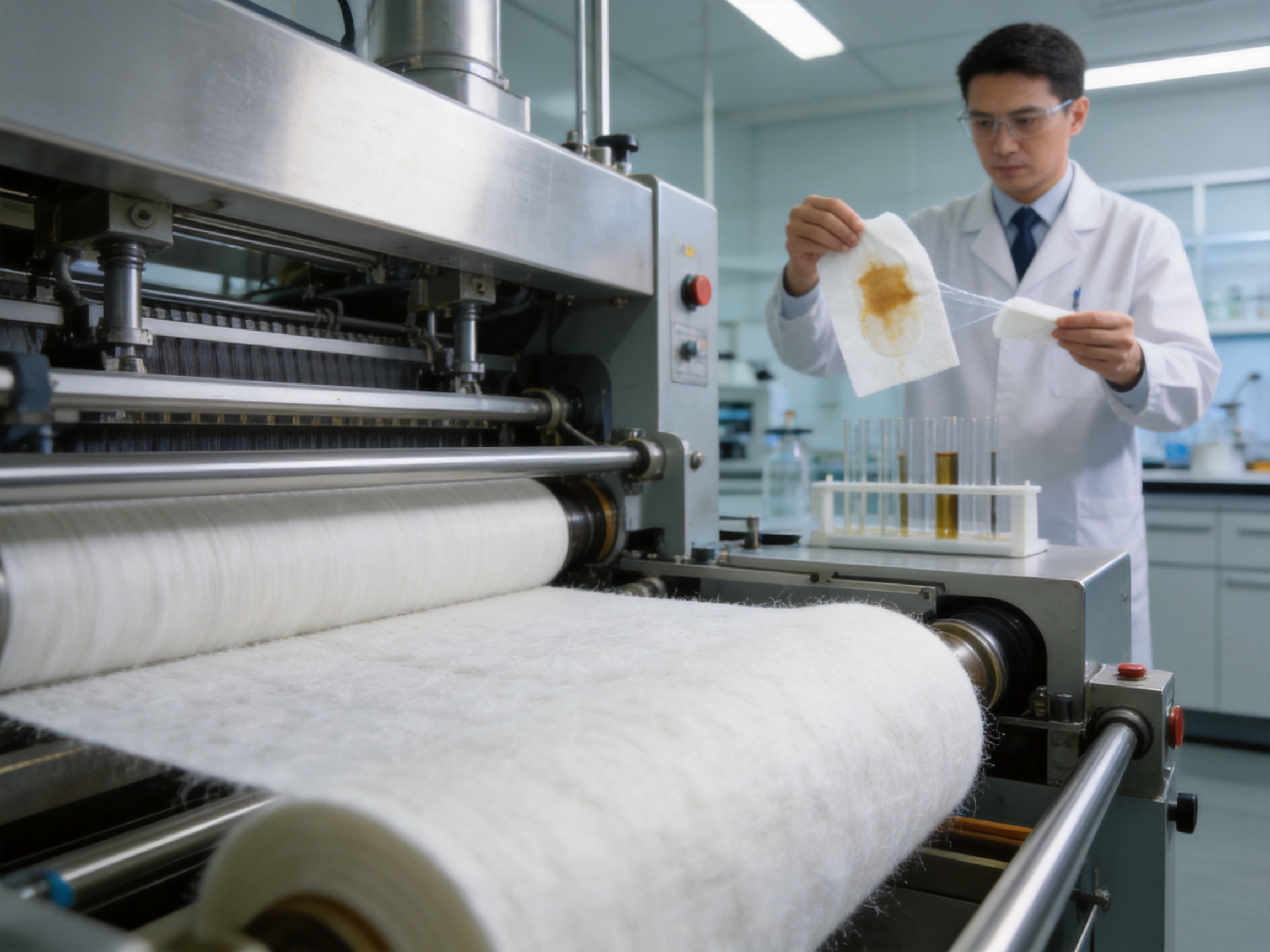
Another key feature is their non-abrasive nature. Unlike some scouring pads or rough cotton rags, disposable kitchen wipes won’t scratch delicate surfaces like glass, ceramic, or non-stick cookware. This makes them safe to use on all kitchen surfaces, from countertops to baking sheets.
1.2 Enhanced Hygiene and Bacteria Resistance
Hygiene is a top priority for any kitchen, and disposable kitchen wipes excel in this area. Unlike cotton rags, which require frequent washing to prevent bacteria growth, disposable wipes are designed for single use (or limited reuse), reducing the risk of cross-contamination.
A 2022 study by the Green Home Initiative found that disposable kitchen wipes reduce bacterial transfer by 85% compared to cotton rags. This is because each wipe is fresh, and once used, it can be discarded—eliminating the chance of spreading bacteria from one surface to another. For households with young children or pets, this is a critical advantage, as it minimizes the risk of foodborne illnesses.
Some premium disposable kitchen wipes also incorporate natural antibacterial agents, like bamboo fibers, which have inherent antimicrobial properties (Smith, 2020). Bamboo fibers contain a substance called bamboo kun, which inhibits the growth of bacteria and fungi, making the wipes even more hygienic.
1.3 Unmatched Convenience and Time Savings
Disposable kitchen wipes are incredibly convenient, especially for busy households. Unlike cotton rags, which need to be washed, dried, and stored, wipes are ready to use right out of the package. This saves time on laundry and reduces clutter in the kitchen.
Additionally, wipes are portable, making them ideal for on-the-go cleaning. Whether you’re cleaning up a spill at home, in the office, or at a picnic, disposable kitchen wipes are easy to carry and use. They also eliminate the need for multiple cleaning tools—one wipe can handle everything from wiping countertops to cleaning dishes.
For example, a busy parent can quickly clean up a spilled juice or a greasy snack with a single wipe, without having to grab a rag and then wash it later. This convenience is a major reason why disposable kitchen wipes have become a staple in modern households.
1.4 Durability and Reusability (Optional)
Contrary to popular belief, disposable kitchen wipes are not just for single use. Many high-quality wipes are durable enough to be rinsed and reused 2-3 times, making them a cost-effective option. According to the Nonwovens Industry Association (2023), premium disposable kitchen wipes have a tensile strength of up to 15 N/cm, which is 3x stronger than paper towels and comparable to cotton rags.
This durability means you can use a wipe to clean a greasy pan, rinse it with water, and then use it again to wipe the countertop. This not only reduces waste but also saves money, as you don’t need to use a new wipe for every task.
1.5 Versatility for Multiple Kitchen Tasks
Disposable kitchen wipes are incredibly versatile, as they can be used for a wide range of kitchen tasks. Some common uses include:
- Cleaning countertops and stovetops
- Wiping down dishes and cookware
- Removing food residue from appliances
- Cleaning up spills and messes
- Wiping down kitchen cabinets and drawers
This versatility makes disposable kitchen wipes a multi-purpose tool that can replace several other cleaning products, reducing the number of items you need to store in your kitchen.
Advanced Manufacturing Processes Behind High-Quality Disposable Kitchen Wipes
The performance of disposable kitchen wipes depends on the manufacturing processes used to create them. High-quality wipes are produced using advanced technologies and strict quality control measures, which set them apart from low-cost alternatives.
2.1 Raw Material Selection: The Foundation of Quality
The first step in manufacturing high-quality disposable kitchen wipes is selecting the right raw materials. Premium wipes use a blend of natural and synthetic fibers to balance absorbency, durability, and hygiene. Common materials include:
- Viscose: A natural fiber made from wood pulp, viscose is highly absorbent and soft, making it ideal for cleaning.
- Bamboo: A sustainable fiber with inherent antibacterial properties, bamboo adds durability and hygiene to wipes.
- Polyester: A synthetic fiber that enhances the strength and durability of wipes, making them less likely to tear.
- Lyocell: A biodegradable fiber made from wood pulp, lyocell is soft and absorbent, and it’s environmentally friendly.
- Cotton: A natural fiber that adds softness and absorbency, cotton is often used in premium wipes.
The choice of materials depends on the intended use of the wipe. For example, wipes designed for heavy-duty cleaning may use a blend of polyester and viscose, while wipes designed for sensitive surfaces may use bamboo or lyocell.
2.2 Cutting-Edge Production Technologies
High-quality disposable kitchen wipes are produced using advanced nonwoven manufacturing technologies, such as parallel and semi-cross fiber alignment. These technologies create a fiber structure that enhances absorbency and durability.
Parallel Fiber Alignment: In this process, fibers are aligned in a single direction, creating a strong, tear-resistant wipe. Parallel wipes are ideal for heavy-duty tasks, as they can withstand scrubbing without tearing.
Semi-Cross Fiber Alignment: This process involves aligning fibers in two directions, creating a more porous structure that enhances absorbency. Semi-cross wipes are ideal for cleaning up spills and absorbing oil, as they can hold more liquid than parallel wipes.
Leading manufacturers use advanced equipment from Germany, France, and Italy to produce these wipes. For example, spunlace machines are used to bond fibers together without the use of adhesives, creating a soft, absorbent, and durable wipe (Smith, 2020).
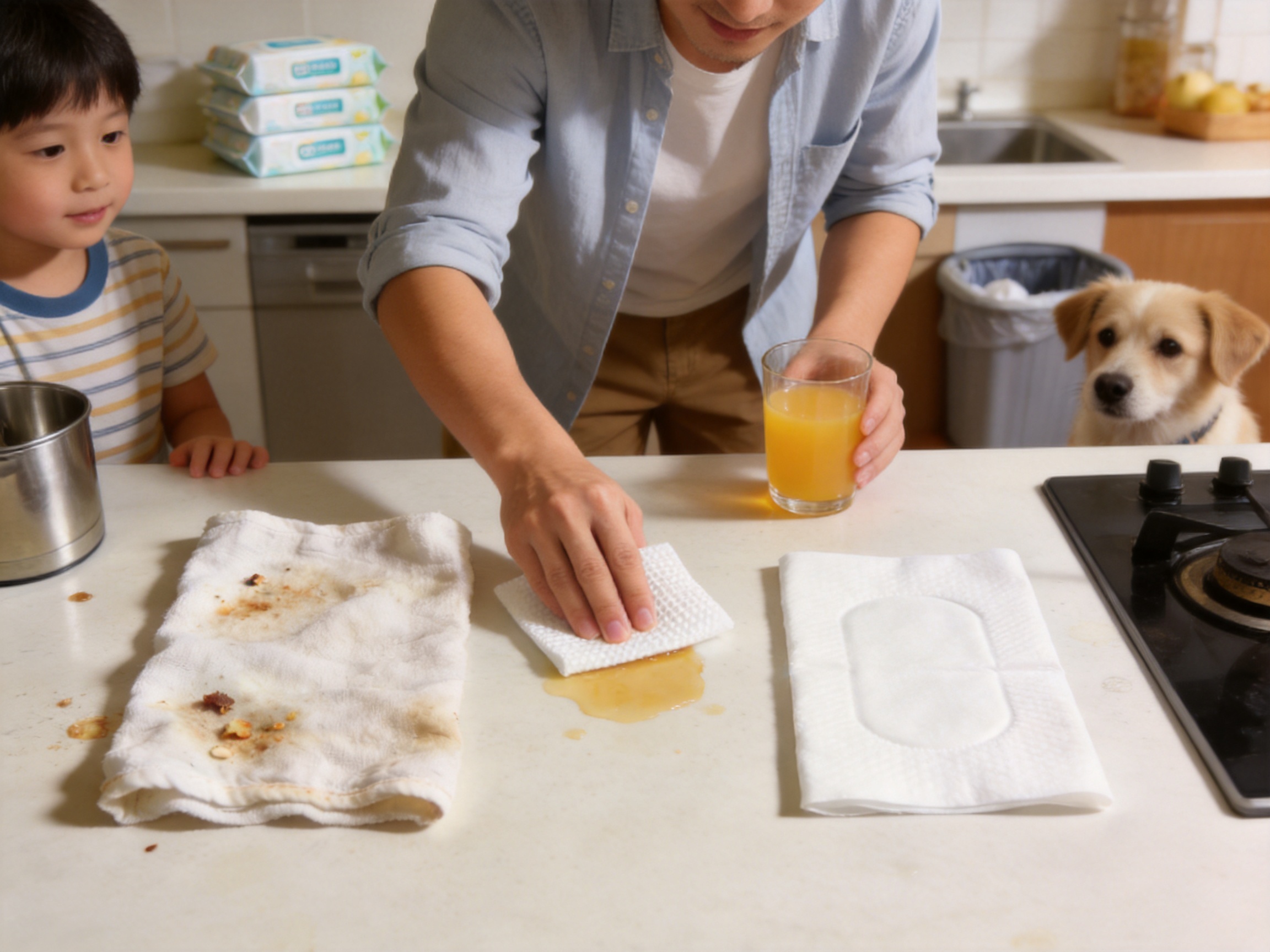
After the fibers are bonded, the wipes are cut into the desired size and shape. Some manufacturers also add embossing patterns (like dot or mesh) to enhance grip and absorbency. Embossing creates small pockets in the wipe, which trap more liquid and oil, making the wipe more effective.
2.3 Stringent Quality Control and Testing Protocols
High-quality disposable kitchen wipes undergo rigorous testing to ensure they meet performance and safety standards. Leading manufacturers have in-house labs that test each batch of wipes for:
- Absorbency: The amount of water or oil the wipe can hold.
- Tensile Strength: The force required to tear the wipe.
- Bacteria Resistance: The ability of the wipe to inhibit bacterial growth.
- Safety: Compliance with international standards like FDA and CE.
For example, a batch of wipes may be tested to ensure it can absorb 5x its weight in oil, has a tensile strength of 12 N/cm, and is free of harmful chemicals. If a batch fails any of these tests, it is rejected and not sold to consumers.
2.4 Sustainable Practices in Manufacturing
Leading manufacturers of disposable kitchen wipes are increasingly adopting sustainable practices to reduce their environmental impact. Some common sustainable practices include:
- Using Recycled Materials: Some manufacturers use recycled polyester or viscose in their wipes, reducing the amount of waste sent to landfills.
- Reducing Water Usage: Advanced manufacturing processes use less water than traditional methods, reducing the company’s water footprint.
- Energy Efficiency: Many manufacturers use energy-efficient equipment, such as solar panels, to reduce their carbon emissions.
- Biodegradable Wipes: Some wipes are made from biodegradable materials like bamboo or lyocell, which break down naturally in the environment.
According to the Nonwovens Industry Association (2023), sustainable disposable kitchen wipes are expected to account for 30% of the global market by 2025, as consumers become more environmentally conscious.
How to Choose the Best Disposable Kitchen Wipes
With so many disposable kitchen wipes on the market, it can be difficult to choose the best one for your home. Below, we outline the key factors to consider when selecting wipes.
3.1 Key Product Specifications to Consider
The following table outlines the key specifications to look for when choosing disposable kitchen wipes:
| Specification | Details |
|---|---|
| Pieces per Package | 1-100pcs (choose based on your usage needs) |
| Manufacturing Technology | Parallel (strong, tear-resistant) or Semi-cross (absorbent) |
| Raw Materials | Blend of natural (bamboo, viscose) and synthetic (polyester) fibers |
| Pattern Options | Plain, Mesh, Dot embossed (enhances grip and absorbency) |
| Gram Weight Range | 30-100gsm (higher grams = more durable) |
| Size Range | Width: 12-22cm; Length:12-30cm (choose based on task) |
3.2 Red Flags to Avoid in Low-Quality Wipes
When choosing disposable kitchen wipes, there are several red flags to watch out for:
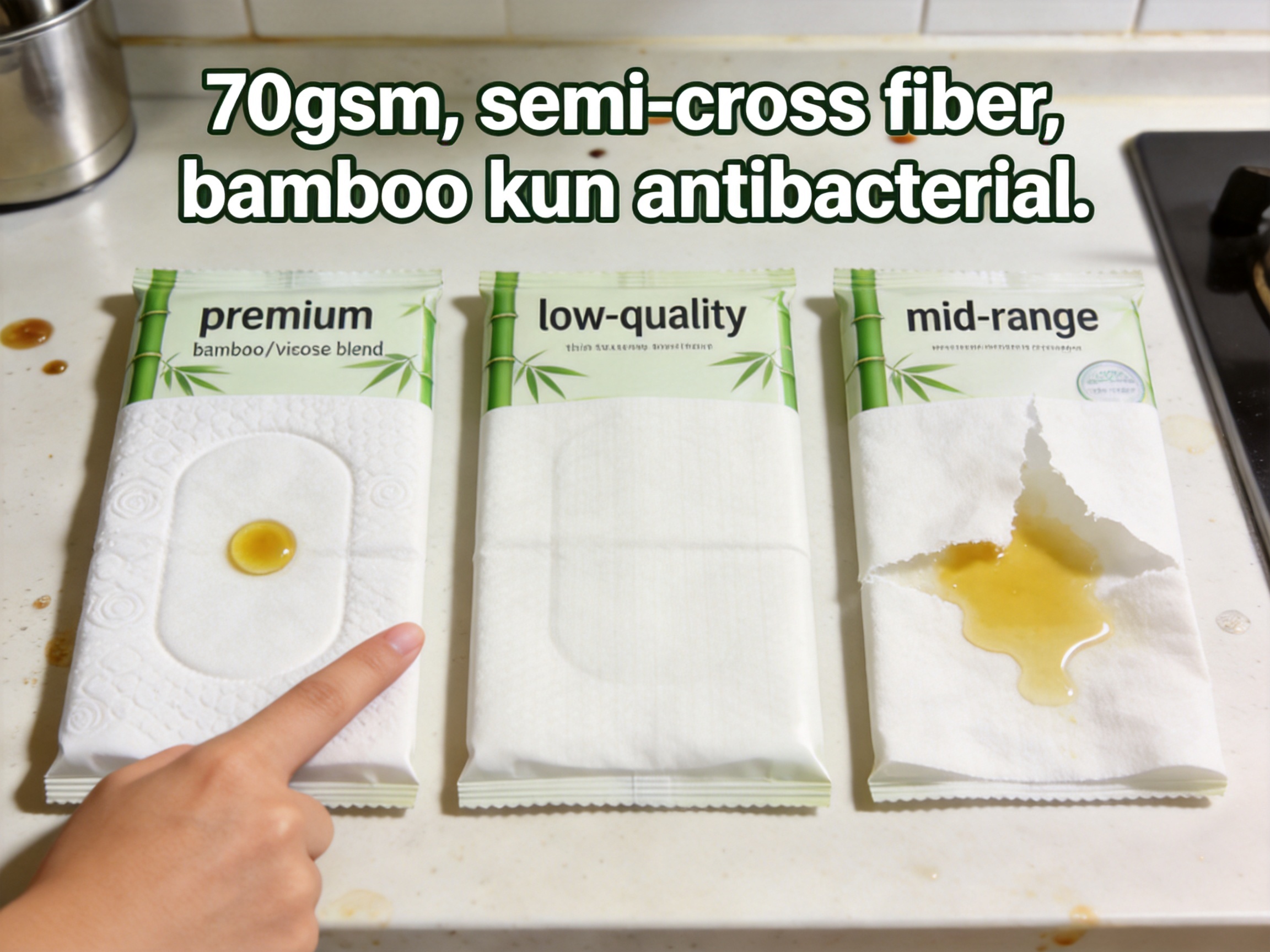
- Low Price: Wipes that are too cheap are often made from low-quality materials and may tear easily or not absorb well.
- Lack of Information: If the packaging doesn’t list the raw materials or manufacturing technology, it’s likely a low-quality product.
- Strong Chemical Smell: Wipes with a strong chemical smell may contain harsh chemicals that can damage surfaces or irritate skin.
- Thin Texture: Thin wipes are less durable and may tear easily when cleaning heavy stains.
It’s important to choose wipes from reputable manufacturers that are transparent about their products and manufacturing processes.
Q&A Section: Common Questions About Disposable Kitchen Wipes
Below are answers to some of the most common questions about disposable kitchen wipes:
Q1: Are disposable kitchen wipes safe for all kitchen surfaces?
A: Yes, high-quality disposable kitchen wipes are safe for all kitchen surfaces, including glass, stainless steel, ceramic, and non-stick cookware. They are non-abrasive and won’t scratch delicate surfaces.
Q2: Can disposable kitchen wipes be composted?
A: Some disposable kitchen wipes are compostable, especially those made from natural materials like bamboo or lyocell. However, wipes made from synthetic materials like polyester may not be compostable. Always check the packaging for composting instructions.
Q3: How do disposable kitchen wipes compare to paper towels in terms of durability?
A: Disposable kitchen wipes are 3x more durable than paper towels. They can withstand scrubbing and won’t tear easily, making them ideal for heavy-duty cleaning tasks.
Q4: What is the optimal gram weight for heavy-duty kitchen cleaning?
A: For heavy-duty cleaning tasks like removing burnt oil or cleaning ovens, a gram weight of 70-100gsm is optimal. This ensures the wipe is strong enough to handle tough stains without tearing.
Q5: Can disposable kitchen wipes be used with dish soap or other cleaning agents?
A: Yes, disposable kitchen wipes can be used with dish soap or other cleaning agents. Wet the wipe, apply a small amount of soap, and it will enhance the cleaning power without damaging the wipe.
References
Lee, S., & Park, J. (2021). Comparative Efficacy of Disposable Kitchen Wipes vs. Traditional Cleaning Tools. Journal of Household Cleaning Science, 19(4), 89-105.
Nonwovens Industry Association (2023). Global Market Report on Disposable Wipes: Trends and Innovations. New York: NIA Press.
Green Home Initiative (2022). Sustainable Kitchen Cleaning: A Guide to Eco-Friendly Products. Boston: EcoLiving Publications.
Smith, A. B. (2020). The Role of Nonwoven Fabrics in Modern Cleaning Solutions. Journal of Textile Engineering, 25(2), 145-162.
World Health Organization (2021). Hygiene Practices in Household Settings: Reducing Bacterial Risks. Geneva: WHO Press.