中文简体
中文简体 English
 日本語
日本語 русский
 Español
Modern fitness environments depend on hygiene that is fast, reliable, and easy for every user to follow. Gym disinfectant wipes are designed for this exact purpose: they help clean frequently touched surfaces, reduce microbial contamination, and support a more confident workout experience in high-traffic spaces. From cardio machines and strength benches to yoga mats, locker room touchpoints, and reception counters, these canister wipes offer a convenient hygiene solution for gyms, studios, schools, hotels, offices, and home exercise areas.
Unlike ordinary cleaning cloths or sprays that require separate towels, measuring, or repeated handling, canister disinfectant wipes combine a nonwoven substrate with a prepared disinfecting solution. Users simply open the lid, pull a wipe, clean the target surface, and dispose of it properly. This ease of use is one of the strongest advantages of canister wipes in commercial fitness settings, where cleaning compliance depends not only on product effectiveness but also on convenience.
The gym disinfectant wipes discussed here use benzalkonium chloramine as the bactericidal component. This active ingredient is described as a broad-spectrum bactericide, working by disrupting bacterial cytoplasmic substances and interfering with microbial metabolism. According to the supplied product information, the wipes can effectively kill common microorganisms including Escherichia coli, Staphylococcus aureus, Candida albicans, and Pseudomonas aeruginosa, with a stated sterilization rate of 99.9% under appropriate conditions.
Behind the product is Zhejiang Uniquality Nursing Products Technology Co., Ltd., a company connected with Kingsafe & Uniquality, founded in 1987. With decades of experience in nonwoven materials, wet wipes, dry wipes, diapers, pull-ups, wet toilet paper, cleansing wipes, medical and hygiene products, and customized private-label manufacturing, the company brings a strong manufacturing foundation to a product category where material quality, liquid formulation, packaging integrity, and production control all matter.
Why Gym Hygiene Requires a Specialized Wipe
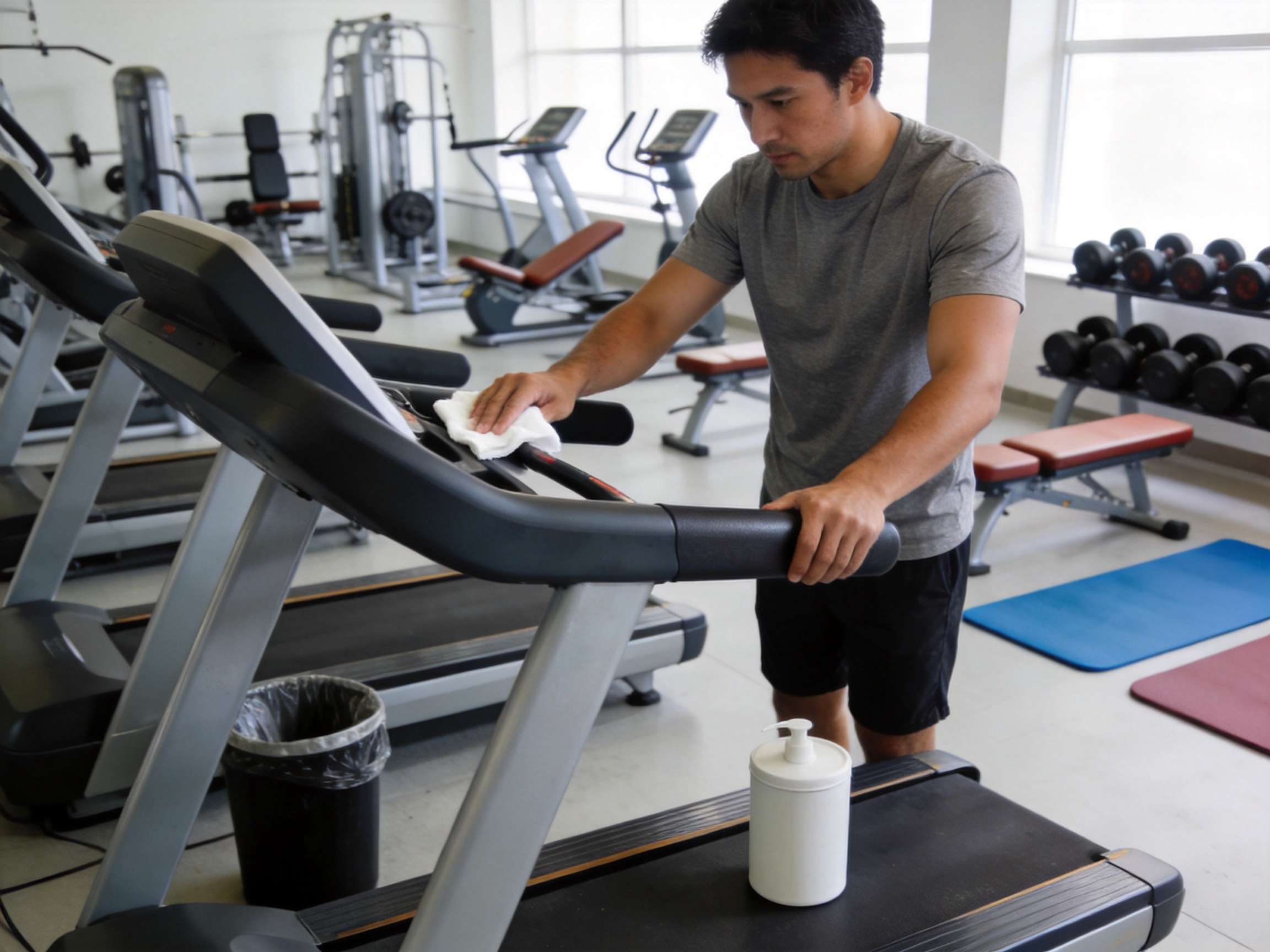
Gyms are unique hygiene environments. They combine high human contact, sweat, shared equipment, warm indoor conditions, and repeated surface touching throughout the day. A treadmill handrail may be touched hundreds of times. A dumbbell handle may pass from one user to another within minutes. A stretching mat may contact hands, feet, skin, clothing, and the floor in a single session. These conditions make routine surface hygiene essential.
Traditional cleaning methods can be useful, but they often create practical barriers. A spray bottle and cloth system requires staff or members to spray the surface, wipe it with a separate towel, store the towel, wash it, replace it, and prevent cross-contamination. If the cloth is reused too often, it may move soil and microorganisms from one surface to another. If the spray is overused, it may leave excessive moisture on equipment. If it is underused, coverage may be incomplete.
Canister gym disinfectant wipes simplify the process by combining the cleaning medium and disinfectant solution in one disposable format. The wipe is already moistened, portable within the facility, and ready to use. This encourages members and staff to clean immediately after contact, reducing the time that soils and microbes remain on surfaces. In busy facilities, this speed can make the difference between a hygiene program that exists only in policy and one that is actually followed.
Specialized gym wipes must also balance multiple requirements. They need enough wet strength to handle textured equipment surfaces. They should be large enough for benches and machines but not so large that users waste material. They should be soft enough for comfortable handling yet durable enough for repeated strokes. They should release liquid evenly, resist tearing, and remain stable in the canister over time. They should also support consistent dispensing so users can pull one wipe at a time.
The product specifications allow a broad range of customization, including 1 to 100 pieces per pack, 30 to 100 gsm fabric weight, widths from 12 to 22 cm, lengths from 12 to 30 cm, and different materials such as polyester, viscose, bamboo, lyocell, and cotton. These options make the product adaptable for small home canisters, compact studio packs, large commercial gym formats, or private-label retail products.
Product Overview
Gym disinfectant wipes in canister format are intended for fast cleaning and disinfection of suitable surfaces. They are especially relevant for fitness centers, training studios, corporate gyms, wellness clubs, school sports facilities, physiotherapy rooms, home gyms, hotel fitness rooms, and other shared activity spaces. Their purpose is to make routine disinfection easier and more consistent.
The bactericidal ingredient identified in the product material is benzalkonium chloramine. As a broad-spectrum bactericide, it is used to help control microorganisms that may appear on frequently touched surfaces. The supplied product content states that it can effectively kill Escherichia coli, Staphylococcus aureus, Candida albicans, and Pseudomonas aeruginosa, and can achieve a 99.9% sterilization rate. This makes the product suitable for hygiene programs that require a dependable disinfecting wipe rather than a simple cosmetic cleaning cloth.
The wipe carrier is a nonwoven fabric, which is essential to product performance. Nonwoven fabrics can be engineered for strength, softness, liquid absorption, and controlled release. Compared with woven cloths, nonwoven substrates are often more flexible for disposable hygiene applications because they can be produced with defined fiber blends, patterns, basis weights, and textures. For gym use, a good nonwoven wipe should pick up soil, spread the disinfectant solution evenly, and maintain integrity when used on rubber, metal, plastic, vinyl, and coated equipment surfaces.
The canister format is another defining feature. A canister helps protect the wipes from drying out, supports convenient dispensing, and keeps the product visible and accessible. In a gym, canisters can be placed near cardio zones, weight areas, stretching sections, locker rooms, entrances, and staff cleaning stations. The easier the wipe is to access, the more likely users are to clean equipment before and after use.
The product also supports varied fragrances, including unscented, fresh, Johnson-style, lavender, lemon, lotus, fruit, coconut, cucumber, and other options. Fragrance selection matters because fitness spaces have different customer expectations. Some clubs prefer a fresh scent that reinforces a clean environment, while healthcare-adjacent or sensitive-user spaces may prefer unscented wipes to reduce fragrance exposure.
Key Technical Specifications
Specification |
Available Options |
Value for Gym Applications |
Pieces |
1 to 100 pieces |
Supports trial packs, compact canisters, retail packs, and facility-use formats. |
Technology |
Parallel, semi-cross |
Allows adjustment of wipe strength, flexibility, and directional performance. |
Material |
Polyester, viscose, bamboo, lyocell, cotton |
Enables customization of softness, durability, absorbency, and sustainability positioning. |
Pattern |
Plain, mesh, dot embossed, flower, stars |
Provides surface feel, cleaning texture, brand differentiation, and visual identity. |
Grams |
30 to 100 gsm |
Allows light, standard, or heavy-duty wipes depending on gym traffic and use intensity. |
Size |
Width 12 to 22 cm, length 12 to 30 cm |
Fits small equipment handles, large benches, mats, and broad touch surfaces. |
Fragrance |
Unscented, fresh, lavender, lemon, lotus, fruit, coconut, cucumber, and others |
Adapts to brand preference, user sensitivity, and market expectations. |
Active component |
Benzalkonium chloramine |
Provides broad-spectrum bactericidal action for cleaning and disinfecting routines. |
How the Disinfecting Action Supports Fitness Hygiene
The supplied product information describes benzalkonium chloramine as the bactericidal component of the wipe. Its sterilization mechanism is explained as the destruction of bacterial cytoplasmic substances and interference with microbial metabolism. In practical terms, this means the active component is intended to help stop bacteria from maintaining normal cellular function, reducing microbial survival on treated surfaces.
In gym environments, the microorganisms listed in the product information are relevant examples for hygiene communication. Escherichia coli is often used as an indicator organism in sanitation discussions. Staphylococcus aureus is a common bacterium associated with skin and contact surfaces. Candida albicans is a yeast that can be considered in broad hygiene control. Pseudomonas aeruginosa is a resilient environmental microorganism that may be associated with moist areas. A disinfectant wipe positioned against these organisms offers a stronger hygiene profile than a simple wet towel or water-based cleaning wipe.
The stated 99.9% sterilization rate is an important product claim. For responsible use, such claims should be understood in relation to proper testing conditions, adequate surface wetting, correct contact time, and suitable target surfaces. In daily gym operations, managers should train users and staff to wipe surfaces thoroughly and allow the treated surface to remain wet for the recommended period according to the product label or regulatory instructions. Proper use is essential for any disinfectant product to deliver expected performance.
Disinfectant wipes are not only about killing microorganisms. They also help remove visible soil, sweat residue, skin oils, and general grime. A surface that looks clean encourages members to use equipment with confidence, while a surface that feels sticky or visibly dirty can damage the facility’s reputation. By combining cleaning and disinfection into one step, gym wipes support both appearance and hygiene.
The disposable format also reduces the risk associated with reusable cleaning cloths. When reusable cloths are not laundered correctly or are used on multiple surfaces without replacement, they can become carriers of contamination. A single-use wipe reduces this concern because it is discarded after use. In high-volume fitness centers, this is a practical and visible hygiene advantage.
Advantages Over Competing Cleaning Methods
Greater Convenience Than Spray-and-Towel Systems
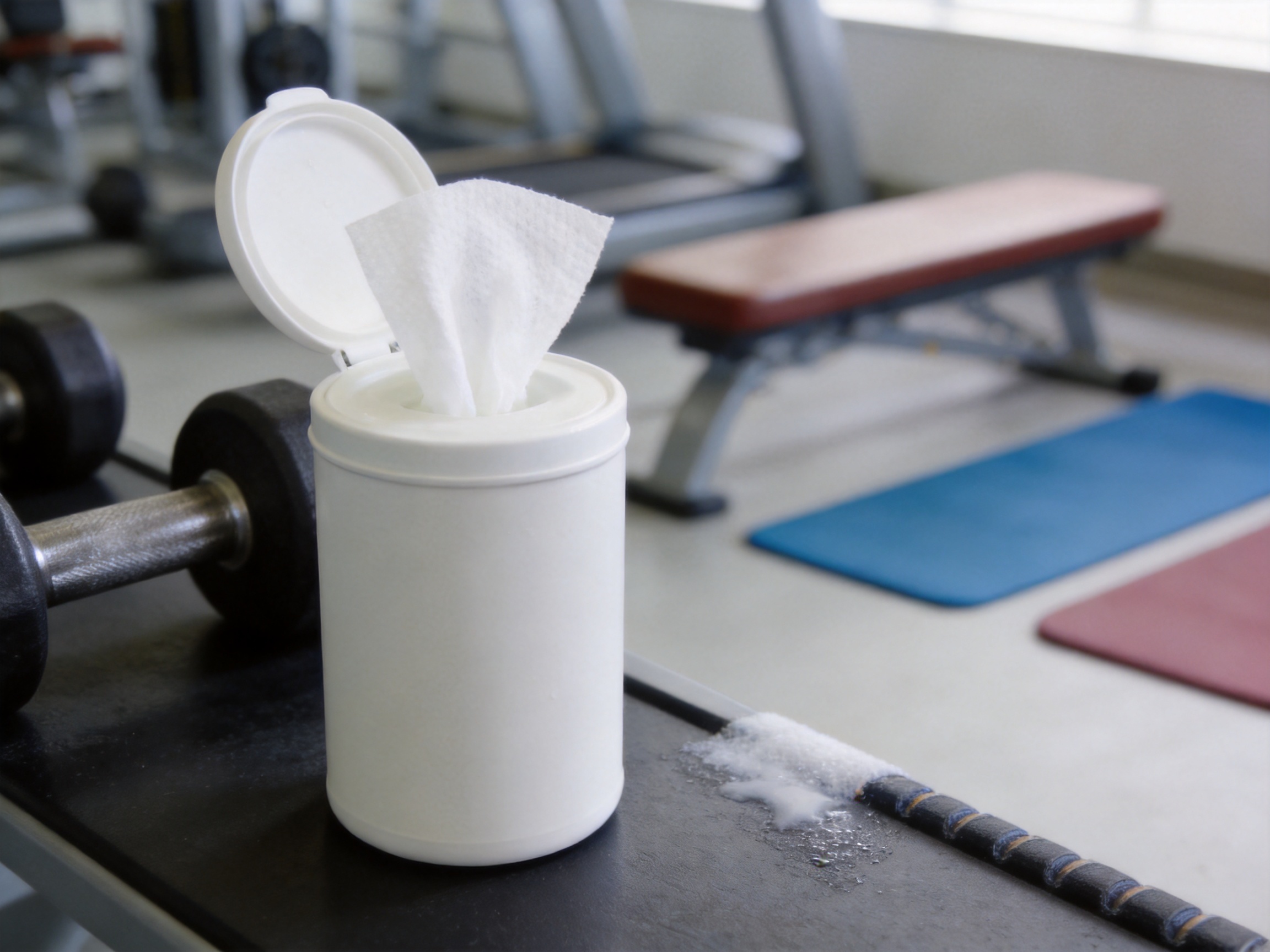
One of the most obvious advantages of canister gym disinfectant wipes is convenience. Spray-and-towel systems require multiple steps: picking up a bottle, spraying, locating a towel, wiping, returning materials, and managing used cloths. In contrast, a canister wipe requires only one pull and one wiping step. This simplicity increases compliance among gym members who may otherwise skip cleaning because the process feels inconvenient.
Canister wipes also reduce the chance of uneven application. With sprays, some users spray too much, creating puddles, while others spray too little, leaving areas untreated. A properly saturated wipe helps distribute liquid more uniformly across the surface. The wipe itself provides mechanical action, helping lift soil while transferring disinfecting solution.
Lower Cross-Contamination Risk Than Reusable Cloths
Reusable cloths can be cost-effective in some cleaning programs, but they require disciplined handling. They must be stored separately when clean and dirty, washed at suitable temperatures, dried properly, and replaced when worn. If a user wipes several machines with the same cloth, contamination may be transferred rather than removed. Disposable gym wipes avoid this problem by creating a clean wipe for each use.
For member-facing cleaning, disposable wipes are often more intuitive. Members do not need to wonder whether a towel is clean, where it came from, or where to place it after use. They pull a fresh wipe, use it, and dispose of it. This visible hygiene process can improve user trust.
Better User Acceptance Than Harsh Odor Products
Some disinfectants have strong chemical odors that may be unpleasant in enclosed fitness rooms. The ability to customize fragrance, including unscented options, gives these wipes a competitive edge. A fresh or mild fragrance can reinforce cleanliness without overwhelming the exercise environment. For sensitive spaces, unscented versions can be selected to reduce fragrance-related concerns.
More Professional Than Generic Wet Wipes
Generic wet wipes may clean light dirt but are not always designed for gym disinfection. Gym disinfectant wipes are formulated with a bactericidal component and made with nonwoven materials suitable for surface cleaning. They can be produced in heavier gsm options and larger dimensions, making them more appropriate for benches, seats, handles, and equipment panels than small personal-care wipes.
Flexible Customization for Private-Label Markets
Many competitors offer fixed specifications, limiting buyers to one fabric, one size, and one scent. The manufacturing capabilities described here support OEM and ODM customization. Buyers can select substrate materials, gsm, pattern, sheet size, fragrance, pack count, and packaging style. This allows distributors, gym chains, retailers, and institutional buyers to build a product line that matches their brand identity and customer needs.
Nonwoven Fabric: The Foundation of Wipe Performance
A disinfectant wipe is only as good as the combination of its liquid formula and substrate. The nonwoven fabric determines how the wipe feels, how much liquid it holds, how well it releases solution, whether it tears during use, and how effectively it contacts surface textures. For gym use, where equipment may include rubber grips, metal frames, textured plastic, artificial leather, and mats, fabric engineering is critical.
Polyester can contribute strength and durability. Viscose can improve absorbency and softness. Bamboo, lyocell, and cotton can support natural-fiber positioning and comfort. By blending fibers, manufacturers can tune the wipe for different market requirements. A premium gym club may prefer a thicker, softer, embossed wipe. A high-traffic budget facility may prioritize cost efficiency and strong dispensing. A retail home-gym product may focus on a balanced sheet size and pleasant fragrance.
Fabric weight between 30 and 100 gsm gives broad design flexibility. Lighter wipes may suit smaller contact surfaces, compact canisters, or value lines. Midweight wipes can serve general fitness applications. Heavier wipes can support demanding cleaning tasks, larger surfaces, and premium user experience. The ability to choose gsm is important because a wipe that is too thin may tear or feel insufficient, while a wipe that is too heavy may increase cost unnecessarily.
Surface patterns also add performance and branding value. Plain wipes are clean and simple. Mesh patterns can improve texture and soil pickup. Dot embossed patterns may enhance tactile feel and wiping efficiency. Decorative flower or star patterns create visual distinction for consumer or private-label products. In a category where many wipes look similar, pattern customization helps a brand stand out.
Technology options such as parallel and semi-cross structures can influence tensile strength and wiping behavior. Parallel structures may provide efficient production and directional properties, while semi-cross structures may improve multi-directional strength. These technical choices help ensure the finished wipe performs reliably when pulled from the canister and used on equipment.
Canister Packaging and Daily Use Efficiency
The canister is more than a container. It is part of the product’s usability system. A good canister protects moisture, allows controlled dispensing, reduces evaporation, and keeps wipes accessible. In gym settings, canisters are often placed in visible locations where users can immediately identify cleaning supplies. This supports hygiene behavior as part of the exercise routine.
Compared with individually wrapped wipes, canister wipes offer better convenience for repeated use in fixed locations. Individually wrapped wipes are useful for travel or personal carry, but they require more packaging per wipe and more opening effort. A canister allows users to pull wipes quickly without tearing open packets. For gyms, this means faster turnover between equipment users.
The product information notes that canister wet wipes are convenient at home because once the lid is opened, the wipe can be pumped or pulled for use without unpacking independent packaging. This same advantage applies in commercial spaces. Staff can replace canisters as needed, monitor usage, and position them near cleaning stations. Members can use them without instruction.
Canister design must maintain wetness from the first wipe to the last. If the lid does not seal well, wipes may dry out. If the dispensing opening is poorly designed, multiple wipes may pull out at once, causing waste. If the roll is wound incorrectly, dispensing may fail. Experienced wet-wipe manufacturing helps control these issues through substrate selection, liquid loading, roll construction, cutting accuracy, and packaging quality.
For private-label buyers, canister decoration also matters. A clean label, strong color system, clear usage directions, and brand-specific design can make the product look professional in gyms and retail environments. Zhejiang Uniquality Nursing Products Technology Co., Ltd. supports OEM and ODM production, making it possible to align packaging with customer branding and market positioning.
Applications Across Fitness and Wellness Environments
Commercial Gyms
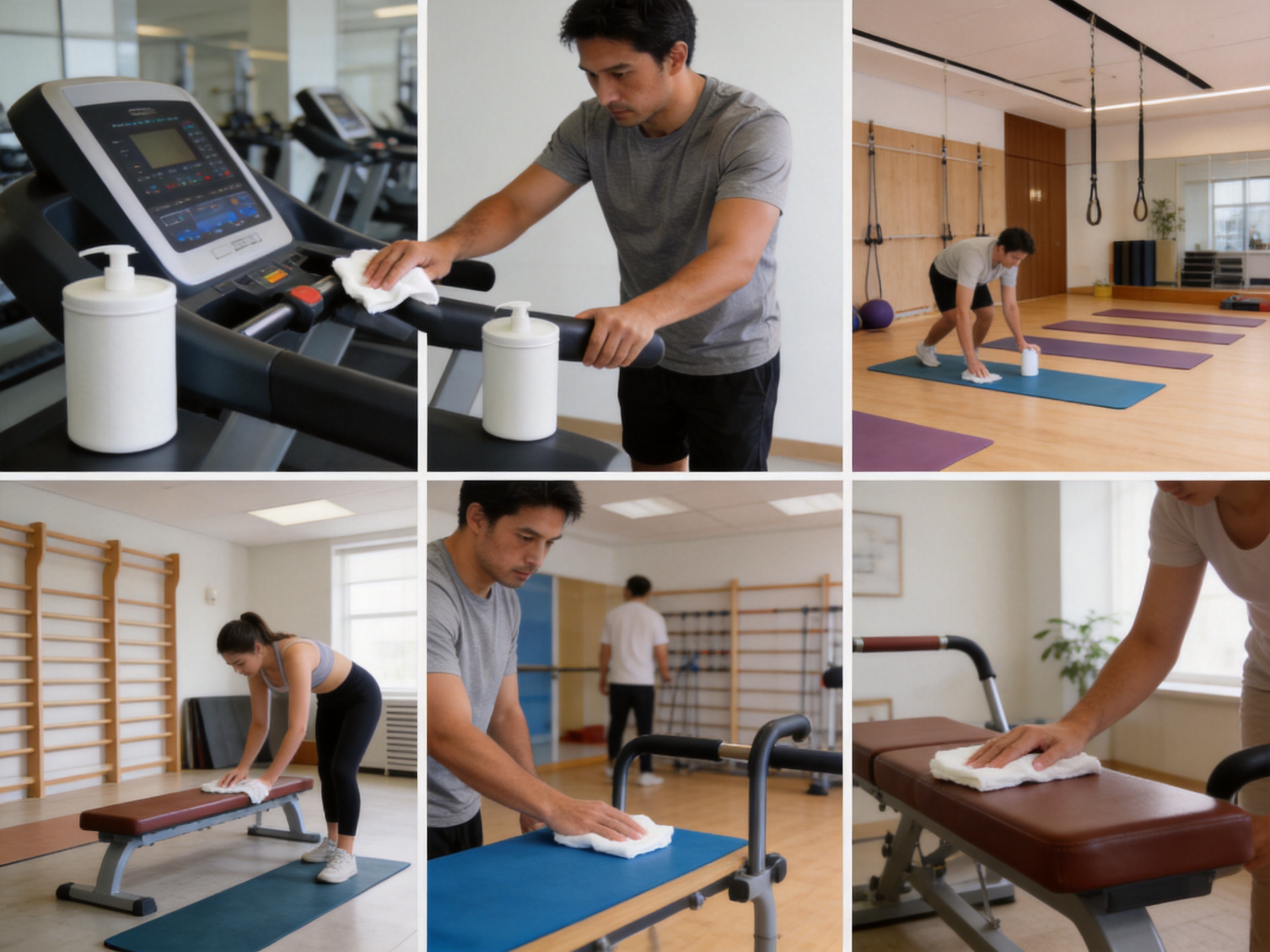
Commercial gyms are the primary environment for gym disinfectant wipes. They include cardio machines, benches, strength machines, free weights, cable handles, touch screens, lockers, and reception areas. A facility may place wipe canisters throughout the floor to encourage users to clean before and after workouts. This improves visible hygiene and reduces pressure on staff during peak hours.
Boutique Studios
Yoga, Pilates, cycling, boxing, dance, and functional training studios often rely on shared mats, handlebars, resistance equipment, reformers, blocks, straps, and small accessories. These items may be used in back-to-back classes. Wipes help instructors and participants reset the space quickly between sessions. The ability to choose fragrance is especially useful for boutique studios, where atmosphere and brand identity are important.
Schools and Universities
School gyms, athletic departments, and university recreation centers serve large populations. Disinfectant wipes can be placed near weight rooms, athletic training areas, and shared equipment. Custom packaging can include school colors, usage instructions, or facility hygiene reminders. Large canister formats can help reduce replacement frequency.
Hotels and Corporate Wellness Rooms
Hotel gyms and corporate fitness rooms may have less staff supervision than commercial gyms. Wipes provide a simple self-service hygiene tool for guests and employees. A clean, accessible canister sends a message that the facility cares about user wellbeing. Compact canister sizes may be suitable for smaller rooms with limited counter space.
Healthcare-Adjacent Fitness and Rehabilitation Spaces
Physiotherapy centers, rehabilitation gyms, senior wellness programs, and clinical exercise spaces may require more carefully managed cleaning procedures. Disinfectant wipes can support cleaning of suitable surfaces such as therapy tables, equipment handles, and exercise accessories, when used according to facility protocols and product labeling. Unscented options may be preferred in these environments.
Home Gyms
Home fitness areas have grown significantly. Treadmills, stationary bikes, dumbbells, yoga mats, and resistance bands all benefit from routine cleaning. A canister wipe format is convenient because it can be stored near equipment and used immediately after exercise. For households, smaller canisters and pleasant fragrance options may be attractive.
Manufacturing Strength Behind the Product
Product reliability in disinfectant wipes depends on manufacturing discipline. It is not enough to have a promising formula or a soft fabric; the product must be produced consistently at scale. Zhejiang Uniquality Nursing Products Technology Co., Ltd., associated with Kingsafe & Uniquality, has a long foundation in nonwoven materials and hygiene products. Founded in 1987, the company has developed through more than 30 years of growth and has become a recognized enterprise in China’s industrial textile industry.
The company is described as a national high-tech enterprise specializing in research and development, production, and sales of medical and hygienic nonwoven materials, nursing products, and high-end clothing interlining. Its products cover spunlace nonwoven fabrics, spunmelt nonwoven fabrics, hot-air-through nonwoven fabrics, flushable and degradable nonwoven fabrics, wet wipes, dry wipes, baby diapers, pull-ups, wet toilet paper, cleansing wipes, and related categories. This broad portfolio gives the company deep knowledge of fibers, web formation, liquid management, packaging, and hygiene manufacturing.
The company’s headquarters are located in Changxing, Huzhou, within the Yangtze River Delta region, a location known for convenient transportation. It has also established multiple production bases in regions including Foshan in Guangdong, Nantong in Jiangsu, and Wuhan in Hubei. A multi-base production structure supports capacity, supply stability, and flexible service for domestic and international customers.
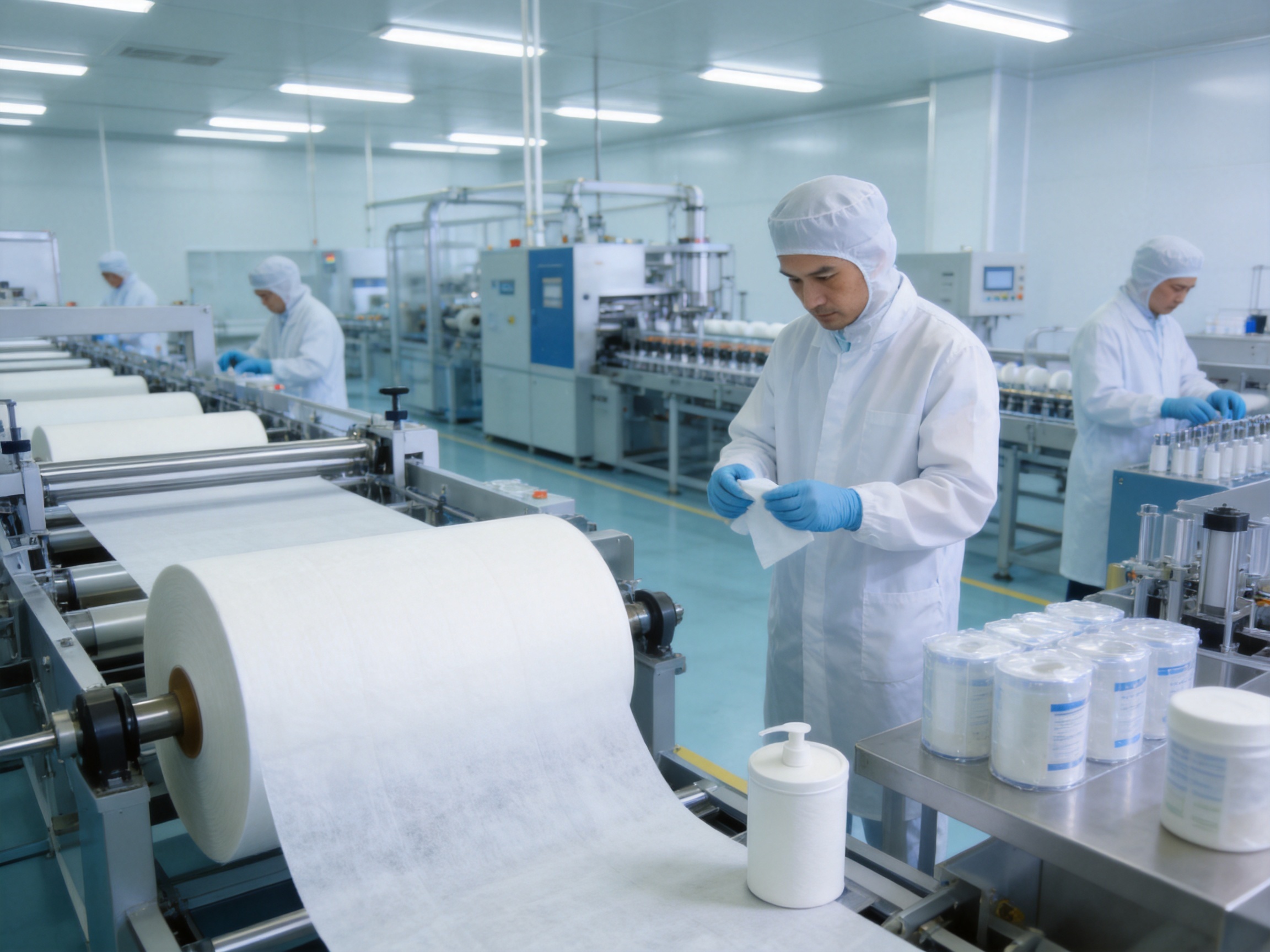
Advanced production equipment and technology from Germany, France, and Italy have been introduced by Kingsafe. This matters because modern nonwoven and wet-wipe production requires precise control of fiber processing, web bonding, cutting, folding or rolling, liquid dosing, packaging, sealing, inspection, and logistics. Better equipment can support higher consistency, improved efficiency, and stronger quality assurance.
The company has ranked among the top nonwovens enterprises in China for many consecutive years and has been listed among the top global nonwovens manufacturers for eight consecutive years according to the supplied company information. This industry recognition supports the company’s credibility as a manufacturing partner for customers who need stable supply and technical expertise.
Advanced Processes That Improve Wipe Quality
Several manufacturing processes influence the performance of gym disinfectant wipes. First is substrate production or selection. The fiber blend must match the intended product level. For a gym wipe, the substrate should carry enough liquid, resist tearing, and deliver suitable surface contact. Fiber composition, web formation, bonding technology, and patterning all contribute to the final result.
Second is solution preparation. The disinfectant solution must be mixed with purified water and appropriate raw materials under controlled conditions. Consistency is essential. If the active component level varies, product performance may vary. If the liquid is not evenly distributed, some wipes may be too wet while others may be too dry. Controlled batching and liquid application help maintain quality.
Third is liquid loading. A wipe must contain enough solution to wet surfaces effectively but not so much that it drips excessively. In gyms, dripping liquid can be inconvenient, wasteful, or undesirable on electronic panels and sensitive equipment areas. Proper saturation helps the wipe feel effective and easy to use.
Fourth is converting. Wipes must be cut to accurate dimensions, wound or stacked properly, and inserted into canisters cleanly. Poor converting can cause uneven sheet size, tearing, dispensing problems, or inconsistent roll tension. Reliable converting equipment helps ensure that users can pull wipes one by one.
Fifth is packaging. Canister seals, lids, and dispensing openings must preserve moisture and prevent leakage during storage and transportation. Packaging also communicates usage instructions, safety guidance, ingredient information, private-label branding, and regulatory details. A strong manufacturer can help customers develop packaging that is both functional and marketable.
Finally, quality control is essential across the production chain. Checks may include raw material inspection, fabric weight verification, liquid content control, appearance inspection, packaging seal checks, microbial control, and finished-product evaluation. In hygiene products, quality cannot be added at the end; it must be built into each production stage.
Customization for OEM and Private-Label Buyers
One of the strongest commercial advantages of these gym disinfectant wipes is the ability to support OEM and private-label customization. Many buyers do not want a generic product. They need a wipe that matches their market segment, price point, packaging identity, and performance expectations. Zhejiang Uniquality Nursing Products Technology Co., Ltd. is positioned as a private-label wipes manufacturer and factory, offering OEM and ODM wet and dry wipes, diapers, and training pants.
For gym wipes, customization can begin with the sheet itself. A buyer may choose a polyester-viscose blend for balanced strength and absorbency, a bamboo or lyocell option for a more naturally positioned product, or a cotton-containing substrate for softness. The gsm can be adjusted to create economy, standard, or premium lines. The size can be selected according to intended use: smaller wipes for handles and screens, larger wipes for benches and mats.
Pattern selection can also support branding. A dot-embossed pattern may communicate cleaning power. A mesh texture may feel more technical. A decorative pattern may suit consumer retail or boutique studios. Even when the disinfectant formula is the core function, the user’s first impression often comes from how the wipe looks and feels.
Fragrance customization is another major advantage. A lemon or fresh scent can create a strong clean impression. Lavender may be suitable for wellness studios. Coconut or cucumber may fit lifestyle-oriented brands. Unscented wipes can target professional, clinical, or fragrance-sensitive environments. This flexibility allows customers to differentiate their product from competitors that offer only one scent.
Packaging customization includes canister size, label design, brand language, carton configuration, and market-specific instructions. A gym chain may want large canisters with bold facility branding. A retailer may want shelf-ready packaging with consumer-friendly claims. A distributor may want multilingual labeling for international markets. The manufacturer’s OEM/ODM experience helps translate these requirements into finished products.
Brand and Company Reliability
For buyers selecting a disinfectant wipe supplier, company reliability is as important as product specification. A low-cost wipe that cannot be supplied consistently, fails in packaging, dries out quickly, or lacks quality documentation can damage a buyer’s reputation. The background of Zhejiang Uniquality Nursing Products Technology Co., Ltd. provides confidence because the company has a long history, a broad product portfolio, and extensive manufacturing capabilities.
Kingsafe & Uniquality has developed brands and product lines in baby care and female care, including Baby Engergy, Baby's Union, World Brand of Cotonage, Sweetie, U·Care, PureBest, Uniquality Kitty, and Silkpoem. Experience in baby and nursing products is relevant because these categories require attention to softness, skin contact, hygiene, material safety, and consistent production. Although gym disinfectant wipes are surface-focused products, the same manufacturing discipline and material expertise support their quality.
The company’s ability to serve medical, maternal and baby, beauty, home, industrial cleaning, clothing, and other fields reflects a broad technical base. A supplier with experience across multiple hygiene categories can better help customers solve issues such as wipe strength, liquid retention, scent selection, packaging durability, and cost optimization.
Long-term cooperation with well-known domestic and international brands also indicates the ability to meet varied customer requirements. Private-label customers often need confidentiality, responsive communication, stable lead times, technical samples, compliance support, and flexible product development. A mature manufacturer can provide more than production capacity; it can provide a complete supply solution.
Responsible Use and Best Practices
To obtain the best performance from gym disinfectant wipes, users should follow proper cleaning procedures. First, remove heavy visible soil if necessary. A wipe can handle normal sweat and light residue, but thick dirt may require additional cleaning. Second, wipe the surface thoroughly, covering all high-touch areas. Third, allow the surface to remain visibly wet for the recommended contact time according to product labeling. Fourth, let the surface air dry when appropriate. Fifth, discard the used wipe in a proper waste container.
Facilities should place canisters in convenient and visible locations. If wipes are too far away, users are less likely to clean equipment. Signage can help remind members to wipe equipment before and after use. Staff should check canisters regularly to ensure they are not empty or dried out. Lids should be closed after each use to preserve moisture.
It is also important to use disinfectant wipes only on compatible surfaces. Fitness equipment can include screens, painted metal, rubber, vinyl, leather-like coverings, and electronic components. Facility managers should follow both the wipe label and equipment manufacturer recommendations. For sensitive surfaces, testing in an inconspicuous area may be prudent.
Disinfectant wipes should not be treated as a replacement for all cleaning operations. Gyms still need scheduled deep cleaning, floor care, restroom sanitation, laundry procedures, ventilation management, and waste control. Wipes are a powerful tool within a broader hygiene program, especially for frequent touchpoint cleaning between scheduled staff cleaning rounds.
Storage conditions also matter. Canisters should be kept sealed when not in use, stored away from excessive heat, and handled according to product instructions. Proper stock rotation helps ensure older product is used first. For private-label and institutional buyers, clear labeling helps end users understand storage, usage, and disposal instructions.
Sustainability and Material Choices
Disposable wipes provide strong convenience and hygiene benefits, but modern buyers also consider environmental impact. The available material choices, including bamboo, lyocell, cotton, viscose, and polyester, allow different sustainability strategies. Natural or regenerated cellulose fibers may support a more eco-conscious product story, while polyester may improve durability and reduce tearing. The optimal choice depends on the buyer’s priorities, market regulations, cost target, and performance needs.
Flushability should not be assumed for gym disinfectant wipes. Even if a manufacturer produces flushable and degradable nonwoven materials in other categories, disinfectant surface wipes should generally be disposed of in waste bins unless the product is specifically designed and labeled for flushing. Gyms should provide adequate waste containers near wipe stations to prevent improper disposal.
Packaging sustainability can also be considered. Larger canisters may reduce packaging per wipe compared with individually wrapped wipes. Refill systems may be possible in some settings, depending on product design and contamination control requirements. Label materials, carton design, and transport efficiency can also influence environmental footprint.
A responsible supplier can help customers balance hygiene performance, user convenience, cost, and sustainability. In some markets, buyers may prioritize biodegradable fibers. In others, heavy-duty durability and low waste through reduced tearing may be more important. The flexibility of substrate, gsm, and packaging options gives customers room to develop products aligned with their sustainability message.
Market Positioning and Competitive Value
Gym disinfectant wipes occupy a growing market because hygiene expectations have changed. Members increasingly expect fitness facilities to provide accessible cleaning tools. A gym that offers visible, easy-to-use disinfectant wipes communicates professionalism and care. A gym that lacks convenient cleaning supplies may appear outdated or inattentive.
Compared with low-end wipes, this product can be positioned around broad-spectrum bactericidal action, canister convenience, nonwoven expertise, customizable materials, flexible fragrance, and experienced manufacturing. Compared with premium imported brands, it can offer strong OEM/ODM support and manufacturing scale from a company with decades of nonwoven industry experience. This balance of performance and customization is valuable for distributors and private-label brands.
Retail opportunities also exist. Home gym users, families, office wellness rooms, and small studios may purchase disinfectant wipes for routine equipment cleaning. A well-designed canister with clear claims and a pleasant scent can perform well as a consumer product. Private-label buyers can create different product tiers, such as basic unscented wipes, premium embossed wipes, eco-oriented bamboo wipes, or heavy-duty commercial wipes.
The product also supports institutional sales. Schools, hotels, corporate campuses, rehabilitation centers, sports clubs, and public recreation centers can all benefit from convenient wipe systems. Large buyers often need stable supply, consistent specifications, and the ability to customize packaging or carton quantities. The company’s multiple production bases and extensive manufacturing background help address these needs.
Frequently Asked Questions
What are gym disinfectant wipes used for?
They are used to clean and disinfect suitable surfaces in fitness and wellness environments. Common targets include exercise machines, benches, free-weight handles, yoga mats, locker room touchpoints, reception counters, and shared accessories. Users should follow the product label and equipment manufacturer guidance.
What is the active bactericidal component?
The supplied product information identifies benzalkonium chloramine as the bactericidal component. It is described as a broad-spectrum bactericide that works by disrupting bacterial cytoplasmic substances and interfering with microbial metabolism.
Which microorganisms are mentioned in the product information?
The product information states that the wipes can effectively kill Escherichia coli, Staphylococcus aureus, Candida albicans, and Pseudomonas aeruginosa. It also states a sterilization rate of 99.9% under appropriate conditions.
Why choose canister wipes instead of spray bottles?
Canister wipes are faster and easier to use. They combine the wipe and disinfecting solution in one ready-to-use product, reducing the need for separate towels and helping prevent cross-contamination from reusable cloths. They also encourage gym members to clean equipment more consistently.
Can the wipes be customized for private label?
Yes. Customization options include material, gsm, sheet size, pattern, fragrance, piece count, and packaging design. This makes the product suitable for gym chains, distributors, retailers, hotels, schools, and other buyers seeking OEM or ODM solutions.
What materials are available for the wipe substrate?
Available material options include polyester, viscose, bamboo, lyocell, and cotton. These can be selected or blended according to desired strength, absorbency, softness, cost, and sustainability positioning.
What wipe sizes are available?
The product information lists widths from 12 to 22 cm and lengths from 12 to 30 cm. Smaller sizes may suit handles and compact equipment, while larger sizes are useful for benches, mats, and broad surfaces.
Are fragrance options available?
Yes. Options include unscented, fresh, lavender, lemon, lotus, fruit, coconut, cucumber, and other fragrances. Unscented versions are useful for fragrance-sensitive environments, while fresh or citrus scents can reinforce a clean impression.
Are these wipes only for commercial gyms?
No. They are suitable for many environments, including home gyms, boutique studios, school fitness rooms, hotel gyms, corporate wellness rooms, rehabilitation spaces, and general shared exercise areas.
How should facilities encourage proper use?
Facilities should place canisters in visible, convenient locations, provide waste bins nearby, use reminder signage, train staff, and ensure lids remain closed when not in use. Users should wipe surfaces thoroughly and allow the surface to remain wet according to label instructions.
Conclusion
Gym disinfectant wipes are an essential hygiene tool for today’s fitness environments. They provide a practical combination of cleaning action, bactericidal performance, user convenience, and visible reassurance. By using benzalkonium chloramine as the bactericidal component and a customizable nonwoven substrate as the carrier, these canister wipes are designed to meet the needs of commercial gyms, studios, schools, hotels, workplaces, rehabilitation spaces, and home users.
The product’s key advantages include ready-to-use canister dispensing, broad material and size options, multiple patterns, flexible fragrance choices, and a stated 99.9% sterilization rate under appropriate conditions. Compared with spray-and-towel systems, they are easier to use and reduce reusable cloth concerns. Compared with generic wet wipes, they provide a more targeted hygiene solution for shared equipment and high-touch surfaces.
The manufacturing strength behind the product is equally important. Zhejiang Uniquality Nursing Products Technology Co., Ltd., connected with Kingsafe & Uniquality, brings decades of experience in nonwoven materials and hygiene products. With advanced equipment and technology introduced from Germany, France, and Italy, multiple production bases, broad product coverage, and OEM/ODM capabilities, the company offers more than a single wipe product. It offers a complete manufacturing platform for private-label and institutional buyers seeking dependable disinfectant wipes.
As hygiene expectations continue to rise, facilities and brands need products that are effective, convenient, customizable, and supported by experienced manufacturing. Gym disinfectant wipes in canister format meet these requirements and provide a strong solution for safer, cleaner, and more professional shared fitness spaces.
References
Rutala, W. A., Weber, D. J., and Healthcare Infection Control Practices Advisory Committee. Guideline for Disinfection and Sterilization in Healthcare Facilities.
McDonnell, G. Antisepsis, Disinfection, and Sterilization: Types, Action, and Resistance. ASM Press.
Block, S. S. Disinfection, Sterilization, and Preservation. Lippincott Williams & Wilkins.
International Organization for Standardization. ISO standards related to nonwoven materials, hygiene products, and quality management systems.
European Disposables and Nonwovens Association. Guidance documents on nonwovens, absorbent hygiene products, and wipe applications.
World Health Organization. Cleaning and disinfection guidance for environmental surfaces in public and healthcare-related settings.