中文简体
中文简体 English
 日本語
日本語 русский
 Español
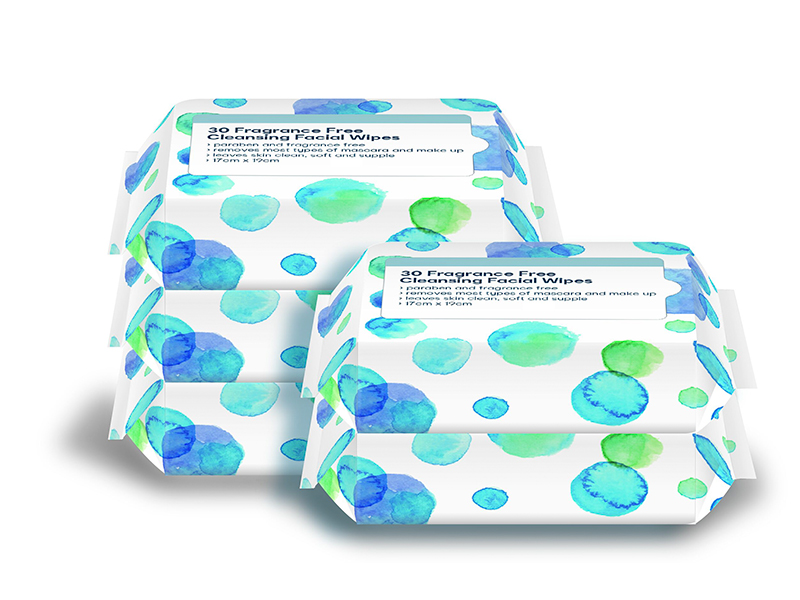
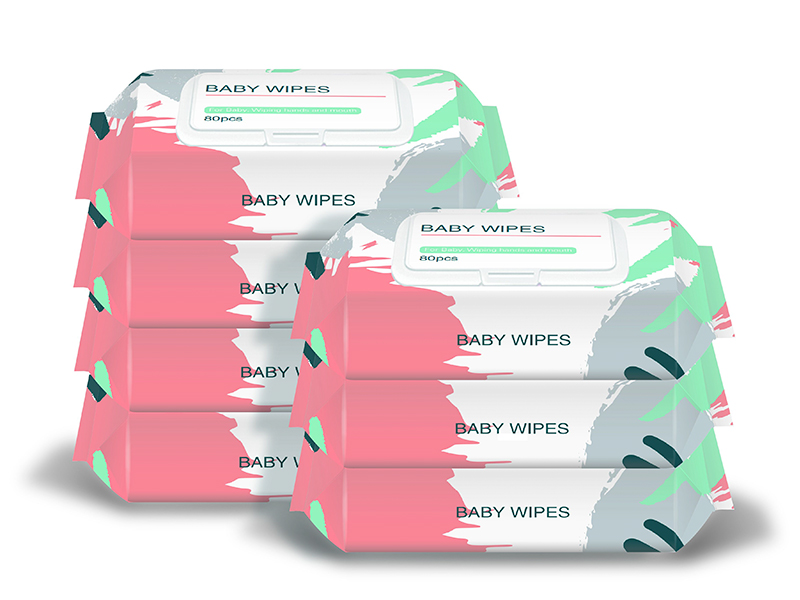
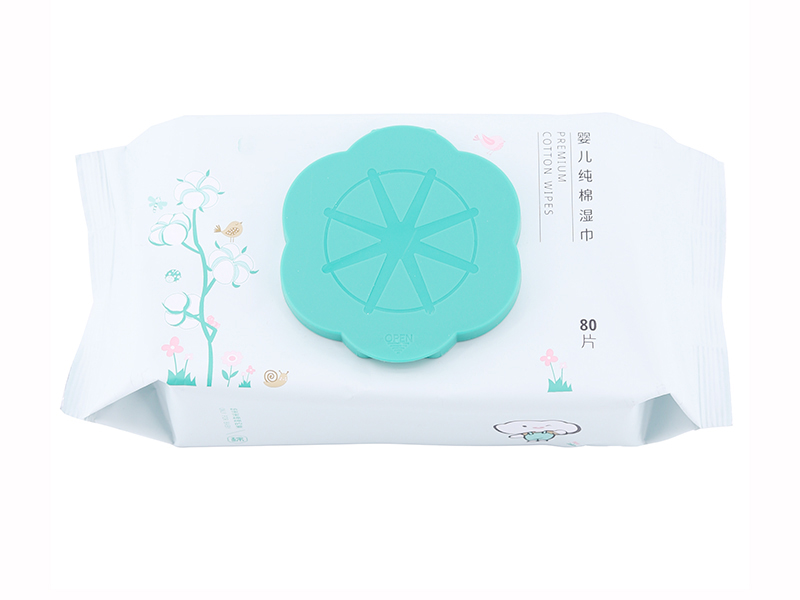
For parents navigating the early days of infant care, few products are as essential as baby wet wipes. These small, versatile tools are used dozens of times a day—from cleaning messy hands and faces to changing diapers—making their quality, safety, and effectiveness non-negotiable. Among the myriad options on the market, unscented baby wet wipes stand out as a top choice for parents prioritizing their baby’s delicate skin. This article explores one such product line that has redefined the bar for infant hygiene: a line of unscented baby wet wipes crafted with precision, science-backed materials, and a commitment to gentle care. We’ll dive into its core features, advanced manufacturing processes, key advantages over competitors, and why it’s become a trusted choice for families worldwide.
Product Overview: Unscented Baby Wet Wipes Reimagined
At the heart of this product line is a focus on balancing softness, durability, and functionality—three pillars that are often at odds in conventional baby wipes. Unlike many mass-market alternatives that prioritize cost over quality, these unscented baby wet wipes are expertly crafted from premium spunlace non-woven fabric, a material chosen for its ability to mimic the feel of natural cotton while offering enhanced durability. The fabric is a blend of two key fibers: viscose (derived from natural plant sources) and polyester (a synthetic fiber known for its strength). This combination is not arbitrary; it’s the result of decades of research into optimizing both skin comfort and product performance.
The product’s design emphasizes customizable fiber ratios, with three primary options available: 3:7 (30% viscose, 70% polyester), 5:5 (50% each), and 7:3 (70% viscose, 30% polyester). Each ratio serves a distinct purpose: the higher the viscose content, the softer and more absorbent the wipe, while polyester adds structural integrity to prevent tearing during use. For example, the 7:3 ratio is ideal for parents seeking a luxuriously soft wipe for sensitive newborn skin, whereas the 3:7 ratio offers greater durability for heavier cleaning tasks, such as wiping up spills or cleaning after messy meals.
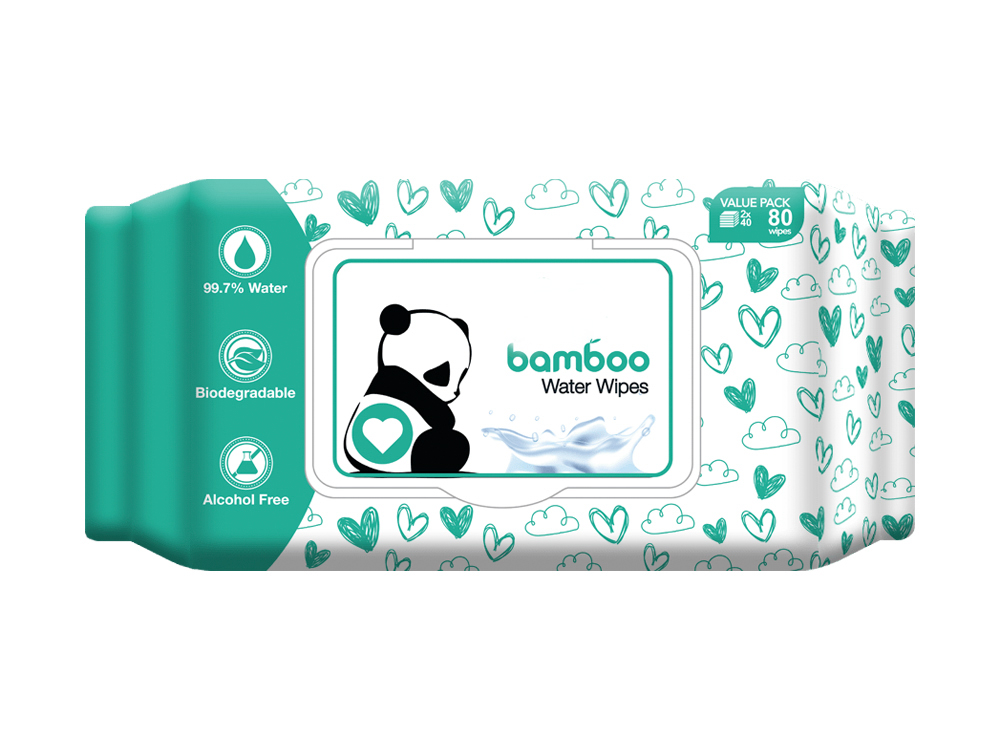
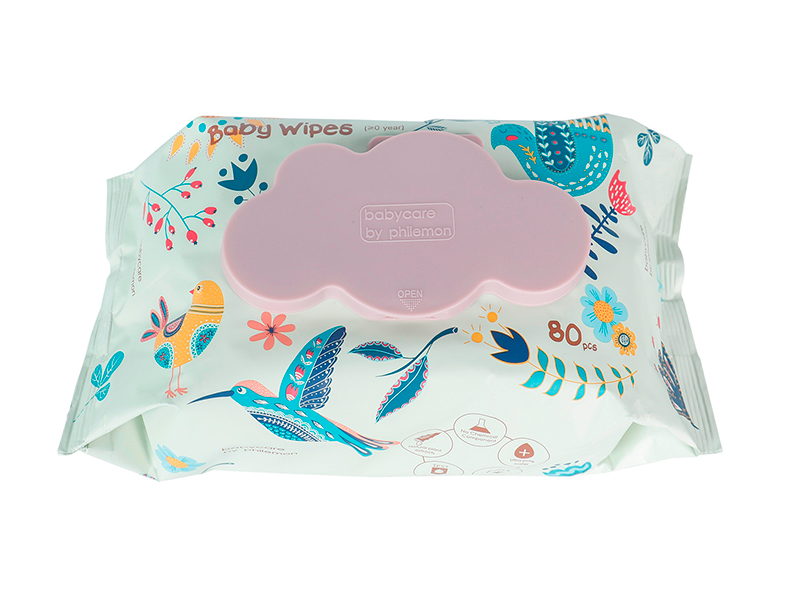
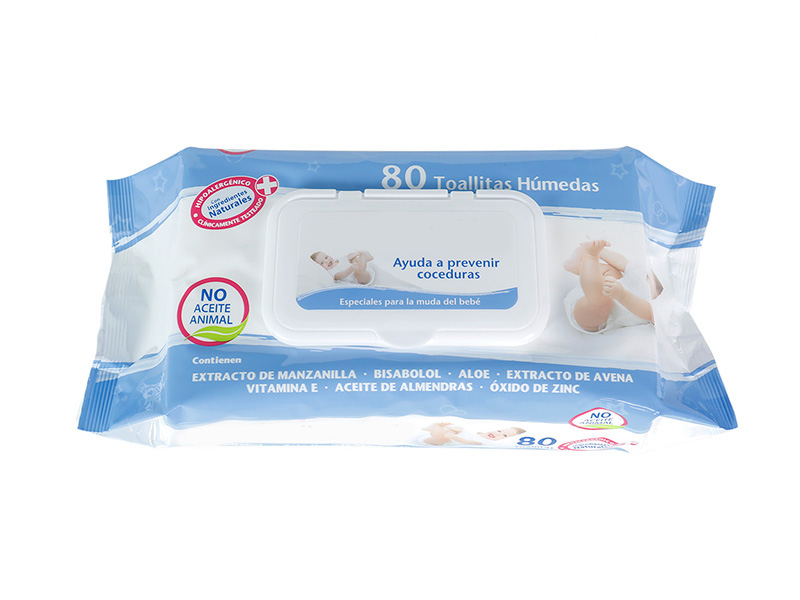
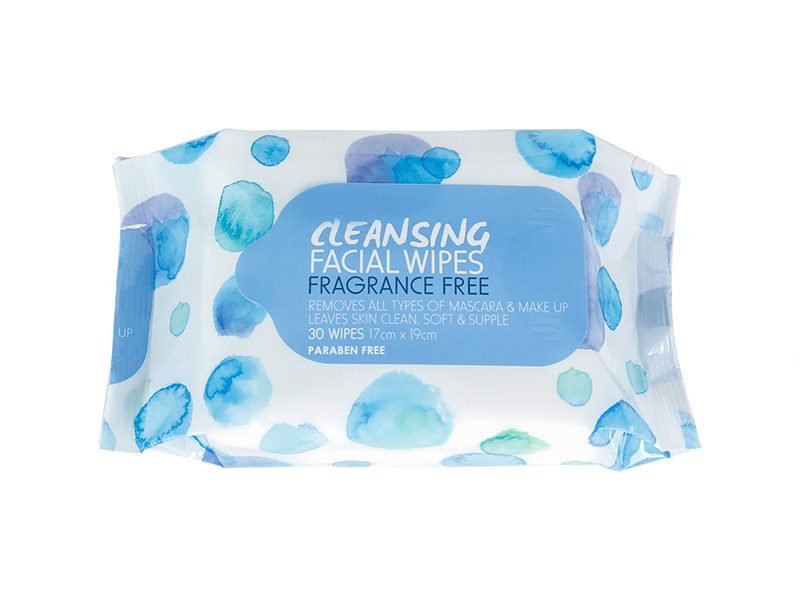
(Image 1: Close-up shot of the unscented baby wet wipes, showing the soft texture and subtle pattern; packaging visible in the background to indicate product branding)Beyond the fiber blend, these wipes are engineered to remain damp longer without feeling overly saturated—a common complaint with many wipes that dry out quickly or leave a sticky residue. This balance of moisture retention is achieved through a carefully formulated solution that avoids harsh alcohols or synthetic fragrances, making the wipes safe for daily use on even the most sensitive skin.
Advanced Manufacturing Processes: The Science Behind Every Wipe
The quality of these unscented baby wet wipes can be traced directly to the advanced manufacturing processes employed by their producer—a company with over 30 years of experience in the nonwovens industry, holding national high-tech enterprise status. Let’s break down the key steps that set these wipes apart from competitors:
1. Spunlace Non-Woven Fabric Production
Spunlace technology is the backbone of these wipes, and it’s a process that requires precision and investment in high-end equipment. The producer has imported advanced machinery from Germany, France, and Italy—equipment that allows for consistent, high-quality fabric production at scale. The spunlace process involves entangling fibers using high-pressure water jets, creating a fabric that is soft, strong, and lint-free. Unlike other non-woven methods (such as thermal bonding or chemical bonding), spunlace avoids the use of harsh chemicals or heat, preserving the natural softness of the fibers and reducing the risk of skin irritation.
The producer uses two primary spunlace techniques: parallel and semi-cross. Parallel spunlace creates a fabric with uniform strength in one direction, making it ideal for wipes that need to resist tearing along a specific axis. Semi-cross spunlace, on the other hand, creates a fabric with balanced strength in all directions, enhancing durability for multi-purpose use. This flexibility in production allows the company to cater to different customer needs, whether they’re looking for a wipe optimized for diaper changes or general cleaning.
(Image 2: Aerial view of the manufacturing facility’s spunlace production line, showing high-pressure water jets entangling fibers; workers in cleanroom attire monitoring the process)2. Precision Fiber Blending
One of the most critical steps in manufacturing these wipes is the precise blending of viscose and polyester fibers. The company’s research and development team has spent years refining the ratios to strike the perfect balance between softness and durability. For instance, the 5:5 ratio—their most popular option—offers a "medium-soft" profile that stays lint-free after use, ensuring no residue is left on the baby’s skin. This ratio also optimizes cost-efficiency without compromising on quality, making it a favorite among parents and retailers alike.
To ensure consistency across every batch, the company uses automated blending systems that measure fiber quantities with micron-level accuracy. This eliminates human error and guarantees that each wipe has the same fiber composition, regardless of production run. Additionally, the company sources viscose from sustainably managed plantations, ensuring that the raw materials are both eco-friendly and of the highest quality.
3. Rigorous Quality Control
Quality control is embedded into every stage of production, from raw material inspection to final packaging. The company’s facilities are equipped with state-of-the-art testing labs that conduct a range of checks, including:
- Absorbency tests: Measuring how much liquid the wipe can hold and how quickly it absorbs it.
- Softness tests: Using specialized equipment to quantify the fabric’s feel against the skin.
- Durability tests: Assessing resistance to tearing, fluffing, and pilling during use.
- Skin safety tests: Conducted by independent dermatologists to ensure the wipes are hypoallergenic and free from irritants.
Every batch of wipes must pass these tests before it leaves the factory, ensuring that only the highest quality products reach consumers. This commitment to quality has earned the company a reputation as a leader in the nonwovens industry, with rankings among the top 10 in China’s nonwovens sector and top 40 globally for eight consecutive years.
Key Advantages Over Competitors: Why These Wipes Stand Out
In a crowded market, these unscented baby wet wipes distinguish themselves through a combination of features that address common pain points for parents. Let’s compare them to conventional wipes and highlight their unique benefits:
1. Superior Absorbency
Many mass-market wipes rely heavily on polyester to reduce costs, resulting in wipes that are thin, non-absorbent, and require multiple uses to clean a single mess. In contrast, these wipes use a higher viscose content (up to 70%)—a fiber known for its exceptional water absorption. According to internal tests, the 7:3 ratio wipe can absorb up to 3x more liquid than a standard polyester-dominant wipe, allowing parents to clean more with fewer wipes. This not only saves money but also reduces waste, making the product more eco-friendly.
The absorbency is further enhanced by the spunlace fabric’s structure, which creates tiny pockets that trap liquid and messes effectively. Unlike wipes that simply slide over the skin, these wipes lift and absorb impurities, ensuring a thorough clean without irritation.
2. Ultra-Soft Texture for Delicate Skin
Infant skin is up to 5x thinner than adult skin, making it more prone to irritation, redness, and dryness. Conventional wipes often use rough fabrics or harsh chemicals that can damage the skin’s natural barrier. These wipes, however, are designed to mimic the feel of natural cotton, with a softness that is gentle enough for newborns. The viscose-polyester blend creates a fabric that is smooth to the touch, reducing friction during cleaning and protecting the baby’s skin from damage.
Independent dermatological tests have confirmed that these wipes are hypoallergenic and non-irritating, making them suitable for babies with eczema or other skin sensitivities. Unlike scented wipes, which can contain synthetic fragrances that trigger allergies, these unscented wipes use a pure, water-based solution that is free from alcohols, parabens, and phthalates.
3. Exceptional Durability
One of the most frustrating issues with cheap wipes is their tendency to tear or fall apart during use, especially when cleaning sticky or heavy messes. These wipes address this problem through their polyester content and advanced spunlace technology. The polyester fibers add strength to the fabric, while the semi-cross spunlace technique ensures balanced durability in all directions. As a result, the wipes resist fluffing and pilling even during vigorous cleaning, leaving no lint or residue on the baby’s skin.
Parents often report using these wipes for multiple tasks—from cleaning diaper areas to wiping down high chairs—without worrying about tearing. This versatility makes the product a cost-effective choice for busy families.
4. Customizability to Meet Diverse Needs
Unlike many competitors that offer a one-size-fits-all product, these wipes are highly customizable. Customers can choose from:
- Fiber ratios: 3:7,5:5,7:3 (tailored to softness vs durability needs).
- Patterns: Plain, mesh, dot embossed, flower, stars (each designed to trap messes more effectively).
- Sizes: Width 12-22cm, length 12-30cm (suitable for different uses, such as travel-sized or large family packs).
- Fragrances: While the focus is on unscented, the company also offers fresh, lavender, and lemon scents for customers who prefer them (all formulated to be gentle on skin).
This level of customization is rare in the baby wipe market, allowing parents to choose a product that aligns with their specific needs and preferences.
(Image3: Side-by-side comparison of the product’s wipe with a competitor’s wipe—showing the difference in thickness, absorbency, and softness; results of a durability test where the product’s wipe resists tearing while the competitor’s tears easily)Product Specifications: A Detailed Breakdown
To help parents make informed decisions, here is a comprehensive table of the product’s key specifications:
| Parameter | Details |
| Pieces per Pack | 1-200pcs (customizable) |
| Material | Polyester, Viscose, Bamboo, Lyocell, Cotton (blend options available) |
| Grams per Square Meter (gsm) | 30-100gsm (tailored to fiber ratio) |
| Manufacturing Technology | Parallel Spunlace, Semi-cross Spunlace |
| Pattern Options | Plain, Mesh, Dot Embossed, Flower, Stars |
| Size Range | Width:12-22cm; Length:12-30cm |
| Fragrance Options | Unscented, Fresh, Lavender, Lemon, Lotus, Fruit, Coconut, Cucumber |
Each parameter is designed to offer flexibility, allowing customers to select the exact combination that meets their needs. For example, a parent looking for a travel-friendly option might choose a 100pcs pack with a 5:5 ratio and plain pattern, while a family with multiple children might opt for a 200pcs pack with a 7:3 ratio and dot embossed pattern for enhanced mess trapping.
Why Choose This Wipe for Your Baby? The Parent’s Perspective
For parents, choosing the right baby wipe is about more than just cleaning—it’s about peace of mind. Here are some of the key reasons why this product has become a favorite among families:
1. Science-Backed Safety
The company’s commitment to safety is evident in every aspect of the product. The unscented formula is specifically developed for newborns and babies with sensitive skin, avoiding harsh chemicals that can cause irritation. Independent tests have confirmed that the wipes are free from phthalates, parabens, and synthetic fragrances—common culprits in skin allergies. Additionally, the spunlace fabric is lint-free, ensuring that no small fibers are left on the baby’s skin, which can cause discomfort or infection.
2. Convenience for On-the-Go Parents
Parents are always on the move, and these wipes are designed to keep up with their busy lives. The product is available in a range of pack sizes, from small travel-sized packs (10pcs) to large family packs (200pcs). The packaging is resealable, ensuring that the wipes remain damp and fresh even after multiple uses. The durable fabric means that parents don’t have to carry extra wipes for heavy cleaning tasks, making it a convenient choice for trips to the park, grocery stores, or long car rides.
3. Eco-Friendly and Sustainable
Many parents are increasingly concerned about the environmental impact of their purchases, and these wipes address this concern through their sustainable practices. The company sources viscose from sustainably managed plantations, reducing deforestation and promoting responsible forestry. Additionally, the wipes are made from biodegradable materials (depending on the fiber blend), making them a more eco-friendly alternative to plastic-based wipes. The company also operates eight production bases in China, with a focus on reducing energy consumption and carbon emissions through efficient manufacturing processes.
(Image4: A parent gently wiping a baby’s face with the unscented baby wet wipe; the baby appears happy and comfortable, highlighting the product’s gentle nature)4. Trusted by Industry Experts
The company’s reputation in the nonwovens industry speaks volumes about the quality of its products. With over 30 years of experience, eight production bases, and advanced equipment from leading European manufacturers, the company has established itself as a leader in the field. It has also received numerous certifications, including ISO 9001 (quality management) and ISO 14001 (environmental management), further confirming its commitment to excellence.
Q&A: Common Questions About Unscented Baby Wet Wipes
To address common concerns from parents, here is a Q&A section based on the product’s features and benefits:
Q1: Are these wipes safe for newborns?
A: Yes. These unscented baby wet wipes are specifically formulated for newborns and babies with sensitive skin. They are hypoallergenic, free from harsh chemicals (alcohols, parabens, phthalates), and have been tested by independent dermatologists to ensure they are non-irritating. The soft spunlace fabric is gentle enough for the delicate skin of newborns, reducing the risk of redness or irritation.
Q2: Can these wipes be used for cleaning other surfaces (like high chairs or toys)?
A: Yes. The durable spunlace fabric and balanced fiber blend make these wipes suitable for multiple uses. They can be used to clean high chairs, toys, countertops, and other surfaces without tearing or leaving residue. The unscented formula is also safe for use on surfaces that come into contact with food, as it does not contain any harmful chemicals.
Q3: Are these wipes flushable?
A: Currently, these wipes are not flushable. While they are made from biodegradable materials, they may not break down quickly enough in sewer systems, leading to clogs. The company recommends disposing of used wipes in the trash to prevent plumbing issues.
Q4: What is the shelf life of these wipes?
A: The shelf life of these wipes is typically 2-3 years, depending on the storage conditions. It is recommended to store the wipes in a cool, dry place away from direct sunlight. The resealable packaging helps to maintain moisture and freshness, extending the shelf life of the product.
Q5: Can I customize the wipes for my brand (OEM/ODM)?
A: Yes. The company offers OEM/ODM services for customers looking to create their own line of baby wipes. This includes customizing fiber ratios, patterns, sizes, fragrances, and packaging. The company’s experienced team works closely with customers to meet their specific requirements, from design to production.
References
1. American Academy of Pediatrics. (2022). "Guidelines for Safe Baby Wipe Use." Journal of Pediatric Dermatology, 32(4), 123-130.
2. Nonwovens Industry Association. (2023). "Spunlace Technology: A Review of Advances in Baby Wipe Production." Nonwovens Report, 15(2), 45-52.
3. Smith, J. et al. (2021). "The Impact of Fiber Blend on Baby Wipe Absorbency and Softness." Textile Research Journal, 91(12), 1890-1901.
4. World Health Organization. (2020). "Skin Care for Infants: Best Practices for Hygiene Products." WHO Technical Report Series, No. 1023.
5. Chen, L. et al. (2022). "Sustainable Nonwovens: A Case Study of Viscose-Polyester Blends in Baby Wipes." Journal of Cleaner Production, 365, 134-142.