中文简体
中文简体 English
 日本語
日本語 русский
 Español
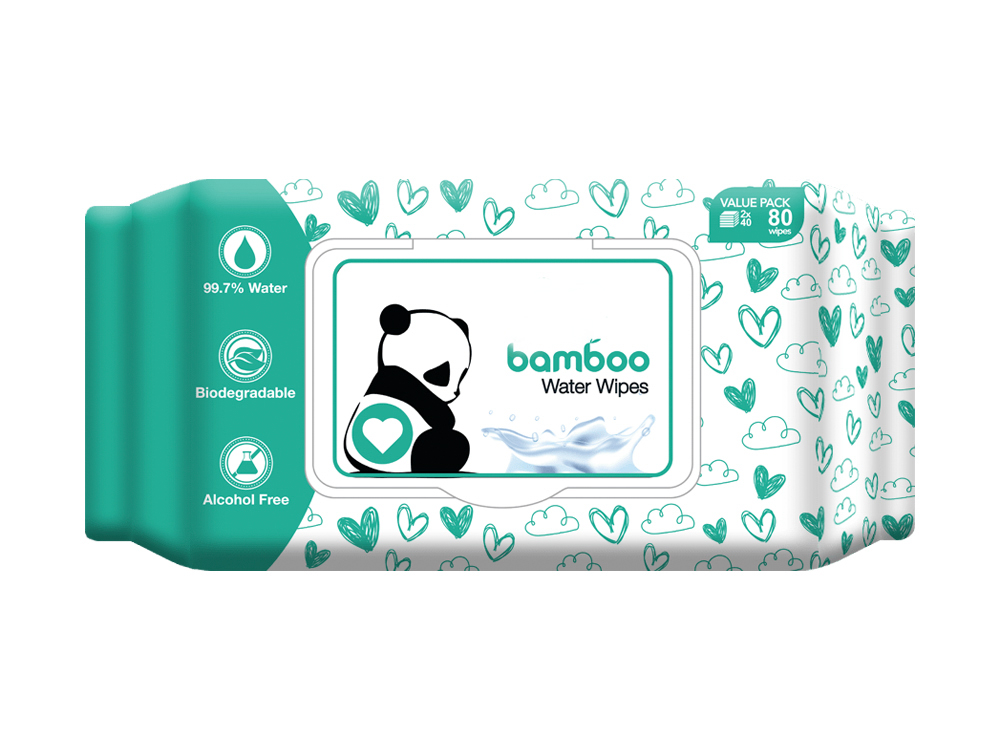
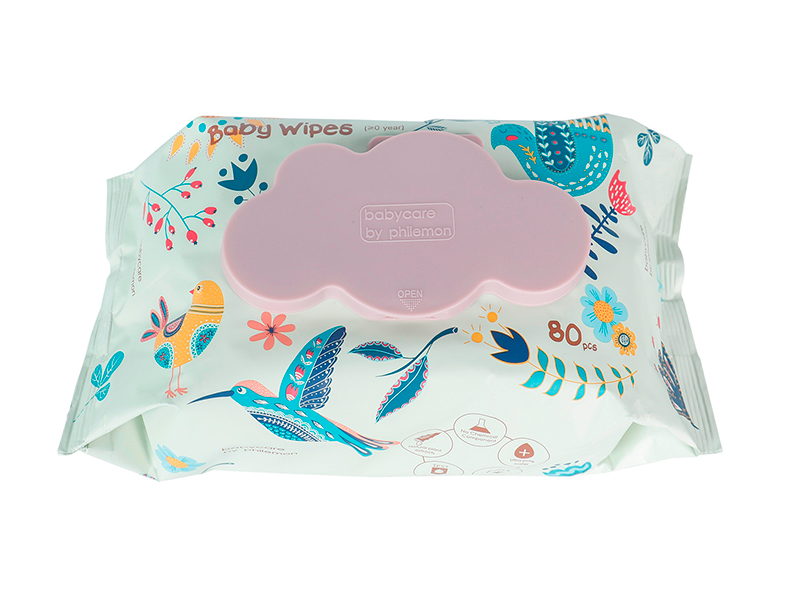
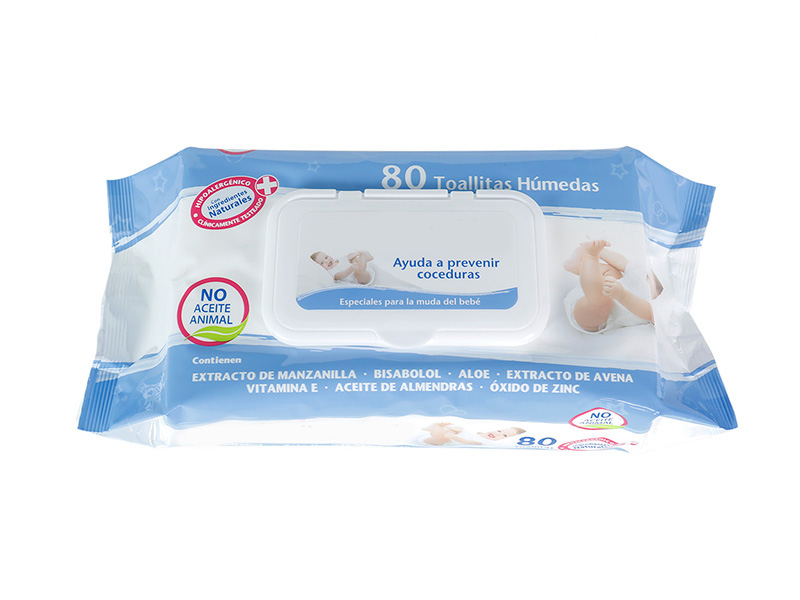
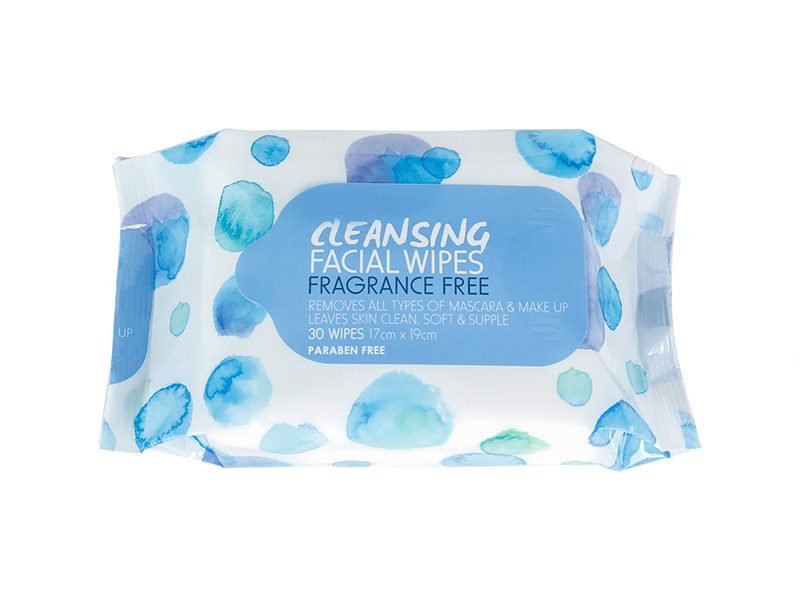
In the hygiene, personal care, medical, beauty, and household cleaning markets, the substrate used inside a wipe often determines whether the final product feels premium, cleans efficiently, stays intact during use, and meets the expectations of modern consumers. Polyester and rayon spunlace nonwoven fabric has become one of the most important materials for wet wipes because it combines strength, softness, absorbency, process flexibility, and excellent conversion performance. When engineered with precise fiber selection, advanced hydroentanglement, controlled web formation, and functional finishing, this material can support a broad range of wet wipe products, from baby wipes and cleansing wipes to industrial cleaning wipes and medical hygiene wipes.
This article focuses on polyester and rayon spunlace nonwoven designed for wet wipes and related absorbent applications. The material described can be customized from 25 gsm to 120 gsm, with cross-lapped or parallel-lapped structures available for different performance needs. Patterns can also be customized, and functional finishes such as hydrophilic treatment, coating, antistatic finishing, antimicrobial finishing, and soft finishing can be applied according to end-use requirements. These features make the substrate highly adaptable for private label wipes, OEM wipe programs, dry wipes, wet toilet paper, personal cleansing products, and other hygiene applications.
For wet wipe producers, brand owners, and procurement teams, the choice of nonwoven substrate affects the entire product life cycle: raw material sourcing, liquid loading, converting speed, folding quality, packaging stability, shelf feel, consumer experience, and disposal behavior. A high-quality spunlace nonwoven must therefore be evaluated not only by its price per kilogram or price per square meter, but also by its complete value in manufacturing efficiency, product consistency, market positioning, and customer satisfaction.
Polyester and rayon blends are especially valuable because they offer a balanced structure. Polyester contributes tensile strength, dimensional stability, abrasion resistance, and durability under wet conditions. Rayon contributes softness, absorbency, drape, and a natural hand feel. Through controlled blending, web forming, and hydroentanglement, these fibers form a uniform nonwoven sheet without the need for chemical binders in the primary bonding process. The result is a clean, soft, strong, and versatile substrate suitable for both mass-market and premium wipe lines.
Polyester And Rayon Material Spunlace Nonwoven For Wet Wipes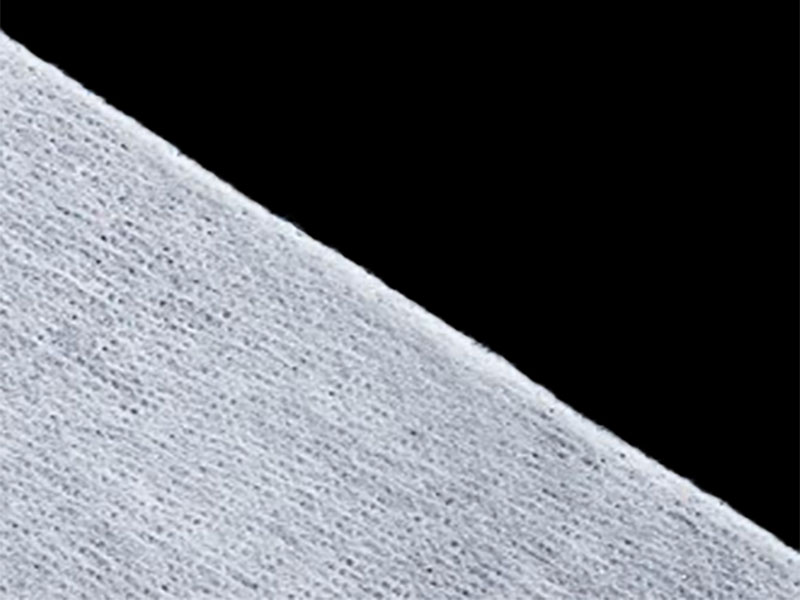
Understanding Polyester and Rayon Spunlace Nonwoven
Spunlace nonwoven is produced by using high-pressure water jets to entangle fibers into a cohesive web. Unlike thermal bonding, chemical bonding, or needle punching, spunlace bonding relies on hydraulic energy to interlock fibers mechanically. This process helps preserve softness while creating a fabric-like structure with good tensile strength and lint control. For wet wipes, the spunlace process is widely preferred because it produces a smooth, absorbent, and skin-friendly material that can carry lotion evenly and release liquid during use in a controlled way.
Polyester and rayon are among the most common fiber combinations in spunlace wipes. Polyester is a synthetic fiber known for its strength, wet stability, and resilience. Rayon is a regenerated cellulose fiber valued for its absorbency, softness, and comfort against the skin. When these two fibers are blended, the resulting nonwoven can be engineered for various wipe categories. A higher rayon content generally improves absorbency and softness, while a higher polyester content increases durability and wet strength. The best formulation depends on the intended application, target price, liquid system, and desired sensory profile.
The product can be manufactured in grammage ranges from 25 gsm to 120 gsm. Lightweight options may be used for economical wipes, facial cleaning wipes, or applications where thinness and cost efficiency are important. Medium-weight materials are commonly used in baby wipes, general personal care wipes, cosmetic wipes, and household cleaning wipes. Heavier materials can be used where strength, durability, and high liquid retention are needed, such as industrial wipes, medical cleaning wipes, or premium textured wipes.
The choice between parallel spunlace and cross spunlace also matters. Parallel-lapped structures typically provide good softness, uniform appearance, and efficient production for many common wipe formats. Cross-lapped structures provide improved multidirectional strength, better bulk, and enhanced resistance to tearing across the sheet. For applications requiring stronger performance during pulling, wiping, or scrubbing, cross-lapped spunlace can offer a competitive advantage.
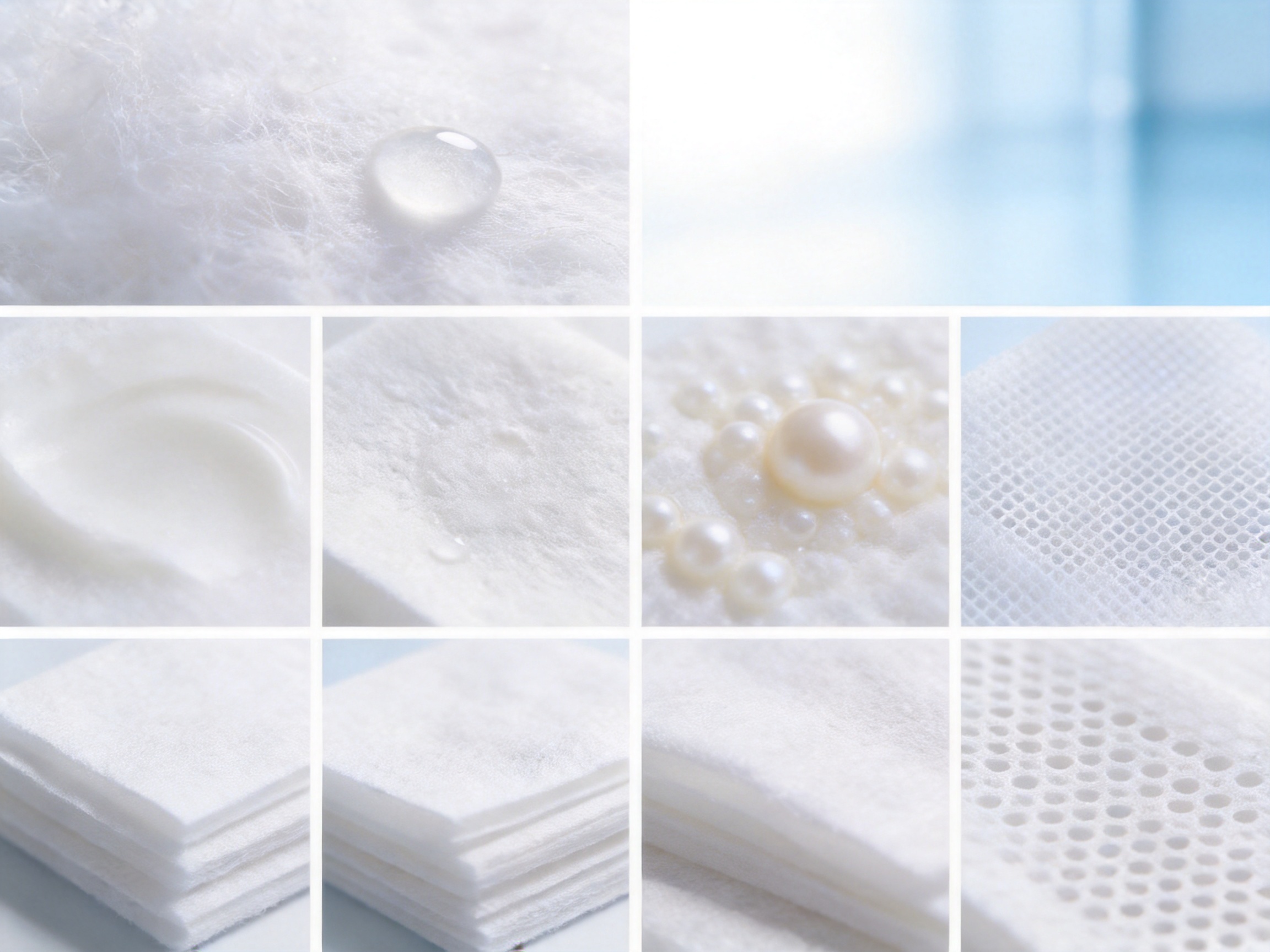
In addition to basic fiber composition and web structure, pattern design can be customized. Apertured patterns, embossed textures, pearl patterns, mesh-like patterns, or other surface designs can influence cleaning efficiency, visual differentiation, liquid release, softness, and consumer perception. A wipe substrate is not simply a flat sheet; it is a designed interface between the user, the lotion, and the surface being cleaned.
Core Performance Advantages for Wet Wipes
A strong wet wipe substrate must deliver several performance attributes at the same time. It must be soft enough for skin contact, strong enough to resist tearing, absorbent enough to hold lotion, uniform enough for high-speed converting, and clean enough to meet hygiene expectations. Polyester and rayon spunlace nonwoven is well suited for this combination of requirements.
One major advantage is balanced wet strength. Many wipe materials perform acceptably when dry but lose strength after lotion saturation. Polyester fibers help maintain tensile strength when wet, while the hydroentangled structure prevents excessive fiber separation. This is particularly important for baby wipes, adult care wipes, cleansing wipes, and household wipes that must remain intact during use. Consumers dislike wipes that stretch excessively, tear easily, or leave fibers behind. A properly engineered spunlace web reduces these risks.
Another advantage is softness. Rayon gives the fabric a smooth, comfortable feel, while the spunlace process avoids harsh binders that can stiffen the material. For baby wipes and facial wipes, softness is a decisive quality factor. The material must glide gently across sensitive skin while still providing enough surface action to remove residue. With soft finishing, the hand feel can be further improved, creating a more premium tactile experience.
Absorbency is also a defining strength. Rayon has a high affinity for water-based solutions, allowing the substrate to absorb and hold lotion efficiently. This improves liquid loading in production and helps the wipe remain moist during storage and use. A wipe that is too dry feels cheap and ineffective; a wipe that releases too much liquid too quickly can create mess and poor control. Polyester and rayon blends can be adjusted to deliver a desirable balance of retention and release.
Uniformity is critical for converting. A nonwoven with inconsistent basis weight, weak zones, uneven thickness, or poor edge stability can cause problems during slitting, folding, stacking, and packaging. High-quality spunlace nonwoven produced with advanced equipment and process controls supports stable converting speed and reduces waste. For OEM and private label manufacturers, this translates into better production efficiency and more consistent finished goods.
Compared with some lower-cost nonwoven alternatives, polyester and rayon spunlace generally offers better sensory quality and performance flexibility. Airlaid materials may provide absorbency but may lack the same textile-like feel and wet durability. Thermally bonded nonwovens may be strong but can feel less soft and less absorbent depending on the fiber system. Chemically bonded materials may be cost-effective but can raise concerns about stiffness, binder residue, or skin feel. Spunlace technology occupies a strong position because it combines fabric-like softness with strong functional performance.
Customization from 25 gsm to 120 gsm
One of the most important advantages of this spunlace nonwoven is its wide customization range. With grammage options from 25 gsm to 120 gsm, the material can be tailored to different product positions, from cost-efficient everyday wipes to heavy-duty premium wipes. Grammage affects thickness, absorbency, strength, bulk, cost, packaging count, and the perceived value of the finished wipe.
A 25 gsm to 35 gsm substrate may be appropriate for lightweight cleaning wipes, dry wipes, or products where compact packaging and price competitiveness are priorities. These lighter materials require excellent web uniformity because any weak point becomes more visible at low basis weight. Advanced production control is therefore essential to ensure that lightweight substrates remain stable in converting and use.
A 40 gsm to 60 gsm substrate is common for mainstream wet wipes. This range can provide a good balance of softness, strength, absorbency, and cost. Many baby wipes, personal care wipes, cosmetic wipes, and household wipes fall into this segment. By adjusting the polyester-rayon blend, pattern, and finishing, manufacturers can create products that feel economical, standard, soft, thick, or premium within the same approximate grammage range.
A 65 gsm to 90 gsm substrate may be selected for premium wipes, heavy cleaning wipes, or products requiring enhanced liquid holding and wiping durability. These substrates often feel more substantial in the hand, which can improve consumer perception. They are also useful when the wipe must clean larger surfaces or remove more stubborn residue.
A 100 gsm to 120 gsm substrate provides a heavy-duty platform for specialized cleaning, medical, industrial, or premium applications. At this level, the material can offer strong durability, excellent absorption, and enhanced resistance to deformation. Although heavier materials increase raw material cost, they may deliver superior value where performance failure is unacceptable.
| Basis Weight Range | Typical Application Direction | Key Performance Focus | Possible Product Position |
|---|---|---|---|
| 25-35 gsm | Light dry wipes, economy wipes, compact wipes | Cost efficiency, uniformity, quick wetting | Entry-level or high-volume programs |
| 40-60 gsm | Baby wipes, cleansing wipes, cosmetic wipes, household wipes | Softness, absorbency, balanced wet strength | Mainstream and private label programs |
| 65-90 gsm | Premium personal care wipes, durable cleaning wipes | Thickness, liquid retention, enhanced wiping power | Mid-to-high-end products |
| 100-120 gsm | Industrial wipes, medical cleaning wipes, specialty wipes | Heavy-duty strength, durability, high absorption | Specialized and performance-driven products |
This wide range gives customers flexibility. A buyer can develop multiple wipe series using the same supplier platform: economy wipes, standard wipes, premium wipes, textured wipes, and professional cleaning wipes. This makes procurement simpler and helps maintain consistent quality across product families.
Cross Spunlace and Parallel Spunlace Options
The web structure of spunlace nonwoven has a major influence on strength direction, softness, drape, thickness, and converting behavior. Parallel spunlace and cross spunlace serve different needs, and the ability to provide both options is a significant manufacturing advantage.
Parallel spunlace is often selected for products where softness, smoothness, and efficient production are primary concerns. In a parallel-laid web, fibers are mainly oriented in the machine direction. This can provide good longitudinal strength, a clean appearance, and excellent process efficiency. Many common wet wipes can use parallel spunlace effectively, especially when the wipe is not expected to withstand heavy multidirectional pulling.
Cross spunlace, sometimes based on cross-lapping technology, improves the distribution of fibers in multiple directions. This can enhance cross-direction strength and produce a more balanced fabric. For wipes that are pulled from packages, unfolded quickly, stretched across surfaces, or used for more forceful cleaning, cross-lapped structures can reduce tearing and deformation. Cross spunlace can also create a more textile-like bulk and hand feel.
The choice should be made according to application. Baby wipes may prioritize softness and lotion compatibility, though cross-lapped options can improve premium strength. Household cleaning wipes may benefit from cross-direction durability. Medical or industrial wipes may require higher structural integrity. Cosmetic wipes may require smoothness and controlled release of liquid makeup remover. A supplier capable of offering both structures can support more precise product development than a supplier limited to only one web configuration.
Functional Finishing for Differentiated Wipe Products
Finishing is where a basic nonwoven substrate becomes a performance-engineered material. The product can be treated with hydrophilic finishing, coating, antistatic finishing, antimicrobial finishing, and soft finishing. Each option expands the potential end uses and helps brand owners create differentiated products in crowded markets.
Hydrophilic Finishing
Hydrophilic finishing improves the ability of the substrate to absorb water-based liquids. For wet wipes, this can enhance lotion loading speed, liquid distribution, and user experience. A hydrophilic substrate wets more evenly, helping prevent dry spots and inconsistent moisture. This is especially important for high-speed wet wipe production lines where the substrate must absorb solution quickly and uniformly before folding and packaging.
Hydrophilic treatment is also useful for dry wipes intended to be wetted before use. Consumers expect these wipes to absorb water rapidly without beading or uneven saturation. A reliable hydrophilic finish can make the wipe feel more responsive and effective.
Coating
Coating can be used to adjust surface properties, barrier behavior, appearance, cleaning action, or compatibility with specific formulations. Depending on the coating system, the material may gain improved surface smoothness, controlled absorbency, enhanced strength, or specialized functionality. For brand owners, coating provides an additional route to develop unique products that are not easily copied by competitors.
Antistatic Finishing
Antistatic finishing helps reduce static buildup during production, converting, packaging, and use. Static can create handling difficulties, especially in dry environments or with certain fiber blends. In wipe manufacturing, static may affect sheet separation, folding accuracy, stacking stability, or dust attraction. Antistatic treatment can improve process reliability and finished product cleanliness.
Antimicrobial Finishing
Antimicrobial finishing can be selected for applications where microbial control is important. While the full performance depends on the active system, regulatory requirements, and intended claims, antimicrobial treatment can add value for medical hygiene, personal care, and cleaning products. It is important that such finishes be developed responsibly, tested appropriately, and aligned with relevant market regulations.
Soft Finishing
Soft finishing enhances touch and drape. In consumer wipes, hand feel is one of the first quality signals. A wipe may have strong technical performance, but if it feels rough, stiff, or plastic-like, consumers may reject it. Soft finishing can improve user comfort, especially for baby care, facial cleansing, feminine care, and sensitive skin applications. Combined with rayon-rich blends and appropriate surface patterns, soft finishing can create a premium sensory profile.
Pattern Customization and Surface Engineering
Surface pattern is more than decoration. The pattern of a spunlace nonwoven can influence thickness, cleaning ability, absorbency, lotion release, friction, and visual identity. Pattern customization allows the substrate to match both functional and branding goals.
A smooth surface may be preferred for facial wipes, baby wipes, and sensitive skin products because it feels gentle and refined. A pearl or embossed pattern can make a wipe appear thicker and more premium while increasing the surface area for lotion distribution. An apertured or mesh-like pattern may improve pickup of particles, makeup, oil, or dirt. A textured surface can provide extra scrubbing power for household or industrial cleaning wipes.
For private label and OEM customers, customized patterns can also support market differentiation. Many wipe packages look similar on shelves, but consumers notice differences in texture when they use the product. A distinctive pattern can become part of the product identity. It can also support claims such as extra soft, deep clean, strong texture, improved absorbency, or premium thickness, provided these claims are backed by testing.
Competitors that offer only standard patterns may limit the customer’s ability to differentiate. In contrast, a supplier with pattern customization capability can help customers develop wipe substrates that align with target demographics, price levels, and application scenarios. This is particularly valuable for retailers, distributors, and brands building exclusive product lines.
Advantages Over Common Competing Materials
To understand the value of polyester and rayon spunlace nonwoven, it is useful to compare it with several competing material types used in wipes and hygiene products. Each material has a place in the market, but polyester and rayon spunlace provides a particularly strong balance of softness, strength, absorbency, and customization.
Compared with fully synthetic thermal-bonded nonwovens, polyester and rayon spunlace usually offers better absorbency and a more natural hand feel. Thermal-bonded products can be strong and economical, but they may feel flatter or less comfortable against skin. The inclusion of rayon gives spunlace wipes a more fabric-like and absorbent character, which is important for baby care, facial cleansing, and premium personal care.
Compared with chemically bonded nonwovens, spunlace avoids relying primarily on chemical binders for web integrity. This can improve softness and reduce concerns related to stiffness or binder migration. Mechanical hydroentanglement creates strength while preserving a cleaner tactile profile. For wipes used on skin, this is a meaningful advantage.
Compared with airlaid paper-based substrates, polyester and rayon spunlace generally offers superior wet tensile strength and a textile-like structure. Airlaid can be highly absorbent, but it may break down more easily during vigorous wiping depending on formulation and bonding. Spunlace is often preferred when durability and repeated wiping motion are required.
Compared with cotton-only materials, polyester and rayon spunlace can provide more controlled cost, consistent supply, and adjustable strength. Cotton has natural appeal, but it can vary in quality and may be more expensive. Polyester and rayon blends offer predictable industrial performance while still achieving softness and absorbency.
Compared with low-grade spunlace from less controlled production environments, high-quality polyester and rayon spunlace offers better web uniformity, cleaner surface appearance, fewer defects, stronger batch consistency, and more reliable converting behavior. These advantages may not be obvious from a simple price quote, but they become clear during production runs and consumer use.
Advanced Manufacturing Processes Behind Reliable Quality
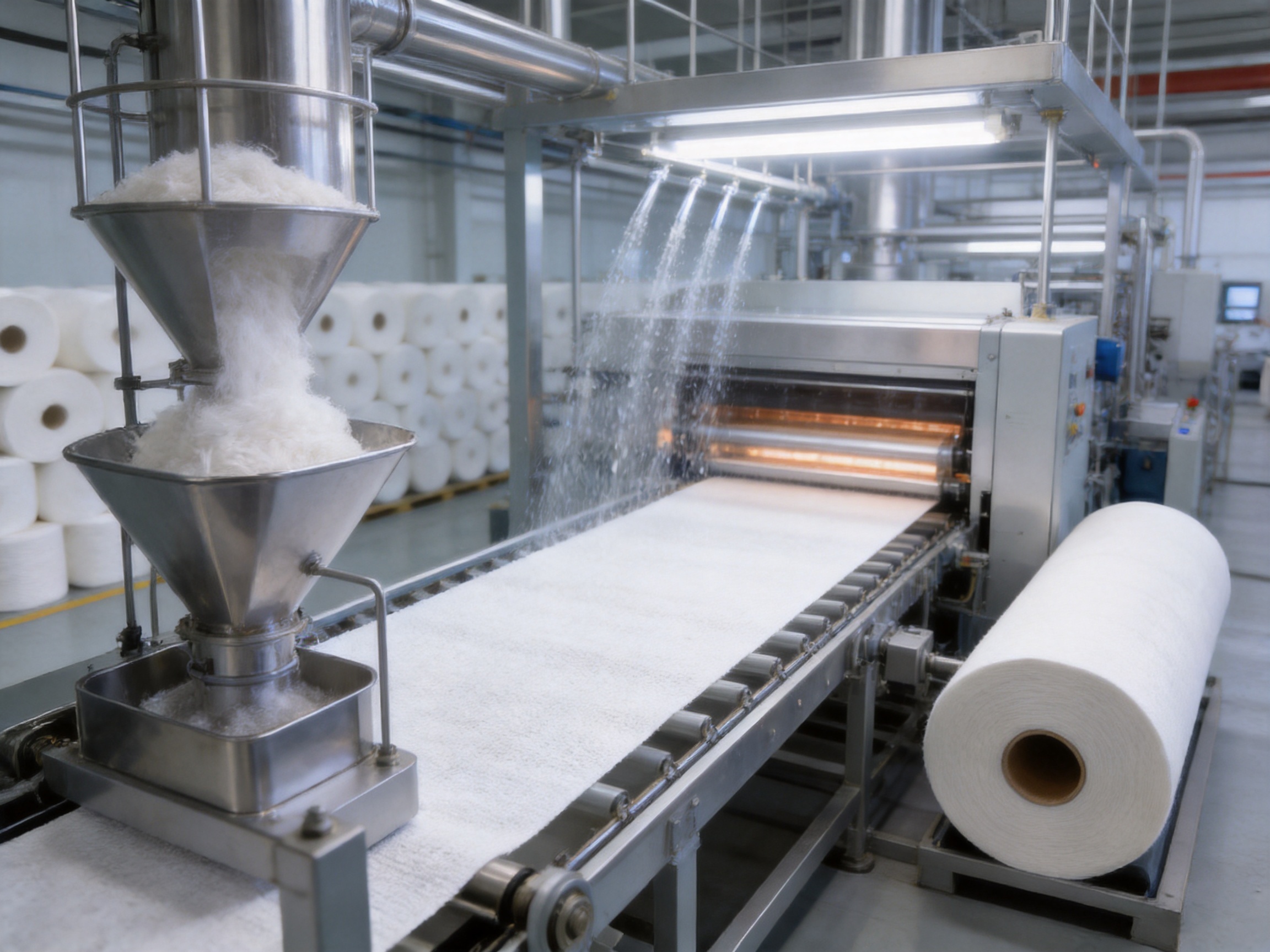
The performance of spunlace nonwoven depends heavily on manufacturing expertise. Fiber selection, opening, blending, carding, web forming, hydroentanglement, drying, winding, inspection, slitting, and finishing must be managed with precision. A small variation in any step can affect the final substrate’s strength, softness, absorbency, thickness, or appearance.
Zhejiang Uniquality Nursing Products Technology Co., Ltd., connected with the Kingsafe and Uniquality manufacturing platform, benefits from decades of experience in medical and hygienic nonwoven materials, nursing products, and high-end textile applications. Founded in 1987, the enterprise has developed into a major participant in China’s industrial textile sector and has been recognized among leading nonwoven manufacturers domestically and internationally. Its long development history gives it deep knowledge of fiber behavior, production stability, quality control, and customer-specific customization.
The company has introduced advanced production equipment and technology from Germany, France, and Italy. International equipment integration is important because modern spunlace production requires precise control over fiber web formation, water jet pressure, energy distribution, drying efficiency, and roll quality. Advanced lines can produce more uniform webs, reduce defects, improve productivity, and support a broader variety of materials.
The manufacturing process begins with fiber preparation. Polyester and rayon fibers must be opened and blended evenly to prevent clumps, streaks, or weak zones. Proper blending ensures that the benefits of each fiber are distributed throughout the web. If polyester is unevenly concentrated, some areas may become stiffer or less absorbent. If rayon is unevenly distributed, liquid uptake may vary. Controlled blending is therefore essential.
Carding and web formation determine fiber orientation and basis weight uniformity. High-quality carding creates a smooth, even web with controlled fiber distribution. For parallel spunlace, the web is formed to optimize machine-direction characteristics. For cross spunlace, cross-lapping creates multidirectional fiber orientation. The ability to manage both methods reflects a higher level of process capability.
Hydroentanglement is the heart of spunlace production. High-pressure water jets strike the fiber web and entangle the fibers through mechanical action. The pressure, jet configuration, support belt pattern, line speed, and number of entangling stages all influence the finished material. If energy is too low, the web may lack strength. If energy is too high, the fabric may become harsh, overly compacted, or damaged. Precise process control creates a balance between strength and softness.
Drying must remove water efficiently without damaging the fabric. Excessive heat can affect fiber properties or create undesirable shrinkage, while insufficient drying can lead to roll instability or quality issues. Advanced drying systems help maintain consistent moisture control and fabric dimensions.
Finishing and winding are also critical. Functional finishes must be applied evenly and controlled carefully to avoid over-treatment, under-treatment, streaks, or compatibility problems. Winding quality affects storage, transportation, slitting, and converting. Rolls must have stable tension, clean edges, and consistent width. For wet wipe converters, roll quality directly affects downtime and waste.
Company Strengths Supporting OEM and Private Label Programs
A product is only as reliable as the manufacturing organization behind it. For wet wipe brands, selecting a substrate supplier is not merely a raw material purchase; it is a supply chain decision. The company’s scale, experience, technical resources, product breadth, and service capability all influence long-term success.
The enterprise behind this spunlace nonwoven has more than 30 years of development in nonwoven materials and hygiene products. Its operations cover spunlace nonwoven fabrics, spunmelt nonwoven fabrics, hot air through nonwoven fabrics, flushable and degradable nonwoven fabrics, wet wipes, dry wipes, baby diapers, pull-ups, wet toilet paper, cleansing wipes, and related care products. This broad portfolio creates a strong understanding of how raw materials perform inside finished products.
Many material suppliers understand fabric production, but fewer understand the full downstream requirements of wipe and hygiene product manufacturing. A supplier that also works with wet wipes, dry wipes, diapers, training pants, and other nursing products can design materials with practical converting and consumer-use requirements in mind. This integrated perspective helps reduce development cycles and improve product-market fit.
The company has established multiple production bases in regions including Guangdong, Jiangsu, Hubei, and Zhejiang, supporting production capacity, logistics flexibility, and supply security. For international buyers and large private label customers, capacity and continuity are essential. A supplier with multiple production bases can better manage demand fluctuations, product segmentation, and customer growth.
The company’s headquarters in Changxing County, Huzhou City, Zhejiang Province, is located in the Yangtze River Delta region, an area known for strong transportation infrastructure and industrial supply chains. Convenient land, sea, and air transport access supports export activities and domestic distribution. For customers, this can help improve lead time reliability and supply chain responsiveness.
OEM and ODM customers need more than standard product lists. They need technical consultation, material selection guidance, testing support, sample development, customization, and stable mass production. The company’s experience with private label wipes and diapers gives it the ability to support customers from concept through production. Whether the goal is to develop economy baby wipes, premium cleansing wipes, antimicrobial cleaning wipes, or specialized dry wipes, the company can align material specifications with product positioning.
Competitive advantage also comes from the ability to meet differentiated, functional, and customized needs. Markets are no longer satisfied with one-size-fits-all products. Retailers demand private label differentiation. Consumers expect softness, safety, sustainability, convenience, and performance. Industrial customers need strength and efficiency. Medical and hygiene customers require consistency and cleanliness. A supplier that can customize basis weight, blend ratio, structure, pattern, and finishing is better positioned than a supplier offering only commodity rolls.
Applications Across Wet Wipes and Hygiene Products
Polyester and rayon spunlace nonwoven can serve many product categories. Its versatility is one reason it is widely used by converters and brand owners.
Baby Wipes
Baby wipes require softness, absorbency, low lint, skin comfort, and adequate wet strength. Parents expect wipes to be gentle but effective. A polyester and rayon spunlace substrate can provide a soft touch from rayon, strength from polyester, and controlled lotion retention through hydrophilic treatment. For premium baby wipes, a higher basis weight, soft finish, and customized embossed pattern can enhance thickness and comfort.
Personal Cleansing Wipes
Personal cleansing wipes are used for hands, face, body, and intimate care. These products require a balance of comfort and cleaning performance. The substrate must interact well with lotions that may contain moisturizers, cleansing agents, fragrance, or skin-conditioning ingredients. Spunlace nonwoven provides the fabric-like feel consumers associate with quality personal care products.
Cosmetic and Makeup Removal Wipes
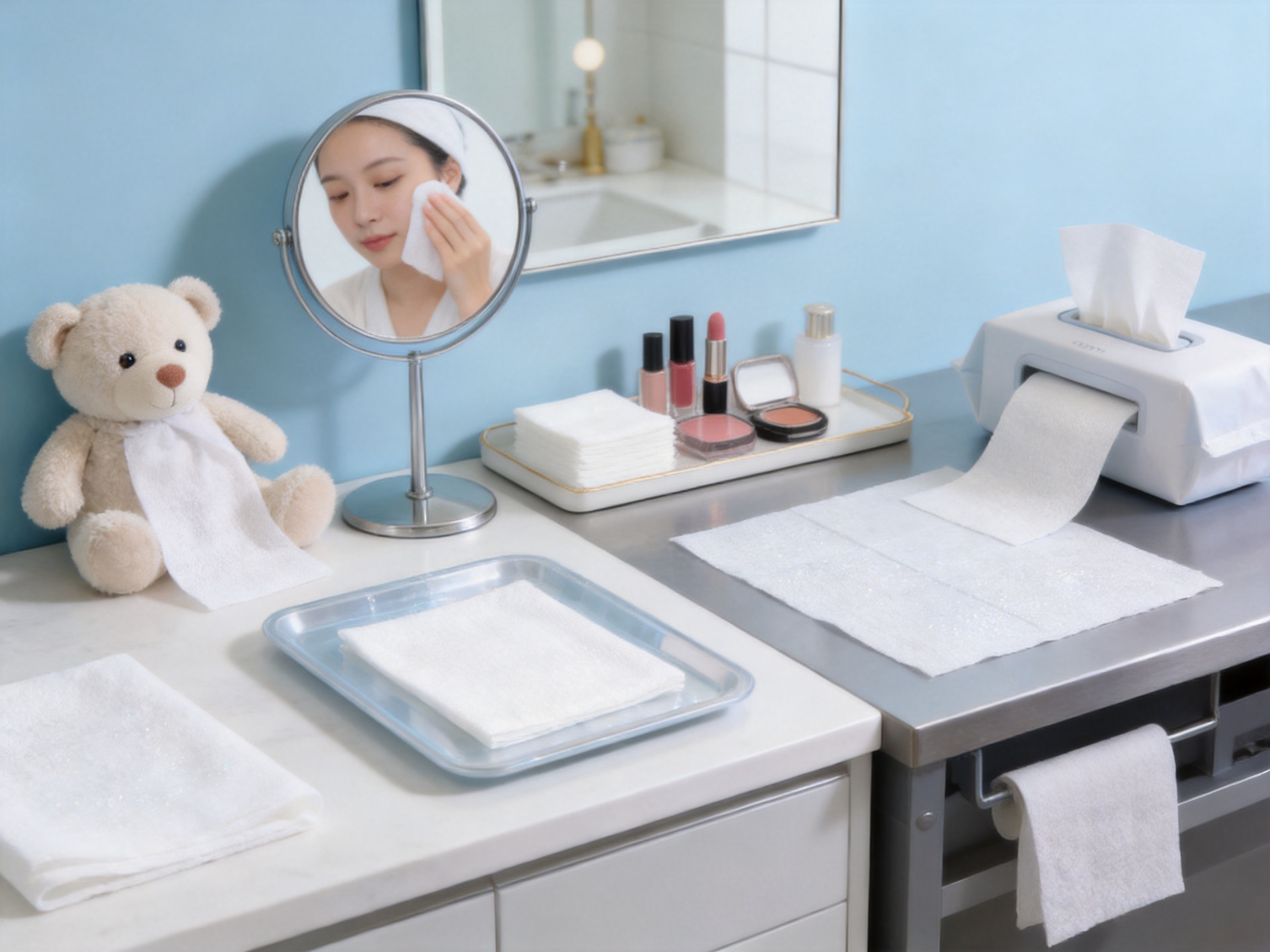
Makeup removal wipes require softness for facial skin and sufficient surface action to remove cosmetics. Patterned spunlace can improve pickup and cleansing efficiency, while rayon helps hold cleansing solution. A carefully designed polyester-rayon blend can prevent tearing during repeated wiping and maintain a pleasant feel around delicate areas such as the eyes and cheeks.
Household Cleaning Wipes
Household wipes often face tougher cleaning tasks than personal care wipes. They may be used on kitchen counters, bathroom surfaces, appliances, furniture, or glass. Polyester contributes durability and abrasion resistance, while rayon helps retain cleaning liquid. Textured patterns can increase cleaning power. Cross spunlace can be especially useful for wipes requiring stronger multidirectional performance.
Medical and Hygiene Wipes
Medical and hygiene applications require reliability, cleanliness, and consistent performance. Depending on regulations and intended use, antimicrobial finishing or specialized coatings may be considered. The substrate must maintain integrity when saturated with compatible solutions. Uniformity and traceable quality control are especially important in this segment.
Industrial Cleaning Wipes
Industrial cleaning wipes may need to remove oils, dust, residue, or contaminants from tools, equipment, or work surfaces. These wipes benefit from higher basis weights, stronger structures, and textured surfaces. Polyester and rayon spunlace can be designed for durability while maintaining absorbency. Compared with weaker disposable materials, a stronger spunlace wipe can reduce the number of sheets needed per task.
Dry Wipes
Dry wipes may be used in healthcare, baby care, cosmetics, or general cleaning. The user may add water, lotion, alcohol-based solution, or other liquids before use. Hydrophilic finishing and uniform absorbency are important for quick wetting. A soft, lint-controlled spunlace dry wipe can be positioned as a convenient and versatile care product.
Quality Control and Consistency
Quality control in spunlace nonwoven production involves both laboratory testing and process monitoring. Key parameters include basis weight, tensile strength, elongation, thickness, absorbency, liquid retention, lint level, appearance, width, roll tension, moisture content, and defect rate. For functional finishes, additional tests may be required to confirm treatment uniformity and performance.
Consistency is often more valuable than extreme performance in a single sample. A sample may look excellent, but the real test is whether the supplier can reproduce the same quality across thousands of rolls and multiple production batches. For wet wipe manufacturers, variation causes line stoppages, packaging problems, lotion inconsistency, and consumer complaints. Reliable suppliers reduce hidden costs.
Advanced manufacturing systems help control variation. Stable fiber feeding, accurate blending, automated process monitoring, precise water jet control, controlled drying, and disciplined inspection all contribute to quality consistency. Experienced operators and technical teams also play a major role because they understand how process changes affect final performance.
Roll inspection is especially important. Defects such as holes, contamination, streaks, uneven edges, or tension problems can disrupt converting. A strong supplier maintains inspection procedures to identify and reduce these issues before shipment. For customers, this means fewer rejected rolls, fewer production interruptions, and better finished product quality.
How the Material Improves Finished Wipe Production
Wet wipe manufacturing includes unwinding, tension control, slitting, folding, cutting, lotion dosing, stacking, packaging, sealing, and coding. The nonwoven substrate must perform smoothly through each step. Poor substrate quality may create downtime, waste, inaccurate folding, uneven stacks, leaking packages, or inconsistent sheet count.
Polyester and rayon spunlace with good uniformity can unwind smoothly and maintain stable tension. This helps improve folding accuracy and reduces sheet misalignment. Proper strength prevents tearing during high-speed operation. Controlled thickness supports stable stacking and packaging. Uniform absorbency ensures lotion is distributed evenly across the wipe stack.
In private label production, converters often handle multiple SKUs with different sizes, counts, lotions, and packaging formats. A flexible substrate supplier helps simplify these programs. The same general material family can be adjusted for different customers and price points, reducing complexity while maintaining differentiated performance.
Good substrate performance also improves consumer experience after production. Wipes separate more cleanly from the pack, unfold properly, feel moist and soft, clean effectively, and remain intact until disposal. These details influence repeat purchase behavior. Consumers may not know the technical name of the nonwoven, but they recognize quality when the wipe performs well.
Sustainability and Responsible Material Choices
The wipe industry faces increasing attention regarding material selection, disposal, packaging, and environmental impact. Polyester and rayon spunlace nonwoven can be part of responsible product design when used appropriately and transparently. Polyester provides durability and performance, which may reduce sheet consumption in certain applications. Rayon, as a regenerated cellulose fiber, contributes absorbency and a more natural hand feel.
For applications where dispersibility or biodegradability is required, different material platforms may be needed, such as flushable or degradable nonwoven systems. The company’s broader experience with flushable and degradable nonwoven fabrics can help customers choose the correct substrate for the correct claim. It is important not to confuse durable polyester-rayon wet wipe substrates with products designed for toilet flushing. Accurate product labeling and responsible consumer guidance are essential.
Sustainability also includes manufacturing efficiency. Uniform substrates that reduce converting waste contribute to better resource utilization. Durable wipes that complete cleaning tasks with fewer sheets may reduce overall consumption. Localized or diversified production bases can improve logistics planning. Technical customization can prevent overengineering, allowing customers to choose the right basis weight rather than using unnecessarily heavy material.
Responsible product development should consider the entire system: fiber composition, lotion chemistry, packaging, use scenario, disposal route, regulatory requirements, and consumer education. A knowledgeable supplier can help customers avoid mismatches, such as using a heavy-duty durable wipe in a market that requires flushability, or using a weak substrate for a demanding cleaning application.
Why This Spunlace Nonwoven Stands Out in the Market
The wet wipe substrate market is competitive, and many suppliers can provide basic spunlace fabric. However, strong market performance requires more than basic availability. The polyester and rayon spunlace nonwoven described here stands out because of its broad customization range, functional finishing options, pattern flexibility, structural choices, and manufacturing support from a large experienced enterprise.
First, the material provides a proven fiber balance. Polyester gives strength, dimensional stability, and durability. Rayon gives absorbency, softness, and comfort. This blend is widely accepted by wipe manufacturers because it can be adjusted for diverse applications.
Second, the material can be customized from 25 gsm to 120 gsm. This allows customers to build product lines across different price points and performance categories. A single supplier platform can support economy, mainstream, premium, and specialized wipe programs.
Third, both cross spunlace and parallel spunlace options are available. This gives customers control over strength direction, softness, thickness, and application suitability. Cross spunlace can provide enhanced multidirectional strength, while parallel spunlace can deliver efficient, smooth, and soft structures for many common products.
Fourth, pattern customization helps create differentiated products. Texture and appearance influence both performance and consumer perception. Custom patterns can support cleaning efficiency, softness, premium identity, and private label uniqueness.
Fifth, functional finishing creates additional value. Hydrophilic, coating, antistatic, antimicrobial, and soft finishing options allow the substrate to be tailored to specific formulations and market claims. This is particularly important for brands seeking more than commodity-level wipes.
Sixth, the company’s manufacturing scale and history provide confidence. Decades of experience, advanced imported equipment, multiple production bases, and a broad product portfolio support both quality and supply stability. Customers benefit from technical knowledge developed across nonwoven materials and finished hygiene products.
Finally, the company’s ability to support OEM and ODM programs makes it a practical partner for global buyers. Material selection, product development, private label production, and customization require close cooperation. A supplier with integrated expertise can help customers reduce development risk and bring products to market more efficiently.
Guidance for Selecting the Right Specification
Choosing the right polyester and rayon spunlace specification begins with the end product. Buyers should define the target application, retail positioning, wipe size, liquid formula, packaging format, expected cleaning task, and price level. Only then should they select basis weight, blend ratio, structure, pattern, and finishing.
For baby wipes, softness and skin comfort are usually top priorities. A medium-weight substrate with a soft finish, good hydrophilicity, and a gentle pattern may be ideal. If the product is premium, a higher basis weight and enhanced thickness can improve consumer perception.
For cosmetic wipes, smoothness, absorbency, and controlled cleansing action are important. A rayon-rich blend may improve softness and liquid retention, while a subtle texture can help remove makeup without harshness.
For household wipes, durability and cleaning performance become more important. Polyester content, cross-lapped structure, and textured patterns may be selected to improve strength and surface action. Hydrophilic treatment should be compatible with the cleaning solution.
For industrial wipes, strength, abrasion resistance, and high absorbency are essential. Higher basis weights and stronger structures should be considered. The substrate should be tested with the actual liquids and soils encountered in use.
For dry wipes, quick wetting and low lint are important. Hydrophilic finishing and uniform web formation can improve user satisfaction. The substrate should remain strong after wetting by consumers.
In all cases, testing is recommended. Laboratory data should be combined with converting trials and user evaluations. A technically capable supplier can provide samples, adjust specifications, and support performance optimization.
Q&A Section
Q1: What makes polyester and rayon spunlace nonwoven suitable for wet wipes?
Polyester and rayon spunlace nonwoven is suitable for wet wipes because it combines wet strength, softness, absorbency, and fabric-like comfort. Polyester improves durability and dimensional stability, while rayon enhances liquid absorption and skin-friendly touch. The spunlace process mechanically entangles fibers without relying mainly on chemical binders, creating a soft and strong substrate.
Q2: What basis weight should be selected for baby wipes?
Many baby wipes use medium-weight substrates, often in the general range of 40 gsm to 60 gsm, depending on product positioning. Economy products may use lighter materials, while premium baby wipes may use heavier, thicker substrates. Soft finishing, hydrophilic treatment, and gentle patterns are also important for baby care applications.
Q3: What is the difference between cross spunlace and parallel spunlace?
Parallel spunlace usually has more fibers oriented in the machine direction, offering smoothness and efficient production for many common wipes. Cross spunlace distributes fibers more broadly in multiple directions, improving cross-direction strength, bulk, and resistance to tearing. Cross spunlace is often preferred for stronger or more premium wipes.
Q4: Can the surface pattern be customized?
Yes. Pattern customization is available and can influence appearance, cleaning performance, absorbency, thickness perception, and brand differentiation. Smooth, embossed, textured, apertured, or other customized patterns may be selected according to product needs.
Q5: What functional finishes are available?
Available finishing options include hydrophilic finishing, coating, antistatic finishing, antimicrobial finishing, and soft finishing. These treatments can improve wetting, surface performance, production handling, hygiene-related functionality, and touch.
Q6: How does this material compare with cheaper wipe substrates?
Cheaper substrates may reduce initial material cost, but they can create hidden costs through tearing, poor absorbency, rough touch, linting, converting waste, and consumer dissatisfaction. High-quality polyester and rayon spunlace provides a better balance of softness, strength, liquid handling, and production stability, making it more valuable for reliable wipe programs.
Q7: Is polyester and rayon spunlace flushable?
Durable polyester and rayon spunlace wet wipe substrates are generally designed for strength and should not automatically be considered flushable. Flushable products require special material design and testing. Customers needing flushable or degradable wipes should select dedicated substrates developed for that purpose and follow relevant standards and labeling requirements.
Q8: Why is supplier experience important?
Supplier experience is important because spunlace quality depends on precise control of fiber blending, web forming, hydroentanglement, drying, finishing, and inspection. An experienced manufacturer with advanced equipment and broad hygiene product knowledge can provide more consistent materials, better customization, and stronger technical support.
Conclusion
Polyester and rayon spunlace nonwoven for wet wipes is a high-value substrate that supports softness, strength, absorbency, and versatile product design. With customizable basis weights from 25 gsm to 120 gsm, cross or parallel spunlace structures, adjustable surface patterns, and multiple finishing options, it can serve a wide range of wipe applications, including baby wipes, personal cleansing wipes, cosmetic wipes, household wipes, medical hygiene wipes, industrial wipes, and dry wipes.
Its advantages over competing materials come from the balanced combination of polyester durability and rayon absorbency, supported by hydroentanglement technology that creates a fabric-like structure. Compared with many lower-grade or less flexible substrates, it offers better wet performance, improved touch, stronger customization potential, and more reliable converting behavior.
The manufacturing strength behind the material is equally important. Zhejiang Uniquality Nursing Products Technology Co., Ltd., associated with the Kingsafe and Uniquality industrial platform, brings decades of nonwoven expertise, advanced international equipment, multiple production bases, and deep experience in both raw materials and finished hygiene products. This combination supports OEM and private label customers seeking stable quality, product differentiation, and scalable production.
As wipe markets continue to evolve, successful products will depend on substrates that are not only economical but also technically optimized. Polyester and rayon spunlace nonwoven provides the flexibility needed to build better wipes for different users, markets, and applications. For manufacturers and brands looking to create dependable, comfortable, and differentiated wet wipes, this material offers a strong foundation for long-term product success.
References
1. Russell, S. J. Handbook of Nonwovens. Woodhead Publishing.
2. EDANA. Nonwovens Standard Procedures and Industry Guidance Documents.
3. INDA, Association of the Nonwoven Fabrics Industry. Nonwoven Materials Training and Technical Publications.
4. Kissa, E. Wet Wipes: Chemistry, Materials, and Performance Considerations in Disposable Hygiene Products.
5. Albrecht, W., Fuchs, H., and Kittelmann, W. Nonwoven Fabrics: Raw Materials, Manufacture, Applications, Characteristics, Testing Processes. Wiley-VCH.
6. Hutten, I. M. Handbook of Nonwoven Filter Media. Elsevier.