中文简体
中文简体 English
 日本語
日本語 русский
 Español
In modern medical protection, baby care, personal hygiene, and industrial cleaning markets, non-woven fabric is no longer treated as a simple auxiliary material. It has become a functional foundation that directly influences comfort, safety, breathability, filtration, liquid control, softness, durability, and production efficiency. Diamond Dot Spunbond and Meltblown Non-Woven Fabric is designed for manufacturers who need stable performance, flexible customization, and reliable supply across multiple product categories, including surgical gowns, isolation clothing, protective clothing, masks, diapers, pull-up pants, period pants, car covers, car interiors, non-slip mats, and agricultural applications.
This product family is based mainly on polypropylene and can be produced with various masterbatches, functional masterbatches, and functional additives. It covers spunbond, spunmelt, and meltblown structures, including SS, SSS, SMS, SMMS, SSMMS, SSSMS, and M technologies. The diamond dot pattern offers a recognizable surface appearance while supporting functional requirements such as softness, liquid repellency, hydrophilicity, anti-static performance, flame retardancy, anti-skid properties, anti-bacterial treatment, ageing resistance, and enhanced filtration when used in meltblown mask filter layers.
For buyers and product developers, the value of this fabric lies in its broad application range and its ability to be customized. Instead of purchasing separate materials from multiple sources for medical garments, hygiene products, and mask components, customers can work with an experienced manufacturer capable of supplying multiple non-woven technologies under one system. Zhejiang Uniquality Nursing Products Technology Co., Ltd., together with Kingsafe and Uniquality, brings decades of manufacturing experience, advanced international equipment, and a strong background in medical and hygienic non-woven materials. This gives the Diamond Dot Spunbond and Meltblown Non-Woven Fabric a competitive position in markets where consistency, technical adaptability, and large-scale supply matter.
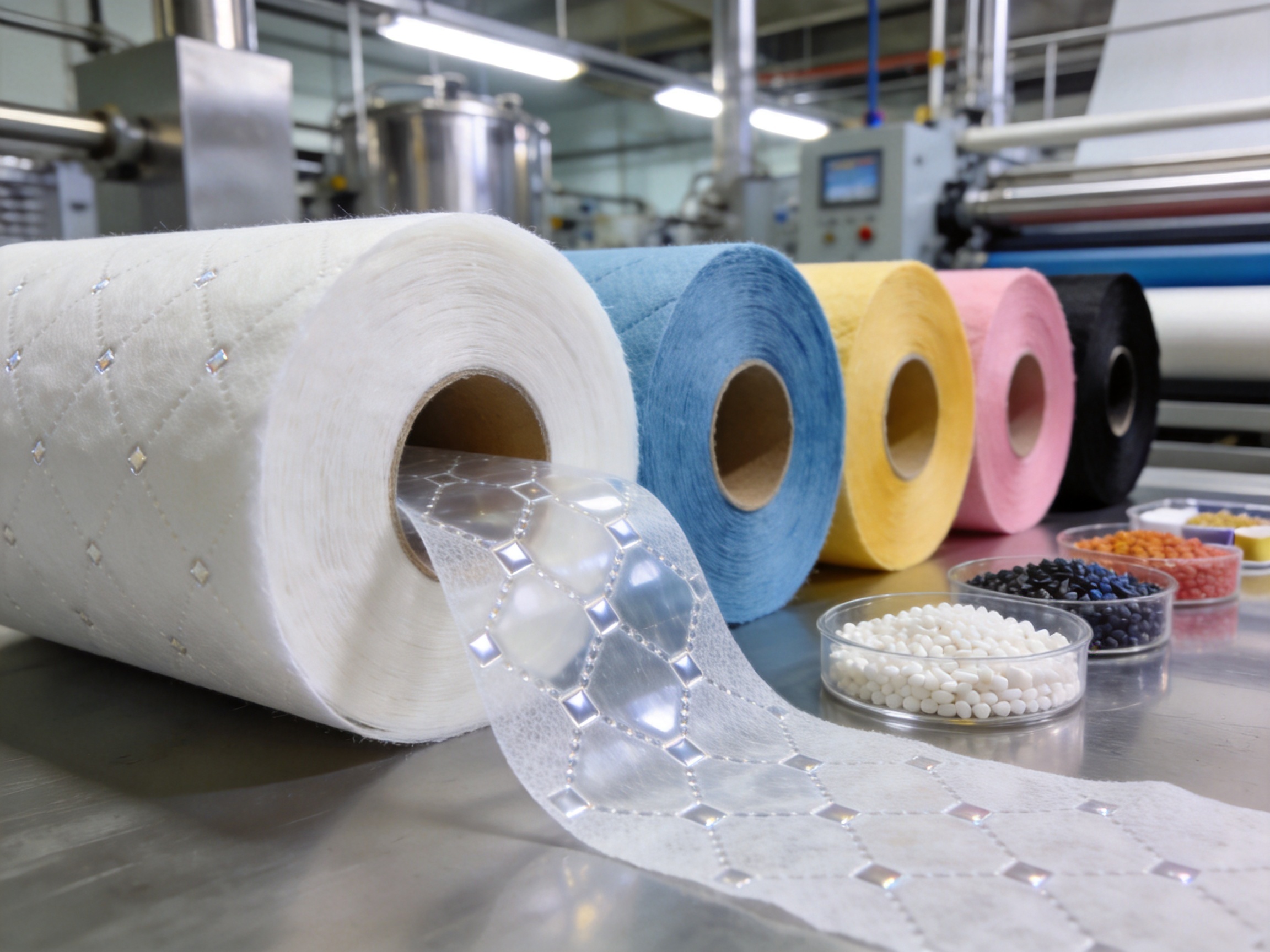
Understanding the Product Structure
Diamond Dot Spunbond and Meltblown Non-Woven Fabric includes several material constructions that can be selected according to the final product requirement. Spunbond and spunmelt fabrics are commonly used where strength, coverage, breathability, softness, and liquid management are important. Meltblown fabric is used especially where filtration efficiency is required, such as in the filter layer of masks. By combining different web-forming and bonding technologies, the fabric can be engineered to deliver a balance of physical and functional properties.
The main raw material is polypropylene, a widely used polymer in the non-woven industry because it is lightweight, processable, compatible with many functional additives, and suitable for disposable medical and hygiene products. Accessories such as masterbatch, functional masterbatch, and specialized additives allow the fabric to be customized in color, tactile feel, hydrophilic or hydrophobic behavior, anti-static performance, flame retardancy, antibacterial performance, and other functional directions.
The diamond dot surface pattern is more than a visual feature. In non-woven fabric production, bonding pattern design can influence hand feel, strength, drape, softness, and user perception. A diamond dot pattern gives the fabric a neat, professional appearance and can be used in products where surface aesthetics and functional bonding are both important. For many medical, hygiene, and consumer applications, a clean and consistent surface is essential because it affects both production handling and end-user confidence.
The fabric can be supplied in gram weights from 8 grams per square meter to 80 grams per square meter for spunbond and spunmelt products. For meltblown products, the available gram weight range is 20 grams per square meter to 50 grams per square meter. This range allows customers to select lighter materials for diaper components or mask layers, and heavier constructions for gowns, protective clothing, car covers, and industrial uses.
Core Technologies: SS, SSS, SMS, SMMS, SSMMS, SSSMS, and M
The product is supported by a wide technology platform. SS and SSS fabrics are spunbond structures that provide good strength, coverage, and processability. They are widely used in hygiene products, mask surface layers, mask inner layers, car covers, agricultural sheds, and other applications where a balance of softness and mechanical performance is needed.
SMS, SMMS, SSMMS, and SSSMS are spunmelt structures that combine spunbond and meltblown layers. In these constructions, spunbond layers contribute strength and durability, while meltblown layers can improve barrier performance and fine fiber coverage. This is especially valuable in medical clothing, isolation clothing, and protective clothing where barrier properties are essential. The ability to produce multi-layer spunmelt constructions gives the fabric a strong advantage over basic single-layer non-woven materials.
The M structure refers to meltblown fabric. Meltblown fabric is known for its fine fiber structure, which is useful in filtration applications. The product line includes water electret meltblown and electric electret meltblown options. Water electret meltblown can reach filtration levels aligned with European FFP2 and FFP3 requirements, while electric electret meltblown can reach BFE99 plus and PFE99 performance levels, depending on customer requirements and product design. This makes the meltblown category highly relevant to mask manufacturers that require dependable filter layer materials.
A key advantage is that customers are not limited to one technology. They can select the most appropriate construction for their intended use. A diaper manufacturer may prioritize softness, hydrophilicity, and low gram weight. A surgical gown manufacturer may require higher gram weight, SSMMS structure, blue color, and three anti performance against alcohol, blood, and grease. A mask manufacturer may require SSS spunbond for the inner and outer layers and electret meltblown for the filter layer. This technology breadth allows product development to be faster and more integrated.
Advantages Over Conventional Non-Woven Fabric Suppliers
Many non-woven fabric suppliers can provide basic polypropylene spunbond fabric. However, Diamond Dot Spunbond and Meltblown Non-Woven Fabric stands out because it is not limited to a single product form or a narrow range of functions. Its competitive advantage comes from the combination of material engineering, customization, production scale, industry experience, and application-specific specification design.
First, the product offers a broad technology portfolio. Competitors who produce only simple spunbond fabric may not be able to meet requirements for surgical gowns, filtration layers, anti-leakage diaper protection, and flame-retardant car interiors within one supply system. This product family covers spunbond, spunmelt, and meltblown categories, allowing buyers to source multiple related materials with consistent quality management.
Second, the customization capacity is highly practical. Color options include white, blue, yellow, pink, black, and customer-defined colors. Functional options include three anti performance, anti-static treatment, water repellency, hydrophilicity, super soft feel, soft feel, flame retardancy, anti-skid performance, anti-bacterial properties, and ageing resistance. Scent and essence can also be customized, including mint, apple, and aloe essence for suitable hydrophilic products. This level of customization helps customers differentiate finished products in competitive markets.
Third, the product supports both disposable medical protection and consumer hygiene needs. Medical applications require clean appearance, functional protection, and stable mechanical properties. Hygiene applications require softness, skin friendliness, hydrophilicity, liquid control, and comfort. Industrial applications may require ageing resistance, flame retardancy, or anti-skid characteristics. The fabric platform serves all these directions without forcing buyers to compromise on product specialization.
Fourth, the manufacturer has a strong industrial background. Founded in 1987, Kingsafe and Uniquality have developed over more than three decades into a leading enterprise in China's industrial textile industry. The company has ranked among the top enterprises in China's non-wovens industry for many consecutive years and has been listed among the top global non-woven manufacturers for multiple years. This long-term experience supports product reliability, process control, and customer confidence.
Fifth, the company has introduced advanced production equipment and technology from Germany, France, and Italy. In non-woven manufacturing, equipment quality has a direct influence on web uniformity, bonding stability, fiber distribution, productivity, and consistency across batches. Advanced equipment supports better control of gram weight, width, pattern, functionality, and production efficiency. For customers, this means fewer production interruptions, more predictable material behavior, and stronger support for large-volume orders.
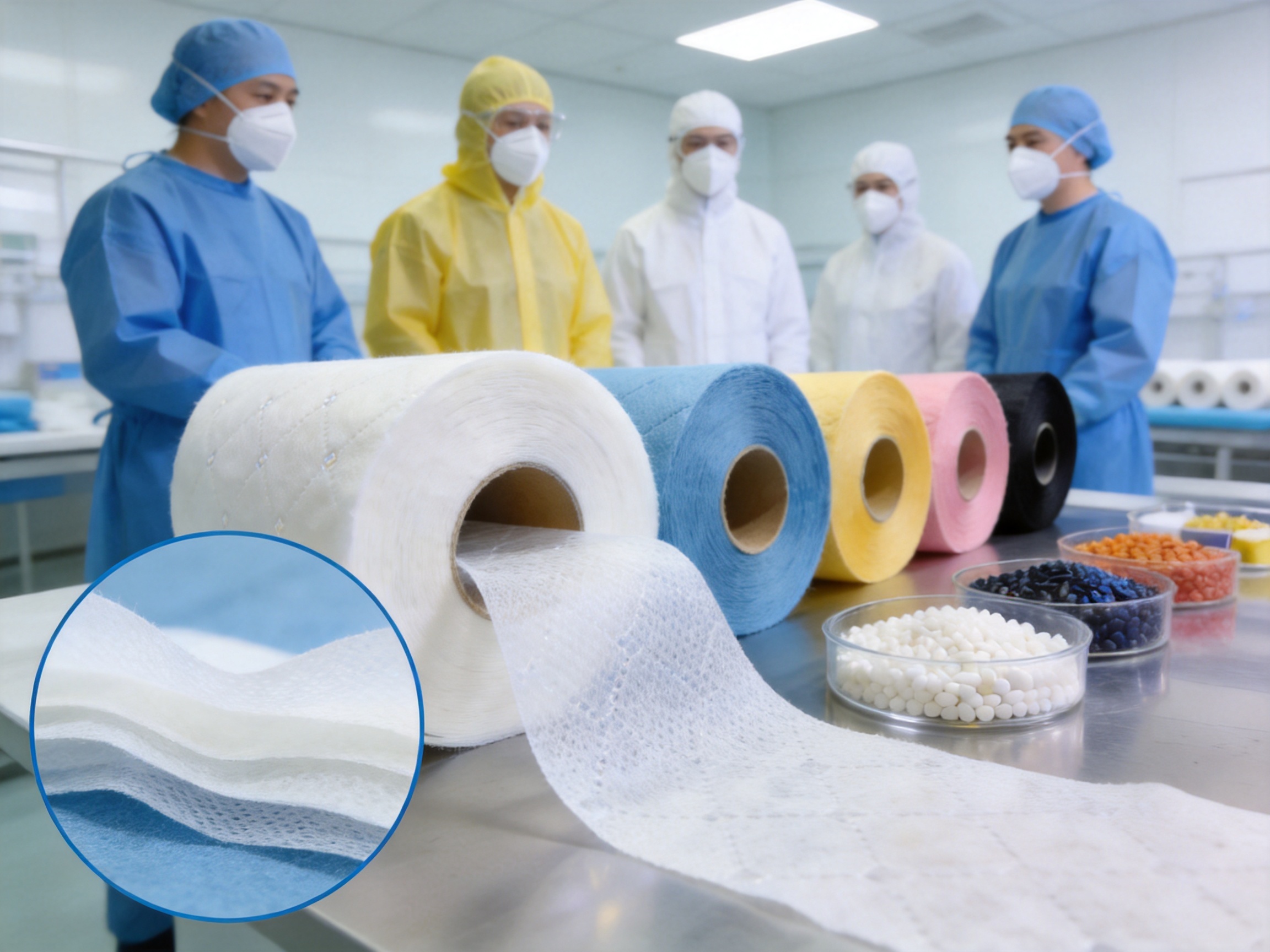
Application-Oriented Product Performance
One of the strongest benefits of this fabric is that its specifications are built around real applications. Instead of offering only generic material rolls, the product line includes recommended structures for surgical gowns, isolation clothing, protective clothing, mask layers, diaper components, pull-up pants, period pants, car covers, agricultural sheds, car interiors, non-slip mats, and mask filter layers. This application-oriented approach reduces development uncertainty for customers.
For surgical gowns, the fabric can be supplied in 37 gram SSMMS blue fabric with three anti performance against alcohol, blood, and grease, or 45 gram SSMMS blue fabric with the same three anti function. This is important because surgical gowns must support a protective role while remaining wearable. The SSMMS structure provides a multi-layer material design that is more suitable for barrier applications than a simple single-layer fabric.
For isolation clothing, options include 26 gram SMMS yellow fabric with water repellency and performance aligned with American standard level 2, as well as 45 gram SSMMS white fabric with water repellency for isolation or protective clothing. Another option includes PP plus PE construction, such as 35 gram SSS plus 30 gram PE in white with anti-static properties. These options demonstrate that the product line can meet different protection, weight, and construction preferences.
For masks, SSS fabric in 20 gram, 25 gram, 30 gram, and 50 gram options can be used for surface and inner layers. These materials can be white, anti-bacterial, skin-friendly, and super soft. The mask filter layer can use 25 gram meltblown fabric in white, with water electret technology for FFP2 or FFP3 performance, or electric electret technology for BFE99 plus and PFE99 performance. The ability to provide both surface layer material and filter layer material is a major advantage for mask manufacturers.
For hygiene products, the fabric can be used in diapers, core covers, anti-leakage three-dimensional protection, pull-up pants waist components, period pants waist components, and bottom layers. A 12 gram SSMMS white or creamy white water-repellent fabric can be used for anti-leakage protection, with super soft, cotton soft, or soft hand feel. A 12 gram SS, SSS, or SMS white hydrophilic fabric can be used for core cover applications. Pull-up pants and period pants waist components can use 15 gram or 16 gram SS or SSS creamy white fabrics with super soft, cotton soft, or soft feel.
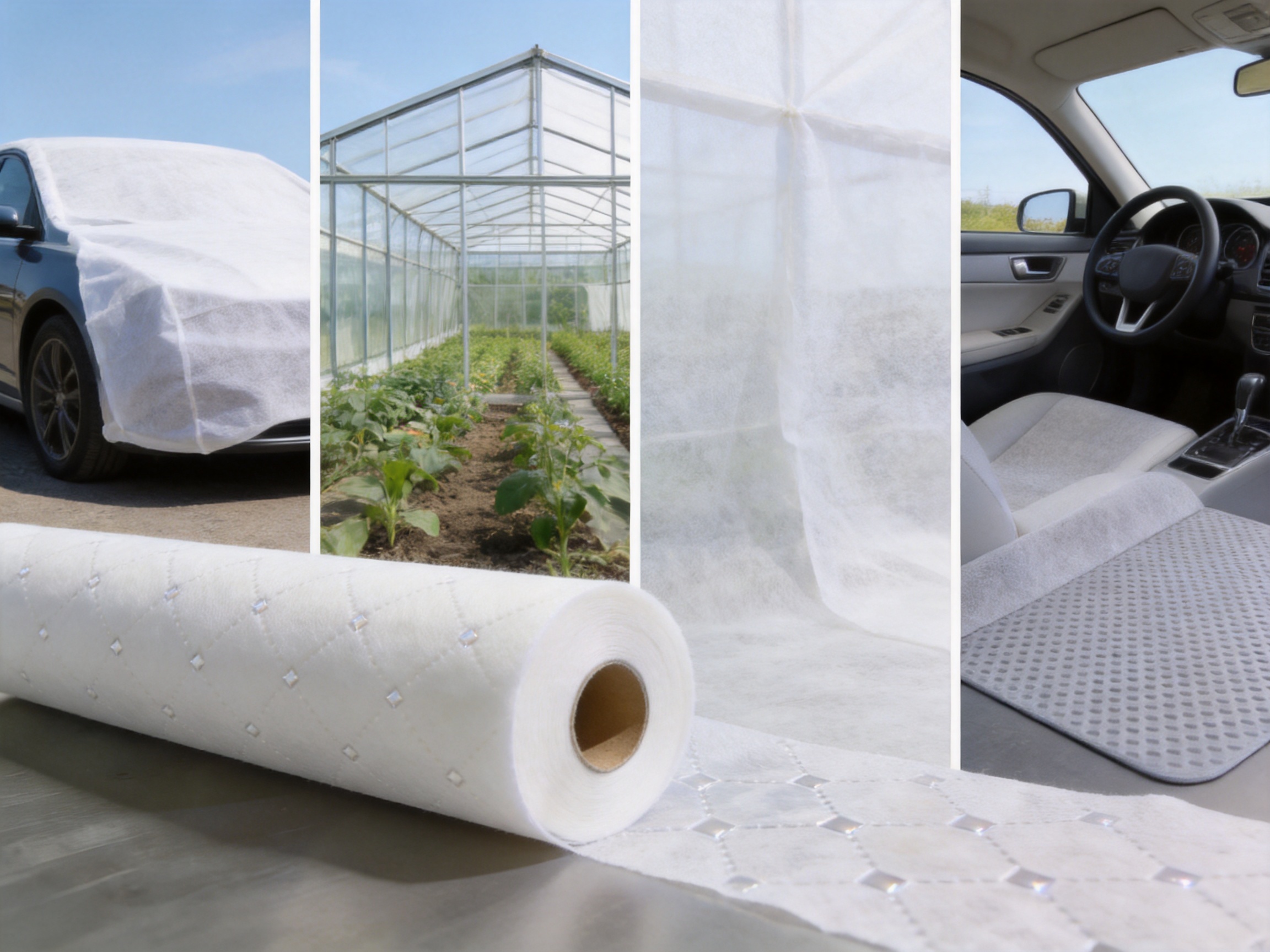
For industrial and other uses, the fabric can be applied to car covers, agricultural sheds, car interiors, and non-slip mats. A 35 gram SSS white fabric with ageing resistance can be used for car covers and agricultural sheds. A 40 gram SSS white fabric with flame retardancy can be used for car interiors. A 36 gram SSS white fabric with single-side anti-skid treatment can be used for non-slip mats. These examples show how functional additives can transform polypropylene non-woven fabric into a specialized material for non-hygiene markets.
Specification Overview
Product Area |
Typical Structure |
Common Gram Weight |
Key Function |
Typical Use |
Medical gown fabric |
SSMMS |
37 g or 45 g |
Anti-alcohol, anti-blood, anti-grease |
Surgical gowns |
Isolation clothing fabric |
SMMS or SSMMS |
26 g or 45 g |
Water repellency |
Isolation clothing and protective clothing |
Mask layer fabric |
SSS |
20 g, 25 g, 30 g, or 50 g |
Anti-bacterial, skin-friendly, super soft |
Mask surface and inner layers |
Diaper protection fabric |
SSMMS |
12 g |
Water repellent, soft feel |
Anti-leakage protection |
Core cover fabric |
SS, SSS, or SMS |
12 g |
Hydrophilic performance |
Diaper core cover |
Waist component fabric |
SS or SSS |
15 g or 16 g |
Super soft, cotton soft, or soft feel |
Pull-up pants and period pants |
Outdoor and industrial fabric |
SSS |
35 g to 40 g |
Ageing resistance or flame retardancy |
Car covers, agricultural sheds, car interiors |
Filter media |
M |
25 g |
Water electret or electric electret filtration |
Mask filter layer |
Medical Protection: Barrier, Comfort, and Reliability
Medical non-woven materials must achieve a difficult balance. They need to provide protection, but they also need to be wearable and processable into finished garments. Heavy materials may create discomfort, while weak materials may not provide adequate performance. Diamond Dot Spunbond and Meltblown Non-Woven Fabric supports this balance through multi-layer spunmelt structures and functional treatments.
For surgical gowns, SSMMS structures are especially useful because they combine strength from spunbond layers with barrier support from meltblown layers. The three anti treatment against alcohol, blood, and grease is a practical advantage in surgical and clinical settings where liquid exposure may occur. The availability of 37 gram and 45 gram options gives manufacturers flexibility in selecting a lighter or heavier fabric depending on the target gown design.
For isolation clothing, the product can be adjusted according to required protection level, color preference, and garment design. Yellow 26 gram SMMS fabric with water repellency is suitable for lightweight isolation clothing. White 45 gram SSMMS fabric with water repellency can be used for isolation or protective clothing where a stronger construction is preferred. PP plus PE options with anti-static properties further expand the material selection for customers who require film-laminated or composite structures.
Compared with many conventional fabrics, the advantage is not only in barrier function but also in material consistency. When medical garment manufacturers cut, fold, stitch, weld, or package non-woven fabric, unstable gram weight and inconsistent bonding can cause production losses. A manufacturer with advanced production equipment and mature process control can better support stable roll quality, which is essential for high-speed garment production lines.
Hygiene Applications: Softness, Hydrophilicity, and Skin Contact Comfort
In baby diapers, pull-up pants, period pants, and other hygiene products, the user experience depends strongly on the quality of the non-woven material. Skin-contact layers must feel soft and comfortable. Core cover materials need hydrophilic performance to help liquid pass into the absorbent core. Anti-leakage protection materials need water repellency to help prevent side leakage. Waist components require a soft hand feel and stable performance during conversion.
The fabric line can support these different functions through targeted structures and additives. Hydrophilic 12 gram SS, SSS, or SMS fabric can be used as a core cover. Water-repellent 12 gram SSMMS fabric can be used for anti-leakage protection. Soft 15 gram or 16 gram SS or SSS fabric can be used in waist areas of pull-up pants and period pants. These low gram weight options help manufacturers design lighter, more comfortable, and cost-efficient products.
Softness can be customized as super soft, cotton soft, or soft. This is important because different market segments have different tactile preferences. Premium baby care products may require an especially gentle feel. Cost-sensitive products may need balanced softness and production efficiency. Adult care or feminine care products may require different combinations of comfort, strength, and liquid control.
The fabric can also support optional scent and essence customization. Mint, apple, and aloe essence can be used where appropriate, especially in hydrophilic products designed for a specific consumer experience. While scent and essence must be selected carefully according to product type and market regulation, their availability demonstrates the manufacturer’s ability to create differentiated materials beyond standard white polypropylene fabric.
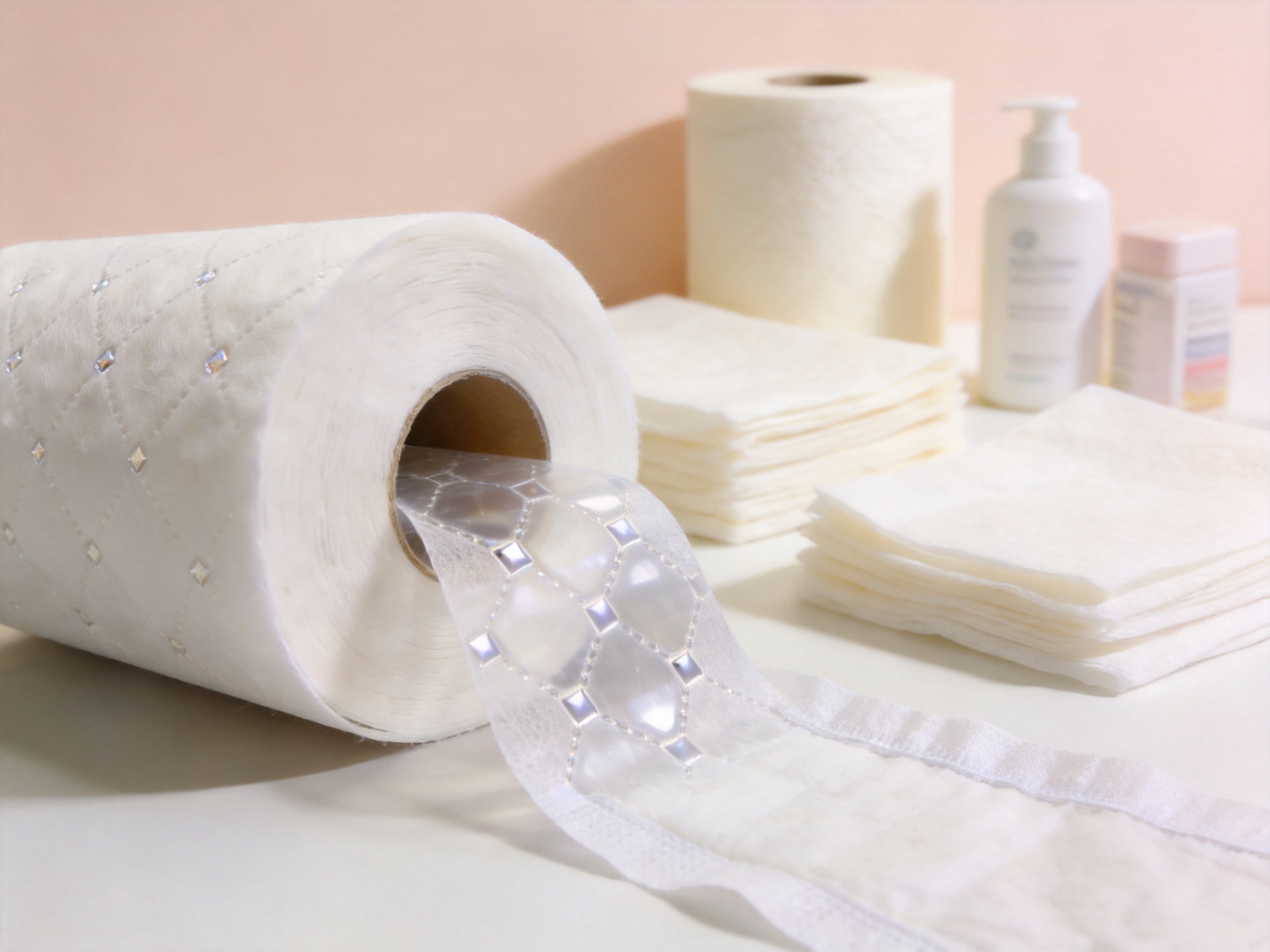
Mask Materials: Surface Layers and High-Efficiency Filter Layers
Mask production requires several material layers with different functions. The outer layer should help protect the mask structure and present a clean appearance. The inner layer should be comfortable against the skin. The filter layer must provide filtration performance. Diamond Dot Spunbond and Meltblown Non-Woven Fabric can supply both SSS spunbond surface or inner layers and meltblown filter layers, creating a more integrated solution for mask manufacturers.
For the mask surface and inner layer, 20 gram, 25 gram, 30 gram, and 50 gram SSS white fabric can be produced with anti-bacterial, skin-friendly, and super soft properties. The inner layer is especially important because it is in close contact with the face. A rough or irritating material can reduce wearer comfort and product acceptance. Super soft and skin-friendly characteristics help improve the user experience.
For the filter layer, 25 gram meltblown fabric is available in water electret and electric electret types. Water electret meltblown can reach filtration efficiency levels aligned with European FFP2 and FFP3 requirements. Electric electret meltblown can reach BFE99 plus and PFE99 performance. These options allow mask manufacturers to select filtration media according to target product specifications and market requirements.
Compared with suppliers that offer only ordinary meltblown fabric, the advantage here is the combination of filtration options, surface layer compatibility, and large-scale non-woven expertise. In mask production, different layers must work together. A high-performing filter layer is important, but the outer and inner layers also affect breathability, comfort, sealing behavior, production handling, and finished product quality. A supplier that understands multiple mask material layers can help customers reduce compatibility problems.
Industrial and Specialty Uses
Although medical and hygiene products are major application fields, the fabric also supports industrial and specialty uses. Non-woven fabric is increasingly used in automotive, agricultural, household, and protective covering products because it is lightweight, customizable, and suitable for large-area applications.
For car covers and agricultural sheds, 35 gram SSS white fabric with ageing resistance can be selected. Ageing resistance is important because materials exposed to outdoor or semi-outdoor environments may face sunlight, temperature changes, dust, and moisture. While the exact performance depends on final product design and exposure conditions, ageing-resistant treatment helps expand the suitability of the fabric beyond short-term indoor use.
For car interiors, 40 gram SSS white fabric with flame retardancy can be used. Automotive interior materials often require special attention to safety and durability. Flame-retardant functionality helps the fabric meet more demanding application expectations than ordinary non-treated non-woven material.
For non-slip mats, 36 gram SSS white fabric with single-side anti-skid treatment is available. This demonstrates the flexibility of surface functionality. By adjusting one side of the material, the fabric can gain a practical grip-related function while preserving the lightweight and processable character of non-woven fabric.
Advanced Manufacturing Strength
The performance of non-woven fabric is not determined only by raw material selection. It is also shaped by equipment, process design, quality control, production experience, and technical management. Zhejiang Uniquality Nursing Products Technology Co., Ltd. benefits from the broader manufacturing strength of Kingsafe and Uniquality, which was founded in 1987 and has built a strong position in the non-woven and nursing products industry.
The company has developed eight production bases in several major regions of China, including Foshan in Guangdong, Nantong in Jiangsu, and Wuhan in Hubei. Its headquarters are located in Changxing, Huzhou, in the Yangtze River Delta region, an area known for convenient land, sea, and air transportation. This geographic advantage supports efficient supply chain management, domestic distribution, and international business operations.
The company introduced advanced production equipment and technology from Germany, France, and Italy. In the non-woven industry, advanced production lines can improve fiber formation, web uniformity, bonding precision, production speed, and the consistency of customized functions. These capabilities are essential for customers who need stable quality across repeated orders.
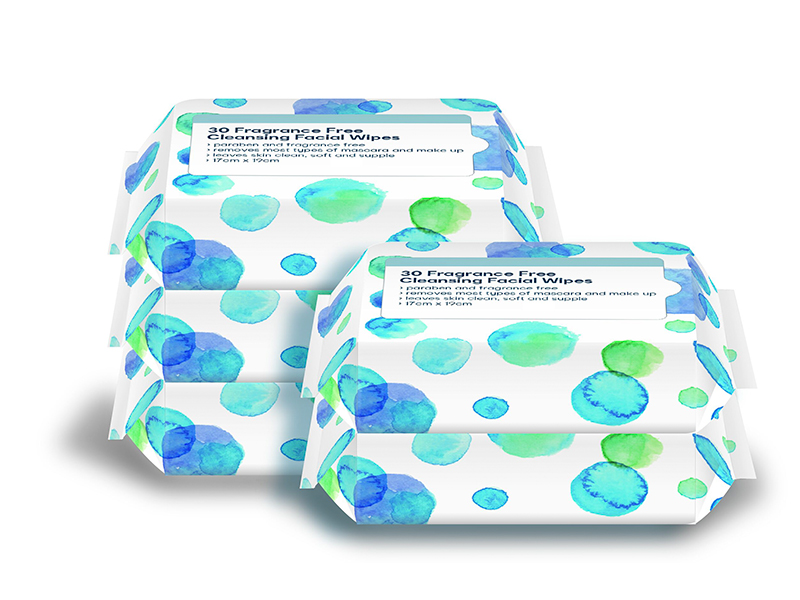
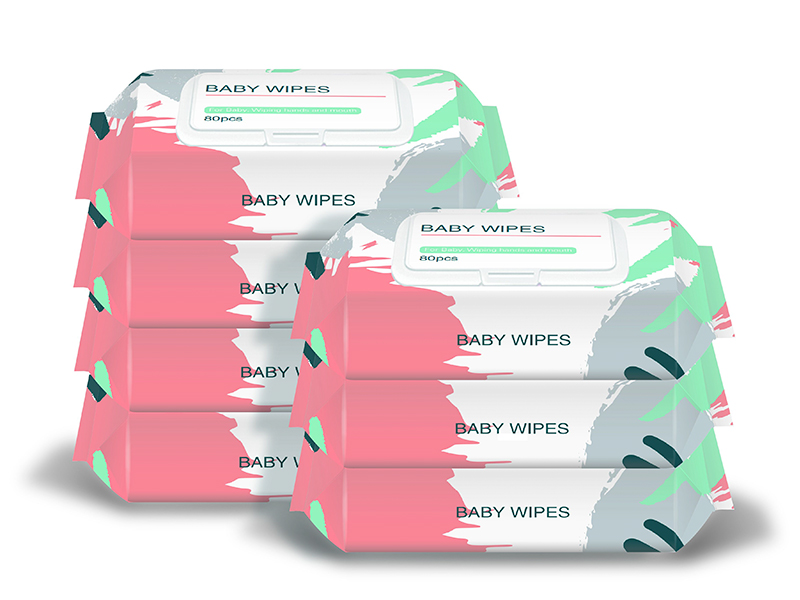
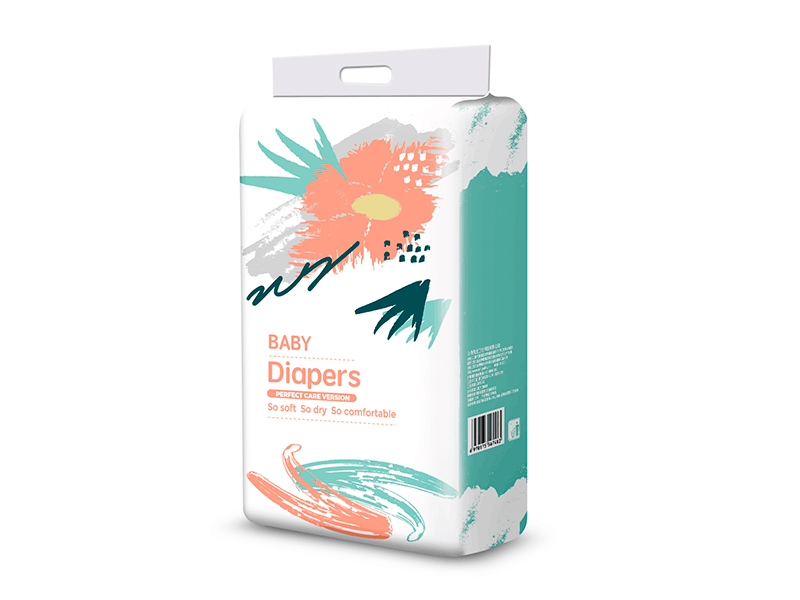
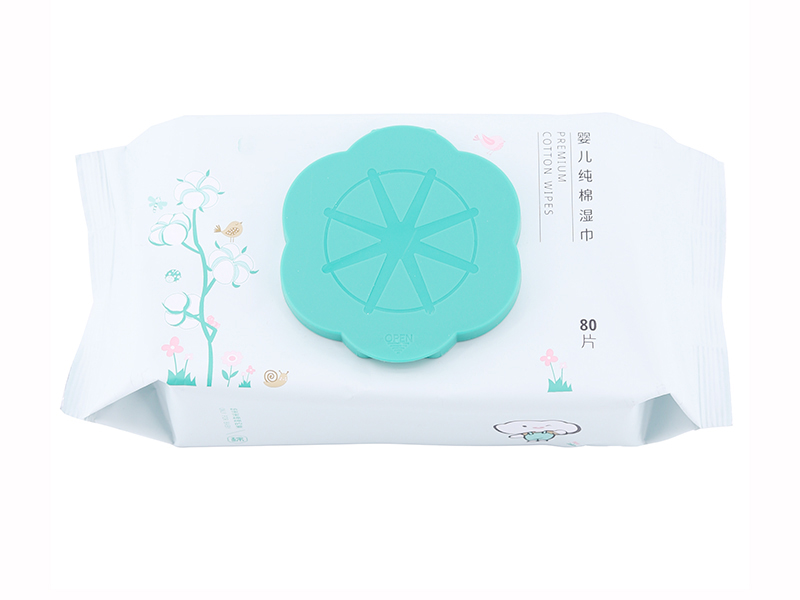
Large-scale production strength also supports product variety. The company’s product portfolio includes spunlace non-woven fabrics, spunmelt non-woven fabrics, hot air through non-woven fabrics, flushable and degradable non-woven fabrics, wet wipes, dry wipes, baby diapers, pull-ups, wet toilet paper, cleansing wipes, and other related products. This broad portfolio gives the company a deep understanding of how non-woven materials behave in finished consumer and professional products.
For customers, this means the manufacturer is not only a fabric producer but also an experienced participant in downstream product development. Understanding how fabric performs in diapers, masks, gowns, wipes, and other finished goods helps the technical team design materials that are more suitable for conversion, packaging, and end use.
Customization: From Color to Functional Additives
Customization is one of the most important advantages of Diamond Dot Spunbond and Meltblown Non-Woven Fabric. Many buyers need more than standard white rolls. They may require a specific color for brand identity, a specific gram weight for product design, a special hand feel for premium positioning, or a technical function for regulatory or market requirements.
Color customization includes white, blue, yellow, pink, black, and other colors. Blue is commonly used in surgical gowns. Yellow is often associated with isolation clothing. White and creamy white are widely used in hygiene products and masks. Black and other colors may be used for specialty consumer or industrial applications. Color consistency is important because visible color variation can affect finished product appearance and customer perception.
Gram weight customization is available from 8 grams to 80 grams for spunbond and spunmelt materials. This broad range allows lightweight hygiene components, medium-weight mask and garment layers, and heavier industrial or protective applications. Meltblown materials can be customized from 20 grams to 50 grams, supporting different filtration and breathability requirements.
Functional customization includes three anti treatment, anti-static treatment, water repellency, hydrophilicity, super soft feel, soft feel, flame retardancy, anti-skid performance, anti-bacterial properties, and ageing resistance. Each function responds to a real market demand. Water repellency supports protective clothing and anti-leakage barriers. Hydrophilicity supports absorbent hygiene products. Anti-static properties can be useful in protective clothing. Flame retardancy supports automotive or industrial use. Anti-bacterial treatment can support mask layers and hygiene-related products.
Scent and essence options also support market differentiation. Mint and apple scents can be customized, and aloe essence can be added to hydrophilic products when suitable. This is especially relevant for consumer care products where sensory experience can influence brand positioning. However, such options should always be considered according to final product safety requirements and local market rules.
Why the Diamond Dot Pattern Matters
The diamond dot pattern gives the fabric a refined and consistent surface. In non-woven products, bonding pattern affects both the look and the physical behavior of the material. A clear and stable pattern can help communicate quality to downstream manufacturers and end users. It can also support the balance between fabric strength and softness.
For medical garments, a neat pattern contributes to professional appearance. For hygiene products, a soft and consistent surface supports consumer confidence. For industrial products, pattern uniformity can help with predictable handling and conversion. The ability to customize the pattern further increases design flexibility for customers with special product concepts.
Compared with plain or irregular low-grade non-woven fabrics, diamond dot fabric can offer a more controlled and attractive appearance. This matters in markets where finished products are evaluated not only by technical specifications but also by visual and tactile quality. A diaper, mask, gown, or cleaning product made with inconsistent fabric can look less reliable even if the basic raw material is similar. Pattern stability therefore becomes part of product competitiveness.
Quality Consistency and Supply Reliability
Quality consistency is one of the greatest challenges in non-woven sourcing. A buyer may receive an acceptable sample but face problems during mass production if later batches vary in gram weight, softness, color, tensile strength, liquid behavior, or filtration performance. This can cause machine stoppages, product defects, customer complaints, and increased inspection costs.
The manufacturing background of Kingsafe and Uniquality helps reduce these risks. Decades of experience in industrial textiles, multiple production bases, and advanced equipment support stable production management. The company’s long-term relationships with well-known domestic and international brands further show its ability to meet demanding customer expectations.
Supply reliability also matters because many medical and hygiene products are produced continuously. Diaper lines, mask lines, and garment lines require stable material availability. A supplier with a broad production base and multiple product technologies is better positioned to support ongoing orders, seasonal demand changes, and customized development projects.
Another advantage is the company’s ability to support OEM and ODM-related product ecosystems. Since the company is active not only in non-woven materials but also in finished products such as wet wipes, dry wipes, diapers, pull-ups, wet toilet paper, and cleansing wipes, it understands the full value chain from raw material to consumer product. This can help buyers solve practical problems more efficiently.
How Customers Can Select the Right Fabric
Selecting the right non-woven fabric begins with the final application. A customer should first define whether the material will be used for medical protection, hygiene absorption, mask filtration, skin contact, industrial covering, automotive interior use, or anti-skid applications. Each use requires a different balance of strength, softness, breathability, liquid behavior, and functional treatment.
For surgical gowns, buyers should consider SSMMS structures, blue color, and three anti performance. The choice between 37 gram and 45 gram can depend on protection needs, garment design, comfort target, and cost structure. For isolation clothing, SMMS or SSMMS materials with water repellency may be suitable, and PP plus PE composite options can be considered when film-supported protection is needed.
For masks, buyers should separate surface layer, inner layer, and filter layer requirements. SSS spunbond fabric can be used for the surface and inner layers, while meltblown fabric should be selected according to filtration target. Water electret meltblown and electric electret meltblown provide different filtration options. Comfort, breathability, and softness should be evaluated together with filtration performance.
For diapers and absorbent hygiene products, buyers should identify whether the fabric is used as a topsheet, core cover, anti-leakage barrier, waist component, or bottom layer. Hydrophilic fabric is important for liquid transfer, while water-repellent fabric is important for leakage control. Softness should be selected according to skin-contact requirements and market positioning.
For industrial applications, the key question is which special function is required. Ageing resistance may be selected for car covers and agricultural sheds. Flame retardancy may be selected for car interiors. Anti-skid treatment may be selected for non-slip mats. The gram weight, color, and surface pattern can then be customized according to the product design.
Sustainability and Responsible Material Use
Modern buyers increasingly consider responsible material use, process efficiency, and product suitability. Polypropylene non-woven fabric is widely used because it can deliver high performance at low weight. Lightweight design can reduce material consumption per finished product when properly engineered. Custom gram weight selection also helps customers avoid over-specification, which can reduce unnecessary material use and cost.
The company’s broader portfolio includes flushable and degradable non-woven fabrics, showing its awareness of evolving market needs. While Diamond Dot Spunbond and Meltblown Non-Woven Fabric is mainly based on polypropylene, the manufacturer’s experience across different non-woven categories can support customers who are exploring performance, comfort, and responsible product design.
In many applications, sustainability also means reducing waste in production. Consistent roll quality, stable gram weight, reliable function, and good conversion performance can help reduce rejected materials and defective finished products. A low-quality fabric that causes frequent production waste may be less responsible in practice, even if its purchase price is lower. Therefore, reliable manufacturing is part of a more efficient supply chain.
Company Strength Behind the Product
Zhejiang Uniquality Nursing Products Technology Co., Ltd. is connected with a long-established industrial system built by Kingsafe and Uniquality. Founded in 1987, the company has specialized in research and development, production, and sales of medical and hygienic non-woven materials, nursing products, and high-end clothing interlining. This gives the company a rare combination of material expertise and finished product understanding.
The company is headquartered at 68 Luhui Road, Taihu Street, Changxing County, Huzhou City, Zhejiang. Its location in the Yangtze River Delta supports convenient transportation and access to industrial resources. Over more than 30 years of development, the company has expanded into multiple production bases and has become an important enterprise in China's industrial textile sector.
The company’s product range covers medical, maternal and baby, beauty, home, industrial cleaning, clothing, and other fields. This diversity strengthens technical learning across applications. A softness improvement developed for baby care may help mask inner layers. A barrier improvement developed for medical garments may support protective clothing. A functional additive used in industrial fabric may inspire new consumer product solutions.
Its enterprise spirit of dedication, innovation, inclusiveness, delicacy, and cooperation also aligns with the needs of global customers. Non-woven fabric development often requires repeated communication, testing, adjustment, and scale-up. A cooperative manufacturing partner can make this process smoother and more productive.
Purchasing Value for OEM and Private Label Customers
OEM and private label customers often need more than a roll supplier. They need a partner who can support product differentiation, stable quality, flexible specifications, and long-term business growth. Diamond Dot Spunbond and Meltblown Non-Woven Fabric is especially suitable for such customers because it can be adapted to many finished product categories.
A private label hygiene brand may require soft diaper materials, hydrophilic core covers, water-repellent anti-leakage barriers, and customized colors. A medical product manufacturer may require gown fabric, isolation clothing fabric, and mask layer materials. A cleaning or industrial brand may require non-woven fabric with ageing resistance, flame retardancy, or anti-skid characteristics. Working with one experienced manufacturer can simplify sourcing and improve development efficiency.
The company also has experience in wet wipes, dry wipes, diapers, growing training pants, pull-ups, wet toilet paper, and cleansing wipes. This background is valuable for private label customers who may be developing a broader care product line. Material selection can be aligned with finished product needs from the beginning, rather than being treated as an isolated purchasing decision.
Frequently Asked Questions
What is Diamond Dot Spunbond and Meltblown Non-Woven Fabric?
It is a customizable polypropylene-based non-woven fabric product family that includes spunbond, spunmelt, and meltblown technologies. It can be produced with a diamond dot pattern and customized in structure, color, gram weight, softness, liquid behavior, filtration performance, and special functions.
Which technologies are available?
Available technologies include SS, SSS, SMS, SMMS, SSMMS, SSSMS, and M. SS and SSS are commonly used for spunbond applications. SMS, SMMS, SSMMS, and SSSMS are spunmelt structures that combine spunbond and meltblown layers. M refers to meltblown fabric, especially useful for mask filter layers.
What raw material is used?
The main raw material is polypropylene. Accessories can include masterbatch, functional masterbatch, and functional additives, depending on the required color and performance.
Can the fabric color be customized?
Yes. Standard and common colors include white, blue, yellow, pink, and black. Other colors can also be customized according to customer requirements.
What gram weight range is available?
Spunbond and spunmelt products can be customized from 8 grams per square meter to 80 grams per square meter. Meltblown products can be customized from 20 grams per square meter to 50 grams per square meter.
What functions can be added?
Functions include three anti performance against alcohol, blood, and grease, anti-static treatment, water repellency, hydrophilicity, super soft feel, soft feel, flame retardancy, anti-skid treatment, anti-bacterial properties, and ageing resistance. Functions can be customized according to application needs.
Is the fabric suitable for surgical gowns?
Yes. SSMMS blue fabric in 37 gram or 45 gram specifications with three anti performance is suitable for surgical gown applications.
Is it suitable for isolation clothing?
Yes. Options include 26 gram SMMS yellow water-repellent fabric, 45 gram SSMMS white water-repellent fabric, and PP plus PE composite structures with anti-static performance.
Can the product be used in masks?
Yes. SSS fabric can be used for mask surface and inner layers, while water electret or electric electret meltblown fabric can be used for mask filter layers.
What filtration performance can meltblown fabric reach?
Water electret meltblown can reach filtration levels aligned with European FFP2 and FFP3 requirements. Electric electret meltblown can reach BFE99 plus and PFE99 performance, depending on customer requirements and product design.
Can it be used in diapers and pull-up pants?
Yes. The fabric can be used for diaper surface materials, core covers, anti-leakage protection, pull-up pants waist components, period pants waist components, and bottom layers. Hydrophilic, water-repellent, and soft versions are available.
What makes this fabric competitive?
Its competitiveness comes from broad technology coverage, customization flexibility, medical and hygiene application experience, advanced manufacturing equipment, multi-base production strength, and the ability to support both raw material and finished product development needs.
Conclusion
Diamond Dot Spunbond and Meltblown Non-Woven Fabric is a versatile material platform for customers who need reliable, customizable, and application-focused non-woven solutions. It covers spunbond, spunmelt, and meltblown technologies, offering SS, SSS, SMS, SMMS, SSMMS, SSSMS, and M structures. With polypropylene as the main material and a wide range of functional additives, the fabric can be adapted for medical protection, masks, baby care, feminine care, industrial coverings, automotive interiors, agricultural uses, and non-slip products.
Its advantages over many conventional competitors are clear. It provides more technology options, broader gram weight customization, stronger functional flexibility, and better application matching. It can support surgical gowns with three anti performance, isolation clothing with water repellency, masks with high-efficiency meltblown filter layers, diapers with soft and hydrophilic components, and industrial products with ageing resistance, flame retardancy, or anti-skid performance.
Behind the product is a manufacturer with more than 30 years of development, advanced equipment and technology introduced from Germany, France, and Italy, multiple production bases, and broad experience in medical, hygiene, beauty, home, industrial cleaning, clothing, and nursing product markets. For OEM, ODM, private label, and industrial customers, this means the fabric is not only a material but also a dependable foundation for product innovation and market competitiveness.
References
1. Russell, S. J. Handbook of Nonwovens. Woodhead Publishing.
2. Albrecht, W., Fuchs, H., and Kittelmann, W. Nonwoven Fabrics: Raw Materials, Manufacture, Applications, Characteristics, Testing Processes. Wiley-VCH.
3. Hutten, I. M. Handbook of Nonwoven Filter Media. Elsevier.
4. Association of the Nonwoven Fabrics Industry. Nonwoven Materials and Technologies: Industry Guidance and Technical Resources.
5. European Committee for Standardization. Respiratory Protective Devices and Filtering Half Masks Standards.
6. ASTM International. Standard Test Methods for Nonwoven Fabrics and Medical Protective Materials.